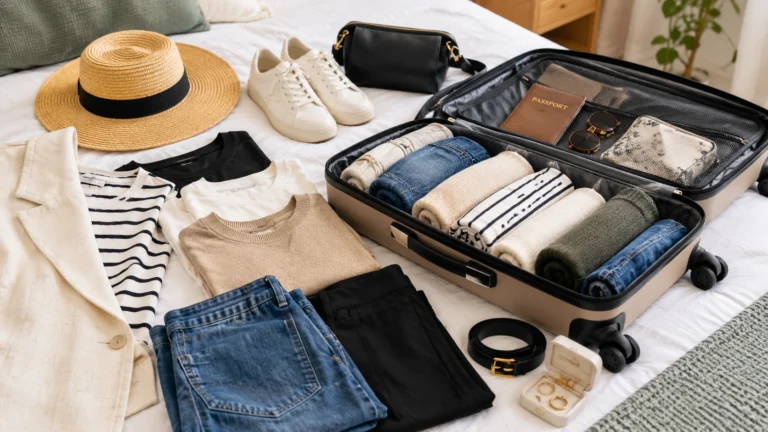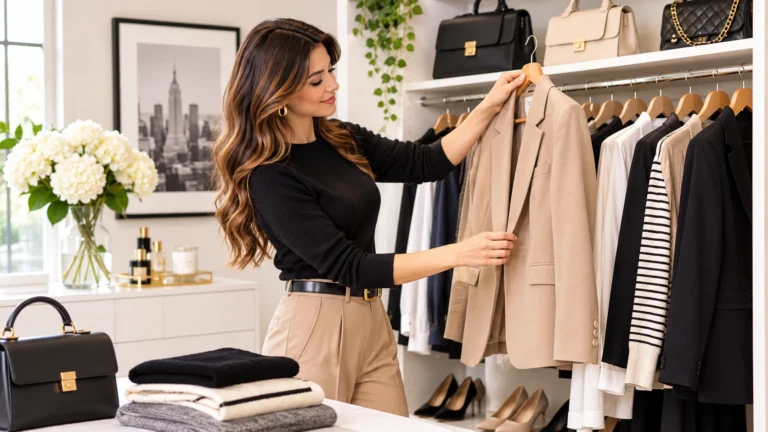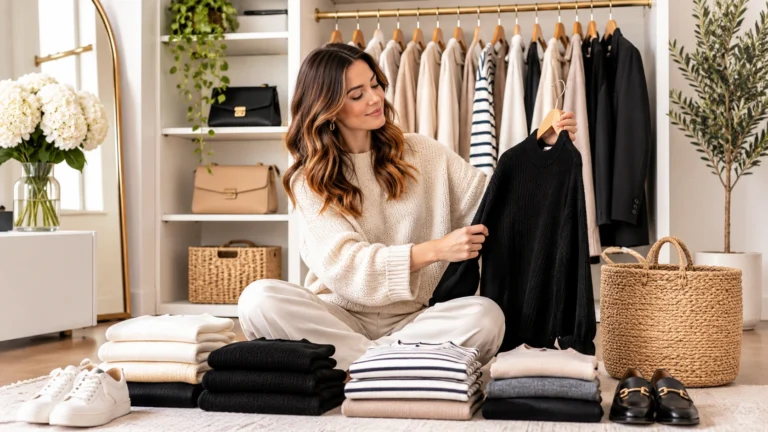
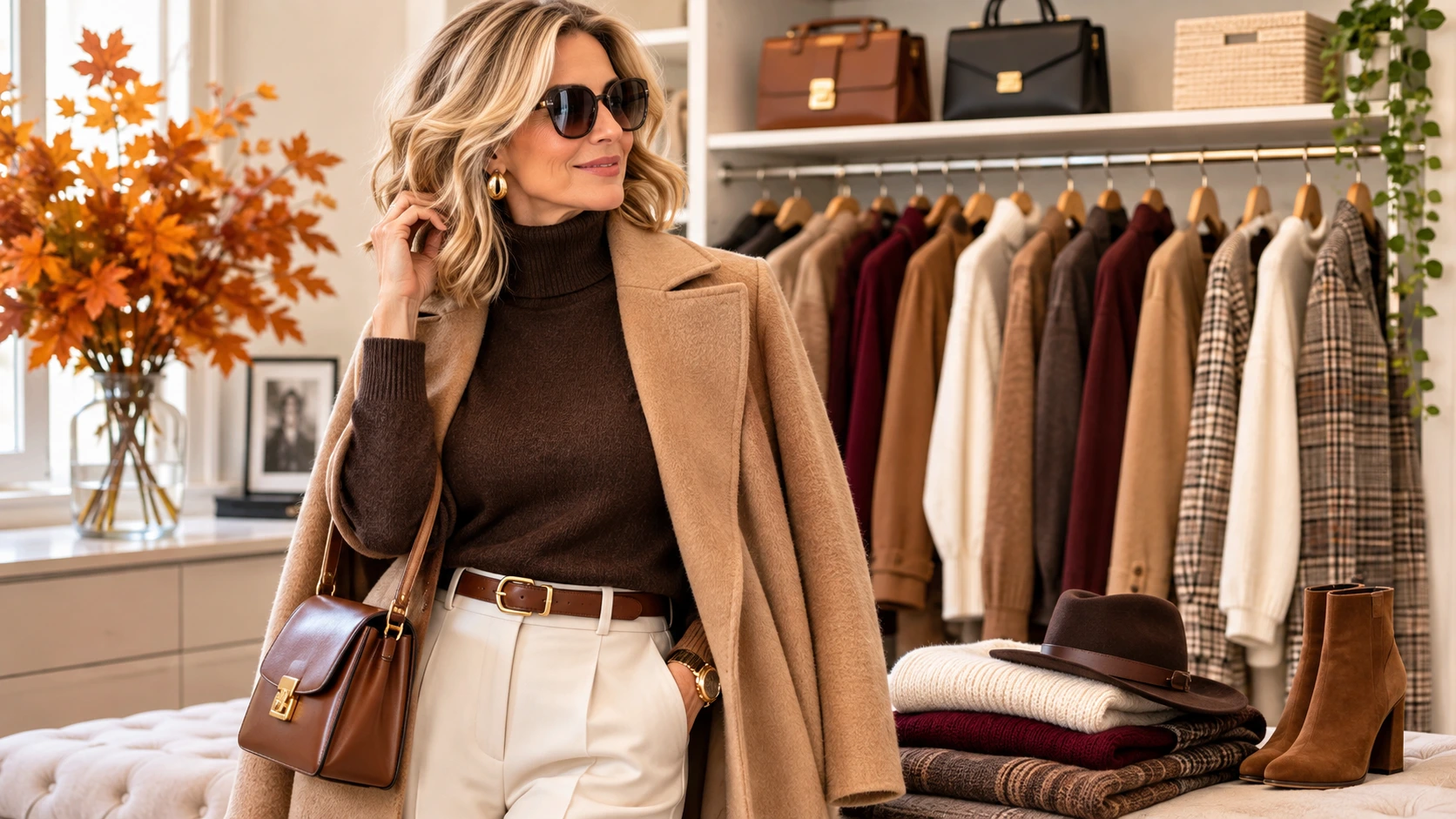

The first thing I think about when fall arrives is how much easier getting dressed feels when I have a few reliable outfits ready to go.
I love the look of a perfectly layered sweater, straight-leg jeans, and ankle boots, but I don’t love standing in front of a closet full of clothes and somehow feeling like I have nothing to wear.
That’s exactly why a Fall 2026 capsule wardrobe makes so much sense. Instead of buying a new outfit for every occasion, you build a smaller collection of versatile pieces that work together.
You can get dressed for work, weekend errands, coffee dates, dinner plans, and travel without constantly shopping for something new.
For fall 2026, I’d focus on wearable layers, beautiful neutral colors, comfortable denim, polished basics, and a few seasonal pieces that make ordinary outfits feel special.
You don’t need a designer budget or a completely new closet to make this work. You just need a plan that fits your lifestyle, your climate, and the way you actually like to dress.
1. What Is a Fall 2026 Capsule Wardrobe?

A fall capsule wardrobe is a thoughtfully selected collection of clothing that you can mix and match throughout the season. Rather than owning dozens of pieces you rarely wear, you choose items that work together in color, fit, fabric, and overall style.
I like to think of it as creating a personal outfit formula. You might wear jeans and a knit sweater on Monday, switch to tailored trousers and a blazer on Tuesday, and wear the same sweater with a midi skirt on Wednesday. Each outfit feels different, but you’re not starting from scratch every morning.
For fall 2026, I’d build the wardrobe around three categories:
- Everyday essentials: Straight-leg jeans, basic T-shirts, comfortable trousers, and versatile knitwear.
- Layering pieces: Blazers, cardigans, trench coats, lightweight jackets, and warmer outerwear suited to your climate.
- Personality pieces: A burgundy handbag, a textured sweater, statement earrings, or a pair of interesting boots.
The goal isn’t to own as few clothes as possible. It’s to own clothes you genuinely enjoy wearing and can style in several ways.
How many pieces do you actually need?
I would start with approximately 20–30 clothing items, excluding underwear, sleepwear, workout clothes, and accessories. You can create a smaller wardrobe if you prefer minimalism or expand it if your job and social life require different dress codes.
| Wardrobe category | Suggested quantity |
|---|---|
| Tops and basic T-shirts | 5–7 |
| Sweaters and knitwear | 4–5 |
| Jeans and casual trousers | 3–4 |
| Tailored pants or skirts | 2–3 |
| Dresses or one-piece outfits | 1–2 |
| Blazers and lightweight jackets | 2–3 |
| Coats and weather layers | 1–3 |
These numbers are flexible. If you live somewhere with mild autumn weather, you may need only one coat. If your fall includes chilly mornings and cold evenings, you’ll probably want more substantial outerwear.
Pro tip: Before buying anything, write down five outfits you already wear regularly. Those outfits will tell you more about your real wardrobe needs than any capsule wardrobe checklist.
2. Choose a Fall 2026 Color Palette That Works Together

One of the easiest ways to make a small wardrobe feel larger is to choose colors that coordinate naturally. When your tops, bottoms, jackets, and shoes share a consistent palette, you can create more combinations without purchasing extra clothing.
For my ideal fall capsule wardrobe, I’d begin with two or three neutral colors, add a few complementary shades, and finish with one or two richer accent colors.
Warm neutrals for an effortless fall wardrobe

Warm neutrals are an excellent starting point because they look seasonal without feeling overly themed. Think camel, cream, chocolate brown, taupe, warm gray, and soft beige.
A camel sweater can work with dark denim, cream trousers, or a brown midi skirt. A cream T-shirt can sit under a blazer, a cardigan, or a trench coat. These pieces don’t compete with one another, so styling becomes much simpler.
I’d choose black as well if you wear it frequently, but I wouldn’t automatically buy every basic in black. Sometimes chocolate brown, navy, or charcoal feels softer and gives an outfit more dimension.
Rich accent colors for fall 2026

Once your neutral foundation is established, introduce colors that make the wardrobe feel personal.
- Burgundy: A beautiful choice for knitwear, handbags, shoes, and scarves.
- Olive green: Works particularly well with denim, cream, brown, and black.
- Deep navy: A polished alternative to black for trousers, coats, and blazers.
- Plum: Adds richness to a simple outfit without overwhelming it.
- Rust: A warm seasonal accent that pairs naturally with cream and chocolate brown.
You don’t need all five. I’d choose the two colors you already gravitate toward and repeat them throughout your wardrobe.
For example, if you purchase a burgundy cardigan, you could echo that shade in a scarf or handbag later. You don’t have to match every accessory exactly; repeating a color is simply an easy way to make separate pieces feel intentional.
A simple color-palette comparison
| Palette | Best base colors | Accent colors | Overall feel |
|---|---|---|---|
| Classic neutral | Black, cream, gray | Burgundy | Polished and timeless |
| Warm minimalist | Camel, ivory, brown | Rust, olive | Soft and relaxed |
| Parisian-inspired | Navy, cream, denim | Red, burgundy | Effortlessly chic |
| Modern understated | Charcoal, taupe, black | Plum, deep green | Refined and versatile |
Pro tip: Hold a new item beside at least three things you already own. If you can immediately imagine three outfits, it probably belongs in your capsule wardrobe.
3. Straight-Leg Jeans and a White Button-Down Shirt

If I could choose just one casual outfit formula for fall, it would be straight-leg jeans with a crisp white button-down shirt. It feels pulled together without looking like you’ve spent half an hour planning your outfit.
The reason this combination works so well is that both pieces are incredibly adaptable. You can wear the shirt tucked in with a leather belt for a more structured look, leave it loose for a relaxed weekend outfit, or layer it beneath a sweater when temperatures drop.
For fall 2026, I’d choose medium- or dark-wash denim with a straight leg that skims the body without feeling restrictive. A slightly relaxed cotton shirt gives you enough room for layering and looks good with loafers, ballet flats, ankle boots, or clean sneakers.
If you prefer a softer look, replace the bright white shirt with ivory or pale blue. If you want more structure, add a camel blazer and a simple leather handbag.
My styling rule: Pay attention to the shirt’s length. A very long shirt can overwhelm straight-leg jeans, especially with flat shoes. A front tuck or a shirt that ends around the hip often creates a more balanced silhouette.
4. A Camel Sweater With Dark-Wash Jeans

A camel sweater and dark-wash jeans are the sort of combination I would build an entire fall wardrobe around. The colors are easy to coordinate, the outfit looks seasonal, and you can dress it up or down without changing the foundation.
I’d look for a medium-weight knit with a comfortable neckline and enough room to move. Merino wool, cotton blends, and other soft knits can all work, depending on your budget and how warm you need the sweater to be.
Wear it with ankle boots and a structured bag for lunch or casual meetings. Switch to white sneakers and a crossbody bag for errands. When it’s colder, layer a long wool coat or a quilted jacket over the top.
The beauty of this outfit is that you can change its character with accessories. Gold-tone jewelry adds warmth, while a burgundy bag gives the neutral combination a little more personality.
What I’d avoid: Buying a sweater that is so oversized that it bunches awkwardly beneath every jacket. A relaxed fit is lovely, but you should still be able to layer comfortably.
5. Tailored Trousers With a Simple T-Shirt

A capsule wardrobe needs outfits that sit somewhere between jeans and formal workwear. Tailored trousers with a simple T-shirt fill that gap beautifully.
I particularly like charcoal, navy, or black trousers because they work with almost every neutral top. A white, cream, or gray T-shirt keeps the outfit understated, while the cut of the trousers makes it look more intentional than an ordinary jeans-and-tee combination.
For a casual office, I’d add a blazer and loafers. For a relaxed weekend, wear the same trousers with sneakers and a lightweight cardigan. If you have dinner plans, switch to ankle boots, add earrings, and carry a structured handbag.
When shopping, check the fabric and fit before worrying about the trend. Trousers that drape well and sit comfortably at the waist will usually earn more wear than a dramatic cut that works with only one pair of shoes.
Pro tip: If you buy trousers in a longer length, try them on with the shoes you expect to wear most often. The hem can change the entire appearance of an outfit.
6. A Matching Knit Set for Comfortable Fall Days
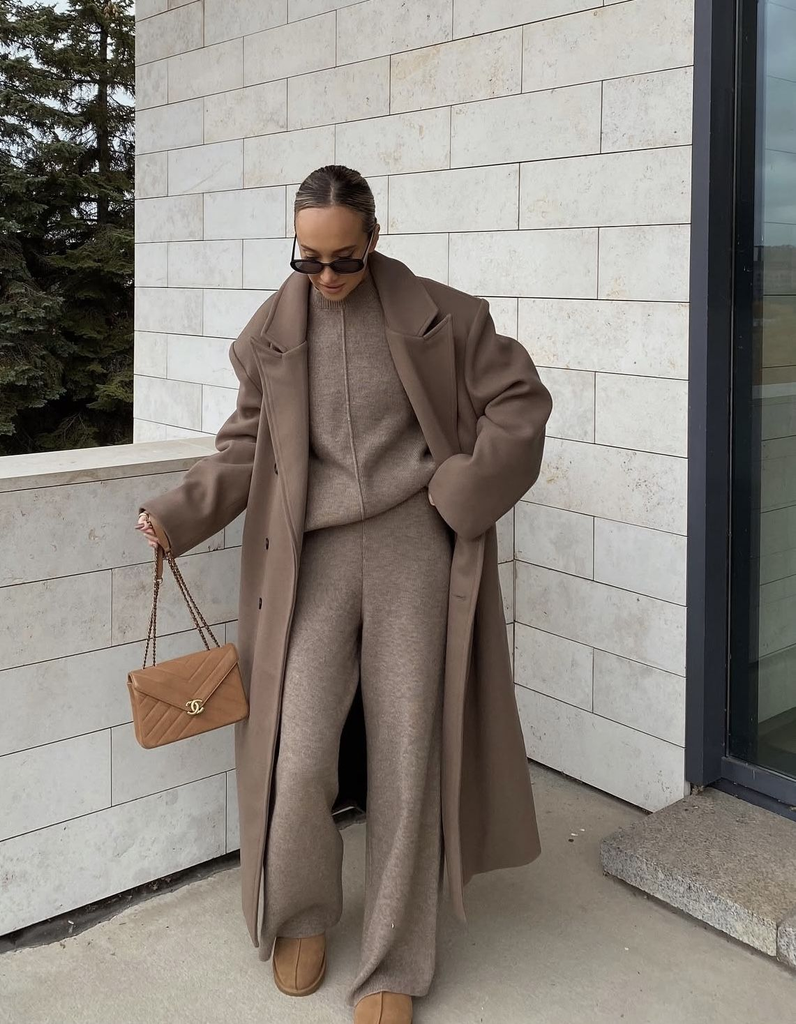
Some fall days call for comfort, but that doesn’t mean you have to wear whatever happens to be closest to the bed. A matching knit set gives you the ease of loungewear with a more coordinated appearance.
I’d choose a set in oatmeal, charcoal, chocolate brown, or muted olive. A simple crewneck sweater paired with straight or wide-leg knit trousers is especially versatile because you can wear the pieces together or style them separately.
Wear the set with clean sneakers for travel, appointments, or a casual coffee date. Add a trench coat and a structured tote when you want the outfit to feel more polished.
The separate pieces can also do double duty. The sweater looks great with jeans, while the trousers can work with a fitted T-shirt or a lightweight button-down.
Before purchasing a set, check whether the fabric stretches out at the knees or pills easily. Knitwear that looks beautiful on a hanger but loses its shape after a few wears isn’t the best investment for a capsule wardrobe.
Pro tip: Buy matching sets only when you can picture at least two ways to wear each piece separately. That is how you get more outfits from the same purchase.
7. A Relaxed Blazer and Jeans

A blazer is one of those pieces that can make a simple outfit feel finished almost immediately. When you pair it with jeans, you get a useful balance between polished and casual.
For fall 2026, I’d consider a charcoal, navy, camel, or chocolate-brown blazer. A slightly relaxed shape works well over a T-shirt or lightweight knit, but it shouldn’t be so oversized that it hides your natural proportions.
Try wearing it with dark jeans and loafers for a smart-casual outfit. For a dinner date, switch to heeled boots and a more structured bag. On cooler days, layer a thin sweater underneath rather than a bulky sweatshirt.
You can also wear the blazer with tailored trousers, making it one of the more useful purchases in your wardrobe.
The main trade-off is fabric. A lightweight blazer is easy to layer during early fall, while a wool-blend style may be better for colder weather. If you live somewhere warm, a heavy blazer could spend more time hanging in your closet than you expect.
My advice: Check the shoulder fit first. Sleeves can often be altered, but shoulders that are too wide or too narrow are much harder to correct.
8. A Wide-Leg Jeans and Fitted Knit Top Combination

Wide-leg jeans offer a different silhouette from straight-leg denim, which is useful if you want variety without adding lots of extra clothing.
I like pairing them with a fitted or gently shaped knit top because the contrast makes the outfit feel balanced. The top doesn’t have to be tight; it simply needs enough structure to keep the overall silhouette from feeling oversized from head to toe.
Choose dark denim if you want a dressier appearance, or medium-wash denim for everyday wear. A cream knit, brown belt, and ankle boots create an easy autumn outfit, while a black top and loafers give the same jeans a sharper look.
The most important detail is the length. Wide-leg jeans that drag on the ground can become frustrating in wet weather, and a hem that is too short can change the proportions. Try them with your most-worn shoes before deciding on alterations.
If you already own straight-leg jeans, you don’t need to replace them. Add wide-leg denim only if you enjoy the shape and expect to wear it regularly.
Pro tip: If the jeans are voluminous, choose a bag with enough structure to balance the outfit. A compact shoulder bag or medium-sized tote often works better than an extremely oversized slouchy bag.
9. A Versatile Cardigan for Everyday Layering

A cardigan is particularly useful when fall weather changes throughout the day. You can wear it indoors, carry it over your shoulders, or layer it beneath a coat when the temperature drops.
For a versatile capsule, I’d choose a cardigan in cream, gray, camel, navy, or burgundy. A fine-gauge knit is easier to layer beneath a blazer, while a chunky cardigan works well as a standalone top with jeans or trousers.
One of my favorite styling approaches is to wear a cardigan buttoned over a simple tank or T-shirt. It looks like a sweater but offers a slightly different shape, especially when paired with tailored trousers and loafers.
You can also wear it open over a dress or button just the middle buttons for a more defined silhouette.
When comparing cardigans, look at the buttons, cuffs, and fabric recovery. Cheap-looking buttons can make an otherwise lovely knit feel less polished, but replacing them is often an inexpensive way to improve the garment.
Pro tip: If your wardrobe is mostly neutral, a burgundy cardigan is a practical way to add seasonal color without buying a completely new outfit.
10. A Trench Coat for Classic Fall Style
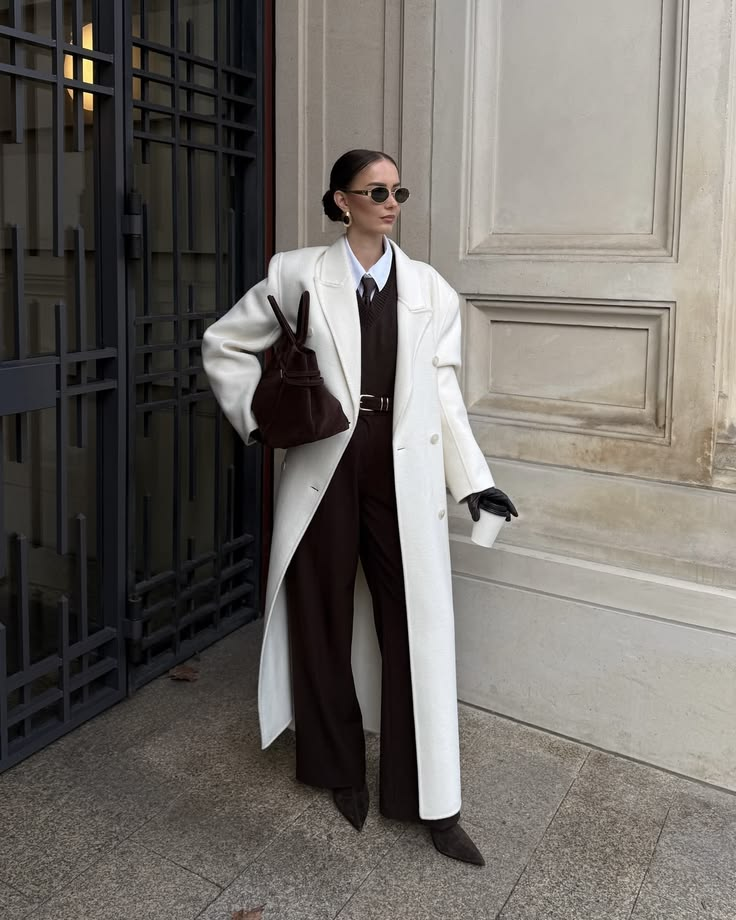
A trench coat is one of my favorite options for early fall because it provides a layer of structure without the bulk of a heavy winter coat.
A beige trench works with denim, tailored trousers, dresses, and knit sets. You can wear it open for a relaxed look or tie the belt loosely to define the waist. A navy or dark olive version can be equally versatile if lighter colors aren’t practical for your daily routine.
I would pay attention to the length before anything else. A shorter trench is convenient for driving and active days, while a longer style creates a more dramatic silhouette and provides additional coverage.
The fabric matters, too. Some trenches are designed mainly for style rather than serious rain protection, so check the garment’s water resistance if you expect wet weather.
For a casual outfit, layer a trench over a white T-shirt, dark jeans, and sneakers. For work, wear it with tailored trousers, a fine knit, and loafers.
Pro tip: If you live in a climate with chilly mornings but mild afternoons, prioritize a trench that fits over a sweater without pulling at the shoulders. You may get more wear from it than from a thick coat.
11. A Wool Coat or Warm Jacket for Colder Days

A trench coat won’t be enough for every fall climate. If temperatures regularly drop, a warmer outer layer may be the most important item in your capsule wardrobe.
A charcoal, camel, navy, or black wool-blend coat is a classic option. For a more casual wardrobe, a quilted jacket or insulated coat may be more practical, especially if you walk frequently or spend a lot of time outdoors.
I’d choose outerwear based on the coldest conditions you realistically encounter during fall rather than the prettiest coat in a seasonal collection. A beautiful coat that doesn’t keep you warm won’t get much use.
Think about what you’ll wear underneath it. If your wardrobe includes chunky sweaters, you may need a roomier cut. If you mostly wear fine knits and blazers, a more tailored shape could be ideal.
Check the care label, lining, closures, and pocket placement before buying. A coat you can comfortably wear every day is worth more than one that looks impressive but feels inconvenient.
Pro tip: If your budget is limited, spend more of it on the coat that suits your actual climate. You can keep the rest of the outfit simple with jeans, a sweater, and comfortable shoes.
12. Ankle Boots That Work With Most of Your Wardrobe

Shoes can make a capsule wardrobe feel surprisingly complicated. A pair that looks good with one outfit may not work with your other trousers, jeans, or skirts.
For fall, I’d start with one versatile pair of ankle boots in black or dark brown. A simple silhouette with a comfortable heel is easy to style with straight-leg jeans, wide-leg denim, tailored trousers, and midi skirts.
If you walk a lot, prioritize cushioning, traction, and a comfortable fit over a very narrow toe or high heel. If you need a dressier option, a low block heel can provide a polished appearance without sacrificing as much comfort.
Brown boots pair beautifully with camel, cream, burgundy, and denim. Black boots are useful with charcoal, navy, black, and cooler neutral palettes.
You don’t need both colors immediately. Choose the pair that works with the majority of your existing clothes, then add a second pair only if you find yourself regularly missing it.
Pro tip: Try boots on with the socks you plan to wear in fall. A fit that feels fine with thin socks may become uncomfortable with thicker ones.
13. Loafers and Clean Sneakers for Everyday Wear

Ankle boots aren’t the only shoes worth including in a fall capsule. Loafers and sneakers offer comfortable alternatives for days when boots feel too heavy or formal.
Loafers are especially useful when you want jeans to look a little more polished. Choose black, brown, or burgundy leather or a suitable alternative, depending on your budget. They work with tailored trousers, straight-leg jeans, and some midi skirts.
Clean sneakers are ideal for travel, errands, casual workplaces, and long days on your feet. A simple white, cream, or neutral pair can work with almost every outfit in your capsule.
The trick is keeping the rest of the outfit intentional. A T-shirt, jeans, sneakers, and trench coat look coordinated when the fit is good and the pieces are in reasonable condition.
I wouldn’t buy shoes simply because they match a particular trend. Comfort and versatility matter much more when you’re trying to build a wardrobe you’ll wear repeatedly.
Pro tip: Before buying new shoes, style your five most-worn outfits with the pairs you already own. You may discover that the missing piece is a belt or a better-fitting trouser rather than another pair of shoes.
14. A Midi Skirt With a Relaxed Sweater

If your fall wardrobe is starting to look like jeans and trousers on repeat, a midi skirt adds variety without requiring an entirely different color palette.
A satin, knit, denim, or softly structured midi skirt can work well with a sweater. I particularly like chocolate brown, black, or olive because these shades pair easily with cream, gray, and camel knitwear.
For a casual daytime outfit, wear the skirt with a relaxed sweater and flat ankle boots. For dinner, add a fitted knit top, simple jewelry, and a small shoulder bag.
Pay attention to fabric weight and movement. A thin skirt that clings awkwardly to tights may be less comfortable than a slightly heavier fabric, while a very bulky sweater can overwhelm a lightweight skirt.
If you prefer trousers, there’s no need to force a skirt into your capsule. The point is to create options that reflect your style rather than follow a checklist.
Pro tip: When wearing a relaxed sweater with a midi skirt, try a partial tuck or a slightly shorter sweater. It can help define the waist without making the outfit feel restrictive.
15. A Simple Knit Dress for Easy One-Piece Outfits
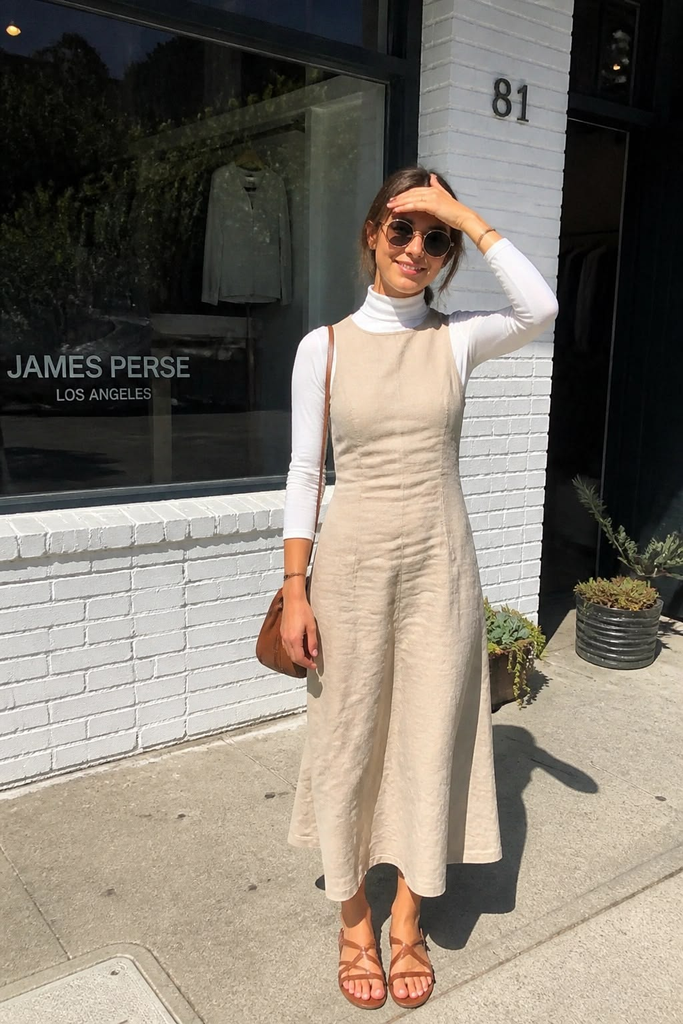
A knit dress is a practical option for those mornings when you want a complete outfit without coordinating separate pieces.
I’d look for a midi-length dress in charcoal, navy, black, chocolate brown, or burgundy. A simple neckline and uncomplicated shape make it easier to layer with a blazer, trench coat, or warm wool coat.
Wear it with ankle boots for a classic fall outfit, loafers for a more relaxed look, or sneakers if the dress has a casual shape. A belt can change the silhouette, while a scarf adds texture and warmth.
Before buying one, consider how it feels when sitting, walking, and layering. Some knits cling more than expected, and heavier dresses can become uncomfortable if you’re wearing them throughout a long day.
You can also wear the dress with a cardigan over the top, making it function almost like a skirt-and-sweater combination.
Pro tip: Choose a dress that works with at least two pairs of shoes you already own. That makes it a useful wardrobe staple instead of a one-outfit purchase.
16. A Quality White or Cream T-Shirt

A basic T-shirt may not be the most exciting fall purchase, but it can be one of the hardest-working pieces in your wardrobe.
You can wear it beneath a blazer, tuck it into tailored trousers, layer it under a cardigan, or pair it with jeans and a trench coat. A good T-shirt also provides a simple foundation for accessories without competing with the rest of your outfit.
I’d choose a cotton or cotton-blend fabric with enough weight to drape well. Very thin fabric can become transparent, twist after washing, or lose its shape more quickly.
You don’t need a drawer full of identical T-shirts. Start with one white or ivory version and one darker neutral if you wear basics frequently. Add another only when you know the first two are getting regular use.
Fit is personal, so think about how you prefer to style your shirts. A slightly fitted version works well under knitwear, while a relaxed cut can be more comfortable with jeans or trousers.
Pro tip: Wash a new T-shirt according to its care instructions before deciding whether it works in your wardrobe. Some fabrics shrink or change shape enough to affect how they layer.
17. A Lightweight Turtleneck for Layering
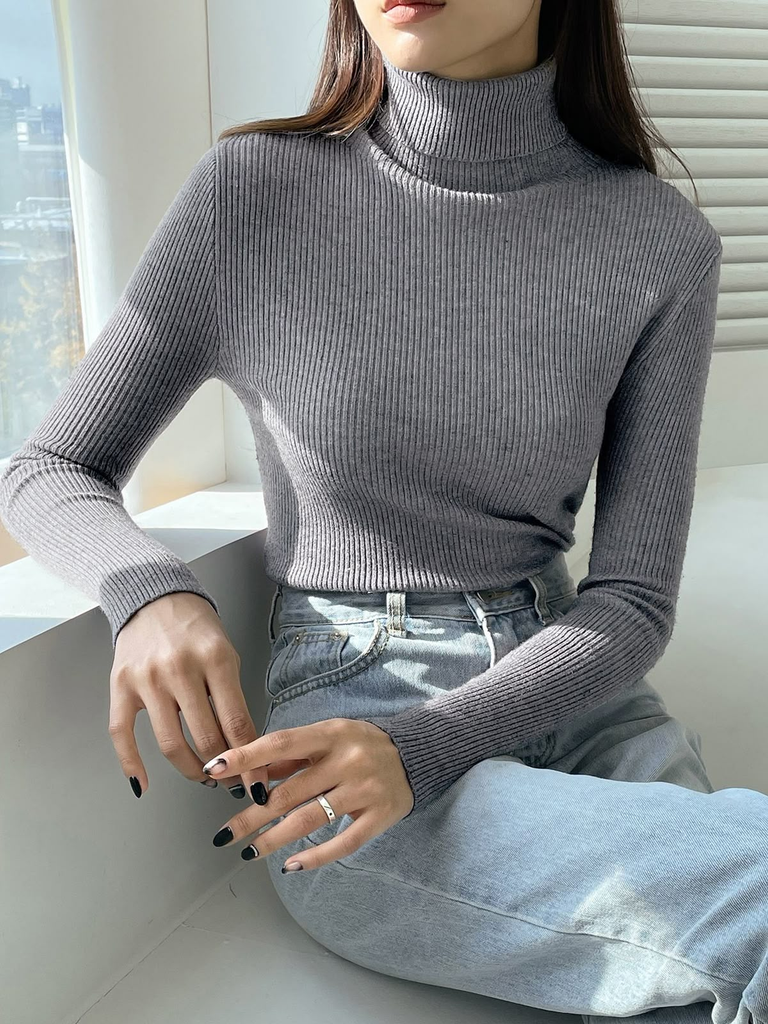
A lightweight turtleneck is useful when you want more warmth than a T-shirt provides but don’t want a bulky sweater beneath your jacket.
Black, cream, charcoal, and chocolate brown are all good choices. You can wear a turtleneck with jeans, tailored trousers, a midi skirt, or a blazer, and it can serve as a comfortable base layer under a coat.
For a polished outfit, pair a black turtleneck with charcoal trousers and loafers. For a softer combination, try a cream turtleneck with dark denim and a camel coat.
If you don’t enjoy high necklines, a mock-neck top provides a similar effect with less fabric around the neck. There is no reason to buy a turtleneck that makes you uncomfortable just because it appears on a capsule wardrobe list.
Check the fabric carefully, particularly if you plan to wear it beneath jackets. A fine knit usually layers more smoothly than a thick ribbed style.
Pro tip: Try the top beneath your favorite blazer before removing the tags. If the sleeves bunch or the neckline feels restrictive, choose a different cut.
18. A Burgundy Handbag or Another Seasonal Accent

Accessories are where I’d allow myself a little more personality. Your core wardrobe can be simple, but a single rich color or interesting texture makes familiar outfits feel fresh.
For fall 2026, a burgundy handbag is an easy accent to work into a wardrobe built around cream, navy, denim, gray, and chocolate brown. If burgundy isn’t your style, consider a deep green bag, a patterned scarf, or a pair of distinctive earrings instead.
I prefer accessories that work with several outfits rather than pieces that look good with only one specific combination. A medium-sized bag with enough room for everyday essentials is usually more useful than a tiny bag that cannot hold what you need.
You can also use accessories to transition between casual and polished outfits. A leather belt and structured handbag make jeans and a sweater look more finished, while a scarf adds color and texture to a simple coat.
Pro tip: Before purchasing a seasonal accessory, identify three outfits it will improve. If you can only think of one, it may be a fun occasional purchase rather than a capsule essential.
19. A Belt That Pulls Your Outfits Together
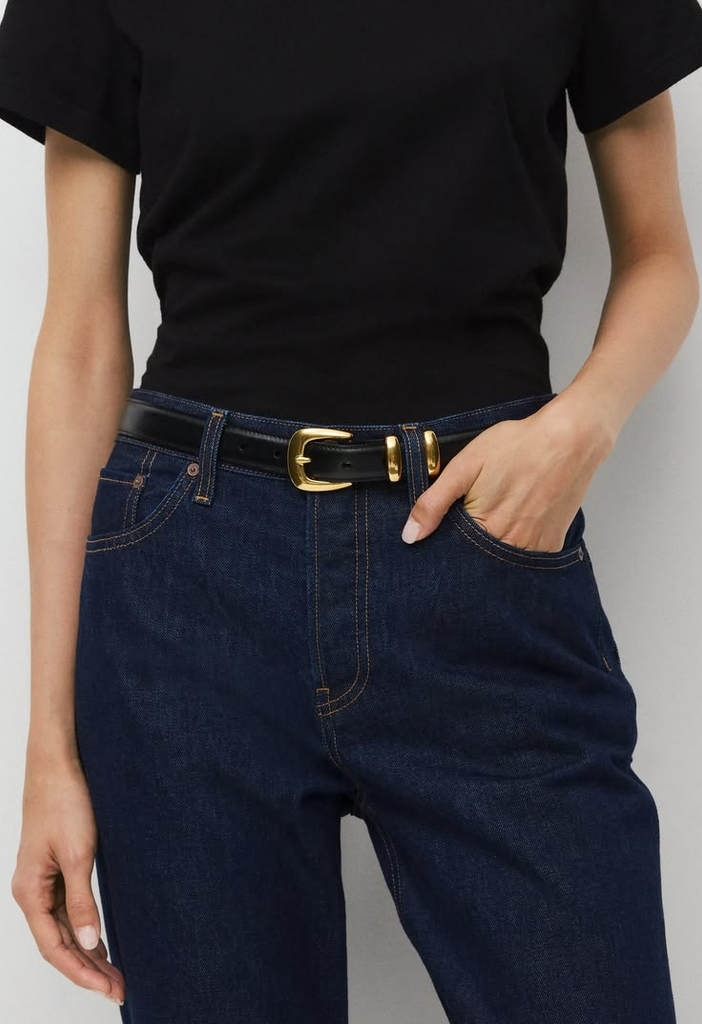
A belt is a small purchase that can make several outfits look more intentional. It adds definition to jeans, tailored trousers, and some dresses, and it can connect the colors of your shoes and handbag.
For a basic capsule wardrobe, I’d start with one black or dark-brown belt. Choose a simple buckle that suits the jewelry and accessories you already wear.
Wear it with straight-leg jeans and a tucked-in white shirt, or use it to define the waist of tailored trousers. You can also add a belt over a dress or longer cardigan if the fabric and shape work well with that styling approach.
The width matters. A very wide belt may not fit the loops on your trousers, while an extremely narrow one might disappear beneath a longer top. Check your most-worn pieces before buying.
Pro tip: You don’t have to match your belt, shoes, and handbag perfectly. Coordinating one or two colors is often enough to make an outfit feel cohesive.
20. A Scarf for Color, Texture, and Extra Warmth
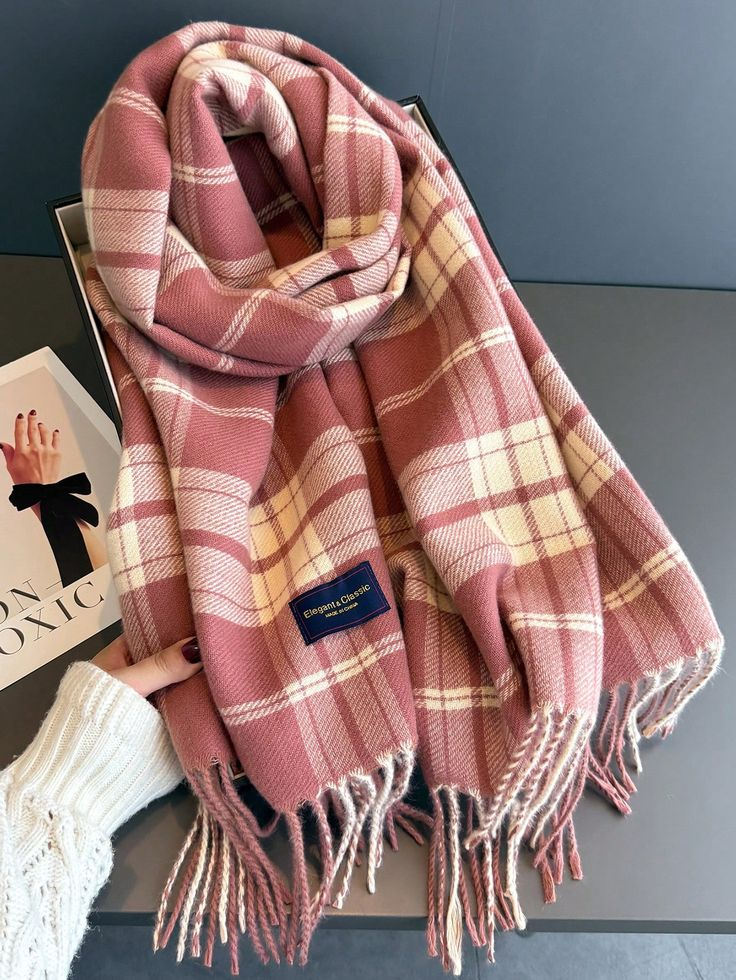
A scarf can extend the usefulness of a lightweight coat and add color to an otherwise neutral outfit.
For a versatile fall wardrobe, I’d look at plaid, subtle stripes, or solid colors that work with your existing outerwear. A burgundy scarf can brighten a camel coat, while a cream or gray scarf works with black, navy, and brown jackets.
You can wear a scarf loosely around your neck, wrap it more securely on windy days, or drape it over your shoulders indoors. The styling doesn’t need to be complicated.
Fabric is worth considering here. Wool and other insulating materials can provide useful warmth, while lighter cotton blends may be more comfortable in mild climates. If you have sensitive skin, check the texture before buying.
Pro tip: If you’re unsure which color to choose, select a scarf that includes at least two shades already present in your wardrobe. It will be easier to coordinate than a color that has no connection to your other clothes.
How to Build a Fall 2026 Capsule Wardrobe on a Budget
You do not need to spend a lot of money to create a wardrobe that looks coordinated. In fact, I would rather see someone buy a few well-fitting pieces they wear constantly than spend the same amount on a large haul of clothes that don’t work together.
The best way to save money is to shop in a specific order. Start with the items that solve your biggest wardrobe problems, then add the pieces that create more outfit combinations.
Shop your closet before shopping online
Take everything out of your closet that you might realistically wear during fall. You don’t need to reorganize your entire home; simply gather the clothes you use during this season.
Create three piles:
- Keep and wear: Pieces that fit well, feel comfortable, and work with your lifestyle.
- Repair or adjust: Items that need a missing button, minor alteration, or simple repair.
- Consider replacing: Pieces that no longer fit your needs or are worn beyond practical use.
Then identify the gaps. Perhaps you have plenty of sweaters but no trousers that fit comfortably. Maybe you own several jackets but lack shoes suitable for rainy weather.
This approach helps you avoid buying another version of something you already own.
A sample fall capsule wardrobe budget
These are illustrative spending ranges, not current retailer quotes. Your actual budget will depend on your location, preferred brands, fabric choices, and whether you shop new, secondhand, or from your existing closet.
| Budget level | Suggested approach | Best for |
|---|---|---|
| Under $100 | Shop your closet, thrift, repair, and add one or two essentials | Refreshing an existing wardrobe |
| $100–$250 | Prioritize versatile basics and one useful layer | Filling several practical gaps |
| $250–$500 | Add better-quality footwear, outerwear, and knitwear as needed | Building a more complete seasonal wardrobe |
| $500+ | Focus on fit, fabric, tailoring, and carefully selected investment pieces | Replacing several frequently worn items |
You do not need to spend within these ranges to create a successful capsule. If you already own suitable jeans, sweaters, and a coat, your spending may be close to zero.
Where I’d spend more and where I’d save
I’d generally prioritize comfortable shoes, a practical coat, well-fitting trousers, and frequently worn knitwear. These pieces have a direct impact on how often you can wear an outfit and how comfortable you feel.
I’d be more cautious about spending heavily on trend-specific tops, novelty accessories, and pieces that only work with one outfit. Those items can be fun, but they shouldn’t consume the budget you need for everyday essentials.
Secondhand shopping can also be useful for blazers, wool coats, and leather accessories. Check seams, linings, zippers, fabric wear, and cleaning requirements before buying.
Pro tip: Set aside a small amount for alterations. A modest hem adjustment can sometimes make an inexpensive pair of trousers look much better than a more expensive pair that doesn’t fit properly.
What to Buy First: A Practical Fall Capsule Shopping List
If you’re starting from scratch, I’d avoid buying all 20 pieces at once. Build the wardrobe in stages so you can see what you actually wear.
Here’s the order I’d follow.
Fall shopping checklist
0 of 8
Straight-leg jeans
Choose a wash that works with your existing tops.
White or cream T-shirt
Look for a comfortable fabric and neckline.
Versatile sweater
Camel, cream, gray, or your favorite accent shade.
Comfortable everyday shoes
Loafers, sneakers, or ankle boots suited to your routine.
Tailored trousers
Pick a color that coordinates with your knitwear.
Layering jacket or blazer
Choose the option that fills a real wardrobe gap.
Weather-appropriate coat
Prioritize warmth, rain protection, or both as needed.
Accessories
Add a belt, scarf, or bag only if it improves several outfits.
Copy shopping checklist
You can use this list to check what you already own before adding anything to your shopping cart.
I would start with jeans, a basic top, a sweater, and shoes that work together. Then I’d add a jacket and trousers. Once those pieces are in place, you’ll probably discover that you already have enough clothing for several weeks of outfits.
How to Create More Outfits From Fewer Clothes
The secret to a useful capsule wardrobe isn’t simply owning versatile pieces. It’s knowing how to combine them.
One way to do that is to choose a few outfit formulas and repeat them with different colors, shoes, and accessories. You don’t need to invent a completely new look every morning.
Here are some combinations I’d use throughout fall:
| Outfit formula | Best occasion | Easy variation |
|---|---|---|
| Jeans + white shirt + loafers | Casual workday | Add a blazer |
| Dark jeans + camel sweater + boots | Everyday errands | Add a trench coat |
| Tailored trousers + T-shirt + blazer | Meetings or lunch | Switch to a fine knit |
| Knit set + sneakers + long coat | Travel or casual days | Wear the sweater with jeans |
| Midi skirt + relaxed sweater + boots | Dinner or weekend plans | Add a structured handbag |
| Knit dress + ankle boots + coat | Easy everyday dressing | Add a belt or scarf |
| Wide-leg jeans + fitted knit + loafers | Casual outings | Add a cardigan |
Notice that the same items appear more than once. That is intentional. If your sweater works with jeans, trousers, and a skirt, it earns its place in the wardrobe.
Try the three-outfit test
Before purchasing anything new, try to style it three different ways with clothes you already own.
For example, a cream sweater might work with dark denim, charcoal trousers, and an olive midi skirt. If you can create those combinations without buying extra pieces, it’s probably a useful addition.
If an item requires special shoes, a specific bag, and another new top before you can wear it, reconsider whether you need it right now.
Pro tip: Photograph outfits you like before putting them away. A small album on your phone can save time on rushed mornings, especially when several pieces are interchangeable.
How to Transition Your Capsule Wardrobe From Early Fall to Late Fall
One reason I like a capsule wardrobe is that you don’t need to replace everything when the weather changes. You can keep the same basic pieces and adjust your layers.
Early fall: Lightweight layers
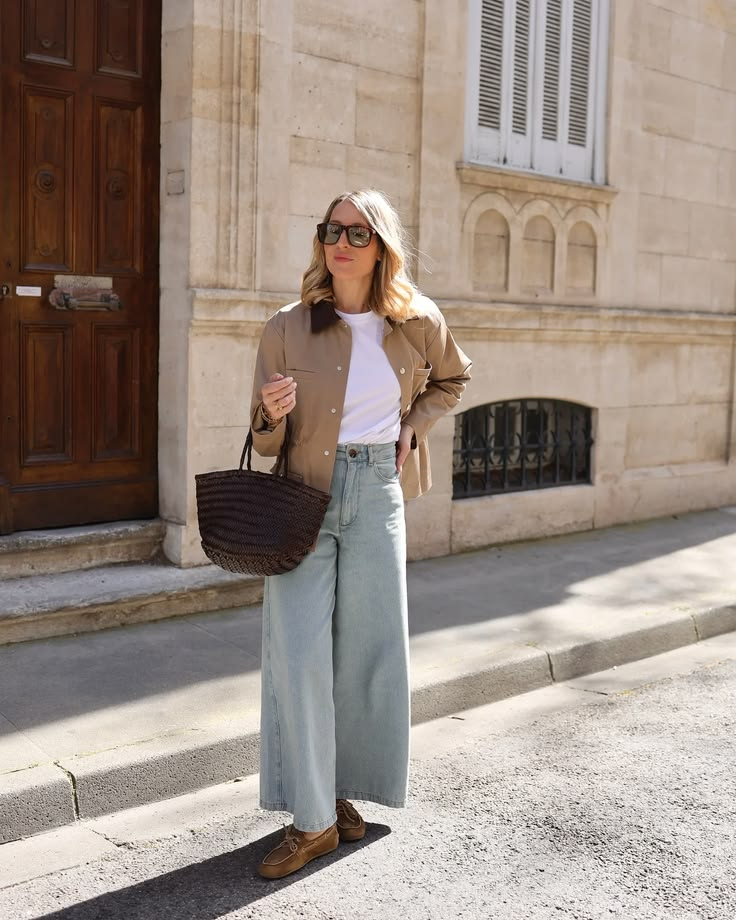
When the weather is still mild, focus on T-shirts, button-down shirts, lightweight knitwear, jeans, and a trench coat.
You may not need a heavy wool coat yet. A cardigan or blazer can provide enough warmth for cooler mornings without making you uncomfortable during the afternoon.
Mid-fall: Add richer textures
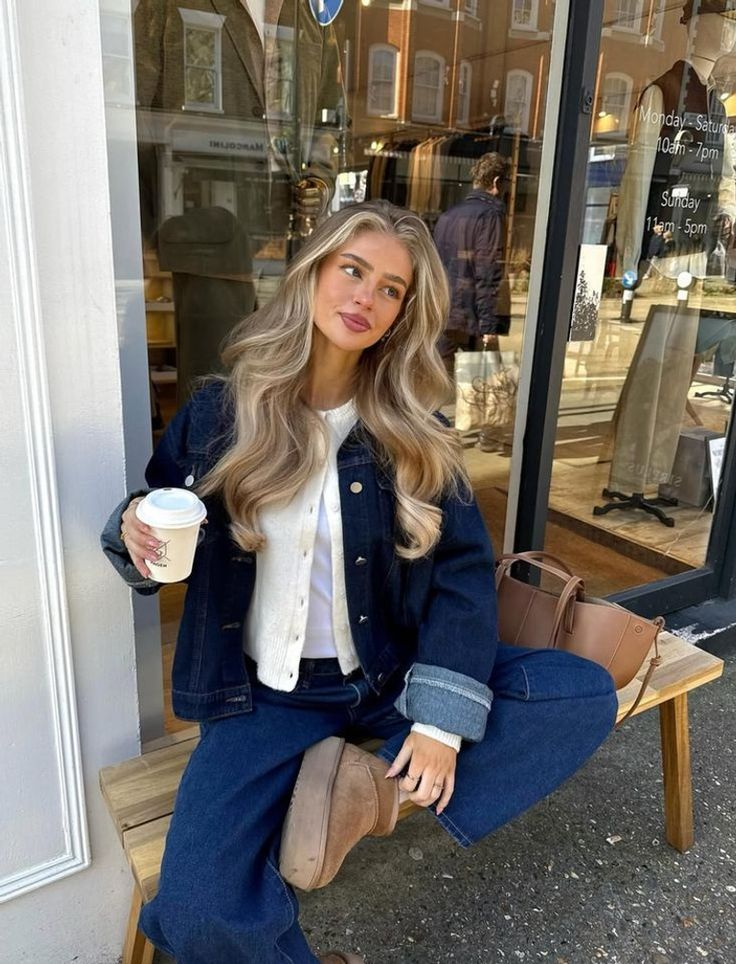
As temperatures drop, introduce thicker sweaters, long-sleeve tops, ankle boots, and more substantial jackets.
This is also a good time to rotate in richer accent colors, such as burgundy, olive, and chocolate brown. You can make the wardrobe feel seasonal without buying an entirely new collection.
Late fall: Focus on warmth and layering

For colder days, add thermal base layers where appropriate, warmer socks, a heavier coat, and shoes with suitable traction.
Pay attention to the space between layers. A fine-knit top beneath a sweater and coat may be more comfortable than wearing several bulky pieces that restrict movement.
If your climate remains warm through much of autumn, your capsule may look different. You might use lightweight cotton shirts, linen-blend trousers, and a single cardigan instead of heavy knitwear.
Pro tip: Store only genuinely out-of-season pieces elsewhere. If your weather changes unpredictably, keep one lightweight layer accessible even after you bring out the warmer clothes.
How to Care for Your Fall Capsule Wardrobe
A capsule wardrobe works best when the pieces remain in good condition. Since you’re wearing the same items more frequently, basic clothing care makes a noticeable difference.
Wash knitwear carefully

Follow the care label rather than assuming every sweater can go in the washing machine. Some fabrics need a delicate cycle or hand washing, while others require special care.
Avoid hanging heavy knitwear for long periods if the weight stretches the shoulders. Folding it is generally a better option.
Protect your shoes

Clean dirt and moisture from boots and loafers according to their materials. Allow wet shoes to dry naturally, and avoid storing them while damp.
If you wear leather footwear frequently, suitable conditioning and basic maintenance can help keep it looking presentable.
Repair small problems early
A loose button, tiny seam opening, or worn heel is easier to address before the damage becomes more significant. I would keep a small sewing kit and check frequently worn pieces occasionally.
Store clothes properly
Use appropriate hangers for blazers and coats, and avoid cramming everything into a crowded closet. When clothes have enough space, they’re easier to see and less likely to become unnecessarily wrinkled.
Pro tip: At the end of the season, make a quick note of the pieces you wore most and the items you repeatedly avoided. That information will help you build a better capsule next year without repeating expensive mistakes.
Common Fall Capsule Wardrobe Mistakes to Avoid
Even a well-planned capsule can become frustrating if you focus on the wrong things. Here are the mistakes I’d watch for.
Buying pieces for an imaginary lifestyle
It’s easy to purchase beautiful workwear when most of your days involve errands, home life, or casual meetings. The reverse is also true: a wardrobe full of casual clothes won’t help much if your workplace requires more formal outfits.
Build your capsule around what you actually do during the week.
Choosing a color palette you don’t enjoy wearing
A wardrobe doesn’t need to be entirely beige, black, and white to be versatile. If you love blue, green, red, or purple, use those colors.
The important thing is choosing shades that coordinate well enough to create multiple outfits.
Buying too many trendy pieces
Trends can be enjoyable, but they shouldn’t replace practical essentials. If a particular cut of jeans or a bold accessory appeals to you, try incorporating one piece rather than rebuilding the entire wardrobe around it.
Ignoring fit and comfort
A beautiful outfit won’t become a favorite if the waistband pinches, the sleeves restrict movement, or the shoes hurt after an hour.
Comfort doesn’t mean sacrificing style. It means choosing clothes that work with your body and your daily routine.
Assuming every item must be expensive
A capsule wardrobe is about thoughtful coordination, not a minimum price per garment. You can mix affordable basics, secondhand finds, existing favorites, and a few higher-quality purchases.
The most useful wardrobe is the one you can afford to maintain and enjoy wearing.
Frequently Asked Questions About a Fall 2026 Capsule Wardrobe
1. What are the essentials for a Fall 2026 capsule wardrobe?
I’d start with straight-leg jeans, a white or cream T-shirt, a versatile sweater, tailored trousers, comfortable everyday shoes, a layering jacket, and a coat suited to your climate. A cardigan, midi skirt, knit dress, and a few accessories can add more outfit options.
You don’t need to buy everything at once. Begin with the pieces that fill the biggest gaps in your existing wardrobe.
2. What colors should I choose for a fall capsule wardrobe in 2026?
Camel, cream, chocolate brown, navy, charcoal, and denim are versatile foundations. Burgundy, olive, plum, and rust can add seasonal color.
Choose two or three base colors and a couple of accents that suit your personal taste. The best palette is one that works with the clothes you already own.
3. How much does a fall capsule wardrobe cost?
The cost depends on how much you already own, where you shop, and the quality of the items you choose. You may need only a small amount for one or two missing essentials, while a complete wardrobe replacement can cost considerably more.
I recommend setting a budget first, shopping your closet, and buying only the items that create several new outfit combinations.
4. Can I build a fall capsule wardrobe for work and weekends?
Absolutely. The key is choosing pieces that cross between occasions. Tailored trousers, a blazer, a simple T-shirt, a cardigan, dark denim, and loafers can work in several combinations.
You can make the same pieces feel more formal with structured bags and polished shoes or more casual with sneakers and relaxed layers.
5. How do I make a small fall wardrobe look different every day?
Use repeatable outfit formulas and change the combinations. Wear a sweater with jeans one day and trousers the next, or layer a blazer over a T-shirt instead of wearing a cardigan.
Accessories, footwear, and outerwear can also change the overall feel of an outfit without requiring more clothing.
Conclusion
If I were building my Fall 2026 capsule wardrobe from scratch, I’d start with the clothes I already reach for, then fill the gaps with a few pieces that work together.
I’d prioritize comfortable jeans, a great sweater, versatile shoes, and a coat suited to my weather before spending money on extra accessories or trend-driven items.
You don’t need a closet full of new clothes to dress well this fall. A thoughtful color palette, a few dependable outfit formulas, and pieces that fit your actual lifestyle can make getting dressed much easier.
Start with one outfit you already love, find three ways to wear its individual pieces, and build from there. That’s a much more practical way to create a fall wardrobe you’ll enjoy wearing throughout the season.