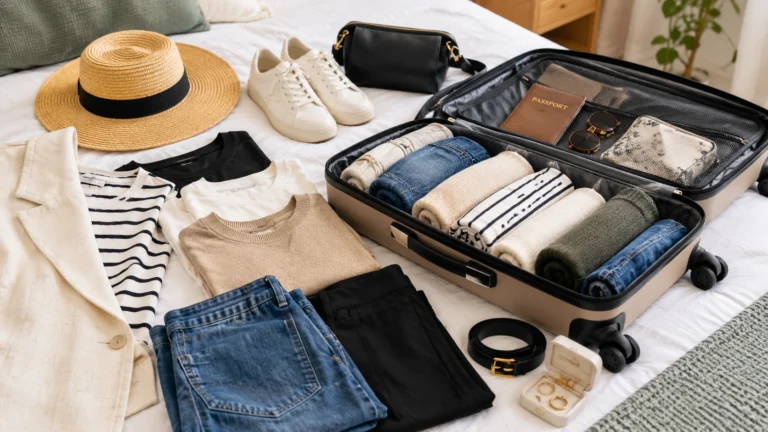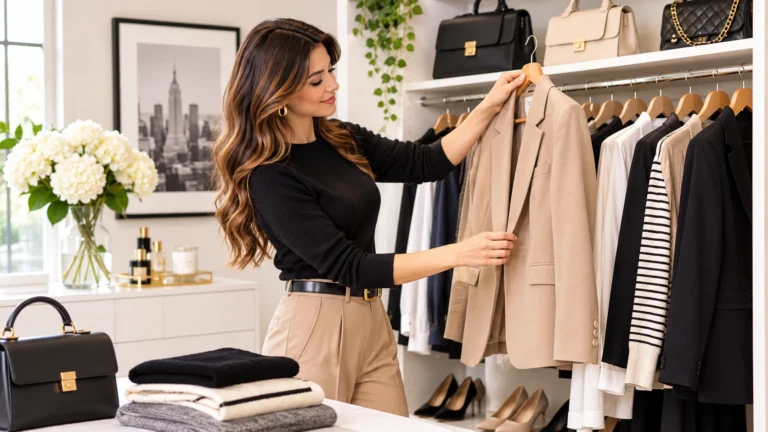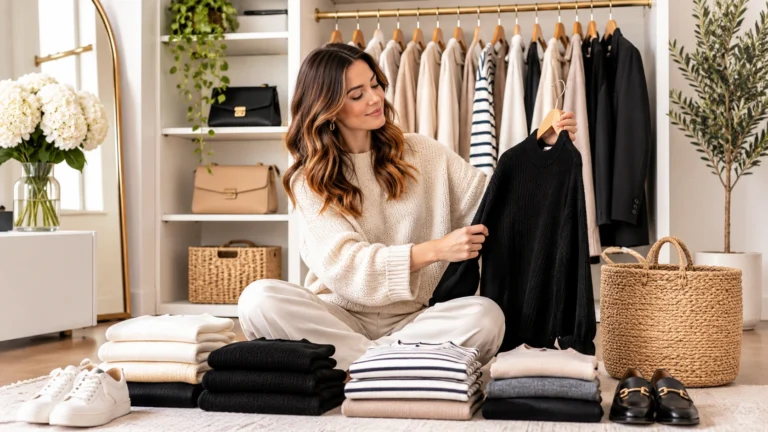
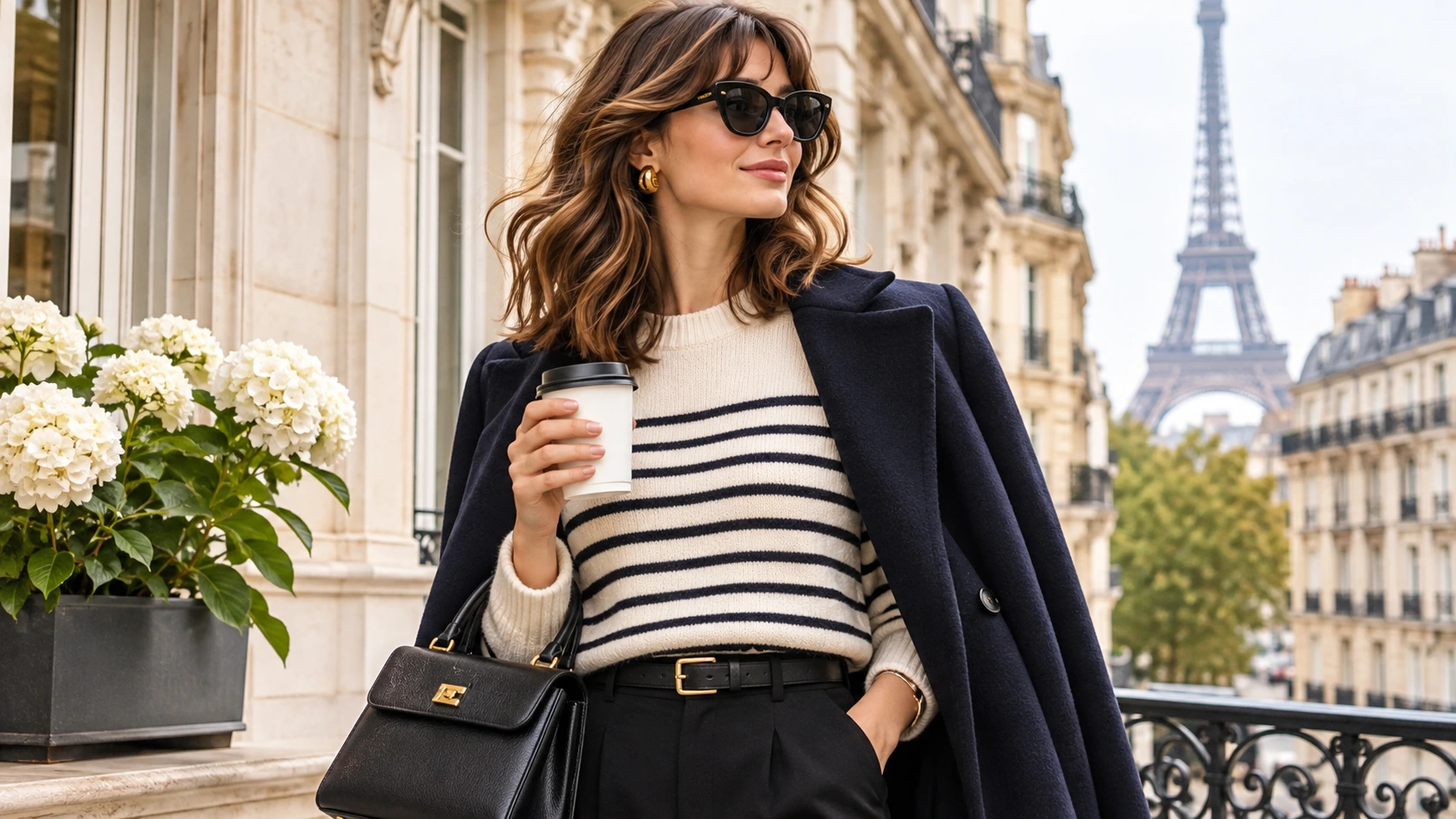

I think the secret to French style isn’t owning a closet full of expensive designer clothes. It’s knowing how to make a few well-chosen pieces work together so you can get dressed in the morning without standing in front of your wardrobe for 20 minutes wondering what looks right.
A great pair of straight-leg jeans, a crisp white shirt, a well-fitting blazer, and comfortable leather flats can take you further than a wardrobe full of trendy pieces you only wear once.
That’s exactly why I love the idea of a French capsule wardrobe. Instead of buying something new every time the seasons change, you build a small collection of versatile clothes that fit your lifestyle, flatter your shape, and feel like you.
French-inspired dressing is often associated with neutral colors, classic silhouettes, understated accessories, and a little bit of imperfection that makes an outfit look natural rather than overly styled.
You don’t need to live in Paris, spend hundreds of dollars on a handbag, or replace your entire closet to achieve this look. In this guide, I’ll walk you through the essential pieces, the colors worth investing in, outfit combinations you can actually wear, and the practical shopping decisions that help you create a wardrobe you’ll use for years.
1. What Is a French Capsule Wardrobe?
A French capsule wardrobe is a thoughtfully edited collection of clothing built around versatile basics, timeless silhouettes, and a few personal statement pieces. Most items work together, which means you can create multiple outfits without needing dozens of separate garments.
The French-inspired approach is less about following a strict uniform and more about buying clothes intentionally. You might wear the same jeans three times in one week, but change your shirt, shoes, jacket, and accessories to make each outfit feel different.
I also think it’s important to separate the fantasy from real life. Not every French woman dresses in beige trench coats and striped shirts, and there isn’t one official French wardrobe formula. The aesthetic we’re talking about is a style approach inspired by classic Parisian fashion: polished, understated, comfortable, and personal.
The Principles Behind French Girl Style
- Quality over quantity: Choose pieces that fit properly and hold up to regular wear.
- Versatility: Your tops should work with several bottoms, and your outerwear should complement most of your wardrobe.
- A restrained color palette: Neutrals make mixing and matching much easier.
- Comfortable elegance: Clothes should look intentional without making you feel uncomfortable.
- Personal details: A favorite necklace, red lipstick, vintage scarf, or interesting pair of shoes keeps simple outfits from looking generic.
The goal isn’t to make every outfit look expensive. It’s to make getting dressed feel easier while developing a style you genuinely enjoy.
2. Start With a Classic White Button-Down Shirt
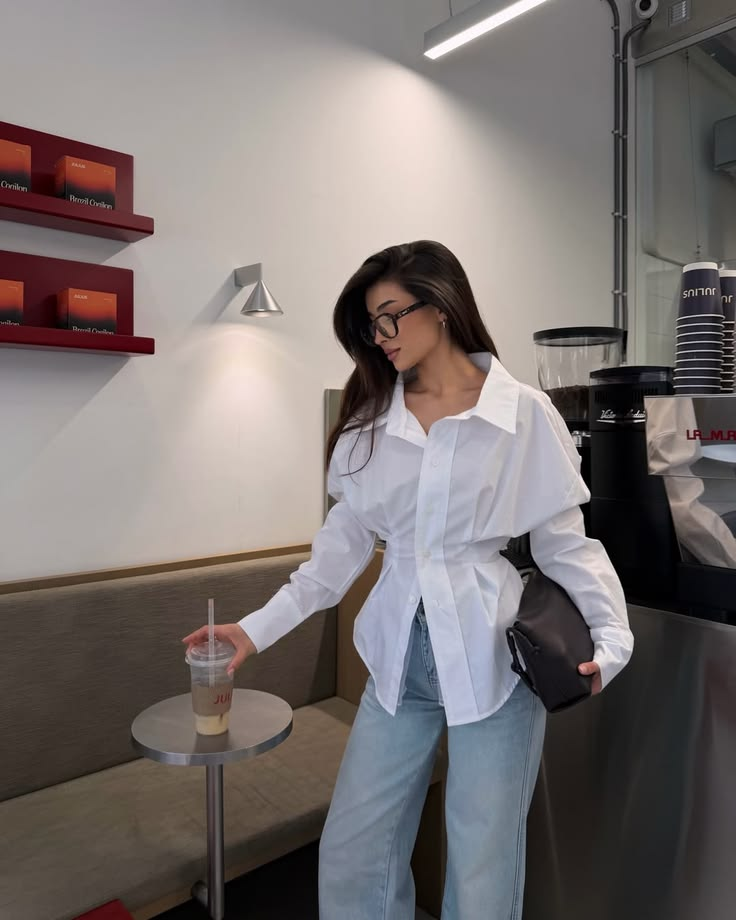
A white button-down shirt is one of the most useful pieces in a French capsule wardrobe because it can look relaxed, professional, or dressed up depending on how you wear it.
I would look for a shirt with enough room through the shoulders and chest to move comfortably without becoming oversized to the point that it overwhelms your frame. Cotton poplin gives you a crisp, structured look, while a softer cotton blend creates a more relaxed appearance.
Here’s how I’d wear it:
- With straight-leg jeans and ballet flats for everyday errands.
- Tucked into tailored trousers for a smart casual outfit.
- Open over a fitted tank top and linen shorts during warm weather.
- Under a navy blazer for a simple office look.
- With a midi skirt and leather sandals for lunch or a casual dinner.
My practical tip: Pay attention to transparency before buying. A white shirt that looks opaque under fitting-room lighting may become see-through in daylight. Hold it against a window or check it under bright lighting, and consider wearing a neutral-toned camisole underneath.
You don’t need three nearly identical white shirts. Start with one that fits beautifully, then add another only if you discover you need a different fabric or level of formality.
3. Invest in Straight-Leg Jeans That Fit Properly

Denim is an everyday staple in French-inspired outfits, but the fit matters much more than the label. Straight-leg jeans are especially useful because they work with fitted tops, loose shirts, blazers, knitwear, and almost every shoe style.
For a classic capsule wardrobe, I’d start with dark indigo or medium-blue denim without excessive distressing. These washes tend to be easier to dress up than heavily ripped or faded jeans.
When shopping, check three things: the waistband should sit comfortably without digging in, the fabric shouldn’t pull awkwardly across the hips, and the hem should work with the shoes you wear most often.
How to Style French Capsule Wardrobe Jeans
For a casual day: Wear straight-leg jeans with a striped shirt, white sneakers, and a canvas tote.
For a polished everyday outfit: Combine dark-wash denim with a cream sweater, a camel coat, and loafers.
For dinner: Add a black fitted top, a tailored blazer, small gold earrings, and pointed-toe flats or low heels.
If you have trouble finding jeans that fit perfectly off the rack, don’t overlook alterations. A modest hem adjustment can make an affordable pair look far more intentional.
4. Add a Striped Breton Shirt
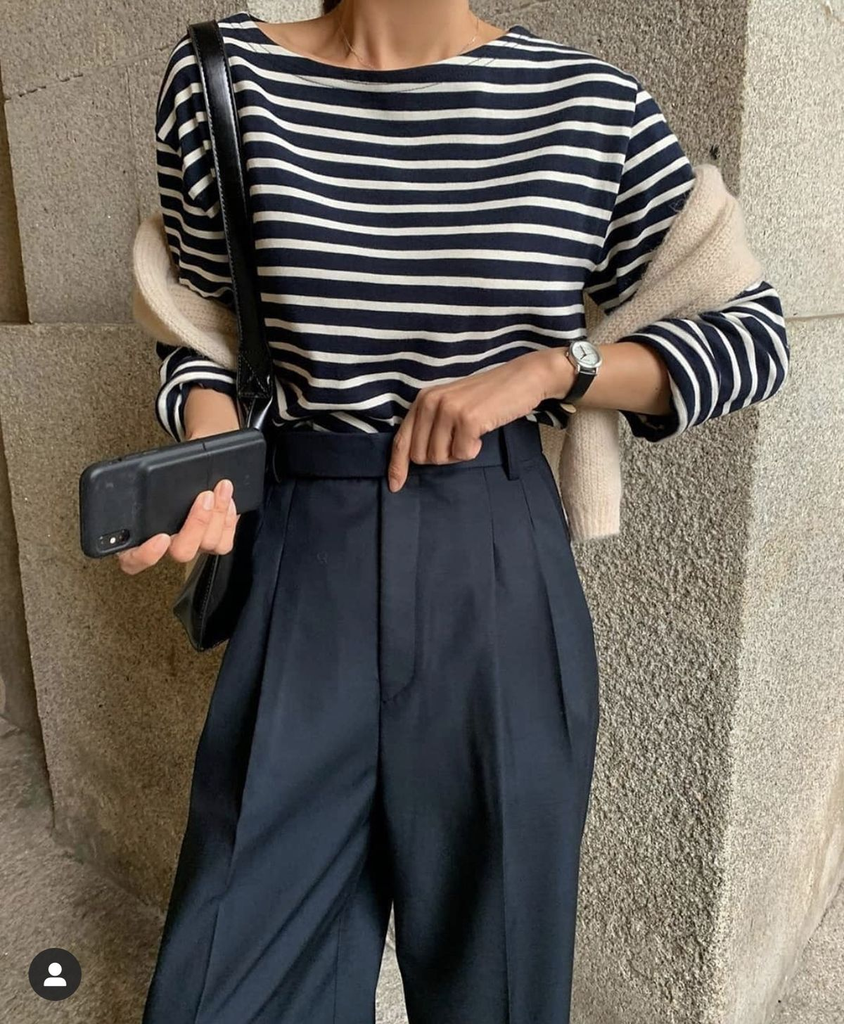
The striped shirt is one of the most recognizable pieces associated with classic French style. Its appeal is simple: it adds visual interest without requiring a complicated outfit.
I prefer a navy-and-white or black-and-cream stripe for a versatile wardrobe. A relaxed cotton version works well with denim, while a finer knit stripe can look more polished with trousers or a skirt.
You can wear it with:
- Blue jeans and white sneakers.
- Cream trousers and tan loafers.
- A navy blazer and dark denim.
- Black ankle-length trousers and ballet flats.
- A simple midi skirt and a lightweight cardigan.
One thing I’d avoid is buying a striped shirt simply because it looks French in a photograph. Check the neckline, sleeve length, and stripe width against your existing clothes. If you prefer solid colors, a striped shirt isn’t mandatory.
A capsule wardrobe should reflect your personal taste, not turn you into a costume version of someone else’s style.
5. Choose a Tailored Blazer
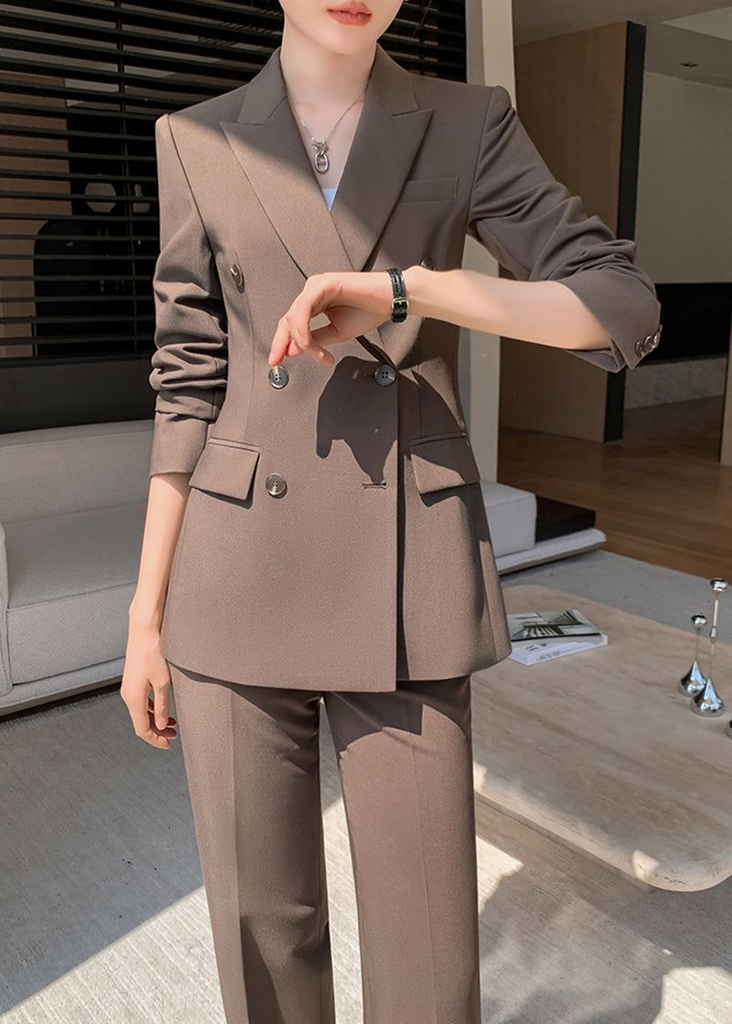
A well-cut blazer is one of the easiest ways to make basic clothing look more polished. It can turn jeans and a T-shirt into an outfit suitable for a casual meeting, lunch with friends, or an evening out.
For maximum versatility, start with navy, black, charcoal, or a warm neutral such as camel. If you already own plenty of dark clothing, a cream blazer may be the more useful addition.
Look for a shoulder line that sits correctly, sleeves that don’t swallow your hands, and enough room to wear a light sweater underneath. You want structure without feeling restricted.
Three Easy Blazer Outfits
- Casual: White T-shirt, straight-leg jeans, blazer, and minimalist sneakers.
- Workwear: Fine-knit top, tailored trousers, loafers, and a structured bag.
- Evening: Black top, dark jeans, blazer, delicate jewelry, and low heels.
My favorite thing about a blazer is that it doesn’t need to be part of a matching suit to be useful. In fact, a blazer you can wear with several unrelated pieces may earn more space in your closet than a formal jacket you use twice a year.
6. Find Your Perfect Neutral Color Palette
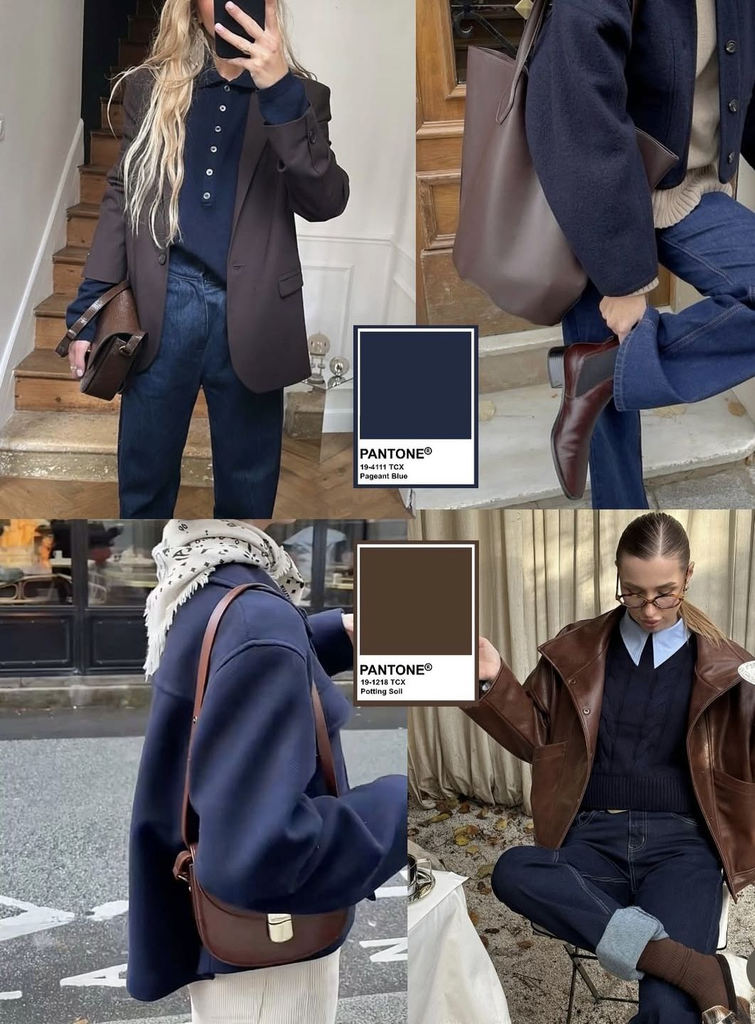
A cohesive color palette is what makes a French capsule wardrobe so easy to mix and match. When your main pieces share a few complementary colors, you spend less time trying to make separate purchases work together.
You don’t have to wear only beige, white, and black. I would choose two or three core neutrals, add one or two softer supporting shades, and finish with a color that makes you happy.
| Color | Best capsule pieces | Styling benefit |
|---|---|---|
| Black | Trousers, tops, flats, bags | Easy for evening and polished outfits |
| Navy | Blazers, knitwear, jeans | A softer alternative to black |
| Cream or ivory | Shirts, sweaters, trousers | Brightens darker combinations |
| Camel | Coats, belts, knitwear | Adds warmth and depth |
| Denim blue | Jeans, casual shirts | Works with most neutrals |
| Burgundy | Sweaters, bags, scarves | Adds color without overwhelming basics |
| Olive green | Jackets, trousers, knitwear | A muted alternative to brighter colors |
How to Choose Colors That Suit You
I wouldn’t automatically buy every piece in beige just because it’s associated with Parisian style. Your best neutrals depend on your complexion, personal preferences, and the colors you already wear.
If warm shades make you look lively, camel, chocolate brown, and creamy ivory may work beautifully. If cooler colors suit you better, consider navy, charcoal, crisp white, and blue-based burgundy.
You can also keep your wardrobe neutral while adding color through accessories. A burgundy handbag, red scarf, or green cardigan can make an otherwise simple outfit feel much more personal.
Pro tip: Before shopping, lay your favorite five tops and five bottoms on your bed. Write down the colors that already appear most often. Build around those instead of purchasing an entirely new palette.
7. Buy a Trench Coat You’ll Wear for Years
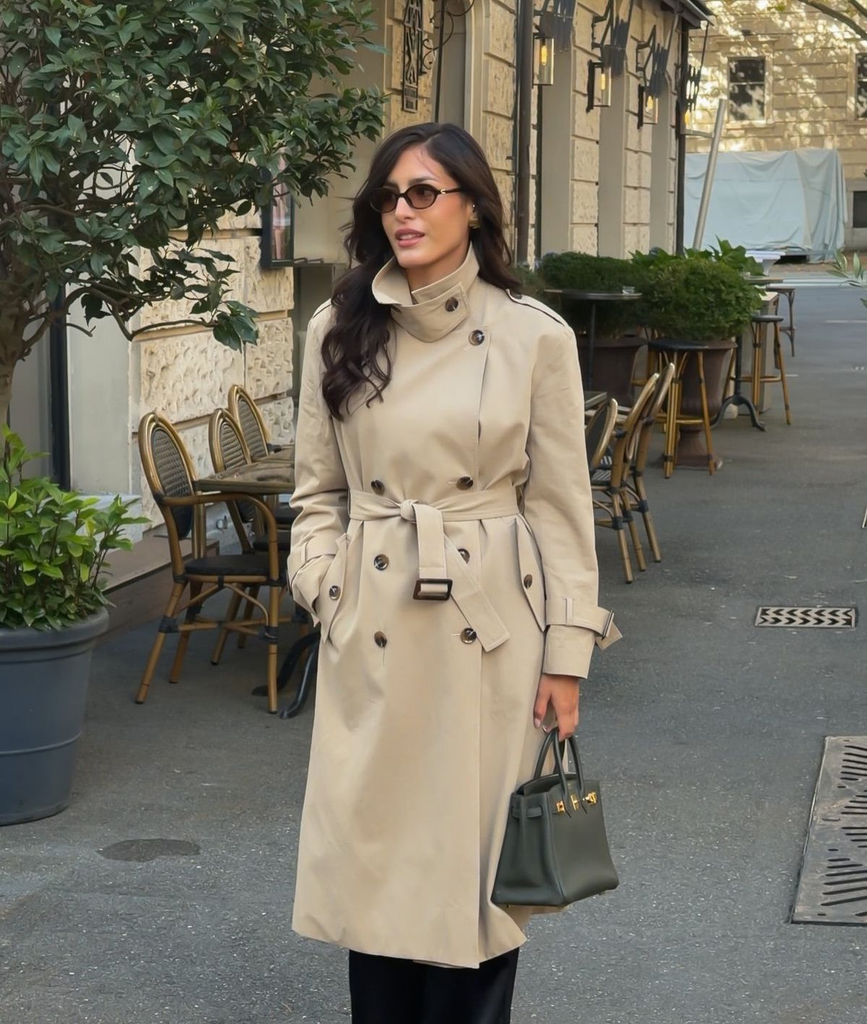
A trench coat is a classic choice for transitional weather because it works over light clothing in spring and adds a polished outer layer in autumn.
A traditional beige trench is versatile, but navy, olive, and black can work just as well. The best choice is the one that complements your existing shoes, bags, and everyday outfits.
When choosing a trench coat, consider the climate where you live. A lightweight cotton-blend version is useful in mild weather, while a lined, water-resistant style is more practical for frequent rain and cooler temperatures. A trench coat is not automatically a warm winter coat, so don’t rely on it alone during freezing weather.
How to Wear a Trench Coat
- With straight-leg jeans, a white shirt, and loafers.
- Over a fine-knit sweater and tailored trousers.
- With a simple dress and ankle boots.
- Over a monochrome outfit with a contrasting handbag.
A coat should also allow enough room for the layers you actually wear. If you usually wear chunky sweaters, test the fit with one before purchasing.
I’d rather own a comfortable trench coat in a slightly less traditional color than an iconic beige one that feels stiff or restrictive every time I put it on.
8. Keep Knitwear Simple and Well-Fitting

French-inspired wardrobes rely heavily on knitwear because sweaters and cardigans provide warmth without making outfits complicated.
Start with a crewneck sweater, a lightweight cardigan, and, if you wear them often, a fine-knit turtleneck. Cream, navy, grey, and camel are useful starting colors.
Natural fibers such as wool, merino wool, and cashmere can be comfortable and long-lasting when cared for properly, but they aren’t the only good options. Cotton knits are useful in milder weather, while washable blends may be more practical if you don’t want to hand-wash delicate garments.
The Knitwear Pieces Worth Considering
A cream crewneck sweater: Wear it with denim, tailored trousers, or a midi skirt.
A navy cardigan: Layer it over a white shirt or wear it buttoned as a top.
A fine black turtleneck: Combine it with a blazer, straight-leg trousers, or a patterned skirt.
A striped knit: Use it as a statement piece with otherwise simple basics.
One purchasing mistake I would avoid is choosing a sweater based only on how soft it feels in the store. Check the care label, inspect the seams, and consider whether you’re willing to maintain the fabric. A beautiful sweater that requires more care than you’re prepared to give it may not be a sensible capsule investment.
9. Choose Tailored Trousers for More Than Work

A French capsule wardrobe shouldn’t consist entirely of jeans and casual tops. Tailored trousers give you another option when you want to look polished without wearing a dress.
Black, charcoal, navy, and chocolate brown are useful choices. A straight or slightly wide leg can work with fitted tops, relaxed shirts, fine-knit sweaters, and blazers.
The most important detail is proportion. If your trousers have a wider leg, you might prefer a tucked-in shirt or a shorter jacket to create definition. If you like longer, looser tops, choose trousers with enough structure and drape to balance the outfit.
Outfit Combinations to Try
- Black trousers, a white T-shirt, and loafers.
- Cream trousers, a navy sweater, and brown leather flats.
- Charcoal trousers, a striped shirt, and a black blazer.
- Wide-leg trousers, a fitted knit top, and minimalist sneakers.
You don’t need expensive designer trousers to get a good result. Focus on the fit at the waist, the way the fabric falls over your hips, and the length relative to your everyday footwear.
If you find a pair that fits well but is slightly too long, alterations can be worthwhile. Just bring the shoes you plan to wear most often so the hem is adjusted to the right length.
10. Build Your Shoe Collection Around Everyday Comfort
Shoes influence the entire mood of an outfit. They can make the same jeans and shirt look casual, professional, or evening-ready.
For a French-inspired capsule wardrobe, I’d begin with two or three pairs that match your lifestyle rather than buying every classic style at once.
Ballet Flats
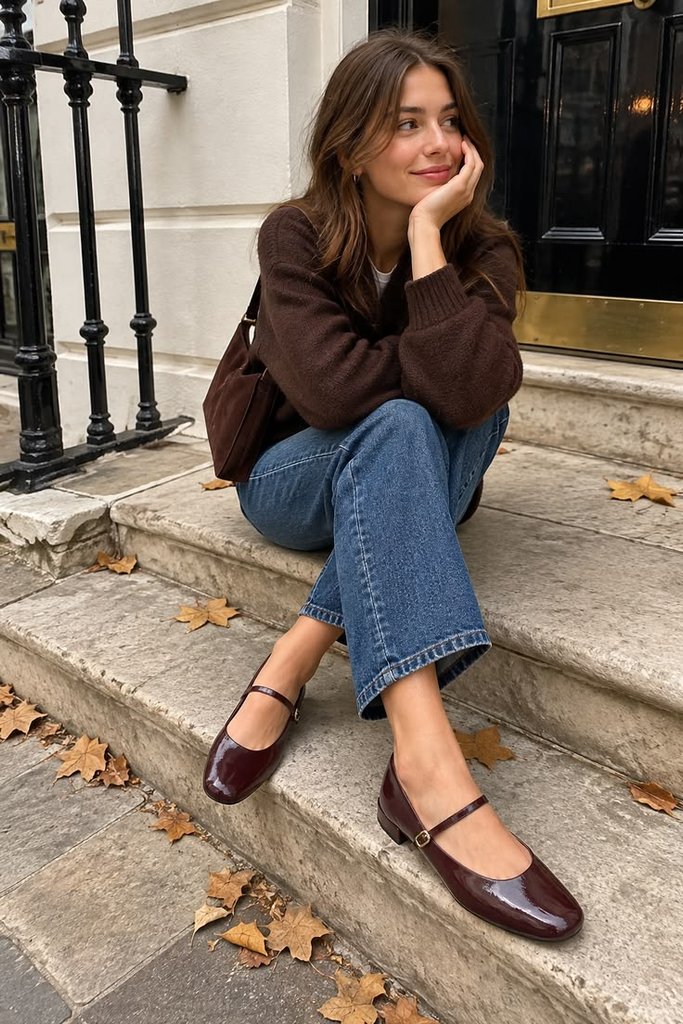
Ballet flats are an easy option with jeans, ankle-length trousers, and dresses. Black is a classic starting point, while burgundy or tan can add variety.
Look for cushioning, a secure fit, and enough support for your usual walking distance. A beautiful pair that slips off your heels after ten minutes isn’t a practical investment.
Leather Loafers

Loafers are ideal if you want a polished alternative to sneakers. They work with jeans, trousers, skirts, and many office outfits.
Black and dark brown are versatile choices. If you walk frequently, test the sole flexibility and check whether the heel rubs before committing to a pair.
Minimalist Sneakers

White or off-white sneakers make tailored pieces feel relaxed. They work particularly well with straight-leg jeans, trench coats, and simple dresses.
Choose a style you can keep clean without too much effort. If you live somewhere dusty or rainy, a cream or light-grey sneaker might be easier to maintain than bright white.
Ankle Boots
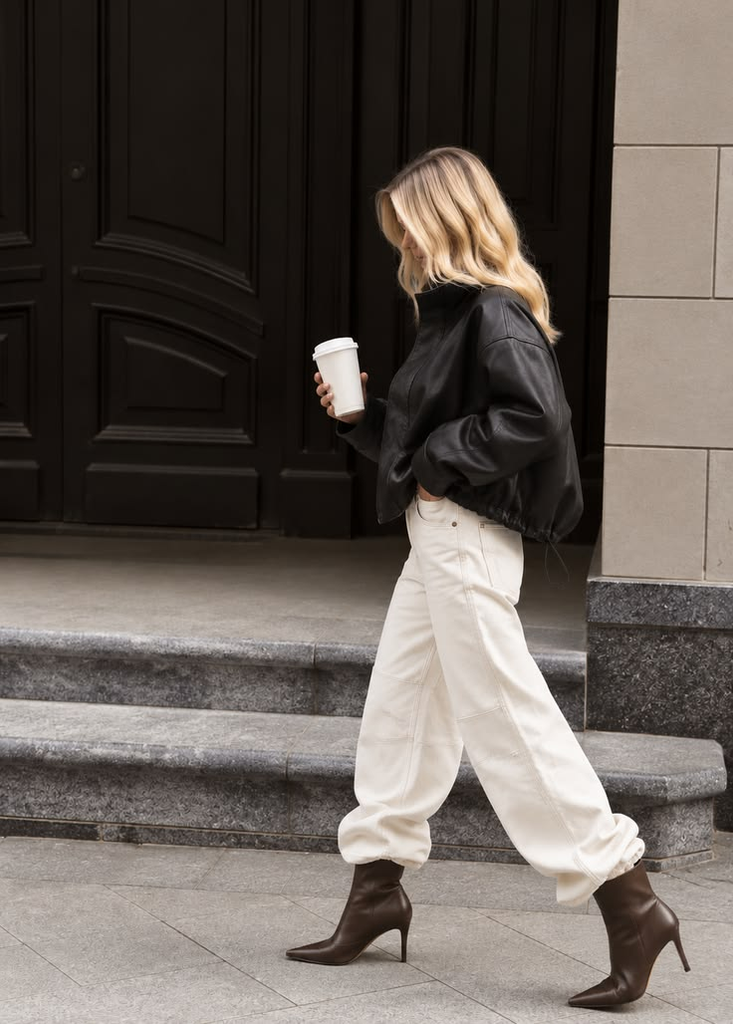
A simple black or brown ankle boot is useful in cooler weather. A low, stable heel is often more practical for daily wear than a very high one.
The best starting point depends on your climate. If your winters are mild, you may need only one versatile pair; if they’re cold and wet, weather protection should take priority over appearance.
11. Add a Structured Handbag and a Few Thoughtful Accessories
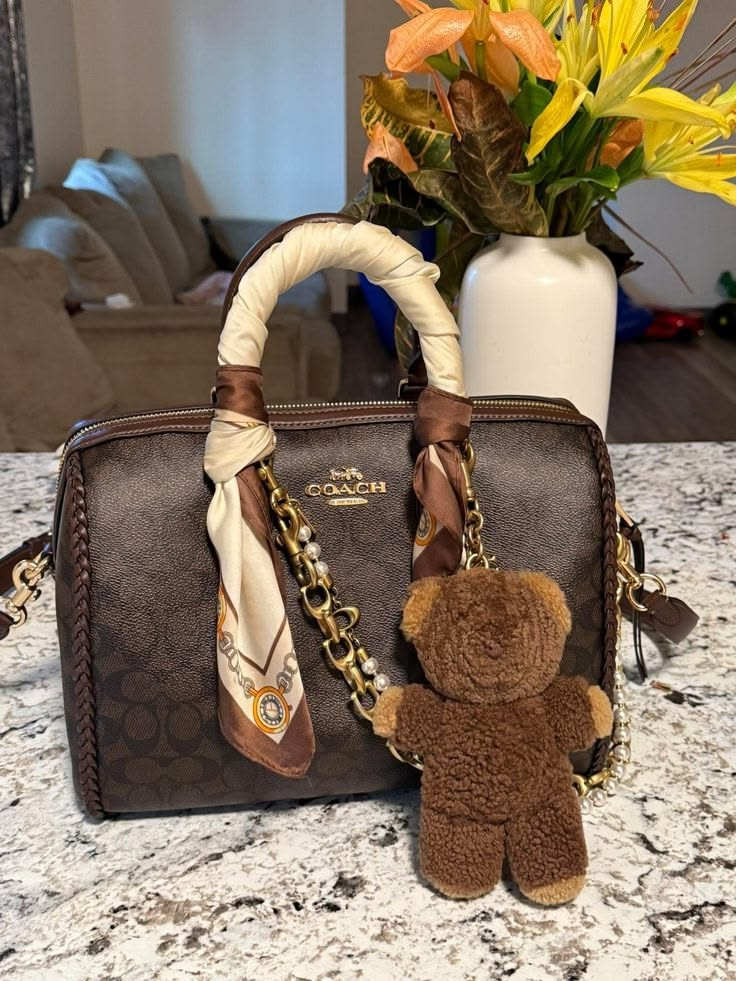
Accessories are where a neutral capsule wardrobe can become distinctly yours. You don’t need a shelf full of handbags or a jewelry box filled with pieces you rarely wear.
Start with a medium-sized everyday bag that fits your essentials, a smaller option for evenings, and a belt if you regularly wear tucked-in tops or trousers with belt loops.
For jewelry, a pair of simple hoops, a delicate necklace, and a classic watch can work with almost everything. If you prefer silver jewelry, wear silver. If you love colorful earrings, let them be the statement.
The Accessories I’d Prioritize
- A practical everyday handbag in black, brown, or another wardrobe-friendly shade.
- A slim leather belt that works with your jeans and trousers.
- Small earrings or hoops you can wear regularly.
- A silk or satin scarf for adding color and pattern.
- Sunglasses that suit your face and feel comfortable.
- A simple watch or piece of jewelry with personal meaning.
I would spend more time checking the quality of a bag’s straps, zippers, lining, and weight than worrying about whether it carries a recognizable logo. A handbag you can comfortably use several days a week is often a better purchase than a fashionable one that spends most of its life in the closet.
12. Create a Small Collection of Dresses and Skirts
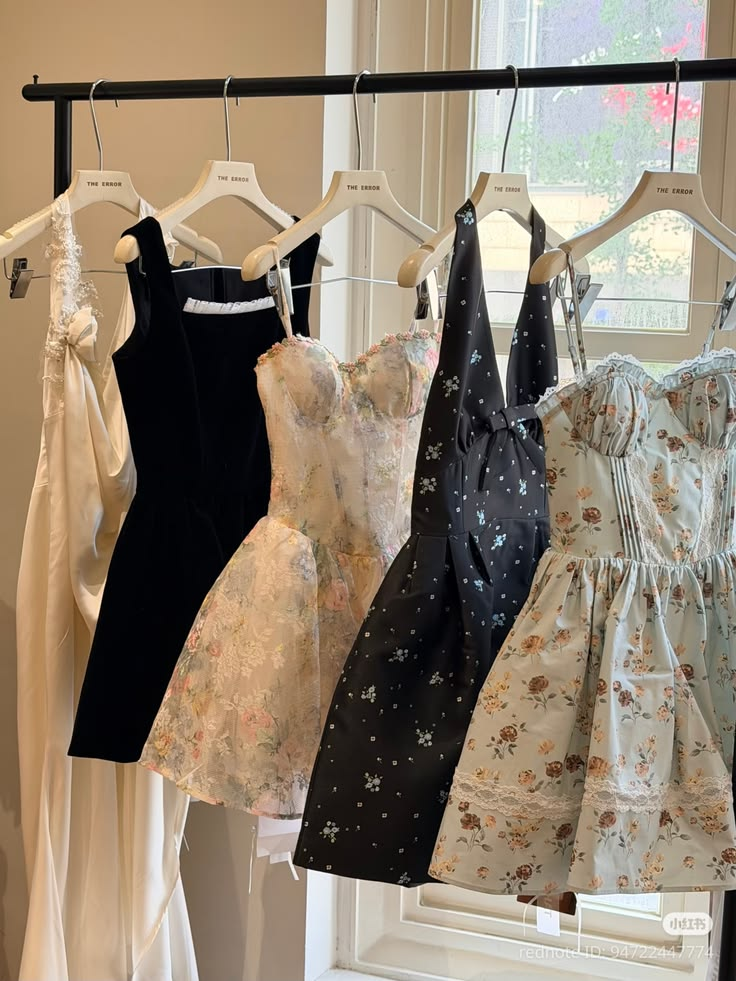
A capsule wardrobe becomes more flexible when you have a few one-piece outfits for days when jeans and trousers don’t feel right.
You don’t need a dress for every occasion. One everyday dress, one slightly dressier option, and a versatile skirt may be enough to start.
The Simple Everyday Dress
A black, navy, or printed midi dress can work for lunches, casual gatherings, and travel. Choose a cut that feels comfortable when sitting, walking, and moving around.
You can change the mood with shoes and outerwear. Sneakers make a dress feel casual, while loafers and a blazer create a more polished look.
The Midi Skirt
A straight, A-line, or softly flowing midi skirt can work with T-shirts, sweaters, button-down shirts, and cardigans.
For a balanced outfit, pair a fuller skirt with a more fitted or tucked-in top. If you prefer oversized knitwear, a skirt with a more streamlined shape may feel easier to style.
The Little Black Dress
A little black dress can be useful if you attend dinners, celebrations, or events that call for something more formal. However, it doesn’t need to be the first dress you purchase.
If you rarely attend dressy events, choose a versatile dress you can wear during your actual week. A capsule wardrobe should support your routine rather than prepare you for an imaginary calendar.
Build French Capsule Wardrobe Outfits From the Same Basics
The real benefit of a capsule wardrobe is discovering how many combinations you can create from a small number of items.
You don’t need a completely different outfit for every day. Instead, change one or two elements while keeping the foundation consistent.
Here are some practical combinations to try with the pieces we’ve covered.
| Occasion | Outfit formula | Finishing touch |
|---|---|---|
| Everyday errands | Jeans + white shirt | Comfortable sneakers |
| Casual office | Tailored trousers + knit top | Loafers and a belt |
| Lunch with friends | Striped shirt + jeans | Ballet flats |
| Cool-weather walk | Sweater + jeans + trench | Crossbody bag |
| Dinner out | Black top + dark denim + blazer | Earrings and low heels |
| Travel day | Knitwear + relaxed trousers | Lightweight sneakers |
| Weekend outing | Midi skirt + cardigan | Simple shoulder bag |
| Smart casual event | Midi dress + tailored jacket | Structured handbag |
| Mild autumn weather | Cream sweater + dark trousers | Ankle boots |
| Spring afternoon | White shirt + light trousers | Sunglasses and a scarf |
A Simple Five-Day Outfit Plan
Monday: Dark-wash jeans, a white button-down, and loafers.
Tuesday: Tailored trousers, a fine-knit sweater, and minimalist sneakers.
Wednesday: Straight-leg jeans, a striped shirt, and a blazer.
Thursday: A midi skirt, a cardigan, and ballet flats.
Friday: Black trousers, a fitted top, and a trench coat.
Notice how the same items appear more than once. That’s intentional. The point is to create a wardrobe where your clothes work together, not to eliminate outfit repetition entirely.
How Many Pieces Do You Actually Need?
There isn’t a magic number for a French capsule wardrobe. Some people enjoy working with 20 pieces, while others need more clothing because of their job, climate, hobbies, or family responsibilities.
For a first capsule, I’d focus on approximately 25 to 35 core garments, excluding underwear, sleepwear, workout clothing, and special-occasion pieces. Treat this as a starting framework, not a rule you must follow.
Here’s one possible breakdown:
| Category | Suggested quantity |
|---|---|
| T-shirts and everyday tops | 5–7 |
| Button-down and striped shirts | 3–4 |
| Sweaters and cardigans | 4–5 |
| Jeans | 2–3 |
| Tailored trousers | 2–3 |
| Skirts and dresses | 3–4 |
| Blazers and lightweight jackets | 2–3 |
| Seasonal outerwear | 2–3 |
The totals can exceed or fall below your target depending on your climate and personal needs. Shoes, bags, and accessories can be planned separately.
If you work in an office five days a week, you may need more trousers and blouses. If you work from home, your capsule might include more comfortable knitwear and casual bottoms. If you live somewhere hot, heavy coats and multiple sweaters may take up unnecessary space.
The right number is the number that makes your daily routine easier.
How to Build a French Capsule Wardrobe on a Budget
You don’t have to replace everything at once. In fact, I think a slow wardrobe refresh is usually smarter because you can identify what you actually wear before spending more money.
Start by shopping your own closet. Pull out your favorite jeans, shirts, jackets, and shoes. Notice which colors you reach for most often and which pieces make you feel comfortable and put together.
Then identify the gaps.
If you already own three pairs of jeans but no versatile jacket, buying another pair of jeans won’t solve the problem. If your wardrobe is full of black tops but you struggle to create outfits, a cream cardigan or white shirt might make more difference than several new accessories.
A Practical Capsule Wardrobe Shopping Budget
The following figures are illustrative examples in US dollars, not live retail prices. Actual costs vary by country, brand, fabric, and whether you shop secondhand.
| Shopping approach | Illustrative budget | Best for |
|---|---|---|
| Closet-first refresh | $50–$150 | Filling a few essential gaps |
| Budget-conscious additions | $150–$350 | Adding several versatile basics |
| Mid-range wardrobe refresh | $350–$700 | Replacing multiple worn-out pieces |
| Premium investment approach | $700+ | Select higher-cost pieces over time |
These are planning ranges rather than a recommended amount to spend. You can build an excellent wardrobe with less if you already own useful basics.
Where I’d Save Money
- Plain cotton T-shirts and simple layering tops.
- Basic belts and everyday accessories.
- Trend-specific pieces you aren’t sure you’ll wear.
- Items available in good condition from secondhand stores.
- Seasonal pieces you only use occasionally.
Where I’d Consider Spending More
- Jeans that fit exceptionally well.
- A coat you wear for several months every year.
- Comfortable everyday shoes.
- A handbag with practical construction.
- A blazer that fits properly and works across multiple outfits.
Even here, a higher price doesn’t guarantee better quality. Inspect fabric composition, stitching, lining, buttons, zippers, and the availability of repairs before deciding that something deserves a larger share of your budget.
Is It Worth Buying Secondhand French-Style Clothing?
Absolutely, especially for classic pieces that don’t depend heavily on current trends.
Secondhand stores, consignment shops, and reputable resale platforms can be useful places to look for wool coats, blazers, leather belts, handbags, and older-quality knitwear.
However, secondhand doesn’t automatically mean a bargain. Compare the final cost, including cleaning or alterations, with the price of a new item. Check the underarms, cuffs, seams, lining, and areas that receive the most wear.
For wool and cashmere, look for thinning, holes, pilling, and signs of moth damage. For leather bags, inspect the handles and corners, since these areas often reveal how much use an item has received.
I would also be cautious about buying something solely because it’s described as vintage French fashion. The garment still needs to fit your body, suit your lifestyle, and work with the clothes you own.
A beautiful coat that requires expensive repairs may be less practical than a simpler secondhand option in excellent condition.
Common French Capsule Wardrobe Mistakes to Avoid
A capsule wardrobe can become frustrating when you focus on following an aesthetic instead of solving your everyday dressing problems.
These are the mistakes I’d watch for.
Buying Everything in Beige
Neutral colors are useful, but too many similar shades can make a wardrobe feel repetitive. If you love blue, burgundy, green, or soft pink, include them.
Choosing Trends Over Fit
A fashionable blazer won’t become a favorite if the shoulders sit awkwardly or the sleeves are too long. Fit and comfort should come before whether a piece looks like something from a street-style photograph.
Buying Cheap Versions of Everything
Budget shopping is sensible, but buying several poorly made items that need replacing can cost more over time. Look at the garment’s construction and expected use rather than judging it only by its price.
Keeping Clothes for an Imaginary Lifestyle
You might love the idea of wearing heels and tailored dresses every day, but if your real life involves walking, commuting, and running errands, comfortable shoes and versatile trousers may be much more useful.
Treating Minimalism as a Rule
A French capsule wardrobe doesn’t have to be tiny. If you enjoy colorful prints, statement jewelry, or a wider range of clothing, keep those pieces. The goal is to make your wardrobe more functional, not to restrict your personality.
Forgetting Seasonal Changes
A capsule wardrobe needs to reflect the weather you experience. A lightweight trench and cotton shirts may be enough for spring, while colder months could require thermal layers, a warmer coat, and weather-appropriate footwear.
How to Maintain Your Capsule Wardrobe Throughout the Year
Once you’ve built your wardrobe, you don’t need to start over every season. A little maintenance helps your clothing last longer and makes it easier to spot genuine gaps.
At the beginning of each season, review the clothes you wore most often. Check whether any basics need replacing, whether your shoes need repairs, and whether there are items you consistently avoid because of their fit or comfort.
Wash garments according to their care labels, air out wool and cashmere between wears when appropriate, and store seasonal clothing clean and completely dry. Use suitable hangers for structured jackets and fold heavier knitwear to reduce stretching.
Try a Seasonal Wardrobe Review
Ask yourself these five questions:
- Which pieces did I wear repeatedly over the past three months?
- Which outfits felt comfortable and suited my everyday routine?
- Is there a genuine gap that makes getting dressed difficult?
- Can I repair or alter something I already own?
- Would a new purchase work with at least three pieces in my current wardrobe?
That last question is particularly useful. If you can’t picture three realistic outfits using a potential purchase, pause before buying it.
You don’t need to eliminate every spontaneous purchase, but a little planning can help you avoid accumulating clothes that never become part of your everyday rotation.
Frequently Asked Questions About a French Capsule Wardrobe
What are the essential pieces in a French capsule wardrobe?
The most useful starting pieces include a white button-down shirt, straight-leg jeans, a striped top, a tailored blazer, versatile knitwear, tailored trousers, a trench coat suited to your climate, comfortable flats or loafers, and a practical handbag. You can adapt the list based on your lifestyle and budget.
What colors should I choose for a French capsule wardrobe?
Black, navy, cream, camel, grey, and denim blue make a versatile foundation. You can add burgundy, olive green, chocolate brown, or other colors that suit your preferences. The most effective palette is one that works with clothes you already own.
Can I build a French capsule wardrobe on a small budget?
Yes. Start with existing clothes, identify your biggest gaps, and add versatile items gradually. Secondhand shopping and basic alterations can help you make the most of your budget. You don’t need designer labels to create polished outfits.
How many clothes should a French capsule wardrobe contain?
There is no fixed number. A collection of approximately 25 to 35 core garments can be a useful starting point for some people, but your ideal wardrobe depends on your climate, work requirements, hobbies, and laundry routine.
Can I wear French-inspired style if I don’t like neutral colors?
Of course. French-inspired style is about versatility and personal expression, not a strict color rule. Keep the silhouettes and outfit combinations you enjoy, then use colorful knitwear, patterned shirts, statement bags, or accessories to reflect your taste.
What shoes work best with a French capsule wardrobe?
Ballet flats, loafers, minimalist sneakers, and simple ankle boots are versatile options. Choose shoes that suit your climate and daily walking needs. Comfort, fit, and durability matter more than choosing a particular style just because it’s associated with Parisian fashion.
Conclusion: Build a French Capsule Wardrobe That Feels Like You
If I were starting a French capsule wardrobe from scratch, I wouldn’t buy 30 new pieces or try to recreate every outfit I saw online. I’d begin with my favorite jeans, a white shirt, comfortable shoes, and a jacket that makes even a basic outfit feel finished.
Then I’d add pieces slowly, paying attention to what I actually wear rather than what I think I should wear. That’s the part of French-inspired dressing I find most useful: a few dependable clothes can make everyday style feel effortless without making your wardrobe boring or your budget uncomfortable.
Your French capsule wardrobe doesn’t have to look exactly like anyone else’s. It simply needs to give you more outfit options, less frustration in the morning, and clothes that feel right for the life you’re living now.