
I used to think getting dressed for work would be easier if I just had more clothes. More blouses, another pair of trousers, a different blazer for Monday mornings.
But the truth is, a crowded wardrobe doesn’t necessarily give you more outfits. Sometimes, it just gives you more decisions to make before you’ve even had your coffee.
That’s why I love the idea of a work capsule wardrobe. Instead of buying dozens of individual pieces that don’t quite work together, you build a smaller collection of versatile work clothes that you can mix, match, and wear in different ways.
The goal isn’t to dress in the same boring outfit every day. It’s to make getting dressed feel simpler while still looking polished and expressing your personal style.
Whether you work in a corporate office, have a business-casual dress code, work from home, or split your time between meetings and errands, you can build a work capsule wardrobe that fits your actual life.
I’ll walk you through the essential pieces, the best colors to start with, outfit combinations, budget considerations, and the shopping mistakes I’d avoid.
1. What Is a Work Capsule Wardrobe?

A work capsule wardrobe is a carefully chosen collection of professional clothing that works together, allowing you to create multiple outfits from relatively few pieces. Rather than buying an outfit for every occasion, you focus on items that can be styled in several ways.
For example, a pair of tailored black trousers might work with a white button-down shirt on Monday, a fine-knit sweater on Wednesday, and a blazer with a simple top on Friday. You’re wearing the same trousers, but the outfits feel different because the other pieces change.
I recommend starting with around 20–30 versatile pieces, including shoes and layering items, if you’re building a capsule for a typical office workweek. You don’t have to reach that number immediately, though. A smaller wardrobe can work beautifully if your dress code is casual and you do laundry regularly.
The best work capsule wardrobe isn’t the one with the fewest clothes. It’s the one where most of your pieces work together without requiring you to buy something new every time you want a different outfit.
Why a work capsule wardrobe makes getting dressed easier
- Fewer morning decisions: You already know which pieces coordinate, so you’re not standing in front of your closet trying five different tops.
- Better cost per wear: A well-made blazer you wear twice a week can be a smarter purchase than a trendy jacket you wear once.
- More consistent personal style: Repeating silhouettes and colors helps you develop a recognizable look without wearing an identical outfit every day.
- Less unnecessary shopping: When you know what your wardrobe is missing, it’s easier to avoid buying another nearly identical blouse.
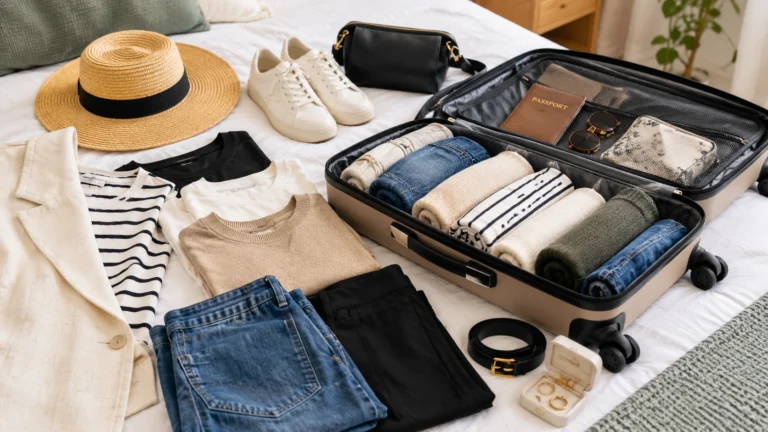
- Easier travel packing: A small collection of interchangeable work clothes makes business trips and conferences less stressful.
Here’s the important part: you don’t need to replace everything you own. Start with the clothes you already wear and build around them.
2. Choose a Color Palette for Your Work Capsule Wardrobe

One of the easiest ways to make a work capsule wardrobe feel cohesive is to choose a small color palette before shopping. This is especially useful if you tend to buy clothes you love individually but struggle to style together.
I would begin with two or three neutrals and add one or two accent colors. Black, navy, charcoal, cream, taupe, and chocolate brown are useful starting points, but you don’t need to wear all of them. Choose the shades that suit your existing wardrobe and make you feel confident.
The best neutral colors for office outfits
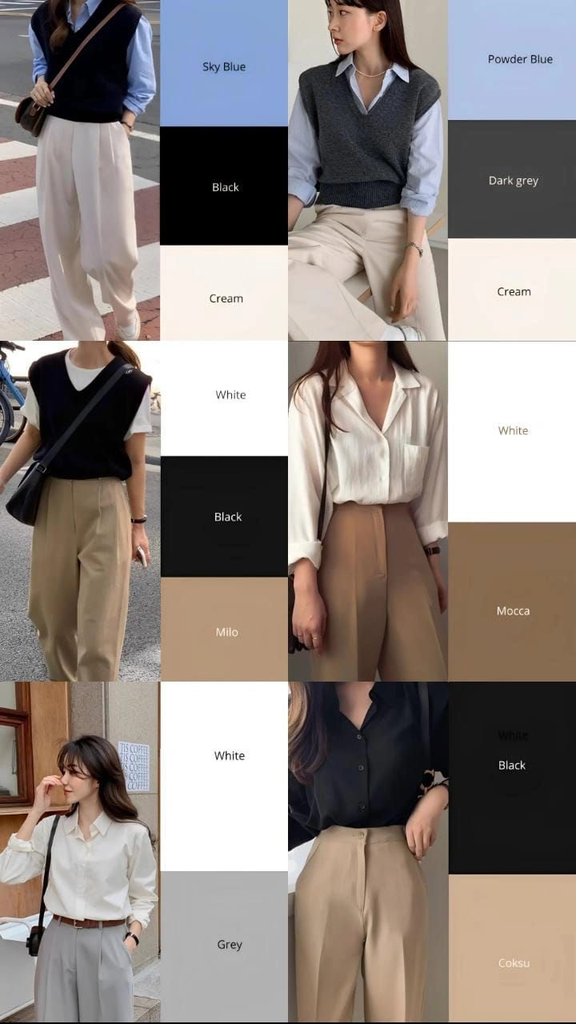
Black: Black trousers, a blazer, or a structured skirt can anchor dozens of outfits. It’s particularly useful if you prefer a classic, slightly formal style.
Navy: Navy gives you a polished alternative to black and pairs especially well with white, pale blue, grey, camel, and burgundy.
Cream and ivory: These shades brighten darker workwear and look lovely with tailored trousers, knitwear, and neutral accessories. If you spill coffee as often as I worry about doing, you may prefer cream for tops you don’t wear on your busiest commute days.
Camel and taupe: These warm neutrals work beautifully for blazers, sweaters, belts, and coats. They can make a simple outfit feel more considered without adding a bold color.
Grey: Light grey trousers, charcoal jackets, and medium-grey knitwear can provide variety while keeping your outfits coordinated.
Add accent colors that reflect your personality
Neutrals are practical, but your wardrobe shouldn’t feel like a collection of office uniforms.
Consider adding burgundy, forest green, dusty blue, muted pink, or a rich chocolate shade. A colorful blouse, scarf, handbag, or fine-knit cardigan can give your basic pieces a completely different mood.
My advice is to choose accent colors that work with at least three items you already own. If a beautiful green blouse only matches one pair of trousers, it may not be the most useful capsule purchase.
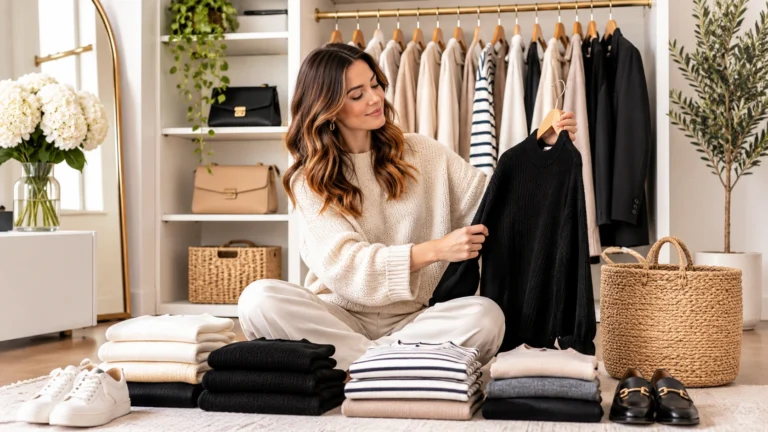
Pro tip: Before buying anything, lay your current work clothes on your bed and take a photo. You’ll often notice that you already own a natural color palette. Use that as your starting point instead of buying an entirely new set of neutrals.
3. Build Your Work Capsule Wardrobe Around These Essential Pieces

You don’t need every item on this list. Think of it as a shopping guide, not a strict checklist. Your ideal collection depends on your workplace, climate, commute, and personal preferences.
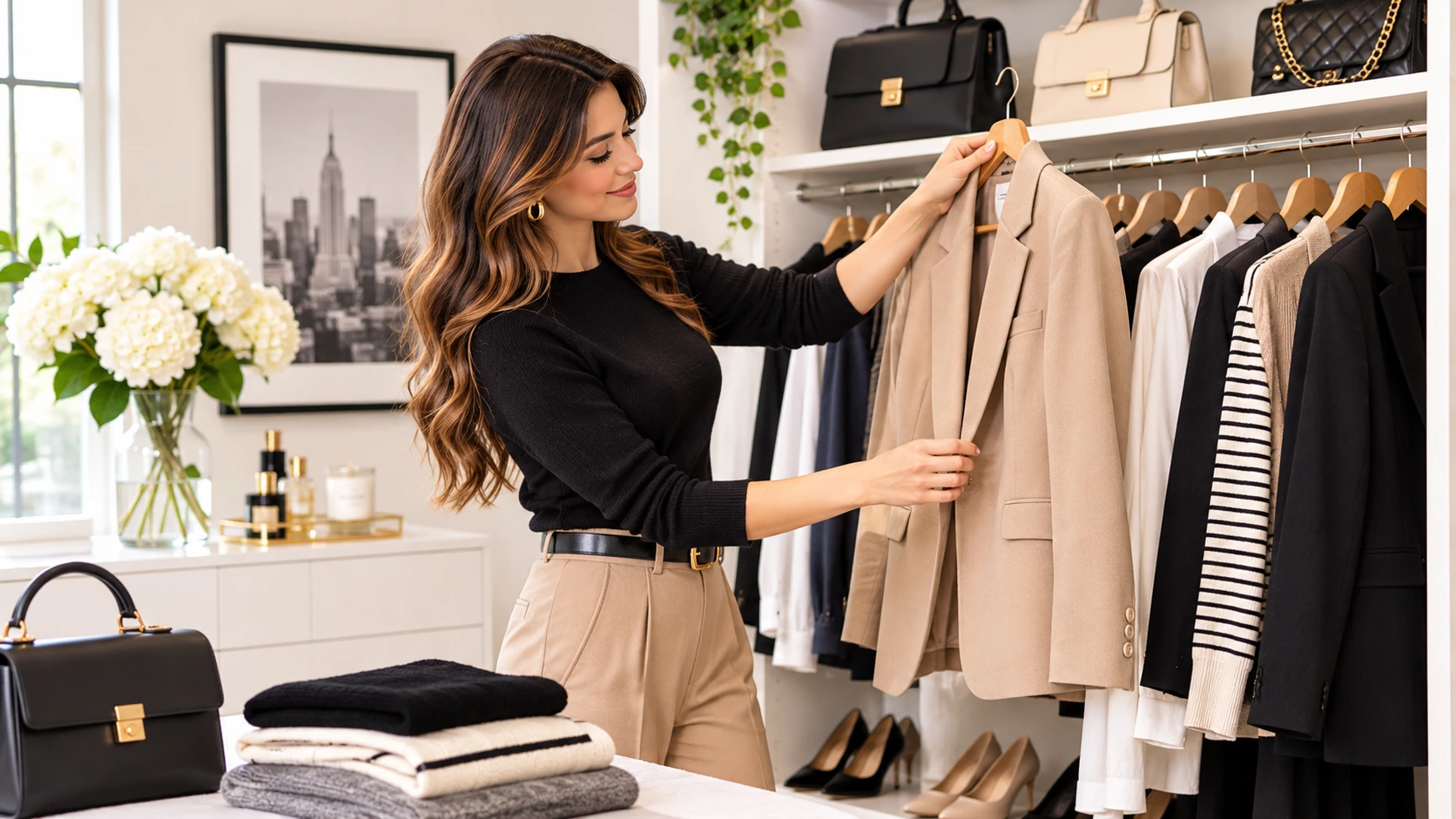
1. A well-fitting blazer

A blazer is one of the most versatile pieces in a work capsule wardrobe because it can make a simple top and trousers look more intentional in seconds.
Start with black, navy, charcoal, or camel if you want maximum flexibility. A slightly relaxed cut can feel modern and comfortable, while a more structured style works well for formal offices and presentations.
Look for shoulders that sit properly and sleeves that don’t swallow your hands. You should be able to button the blazer without pulling across your chest, and it should feel comfortable when you reach forward or sit at your desk.
You can wear it over a white T-shirt and dark jeans for casual Fridays, pair it with tailored trousers for meetings, or layer it over a fine-knit dress.
2. Tailored work trousers
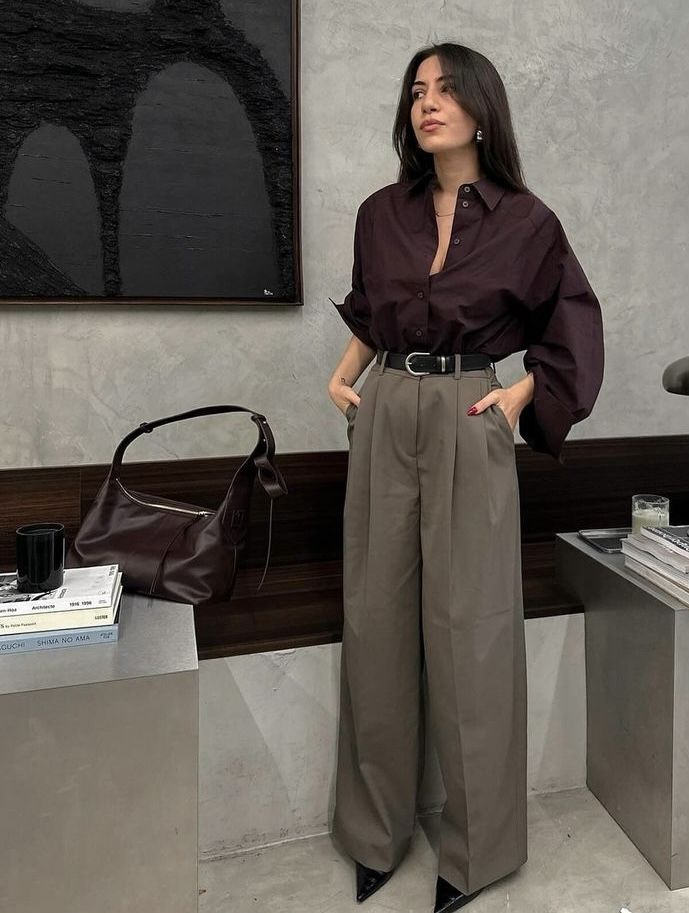
If I were building a work capsule wardrobe from scratch, I would prioritize trousers before buying several statement tops.
A black or navy pair is an easy starting point, followed by a second pair in grey, taupe, or another color that complements your blazer. Straight-leg and gently wide-leg cuts are both versatile options.
Pay attention to fabric as much as fit. Lightweight trousers may feel comfortable during warm weather, but they can wrinkle or become see-through. Heavier fabrics may hang beautifully but feel too warm if your office isn’t air-conditioned.
Choose a length that works with your most frequently worn shoes. If you’re constantly switching between flats and heels, you may need different trouser lengths or a versatile cropped style.
3. A crisp white or ivory button-down shirt

A white button-down is a classic for a reason. It works under blazers, with trousers, tucked into skirts, or worn slightly open over a simple top.
If a stiff shirt feels uncomfortable during a long workday, look for a cotton blend or a softer drapey fabric. You can also choose an ivory or pale blue shirt if pure white feels too stark against your complexion.
The biggest mistake is buying a shirt that fits perfectly while standing but pulls when you sit down or move your arms. Always test the range of movement before removing the tags.
4. Two or three versatile work tops

Your tops are what make repeated trousers and skirts feel like new outfits.
I would start with:
- One white or ivory top.
- One black, navy, or grey top.
- One top in an accent color you enjoy wearing.
A fine-knit sweater, a simple short-sleeved top, and a blouse with subtle detailing can cover different seasons and levels of formality.
Avoid buying five tops that all require the same special bra, ironing routine, or delicate washing cycle. A capsule wardrobe should simplify your life, not create a larger laundry project.
5. A comfortable cardigan

A cardigan is especially useful if your office temperature changes throughout the day. You can wear it over a blouse, drape it over your shoulders for a softer look, or button it and style it as a top.
Choose a lightweight knit in a neutral shade for maximum flexibility. A fitted cardigan can work well with wide-leg trousers, while a slightly relaxed version looks balanced with straight-leg pants.
If your workplace is more formal, a structured knit jacket can provide the same layering benefits with a sharper finish.
6. A versatile work dress
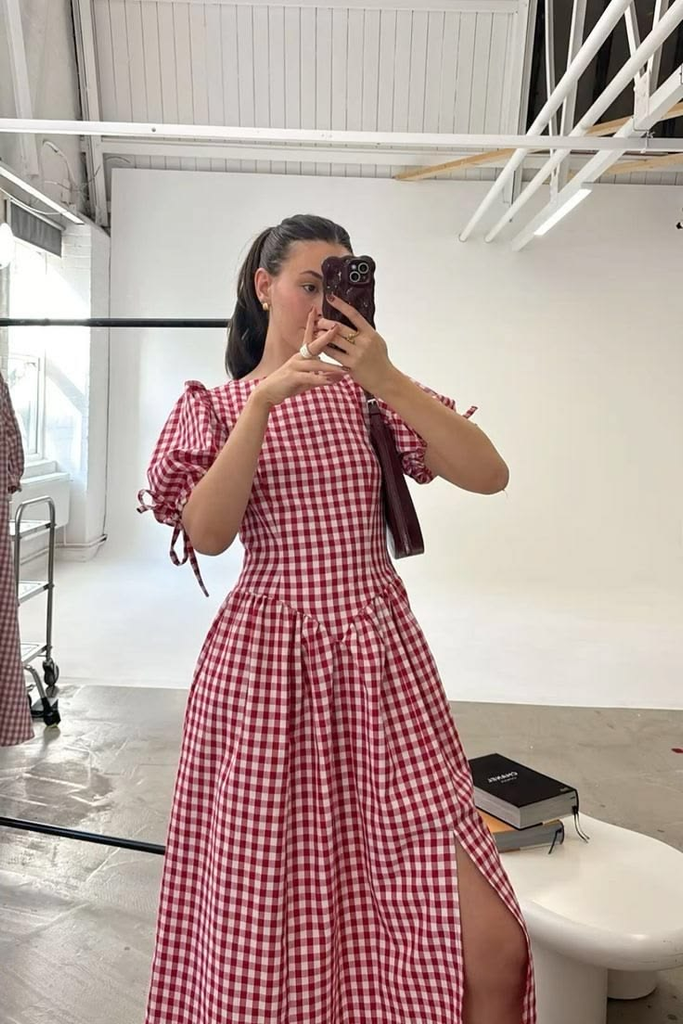
A simple midi dress can be a complete outfit when you don’t have the energy to coordinate separate pieces.
Look for a silhouette that feels comfortable while sitting, walking, and reaching. A shirt dress, a knit midi dress, or a simple sheath dress can work depending on your workplace.
For a traditional office, pair the dress with a blazer and closed-toe shoes. For a creative workplace, try loafers and a cardigan instead.
The best dress is one you can wear in multiple seasons with different layers, rather than something that only works for one specific occasion.
7. A midi skirt or alternative bottom

Not everyone likes wearing trousers every day, and a capsule wardrobe should accommodate that.
A straight, A-line, or softly pleated midi skirt can be paired with sweaters, button-down shirts, and blazers. Choose a fabric that doesn’t cling uncomfortably when you sit and a length that allows you to move easily.
If skirts aren’t your thing, use this category for a second pair of trousers or a pair of dark, tailored jeans if your workplace allows denim.
8. A pair of polished loafers
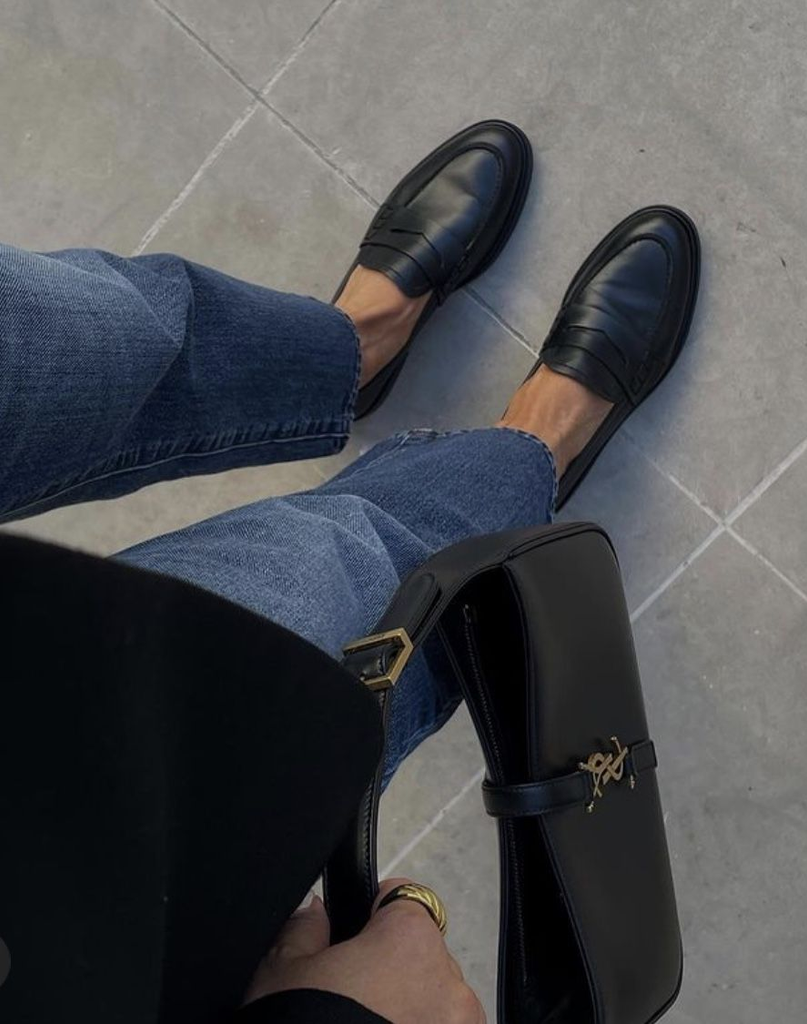
Loafers are a practical choice for commuting, walking between meetings, and spending long periods on your feet.
Black or brown leather and leather-look styles are particularly versatile. If you prefer a more modern look, a simple low-profile loafer can work with trousers, midi skirts, and dresses.
Don’t buy shoes simply because they look good with your favorite outfit. Walk around in them, check for heel slipping, and make sure the toe box doesn’t squeeze your feet.
9. Comfortable flats or low heels

Your second pair of work shoes should solve a problem your loafers don’t. Maybe you need something more formal for presentations, or perhaps you want a lighter shoe for warm weather.
Pointed flats can create a streamlined look with tailored trousers, while low block heels offer a little height without requiring you to balance on narrow heels all day.
Neutral shades will give you more outfit combinations, but a burgundy or metallic pair can also work if your wardrobe is otherwise simple.
10. A structured work bag
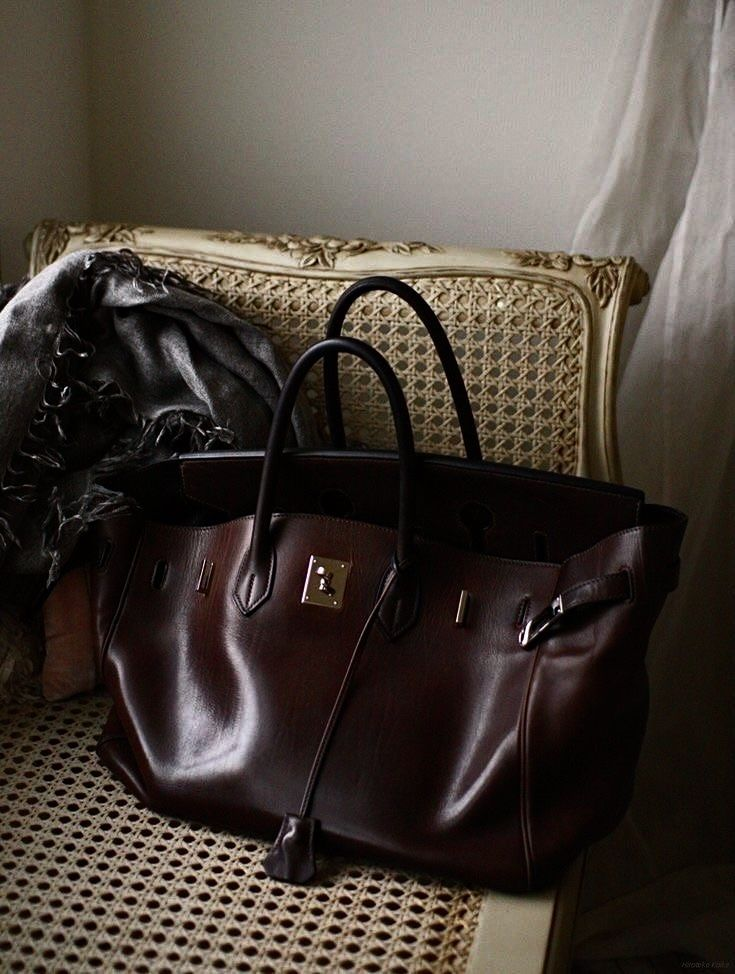
A work bag needs to carry your essentials without becoming uncomfortable or looking bulky.
Think about what you actually take to work: a laptop, notebook, water bottle, charger, makeup pouch, lunch, or gym clothes. A bag with compartments can be more useful than an attractive tote where everything ends up at the bottom.
Black, dark brown, taupe, and burgundy are flexible options. Before buying, check the dimensions against your laptop and consider the bag’s weight when empty.
11. A versatile coat or jacket
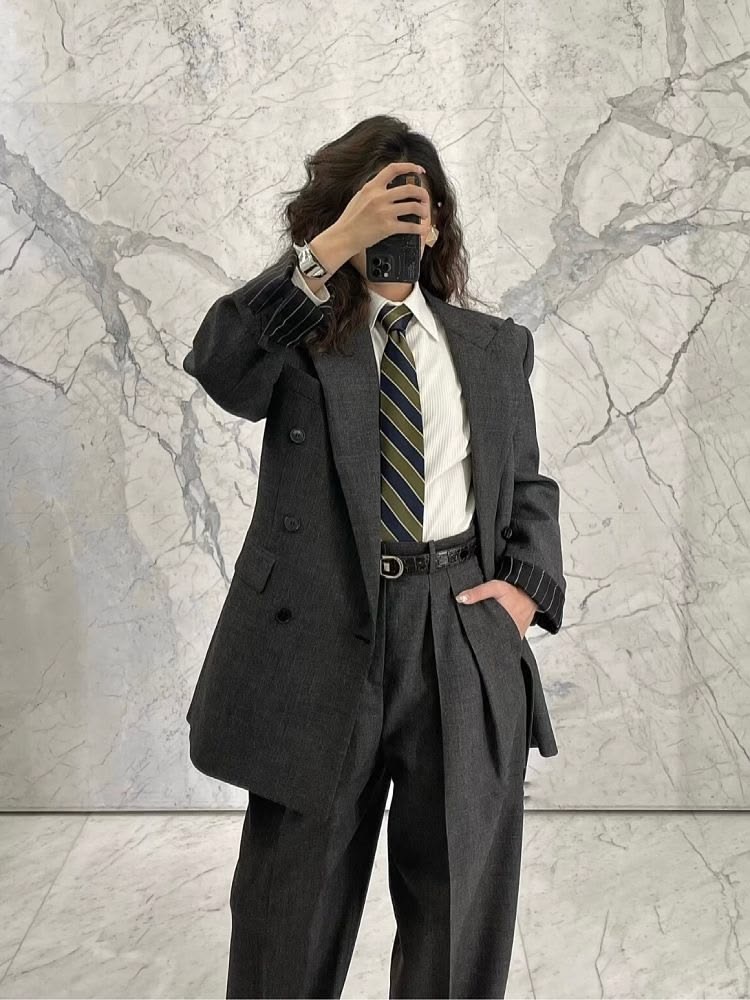
Your outerwear is part of your work wardrobe, especially if you commute or walk between buildings.
A trench coat is useful for transitional weather, while a wool-blend coat can work for colder conditions. In warmer climates, a lightweight jacket may be all you need.
Choose a coat that fits over your blazer or thicker sweater. A beautiful coat that feels tight whenever you layer underneath it won’t earn much wear.
12. A few simple accessories

Accessories can help repeat outfits feel different without requiring a bigger wardrobe.
Start with a belt that works with your trousers, a simple watch or pair of earrings, and a scarf if you enjoy wearing one. A subtle necklace can add interest to a plain knit top, while a structured handbag can make a casual outfit feel more polished.
You don’t need an extensive jewelry collection. Two or three accessories you wear regularly are more useful than a drawer full of pieces that don’t suit your everyday style.
A Work Capsule Wardrobe Checklist
Use this table to decide what you actually need. The quantities are a practical starting point for a typical five-day workweek, not rules you must follow.
| Clothing category | Starting quantity | Best first choice |
|---|---|---|
| Blazers or work jackets | 1–2 | Navy or black |
| Tailored trousers | 2–3 | Black and grey |
| Button-down shirts | 1–2 | White or pale blue |
| Everyday tops | 3–5 | Neutrals plus one accent |
| Cardigans or fine knits | 2–3 | Neutral shades |
| Work dresses or skirts | 1–2 | Comfortable, easy to layer |
| Work shoes | 2 pairs | Loafers and flats |
| Work bag | 1 | Structured and practical |
| Coat or outer layer | 1 | Suitable for your climate |
| Belts and accessories | 2–4 | Pieces that coordinate |
If you work in a casual office, you might need more polished T-shirts and fewer blazers. If you attend client meetings regularly, you may want another jacket and a second pair of formal shoes.
Pro tip: Count your actual workdays between laundry loads. If you wash clothes every three days, you probably don’t need five of every basic top. If you travel frequently or work long shifts, you may need a little more flexibility.
How to Create Work Capsule Wardrobe Outfits

The real benefit of a work capsule wardrobe is the number of outfits you can create without buying something new. Once you have your foundation, outfit planning becomes a matter of combining pieces rather than starting from zero.
Here are some combinations I would use as a starting point.
1. Black trousers, a white shirt, and loafers

This is a dependable outfit for an office day when you want to look polished without overthinking things.
Tuck the shirt into your trousers, add a belt if the waistband has belt loops, and finish with loafers. You can wear the outfit alone for a relaxed business-casual look or add a blazer when you need a more formal finish.
For a softer version, choose ivory instead of bright white and add a brown leather bag.
2. A navy blazer with jeans
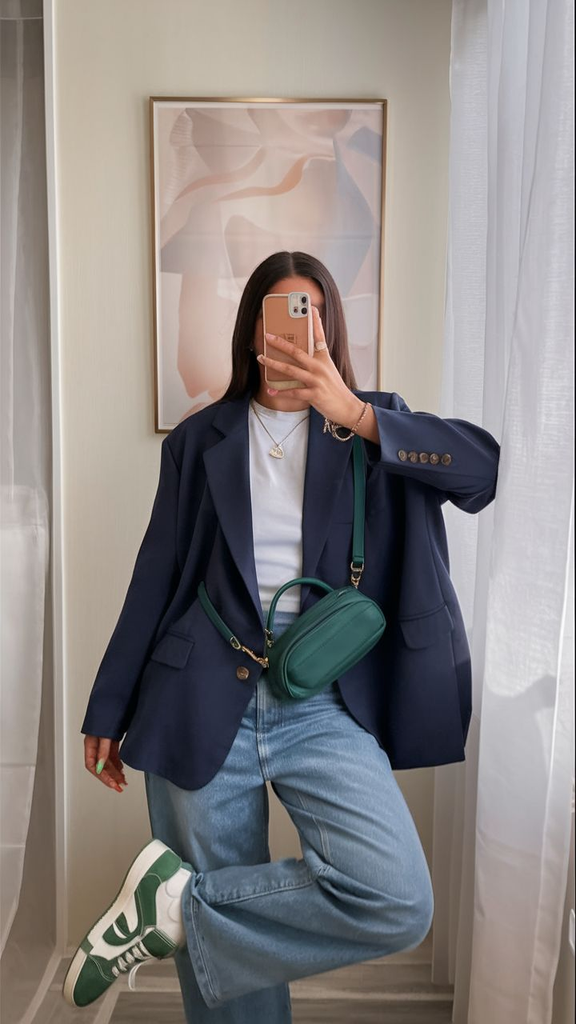
If your workplace permits denim, this is one of the easiest ways to make casual clothing look office-appropriate.
Choose dark-wash jeans without heavy distressing, a simple top, and a well-fitting navy blazer. Loafers or minimalist sneakers can work depending on your dress code.
The key is balance. If your jeans are relaxed, a more structured jacket helps the outfit look intentional rather than like weekend clothes.
3. Tailored trousers with a fine-knit sweater

This combination is comfortable enough for a full day at a desk but still looks neat for meetings.
Try grey trousers with a black sweater, or camel trousers with cream knitwear. A half-tuck can add shape if the sweater is lightweight enough, while a fully tucked-in top works well with higher-waisted trousers.
Pay attention to fabric thickness. Bulky knitwear can bunch under a blazer, so keep a finer knit available for days when you need extra layers.
4. A midi skirt with a button-down shirt

A midi skirt and a crisp shirt create a polished outfit without relying on a traditional trouser-and-blazer combination.
For a streamlined look, tuck in the shirt and add flats. If the skirt is voluminous, a more fitted shirt helps maintain balance.
You can also wear a cardigan over the shirt when the weather cools. Choose a cardigan that ends around the waistband or upper hip if you want to preserve the skirt’s shape.
5. A simple dress with a blazer

This is my practical suggestion for days when you’re running late or simply don’t feel like coordinating separate pieces.
Start with a neutral dress and add a blazer in a complementary shade. Flats keep the outfit comfortable, while low heels can make it feel more formal.
A belt can change the silhouette, but only add one if it feels comfortable and suits the dress. You don’t need to accessorize every outfit to make it look finished.
6. A cardigan with tailored trousers

For a softer alternative to a blazer, wear a cardigan with straight-leg trousers and simple flats.
Button the cardigan and wear it as a top, or leave it open over a fitted T-shirt. This works particularly well in offices with a relaxed dress code or unpredictable air conditioning.
Choose a knit that holds its shape. Very thin cardigans can stretch around the elbows and cuffs after repeated wear, so check the fabric and care instructions before purchasing.
7. A monochrome outfit

Wearing different shades of the same color can make a basic outfit feel more coordinated.
Try charcoal trousers with a lighter grey sweater, cream trousers with an ivory top, or navy trousers with a pale blue shirt. You don’t need every shade to match exactly; a little variation in texture and tone keeps the outfit interesting.
If you prefer a little contrast, add a belt or handbag in a complementary neutral.
8. A blazer, a simple T-shirt, and tailored trousers
This outfit is especially useful when you want something less formal than a full suit but more polished than casual separates.
Choose a T-shirt with a neat neckline and enough structure to hold its shape under a blazer. Pair it with trousers and loafers, then add a watch or simple earrings.
A well-made T-shirt can be a better investment than a decorative blouse if you wear it two or three times a week.
9. Wide-leg trousers with a fitted top
Wide-leg trousers can look elegant and modern, particularly when the top creates a little contrast in shape.
Try black wide-leg trousers with a fitted knit or a tucked-in button-down. Keep the hem at a length that works with your shoes, and avoid fabric that drags on the ground.
If you are petite, a higher waist and a properly tailored hem can help the proportions feel balanced. You don’t have to avoid wide-leg trousers just because you’re shorter.
10. A neutral outfit with one colorful accessory
You don’t need a colorful wardrobe to enjoy color.
Wear black trousers, an ivory top, and a camel blazer, then add a burgundy handbag or a muted green scarf. The accessory becomes the focal point without limiting the rest of your outfit combinations.
This is also a useful way to experiment with a color before investing in an expensive garment.
6. A Five-Day Work Capsule Wardrobe Outfit Plan


If you work a standard Monday-to-Friday schedule, you can make the process even easier by planning five outfits from the same small collection.
| Day | Outfit combination | Best for |
|---|---|---|
| Monday | Blazer, white shirt, tailored trousers | Meetings and a polished start |
| Tuesday | Fine-knit sweater, trousers, loafers | A comfortable office day |
| Wednesday | Dark jeans, simple top, blazer | Business-casual workplaces |
| Thursday | Midi skirt, button-down, flats | A slightly different silhouette |
| Friday | Cardigan, tailored trousers, simple top | Relaxed office styling |
You don’t need to follow this plan rigidly. Switch the outfits around according to your meetings, weather, and comfort level.
The trick is to repeat individual pieces without repeating the entire outfit. Your Monday trousers can appear again on Friday with a different top and shoes.
How to prepare outfits in advance
I recommend spending ten minutes on Sunday evening checking the week’s schedule. If you have a presentation, choose that outfit first. If you know you’ll be walking more than usual, prioritize comfortable shoes.
Hang the selected outfits together or take quick photos on your phone. You can keep a small album of combinations you like, which becomes especially helpful when you feel as though you have nothing to wear despite a full wardrobe.
Pro tip: Don’t plan outfits around items that need special care unless you’re willing to maintain them during a busy week. A beautiful blouse that must be ironed every morning may not be the most practical choice for your everyday capsule.
Work Capsule Wardrobe Ideas for Different Dress Codes
One reason capsule wardrobes fail is that people buy clothes for an imaginary office rather than the one they actually attend. Before you shop, think about what your colleagues wear, whether you meet clients, and how much flexibility your workplace allows.
Corporate or formal office
For a formal office, prioritize structured blazers, tailored trousers, button-down shirts, modest dresses, and polished shoes.
A matching suit can be useful, but you don’t have to wear the pieces together every time. The blazer can work with a different pair of trousers, while the matching pants can be styled with a simple knit top.
Choose fabrics that maintain their shape and don’t wrinkle excessively during your commute.
Business-casual office
Business casual gives you more flexibility. Tailored trousers, cardigans, dark denim where permitted, knit tops, midi skirts, and loafers can form the foundation.
You can keep one blazer available for meetings and rely on softer layers for ordinary workdays.
The biggest mistake is assuming that business casual means anything goes. Check your workplace’s expectations around denim, sneakers, sleeveless tops, and hemlines before buying your capsule pieces.
Creative workplace
A creative workplace may give you more freedom to experiment with color, texture, accessories, and interesting silhouettes.
You might choose a burgundy blazer, patterned blouse, wide-leg trousers, or a pair of stylish sneakers. The trick is to keep enough shared colors and versatile basics that everything still works together.
You can express your personality without making every item a statement piece. One distinctive jacket paired with simple trousers is often more wearable than an outfit made entirely of competing trends.
Work-from-home capsule wardrobe
If you work from home, your wardrobe can be smaller and more comfort-focused.
Choose soft trousers, knit tops, cardigans, and a few polished tops for video meetings. You may not need several formal blazers or pairs of office heels, but having one presentable outfit available can be useful for an unexpected appointment.
I would avoid buying an entire separate wardrobe just for working from home. If your regular tops and trousers are comfortable enough, use them for both home and office days.
How Much Does a Work Capsule Wardrobe Cost?
You can build a work capsule wardrobe gradually without buying everything in one shopping trip. The final cost depends on your location, preferred brands, fabric quality, and how many pieces you already own.
Instead of relying on one fixed budget, I would divide your shopping into three levels.
| Budget approach | What to prioritize | Shopping strategy |
|---|---|---|
| Low budget | Two trousers, versatile tops, one layering piece, comfortable shoes | Reuse existing basics and shop secondhand |
| Mid-range | Better-fitting trousers, a blazer, quality knitwear, practical shoes | Buy the most frequently worn items first |
| Investment-focused | Tailored outerwear, durable shoes, well-constructed workwear | Spend more on fit, fabric, and alterations |
Where I would spend more
Shoes: Uncomfortable shoes can ruin an otherwise great outfit. Prioritize fit, support, and materials that suit your commute.
Trousers: Since trousers are often repeated throughout the week, a pair that fits well and holds its shape can be worth paying a little more for.
Blazers and coats: These pieces can be worn for years if the fit, construction, and fabric are right.
Where I would save money
Basic tops: Simple T-shirts and uncomplicated tops don’t always need premium labels. Look for opaque fabric, neat seams, and a neckline that retains its shape.
Trend-led accessories: You can experiment with colors and styles through affordable scarves, belts, or jewelry instead of investing in a statement piece you may tire of.
Occasional pieces: If you attend a formal event only a few times a year, consider borrowing, renting where available, or buying secondhand rather than purchasing an expensive outfit you’ll rarely wear.
Calculate cost per wear before buying
Cost per wear is a simple way to compare two purchases.
For example, imagine you buy a pair of work trousers for $60 and wear them 60 times. Your cost per wear is $1. If you buy a $30 pair and wear it only five times because the fit is uncomfortable, the cost per wear is $6.
These figures are just an illustration, but the principle is useful: the best value is often the item you genuinely wear, not the item with the lowest price tag.
Before buying, ask yourself three questions:
- Can I style this item with at least three pieces I already own?
- Will I feel comfortable wearing it for a full workday?
- Can I realistically see myself wearing it at least 20 times?
If you answer no to two or more, leave it in the shop for now.
How to Build a Work Capsule Wardrobe on a Budget
You don’t need a complete wardrobe makeover to start dressing better for work. In fact, buying everything at once can make it harder to understand what you actually need.
Step 1: Audit your current wardrobe
Take out the clothes you genuinely wear to work and group them by category. Separate items you love from pieces that don’t fit, feel uncomfortable, or require too much maintenance.
Look for patterns. If you own three black trousers but no tops you enjoy wearing with them, your next purchase probably shouldn’t be another pair of black trousers.
Step 2: Identify your missing essentials
Write down only the items that would help you create more outfits.
Your list might include one white shirt, comfortable loafers, a blazer, or a second pair of trousers. Be specific about color, fit, and intended use so you don’t end up buying something that only vaguely fills the gap.
Step 3: Set a monthly shopping budget
If your budget is limited, spread your purchases over two or three months.
Buy the items you need most frequently first. You might prioritize trousers and shoes this month, then add a blazer and a couple of tops later.
This approach also gives you time to see whether your new pieces work with the rest of your wardrobe before buying more.
Step 4: Shop secondhand and look for quality basics
Thrift shops, resale platforms, clothing swaps, and sales can be useful places to find workwear.
Blazers, coats, belts, and bags can be particularly good secondhand purchases when they’re in excellent condition. Check for damaged lining, loose buttons, worn shoe soles, and stains before committing.
Don’t buy something just because it’s inexpensive. A bargain that doesn’t fit your wardrobe is still money spent unnecessarily.
Step 5: Track what you wear
For two weeks, take a quick photo of your work outfit each morning.
You may discover that you repeatedly reach for the same trousers and cardigan, while a dress you thought you needed stays untouched. Use that information to guide future purchases.
This small habit can make your wardrobe much more useful because you’re responding to your real habits rather than an idealized version of your lifestyle.
Choose Fabrics That Work for Your Schedule and Climate
The right fabric can determine whether a work capsule wardrobe is genuinely practical. A piece can look beautiful on a hanger and still be uncomfortable after a commute or several hours at your desk.
Cotton
Cotton shirts and tops are breathable and versatile. However, some cotton fabrics wrinkle easily, so look at the fabric weight and construction before buying.
A cotton blend may be more convenient if you don’t want to iron every morning.
Wool and wool blends
Fine merino wool and wool-blend garments can work well for knitwear, trousers, and cooler-weather tailoring.
Check care labels carefully, particularly if you prefer machine-washable clothes. A garment that requires expensive dry cleaning after every wear may be less practical than you expect.
Polyester and blended fabrics
Some synthetic blends resist wrinkles and dry quickly, which can be useful for commuting or travel. Quality varies considerably, so check whether the fabric feels comfortable against your skin and whether it allows enough airflow.
A synthetic label isn’t automatically a bad thing, just as a natural-fiber label doesn’t guarantee excellent quality.
Linen and lightweight blends
Linen can be a good option for warm weather, particularly for shirts, trousers, and relaxed blazers. It wrinkles naturally, so decide whether you like that look before buying.
A linen blend may provide a smoother appearance while retaining some of the fabric’s lightweight feel.
Consider hot weather and air-conditioned offices
If your commute is hot but your office is cold, build your wardrobe around lightweight base layers and removable outer layers.
A breathable blouse, lightweight trousers, and a cardigan or unlined blazer can work better than a thick outfit you can’t comfortably wear outdoors.
For warm climates, consider lighter colors, breathable fabrics, and shoes that remain comfortable after walking. For colder climates, focus on layering pieces that fit beneath your coat without making your outfit bulky.
Pro tip: Always check how a garment is supposed to be washed before buying it. If your schedule doesn’t leave time for delicate laundry, prioritize pieces that are easy to maintain.
Work Capsule Wardrobe Mistakes I Would Avoid
A capsule wardrobe is meant to reduce frustration, but a few common shopping habits can make it less effective.
Buying only neutrals
Neutral colors make mixing and matching easier, but an all-neutral wardrobe may feel dull if you naturally enjoy color.
Add a few accent pieces that reflect your taste. You can still keep your core wardrobe simple while wearing burgundy, green, blue, or patterned accessories.
Buying too many similar items
Three nearly identical black sweaters won’t necessarily give you more outfit options than one black sweater, one white shirt, and one colorful top.
Think about how each purchase expands your existing combinations. Variety in shape, fabric, and function is more useful than duplication.
Choosing trends over comfort
A trendy blazer or shoe isn’t a good purchase if you can’t comfortably wear it throughout the day.
Try sitting, walking, and reaching while wearing new clothes. Check whether waistbands dig in, sleeves restrict movement, or shoes rub your heels.
Ignoring tailoring
Sometimes an affordable garment looks much better after a small alteration.
Hemming trousers, adjusting sleeves, or taking in a waistband can improve fit significantly. Compare the alteration cost with the price of buying a better-fitting item before making a decision.
Forgetting laundry and maintenance
A wardrobe filled with dry-clean-only blouses may sound elegant, but it can become expensive and inconvenient.
Choose a mix of easy-care pieces and occasional special garments. Your everyday clothes should suit your real schedule.
Trying to follow someone else’s capsule exactly
A work capsule wardrobe built around pencil skirts and high heels won’t help much if you prefer trousers and loafers.
Use other wardrobes as inspiration, not instructions. The most useful capsule is the one that reflects your body, workplace, climate, and personal style.
How to Maintain Your Work Capsule Wardrobe
Once you’ve built a useful collection, a few simple habits can help you get more wear from it.
Hang clothes properly. Use suitable hangers for blazers and coats, and fold heavier knitwear to help prevent stretching.
Rotate your shoes. Alternating pairs gives shoes time to air out and can help reduce wear from daily use.
Treat stains promptly. Follow the garment’s care label rather than rubbing aggressively or using a product that could damage the fabric.
Repair small problems early. Loose buttons, minor seam issues, and missing trouser hooks are easier to fix before they become bigger problems.
Review your wardrobe seasonally. You don’t need a full reset every few months. Simply identify which pieces are getting regular use and whether any gaps have appeared.
Keep a shopping list. When you notice that you need another work top or a warmer layer, write it down. This prevents impulse purchases from taking over your budget.
I also recommend keeping a small list of your favorite outfit combinations. You may think you’ll remember them, but having a few reliable options saved on your phone can be surprisingly helpful on busy mornings.
Frequently Asked Questions About a Work Capsule Wardrobe
How many pieces should a work capsule wardrobe have?
A practical starting point is around 20–30 pieces, including shoes and layering items, although some people can manage with fewer. Your ideal number depends on your dress code, laundry schedule, climate, and how frequently you need formal outfits. Start with what you already own instead of aiming for an arbitrary number.
What are the most important work capsule wardrobe essentials?
I’d begin with tailored trousers, a versatile blazer, a white or neutral button-down, a few comfortable tops, a cardigan, practical work shoes, and a bag that suits your daily needs. Add dresses, skirts, or extra jackets according to your workplace and personal preferences.
Can I build a work capsule wardrobe on a small budget?
Yes. Audit your current wardrobe first, then purchase only the missing pieces that will create more outfits. Shop secondhand for blazers and coats, compare cost per wear, and spread purchases over several months. You don’t need designer labels or an entirely new wardrobe to look polished.
What colors are best for a work capsule wardrobe?
Black, navy, grey, cream, taupe, and camel are useful foundations because they coordinate with many other shades. You can then add accent colors such as burgundy, forest green, dusty blue, or muted pink. Choose colors you enjoy wearing and that work with your existing clothes.
How can I make a small work wardrobe look different every day?
Change the combination rather than buying more clothes. Wear the same trousers with a button-down one day and a fine-knit sweater another day. Add a blazer, cardigan, different shoes, or a simple accessory to create variety. Keeping a few outfit photos can also help you spot combinations you might otherwise overlook.
Is a work capsule wardrobe suitable for business casual?
Absolutely. A business-casual capsule can include tailored trousers, dark jeans if permitted, knit tops, cardigans, blazers, loafers, and simple dresses. The key is to match your wardrobe to your employer’s expectations rather than assuming every office follows the same rules.
Conclusion: Start With the Clothes You’ll Actually Wear
Building a work capsule wardrobe doesn’t mean giving up personal style or wearing the same five outfits forever. It’s about choosing clothes that fit well, coordinate easily, and make sense for the way you spend your workday.
If I were starting from scratch, I’d begin with two pairs of trousers, a white button-down, three comfortable tops, one blazer, and a pair of shoes I could wear all day. I’d spend a couple of weeks mixing those pieces before buying anything else.
You may find that you need fewer clothes than you expected, or you may discover that your job requires more variety than a standard capsule provides. Either way, the goal is the same: a work capsule wardrobe that saves you time, helps you shop more intentionally, and makes getting dressed feel easier.
Start small, pay attention to what you actually wear, and let your wardrobe grow around your real life.