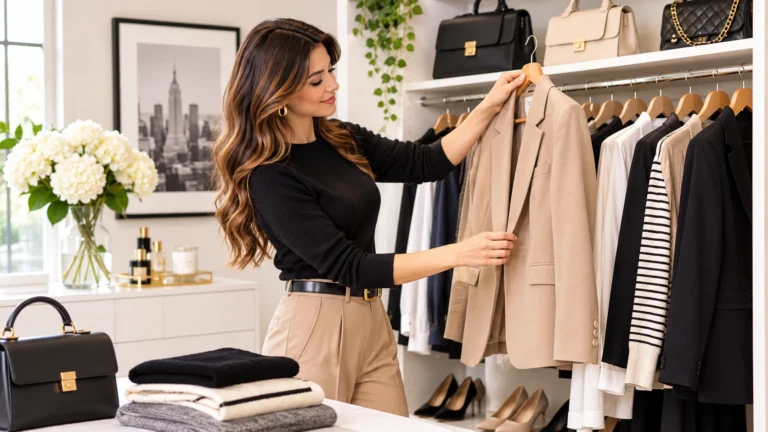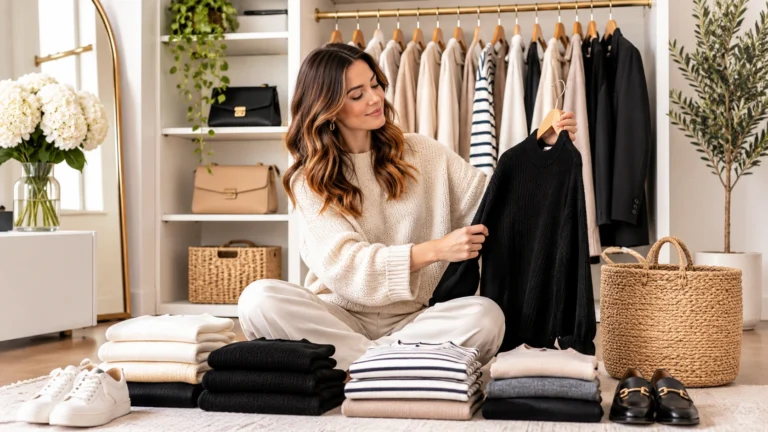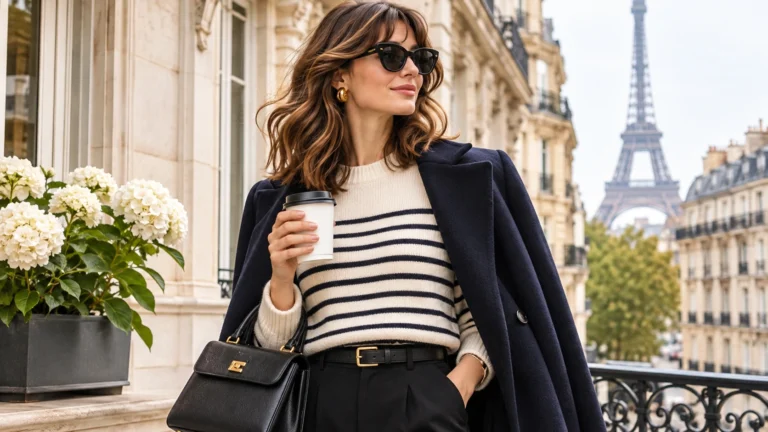


I used to think packing for a trip meant choosing outfits for every possible situation.
A cute outfit for sightseeing, something nicer for dinner, extra shoes just in case, and a few backup pieces because what if the weather changed? Before I knew it, my suitcase was full, and I still felt like I had nothing to wear.
That is exactly why I love the idea of a travel capsule wardrobe. Instead of packing an entirely separate outfit for every day, you choose a small collection of clothes that work together, feel comfortable, and suit the activities on your itinerary.
You can create more outfits with fewer pieces, which means less luggage to manage and less time standing in a hotel room trying to decide what to wear.
The trick is not to pack the smallest possible number of clothes. It is to pack the right clothes. I would rather bring a few versatile pieces that I can wear three different ways than squeeze in a trendy top that only works with one pair of trousers.
Whether you are planning a European city break, a beach vacation, a business trip, or a two-week adventure, here is how I would build a practical travel capsule wardrobe that looks polished without making packing feel like a full-time job.
1. What Is a Travel Capsule Wardrobe?
A travel capsule wardrobe is a carefully selected collection of clothing, shoes, and accessories that coordinate with one another. Every piece has a purpose, and most items can be worn in multiple outfits.
Think of it as a mini version of your everyday wardrobe, edited specifically for your destination, travel dates, and planned activities.
For example, a pair of straight-leg jeans might work for the airport, sightseeing, and a casual dinner. A lightweight button-down shirt can be worn on its own, layered over a tank top, or tied over a dress. A neutral cardigan can make a summer outfit suitable for an air-conditioned restaurant or a chilly evening.
That flexibility is what makes the system useful.
Why I prefer a capsule wardrobe for travel
- Less overpacking: You stop bringing five nearly identical tops because you cannot decide which one to wear.
- More outfit combinations: Coordinating colors help you create different looks from the same core pieces.
- Simpler mornings: You spend less time getting dressed and more time enjoying your trip.
- Easier luggage management: A smaller wardrobe can help you fit everything into a carry-on, depending on your trip length, weather, and airline restrictions.
- More intentional shopping: You can identify missing essentials instead of buying random vacation clothes you might never wear again.
I would not treat a travel capsule wardrobe as a strict uniform, though. You should still bring the colors, silhouettes, and accessories that make you feel like yourself. The goal is to make getting dressed easier, not to remove all personality from your outfits.
2. Choose a Color Palette Before Packing
If I could give you only one rule for building a travel capsule wardrobe, it would be this: choose your colors before you choose individual outfits.
A coordinated palette makes almost every packing decision easier. When your tops, bottoms, outerwear, and shoes complement one another, you can mix pieces without having to plan every combination in advance.
Start with two or three neutral colors
My preferred starting point is a combination such as:
- Black, white, and camel
- Navy, cream, and beige
- Chocolate brown, ivory, and denim blue
- Gray, white, and black
- Olive, cream, and tan
You do not have to wear head-to-toe neutrals. They simply give your wardrobe a foundation.
Once you have chosen your base colors, add one or two accent colors. Think burgundy, dusty pink, sage green, cobalt blue, or a soft butter yellow, depending on your personal style and destination.
For example, a navy-and-cream capsule with a red accent might include navy trousers, cream tops, a striped shirt, and a red scarf. The scarf adds variety without requiring you to pack another complete outfit.
Use the three-color method
Here is an easy approach I would use when starting from scratch:
- Pick one dark neutral, such as navy, black, or chocolate brown.
- Pick one light neutral, such as white, ivory, or beige.
- Add one complementary color that makes the wardrobe feel interesting.
You can introduce denim as a practical extra because it often works with several palettes.
Pro tip: Lay your clothes on the bed before packing and try combining each top with at least two bottoms. If a piece only works with one other item, ask yourself whether it earns its place in your suitcase.
3. Build Your Travel Capsule Wardrobe Around Essential Pieces
The most useful travel wardrobe is not necessarily the one with the fewest items. It is the one where each item earns its space.
For a typical five-to-seven-day trip with access to laundry if needed, I would start with a small collection of versatile basics and adjust it for the destination.
| Clothing category | Suggested quantity | What I would choose |
|---|---|---|
| Everyday tops | 4–5 | Tees, a tank, and a button-down |
| Bottoms | 2–3 | Jeans, tailored trousers, or a comfortable skirt |
| Dress or one-piece outfit | 1 | A versatile midi dress or jumpsuit |
| Layering piece | 1–2 | Cardigan, overshirt, or lightweight sweater |
| Outerwear | 1 | A jacket suited to the forecast |
| Comfortable walking shoes | 1 pair | Sneakers or supportive walking shoes |
| Dressier shoes | 1 pair | Loafers, flats, or low heels |
| Sleepwear | 1–2 sets | Lightweight and comfortable |
| Underwear and socks | Trip-dependent | Enough for the itinerary and laundry plan |
This is a starting point, not a packing law. A tropical holiday may need extra breathable tops, while a winter trip may require thermal layers, heavier socks, and a proper coat.
I would also avoid assuming that every trip can fit into a carry-on. Some destinations require specialized footwear, bulky cold-weather clothing, or equipment that makes a larger suitcase more practical.
Choose tops that work in different settings
Your tops will probably do more outfit-building work than any other category, so choose them carefully.
A white or cream T-shirt is useful with jeans, tailored trousers, and skirts. A striped shirt gives simple outfits a little more character. A button-down can be worn tucked in, left open over a tank, or layered beneath a sweater.
I would pack at least one top that feels a little more elevated than your everyday basics. A satin-finish blouse, a fine-knit top, or a simple black shirt can make the same trousers look appropriate for dinner.
Keep your bottoms versatile
You do not need a different pair of trousers for every day.
Straight-leg jeans are a strong choice for casual trips because they work with sneakers, loafers, and ankle boots. Tailored trousers are useful when you want a more polished appearance without wearing a dress. A comfortable midi skirt can be a great alternative in warm weather.
The important detail is comfort. If your waistband feels restrictive after a long meal or several hours of sitting on a train, that piece may not be as travel-friendly as it looks on a hanger.
Pack one-piece outfits strategically
A midi dress or jumpsuit can make packing simpler because you do not have to coordinate a separate top and bottom.
Choose a style that works with your existing shoes and layering pieces. A casual dress with sneakers can work for daytime sightseeing, while the same dress with a cardigan, earrings, and flats may be suitable for dinner.
I would skip a delicate dress that wrinkles easily or requires special undergarments unless you have a specific occasion planned for it.
4. Create a Travel Capsule Wardrobe for a Week
If you are packing for seven days, you do not need seven entirely different outfits. You need enough clothing to stay comfortable while creating variety through combinations.
Here is a practical example of a casual, polished travel capsule wardrobe.
Your seven-day packing list
Tops
- Two basic T-shirts in complementary neutrals
- One striped or printed top
- One lightweight button-down
- One dressier blouse or fine-knit top
Bottoms
- One pair of straight-leg jeans
- One pair of tailored trousers
- One skirt or second pair of comfortable trousers
Additional clothing
- One versatile dress
- One cardigan or lightweight sweater
- One jacket appropriate for the weather
Shoes
- One pair of comfortable walking sneakers
- One pair of loafers, flats, or other dressier shoes
Accessories
- One everyday bag
- One compact evening bag, if needed
- Sunglasses
- A belt
- A scarf or simple jewelry
You would still need to add underwear, sleepwear, workout clothes if relevant, and weather-specific essentials.
How I would turn these pieces into outfits
| Occasion | Outfit combination |
|---|---|
| Travel day | T-shirt, tailored trousers, sneakers, and cardigan |
| Sightseeing | Striped top, jeans, sneakers, and crossbody bag |
| Casual lunch | Button-down, jeans, loafers, and sunglasses |
| Museum or city walk | T-shirt, trousers, lightweight jacket, and sneakers |
| Dinner out | Dress, flats, earrings, and evening bag |
| Relaxed afternoon | T-shirt, skirt, sneakers, and an open button-down |
| Return journey | Comfortable trousers, knit top, sneakers, and cardigan |
These are examples rather than seven outfits you must follow exactly. You can change the combinations based on your destination and how you feel each day.
My favorite part of this approach is that the clothes do not become useless after one outing. If your dinner plans change, you can switch the shoes or add a different layer instead of needing an entirely new outfit.
Pro tip: Take quick photos of two or three outfit combinations before you leave. Save them in your phone so you have an easy reference when you are tired, in a hurry, or getting ready in a small hotel room.
5. The Best Travel Capsule Wardrobe for a Carry-On
Packing a carry-on requires a little more planning, particularly if you want to avoid checking luggage. The trick is to reduce bulky extras without sacrificing the pieces that genuinely make your trip more comfortable.
First, check your airline’s current carry-on dimensions, weight limits, and personal-item rules. These vary by carrier and ticket type, so do not assume the allowance is the same for every flight.
Wear your bulkiest items while traveling
If you are bringing sneakers, jeans, and a jacket, wearing some of those items on the plane can save valuable suitcase space.
I would not wear an uncomfortable outfit simply to avoid packing something, though. Long travel days are already tiring, and a heavy coat is not helpful if you will be traveling through a warm airport.
Use packing cubes selectively
Packing cubes can help separate tops, underwear, and other small items. They also make it easier to find what you need without unpacking everything.
However, packing cubes do not magically make clothing take up less space. If your suitcase is already full, compression cubes may help with some garments, but they can also add weight and make the bag harder to close.
I prefer a simple system: one cube for tops, another for underwear and sleepwear, and a small pouch for accessories.
Choose shoes carefully
Shoes are one of the biggest space challenges in a travel capsule wardrobe.
For most city trips, I would start with one pair of comfortable walking shoes and one versatile alternative. If you know you will be hiking, attending a formal event, or spending time on the beach, adjust accordingly.
Stuff socks or small accessories inside suitable shoes to use the available space, and place shoes in bags to protect the rest of your clothes.
Avoid packing for imaginary emergencies
This is where I would be strict with myself. You probably do not need three backup outfits for situations that are unlikely to happen.
Bring a compact rain layer if rain is forecast, a warmer piece if temperatures will drop, and a spare top if your itinerary is active. But leave behind the clothes you are packing only because you might suddenly decide to wear an entirely different style.
The goal is preparation, not carrying your entire closet around the airport.
6. Build a Travel Capsule Wardrobe for Different Destinations
Your destination should influence your capsule more than a generic packing list does. A wardrobe that works for a Mediterranean summer may be completely unsuitable for a mountain holiday or a week of business meetings.
European city travel
For a city trip, I would prioritize comfortable walking shoes, versatile trousers, breathable tops, and a lightweight jacket.
A simple combination of straight-leg jeans, a white button-down, a cardigan, and loafers can work for sightseeing, casual restaurants, and museum visits. A midi dress or tailored trousers can provide a slightly dressier option.
You should also consider the local weather, the amount of walking you expect to do, and whether your accommodation has laundry facilities.
Do not pack uncomfortable shoes just because they look elegant in outfit photographs. Cobblestone streets and long sightseeing days can make that decision unpleasant very quickly.
Beach vacation
A beach capsule wardrobe should focus on breathable fabrics, swimwear, easy layers, and pieces that can transition from the beach to lunch.
I would consider packing:
- Two swimsuits if you expect to swim frequently
- A lightweight cover-up
- Two or three breathable tops
- Shorts or a casual skirt
- One versatile sundress
- Comfortable sandals
- A light shirt for sun coverage
- A hat and sunglasses
A loose button-down shirt can double as a cover-up and an everyday top. A simple dress can be worn over swimwear during the day and styled with jewelry for dinner.
If you are visiting a destination with religious sites or dress expectations, research those requirements before packing so you have appropriate clothing available.
Cold-weather vacation
Cold-weather packing is different because warmth depends on layers rather than simply adding more outfits.
I would prioritize a suitable outer coat, thermal base layers when needed, a warm sweater, comfortable trousers, and weather-appropriate footwear.
A thin base layer underneath a sweater can be more useful than bringing a second bulky sweater. A scarf, gloves, and warm socks can also improve comfort without taking up as much room as extra outerwear.
The main trade-off is bulk. You may need to accept a larger suitcase for a genuinely cold destination, especially if you need waterproof footwear or specialist equipment.
Business travel
For business trips, I would build the capsule around a small number of coordinated professional pieces.
Consider tailored trousers, two or three tops, a blazer, comfortable dress shoes, and a dress or skirt if those suit your work environment. Choose a palette that lets you reuse the blazer and trousers without every outfit looking identical.
A blazer worn with jeans may work for a casual evening, while the same blazer with tailored trousers creates a more formal combination.
Check the dress code for your meetings before you travel. A creative office, a corporate presentation, and a formal client event can have very different expectations.
Weekend getaway
For a two- or three-day trip, keep the capsule even simpler.
A pair of jeans, two tops, one extra bottom, a light layer, and one versatile dress or alternative outfit may be enough, depending on the weather and your plans.
I would start with the outfit I want to wear during the journey, then add pieces that create different combinations. This keeps the packing list focused instead of turning a short weekend into a full suitcase situation.
7. Choose Fabrics That Travel Well
Fabric choice can make the difference between a suitcase full of useful clothes and a suitcase full of wrinkled pieces you do not want to wear.
I would look for materials that feel comfortable against your skin, suit the climate, and can handle being folded or worn for several hours.
Cotton
Cotton is breathable and comfortable, which makes it a useful choice for T-shirts, shirts, and casual dresses.
The downside is that some cotton garments wrinkle easily and may take longer to dry than lightweight synthetic fabrics. A structured cotton shirt can still be worth packing if you enjoy wearing it and have a way to smooth out wrinkles.
Linen
Linen is especially useful for warm-weather trips because it feels light and airy.
However, linen wrinkles naturally. If you prefer a perfectly crisp appearance, pure linen may require more maintenance than you want while traveling.
A linen blend can be a practical compromise, although the exact feel and wrinkle resistance depend on the fabric composition and construction.
Merino wool
Lightweight merino wool can be useful for travel because it offers warmth without always feeling bulky. It is particularly helpful for layering in changeable weather.
Care requirements vary, so check the garment label rather than assuming every wool item can be worn repeatedly without washing.
Stretch fabrics and technical blends
Stretchy trousers, knit tops, and performance fabrics can be useful for long travel days or active holidays.
Look for materials that retain their shape and feel comfortable when sitting for extended periods. For outdoor activities, prioritize the fabric’s actual performance features rather than choosing it based on appearance alone.
A simple fabric comparison
| Fabric | Best use | Potential drawback |
|---|---|---|
| Cotton | Everyday tops and casual clothing | Can wrinkle and dry slowly |
| Linen | Hot climates and relaxed outfits | Creases easily |
| Merino wool | Layering and temperature changes | May require careful washing |
| Polyester blends | Lightweight travel basics | Breathability varies by construction |
| Stretch denim | Casual sightseeing | Can be bulky |
| Knit blends | Comfortable layering | May lose shape if poorly constructed |
Pro tip: Do a quick wash-and-dry test at home before taking a new garment on a long trip. A top that takes two days to dry on your laundry rack may not be practical if you expect to wash clothes in a hotel bathroom.
8. Create More Outfits With Accessories
Accessories help a small travel capsule wardrobe feel less repetitive. You do not need a different set for every outfit; a few carefully chosen pieces can change the overall look.
Use a belt to change the silhouette
A simple belt can make a loose shirt or dress feel more structured. It can also help tie together the colors of your shoes and bag.
Choose a belt that works with several outfits rather than packing multiple options for minor differences.
Add a scarf for color and layering
A lightweight scarf can add color to a neutral outfit, provide a little warmth on a cool evening, or offer extra coverage when needed.
For a compact capsule, I would choose a color that complements your tops and outerwear instead of buying a scarf that works with only one look.
Keep jewelry simple
A small collection of jewelry can take up very little space while giving your outfits variety.
For example, simple earrings and a delicate necklace may work during the day, while a more noticeable pair of earrings can make the same dress feel appropriate for dinner.
Keep valuable jewelry and anything sentimental in mind when deciding what to bring. You may prefer inexpensive pieces that you would not be devastated to lose.
Choose a bag that suits your itinerary
For sightseeing, a comfortable crossbody bag or secure day bag can be more practical than a delicate shoulder bag. For evening plans, a smaller bag may be useful if you genuinely need one.
Before packing a second bag, ask whether you will use it enough to justify the space.
9. Plan Your Travel Outfits Before You Leave
One of the easiest ways to make a travel capsule wardrobe work is to plan combinations rather than individual garments.
You do not need to schedule every outfit down to the hour, but a little preparation can help you identify gaps before they become a problem.
Step 1: Write down your itinerary
List the main activities you have planned: flights, walking tours, beach time, dinners, work meetings, or outdoor excursions.
This tells you which clothing categories are essential. If you are spending most of the trip outdoors, comfortable shoes and weather protection matter more than an extra dressy top.
Step 2: Check the weather forecast
Check the forecast close to departure and review typical seasonal conditions for your destination.
If the weather is unpredictable, pack flexible layers rather than assuming every day will be warm or every evening will be cold.
For longer trips, remember that forecasts can change. A lightweight rain jacket or compact umbrella may be more useful than a second outfit you do not need.
Step 3: Make a few complete outfits
Lay out your clothing and create combinations for the main activities.
Try on anything you have not worn recently. A garment may look excellent on a hanger but feel uncomfortable after an hour of walking or sitting.
Step 4: Remove duplicate-purpose items
If you have two pairs of shoes that serve exactly the same purpose, decide whether both are necessary.
The same applies to similar tops, bags, and layering pieces. Keep the one that works with the most outfits unless there is a specific reason to bring both.
Step 5: Photograph your combinations
Take a picture of each outfit and keep the images together on your phone.
This is particularly helpful when several pieces look similar or when you are traveling with limited space to spread everything out.
Step 6: Leave a little room
You do not need to fill every corner of your suitcase. A little extra space makes packing easier when you move between hotels and can accommodate small purchases during the trip.
If you plan to shop, decide in advance whether you will leave room in your main suitcase or bring a foldable bag that meets your airline’s requirements.
10. Common Travel Capsule Wardrobe Mistakes to Avoid
Even a carefully planned capsule can become frustrating if you focus on the wrong details.
Packing clothes you have never worn
A trip is not the best time to discover that your new trousers are uncomfortable or your shoes rub your heels.
Try on new clothes before departure and wear them long enough to identify any obvious fit problems.
Choosing style over comfort
You can create polished outfits without making every item uncomfortable.
If you will walk several miles each day, choose supportive footwear and clothing that allows you to move freely. You can save more delicate shoes or structured outfits for activities that genuinely call for them.
Bringing too many shoes
Shoes can consume a surprising amount of suitcase space. Start with the pairs that cover your itinerary and add specialist footwear only when necessary.
For a beach trip, city break, or casual weekend, two well-chosen pairs may be sufficient. Hiking trips, formal events, and cold destinations may require more.
Forgetting about laundry
A seven-day capsule works differently if you can wash clothes halfway through the trip.
If laundry is available, you may be able to pack fewer tops and underwear. If not, you will need enough clean essentials for the full duration, particularly in hot weather or during active travel.
Packing for every possible occasion
It is sensible to prepare for likely changes in weather and plans, but it is rarely helpful to pack an outfit for every unlikely scenario.
If a special event is on your itinerary, plan for it. Otherwise, choose adaptable pieces that can cover several situations.
Ignoring destination-specific needs
A capsule wardrobe should not come at the expense of comfort, safety, or cultural expectations.
You may need sun-protective clothing, waterproof layers, modest outfits, or sturdy shoes depending on where you are going. Those items deserve space even if they do not fit a minimalist aesthetic.
11. How Much Does a Travel Capsule Wardrobe Cost?
You do not need to buy an entirely new wardrobe to build a travel capsule. In many cases, the most economical approach is to start with clothes you already own and purchase only the pieces that fill genuine gaps.
Your budget will depend on what you need, the quality of the garments, and whether you shop secondhand or buy new.
| Budget approach | What to do | Best for |
|---|---|---|
| No-buy capsule | Use existing clothing and accessories | Travelers with versatile basics |
| Budget-friendly refresh | Add a few missing basics or replace worn essentials | Occasional travelers |
| Mid-range investment | Upgrade frequently worn trousers, shoes, or outerwear | Frequent travelers |
| Premium capsule | Invest selectively in durable fabrics and well-made essentials | Travelers who prioritize long-term use |
Start with a wardrobe audit
Before spending money, lay out your existing clothes and identify the pieces you already wear regularly.
You may already own jeans, T-shirts, a cardigan, comfortable sneakers, and a versatile jacket. Those items can form the foundation of your capsule.
Make a short shopping list only after you have tried creating outfits. If you discover that none of your tops works with your trousers, a versatile new top may be more useful than another pair of jeans.
Where I would spend more
If I were prioritizing purchases, I would focus on comfortable shoes, a well-fitting everyday trouser, and weather-appropriate outerwear. These items can affect how comfortable you feel throughout the trip.
I would be less inclined to spend heavily on a special vacation top that works with only one outfit.
Price alone does not guarantee quality, so consider fabric, fit, construction, care requirements, and how frequently you expect to use each piece.
12. What to Buy for a Travel Capsule Wardrobe
If you are starting with very few suitable pieces, look for versatile basics rather than shopping for a complete set of matching clothes.
Here is the order I would use to prioritize purchases.
First: Comfortable walking shoes. Choose footwear that suits the terrain and that you have already worn enough to know it feels good.
Second: Everyday tops. A few tops in complementary colors can create many combinations with jeans, skirts, and trousers.
Third: Versatile bottoms. Choose styles that work with most of your tops and suit the activities you have planned.
Fourth: A useful layering piece. A cardigan, lightweight sweater, overshirt, or jacket can extend the usefulness of several outfits.
Fifth: One dressier option. A blouse, dress, or polished pair of trousers can cover dinners and occasions when you want to look a little more put together.
Sixth: Practical accessories. A suitable bag, belt, and sunglasses can improve comfort and help your outfits feel complete.
You can also shop secondhand for many capsule pieces, particularly blazers, cardigans, and lightly worn bags. Just check measurements, condition, and fabric-care instructions before purchasing.
I would avoid buying a full collection in one shopping trip. Build the wardrobe gradually, and let your actual travel habits tell you which pieces deserve an upgrade.
13. A Travel Capsule Wardrobe for Different Personal Styles
A capsule wardrobe should reflect your personal style rather than forcing you into one aesthetic.
The same basic structure can work for minimalist, classic, casual, or more colorful wardrobes.
Minimalist travel capsule wardrobe
If you prefer simple outfits, choose clean silhouettes, restrained colors, and pieces that work together without much effort.
Straight-leg trousers, neutral T-shirts, a button-down shirt, a lightweight knit, and simple sneakers can create a range of practical outfits.
Keep accessories understated if that is what you enjoy wearing. There is no need to add decorative pieces simply because a packing checklist recommends them.
Classic travel capsule wardrobe
For a classic look, consider tailored trousers, dark denim, button-down shirts, fine-knit sweaters, loafers, and a structured jacket.
Navy, cream, camel, and black are useful starting colors, but you can adapt the palette to your preferences.
A scarf or simple earrings can add interest without making the wardrobe difficult to coordinate.
Casual travel capsule wardrobe
If comfort is your priority, build around jeans, relaxed trousers, T-shirts, breathable knits, sneakers, and easy outer layers.
Choose clothes that work for the activities you actually enjoy. If your ideal holiday involves long walks, casual restaurants, and sightseeing, there is little reason to pack multiple formal outfits.
Colorful travel capsule wardrobe
A colorful wardrobe can be just as versatile as a neutral one if you plan the combinations carefully.
Choose a few colors that complement one another and repeat them across tops, dresses, accessories, or outerwear.
For example, blue, cream, and red can create a coordinated palette without making every outfit look the same. Printed pieces can also work well if their main colors connect with the rest of your clothes.
The key is not to eliminate color. It is to make sure the pieces you pack can be worn together.
14. How to Maintain Your Capsule Wardrobe During the Trip
A good travel capsule should remain practical after the first day. You may spill coffee on your shirt, get caught in the rain, or discover that the weather is warmer than expected.
A few simple habits can help you keep your clothes wearable.
Rehang clothes when you return
If your accommodation has a wardrobe or enough hanging space, hang garments that wrinkle easily rather than leaving everything in your suitcase.
Allow damp clothes to dry fully before packing them away, and follow the garment’s care instructions.
Spot-clean small marks
For minor stains, address the problem promptly using a method appropriate for the fabric. Test unfamiliar cleaning products on an inconspicuous area when possible.
Avoid aggressive scrubbing, which can damage fibers or spread a stain.
Rotate your outfits
You do not need to wear every piece equally. If the weather changes or you discover that one combination is especially comfortable, repeat it.
A capsule wardrobe is meant to simplify decisions, not create a new rule that every outfit must be different.
Review what you actually wore
At the end of the trip, take note of the pieces you reached for most often and the items that stayed untouched.
This is one of the most useful ways to improve your next travel capsule wardrobe. You may discover that you need more breathable tops, fewer dressy pieces, or a better pair of walking shoes.
Frequently Asked Questions About Travel Capsule Wardrobes
How many clothes should I pack for a seven-day trip?
For a typical seven-day trip, you might start with four or five tops, two or three bottoms, one dress or jumpsuit, one or two layering pieces, and two pairs of shoes. Add underwear, sleepwear, outerwear, and activity-specific clothing as needed. The right number depends on the climate, itinerary, laundry access, and your personal comfort.
Can I create a travel capsule wardrobe using clothes I already own?
Absolutely. Start by choosing a color palette from your existing wardrobe, then select pieces that coordinate and suit your destination. Try creating several outfits before buying anything. Purchase only what is missing, such as comfortable walking shoes or a suitable rain layer.
What is the best color palette for a travel capsule wardrobe?
There is no single best palette. Black, white, and camel are useful for a classic wardrobe, while navy, cream, and denim blue work well for many casual trips. If you love color, choose two or three shades that complement one another and build your outfits around them.
How can I pack a travel capsule wardrobe in a carry-on?
Choose versatile clothing, limit duplicate-purpose items, and wear suitable bulky pieces during travel when practical. Use packing cubes to organize your clothes, check airline restrictions, and avoid packing outfits for unlikely situations. A carry-on may not be realistic for every destination, particularly during cold-weather trips.
What are the best fabrics for a travel capsule wardrobe?
Cotton, linen, merino wool, and suitable synthetic blends can all be useful. Cotton is comfortable for everyday wear, linen works well in warm weather, merino wool can be helpful for layering, and technical fabrics may suit active travel. Choose based on climate, comfort, drying time, and care requirements rather than relying on fabric names alone.
Is a travel capsule wardrobe worth it for a short weekend trip?
Yes. Even for a weekend, choosing coordinated clothes can make packing faster and reduce the number of unnecessary items you bring. A few tops, one or two bottoms, a useful outer layer, and comfortable shoes are often enough for a casual trip.
Conclusion: Start With the Clothes You Actually Wear
The best travel capsule wardrobe is not the one that looks perfect in a photograph or contains the fewest possible items. It is the one that helps you feel comfortable, confident, and prepared for the trip you are actually taking.
If I were building one from scratch, I would begin with my favorite everyday trousers, a few tops that coordinate naturally, comfortable shoes, and one useful layering piece. Then I would plan a handful of outfits around my itinerary before deciding whether I needed anything else.
You do not have to replace your entire closet or follow a strict minimalist formula. Start small, choose clothes you genuinely enjoy wearing, and make sure every piece has a purpose.
Once you discover how much easier it is to get dressed when your clothes work together, packing for your next trip can become a lot less stressful—and you may even find yourself enjoying the process.