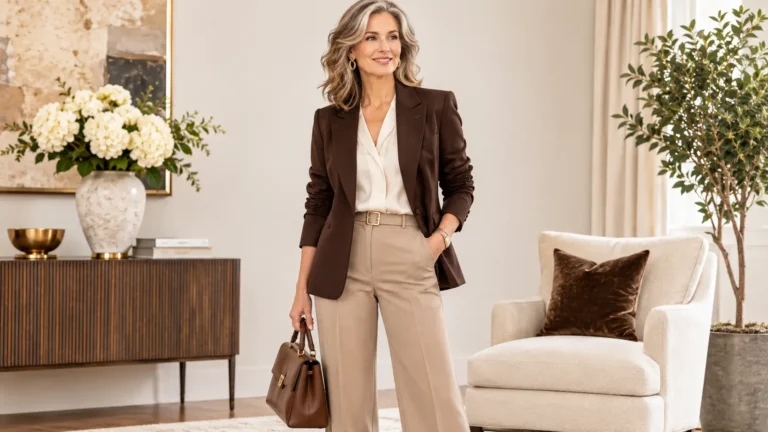


If you’ve ever put on an outfit that looked perfectly balanced on the hanger but somehow felt a little off once you tried it on, your torso-to-leg proportions might be the reason.
I think this is especially noticeable when you’re over 50 and your wardrobe starts shifting toward more polished, comfortable pieces.
A beautiful blouse, a pair of classic trousers, and your favorite shoes should work together, but sometimes the waistline seems too low, the top looks too long, or your legs appear shorter than they actually are.
Having a long torso isn’t something you need to hide. It’s simply a body proportion, and once you understand how to dress for it, choosing outfits becomes much easier.
The trick is to create visual balance between your upper and lower body without relying on uncomfortable shapewear, overly tight clothing, or trends that don’t suit your lifestyle.
When I think about flattering outfits for women over 50 with a long torso, I always come back to a few simple styling principles: finding the right waistline, choosing tops with flattering lengths, creating visual interest around the hips, and using jackets and accessories strategically. These little adjustments can make everyday outfits look more intentional.
Let’s get into the clothing choices, outfit combinations, and styling mistakes worth knowing about.
1. Choose High-Waisted Pants to Create Longer-Looking Legs
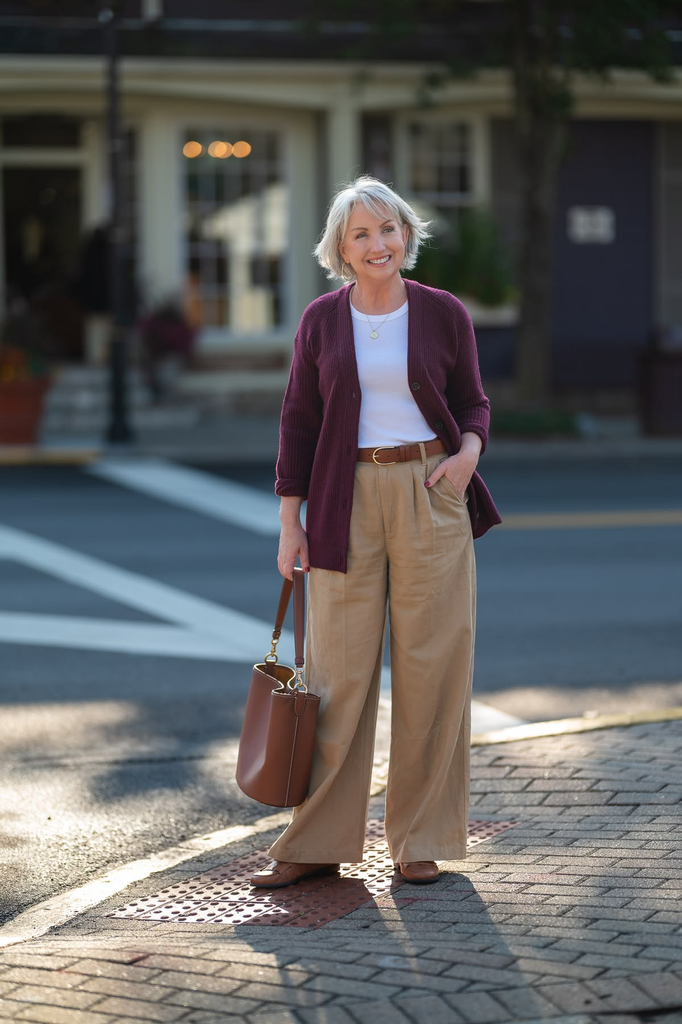
One of the easiest ways to balance a long torso is to bring attention to your natural waist or slightly above it. High-waisted pants do exactly that. They visually raise the starting point of your legs, creating a more balanced silhouette.
I particularly like tailored high-waisted trousers because they look sophisticated without feeling like you’re trying too hard. You can wear them with a simple knit top, a tucked-in blouse, or a lightweight sweater.
When shopping, look for:
- High-rise or comfortable mid-high-rise waistbands.
- Flat-front trousers for a streamlined appearance.
- Straight-leg cuts for everyday outfits.
- Wide-leg trousers when you want a more relaxed, elegant silhouette.
- Waistbands that sit comfortably without digging into your stomach.
A common mistake is choosing trousers that are extremely high-waisted but uncomfortable when sitting. You want the waistband to create a flattering proportion, not become something you’re adjusting all day.
My favorite combination: Cream high-waisted trousers, a tucked-in navy blouse, a slim leather belt, and pointed-toe flats. It’s simple, polished, and works for lunch, shopping, or a casual office day.
2. Wear Cropped Tops That End at Your Waist

Long tops can sometimes make a long torso appear even longer, particularly when they fall well below the hip line. That’s why I recommend experimenting with waist-length tops and slightly cropped sweaters.
And no, cropped doesn’t have to mean showing your stomach. There are plenty of sophisticated options designed to end right around the waistband of your trousers or skirt.
Look for:
- Waist-length cardigans.
- Cropped blazers with structured shoulders.
- Short knit sweaters.
- Waist-length button-down shirts.
- Sweater jackets that finish near the hip bone.
The key is making sure the top meets your pants at a flattering point. If you prefer extra coverage around your middle, choose a slightly longer cropped style that gently skims the waistband.
Pro tip: Before buying a cropped cardigan, check its length in inches. A style that looks waist-length on a tall model may sit much lower on your frame.
3. Try the French Tuck for Better Outfit Proportions
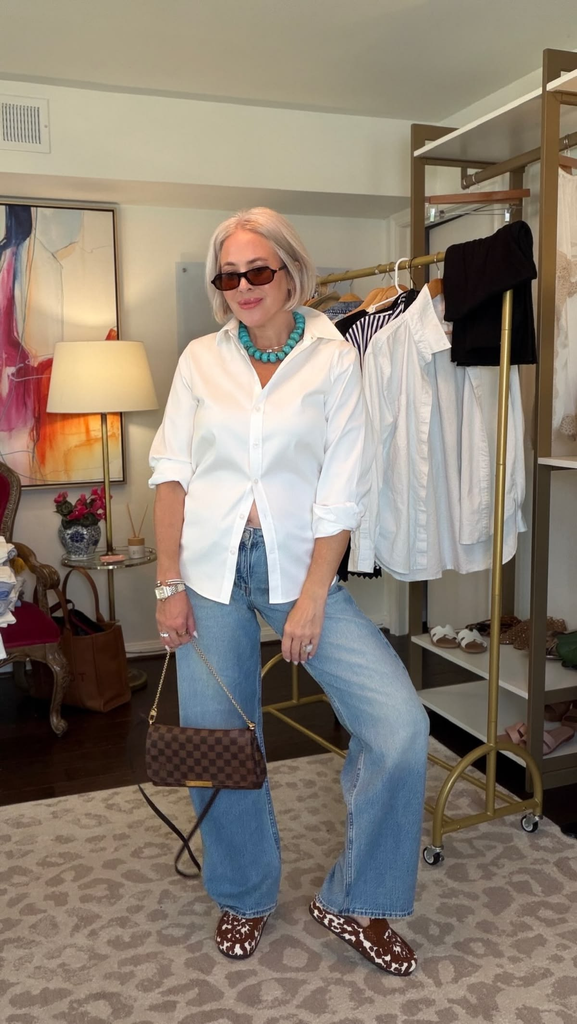
If you aren’t comfortable wearing fully tucked-in tops, the French tuck is one of my favorite alternatives. You simply tuck the front portion of your shirt into your pants while leaving the sides and back loose.
Why does this work so well for a long torso? It creates a visible waistline without making your outfit feel too fitted.
I especially like this technique with:
- Relaxed white button-down shirts.
- Lightweight cashmere sweaters.
- Soft cotton T-shirts.
- Linen blouses.
- Slightly oversized tops.
For a casual weekend look, try a white shirt with dark straight-leg jeans and a brown belt. Tuck just the front center of the shirt and let the sides fall naturally.
One thing I would avoid is tucking too much fabric into the waistband. A bulky bunch of material can create unnecessary volume around your middle.
4. Add Belts to Define Your Waistline

Belts are more than practical accessories. They’re one of the simplest ways to visually divide your upper and lower body.
For women with a long torso, a belt can help establish a waistline and make an outfit feel more proportionate. You don’t need a wide statement belt, either. A slim or medium-width leather belt often looks more refined.
Here are a few combinations I would try:
- Brown leather belt with cream trousers.
- Black belt with dark straight-leg jeans.
- Tan belt with navy tailored pants.
- Matching belt with a shirt dress.
- A medium-width belt over a lightweight cardigan.
If you prefer a softer silhouette, choose a belt that is close in color to your trousers. A contrasting belt creates a more noticeable horizontal line, while a tonal belt gives a quieter effect.
Pro tip: Position your belt at the waistband of your trousers rather than automatically placing it at the narrowest point of your torso. The goal is to create a balanced outfit, not force your body into a particular shape.
5. Choose Peplum Tops for a Balanced Silhouette

Peplum tops deserve another look if you’ve always thought they were too formal or old-fashioned. A modern peplum blouse can add gentle volume around the hips, which helps balance a longer upper body.
I prefer designs with subtle shaping rather than dramatic ruffles. The best styles create a soft transition from the waist to the hips without adding too much fabric.
Try pairing a peplum top with:
- Straight-leg trousers.
- Slim ankle pants.
- Dark denim jeans.
- A simple pencil skirt.
- Tailored wide-leg pants.
If your peplum top has plenty of volume, keep the bottom half relatively streamlined. You don’t need a dramatic top and dramatic trousers competing for attention.
For an elegant dinner outfit, a black peplum blouse with tailored cream trousers and simple gold earrings is a combination I would happily choose.
6. Wear Shorter Jackets Instead of Long, Boxy Layers
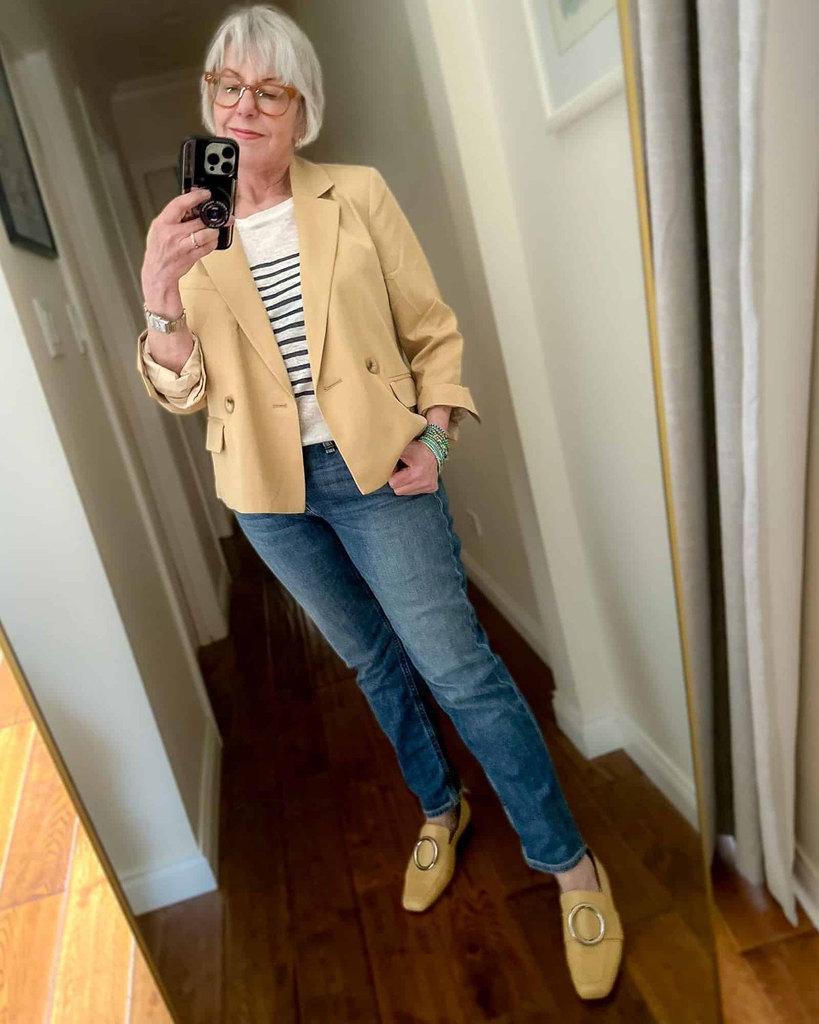
Jackets can completely change the proportions of an outfit. However, very long, boxy jackets sometimes make a long torso look even more elongated.
Instead, consider jackets that finish around your waist or upper hip. These create a visual break between your upper and lower body.
Some particularly flattering options include:
- Cropped tweed jackets.
- Waist-length denim jackets.
- Short structured blazers.
- Slightly fitted collarless jackets.
- Cropped leather jackets.
I especially like a shorter blazer over a simple top with high-waisted trousers. It gives you structure without overwhelming your frame.
If you prefer longer jackets, you don’t have to avoid them completely. Choose a style with a defined waist, a single-button closure, or a subtle shape through the sides.
Pro tip: Pay attention to where the jacket hem ends. A jacket that stops at the widest part of your hips may create a horizontal line you don’t particularly want. Try a slightly shorter or longer version to compare.
7. Try Monochromatic Outfits With a Defined Waist
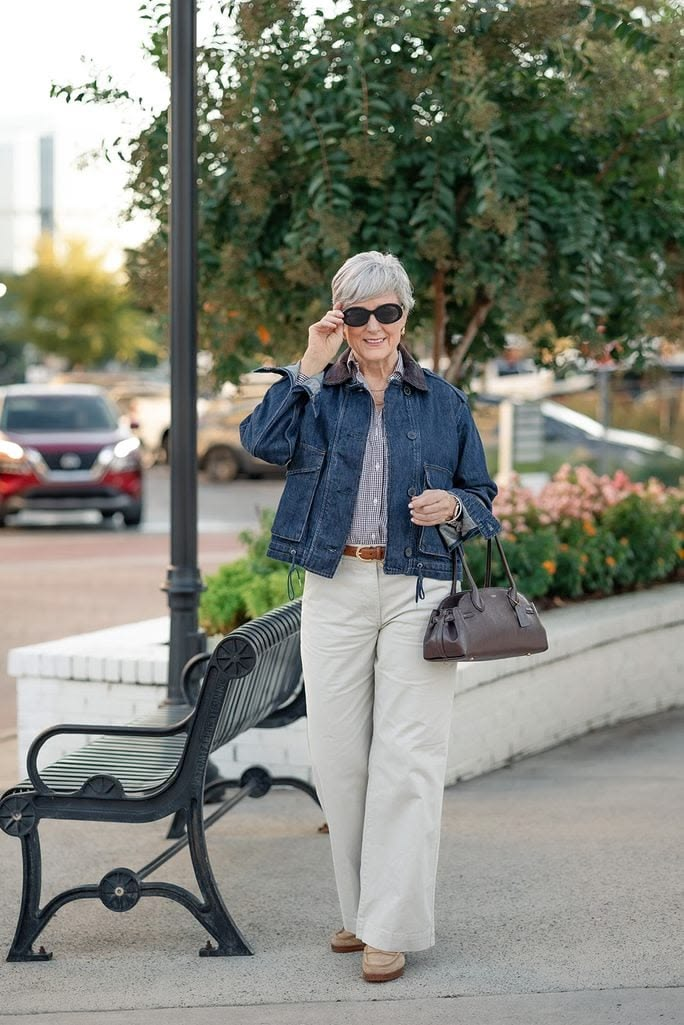
Monochromatic outfits are wonderful when you want an elegant, coordinated appearance. Wearing similar colors from head to toe creates a continuous visual line, while a defined waist keeps the outfit from looking shapeless.
For a long torso, I recommend adding a belt, a waist-length jacket, or a strategically tucked top.
Some color combinations worth trying include:
- Cream sweater with ivory trousers.
- Chocolate brown blouse with mocha pants.
- Navy knit top with dark navy trousers.
- Soft gray cardigan with charcoal pants.
- Camel blouse with beige tailored trousers.
You can also play with different textures. A ribbed sweater with smooth trousers or a satin blouse with wool pants creates interest without needing contrasting colors.
One thing to remember: monochromatic doesn’t mean every piece must be exactly the same shade. Slight variations often make the outfit look more expensive and thoughtfully styled.
8. Pick Dresses With an Empire or Raised Waistline

Dresses can be tricky when you have a long torso because many standard designs place the waist seam lower than you’d like. If the waistline falls too far down, it can exaggerate the length of your upper body.
Empire-waist dresses are worth trying because their waist seam sits just below the bust. This creates a higher visual starting point for the skirt.
Other flattering dress styles include:
- Wrap dresses with adjustable waist ties.
- Fit-and-flare midi dresses.
- Dresses with subtle waist gathers.
- Belted shirt dresses.
- Princess-seam dresses with gentle shaping.
I particularly like wrap dresses because you can adjust the waist placement instead of relying on a fixed seam.
For everyday wear, choose a knee-length or midi wrap dress with a comfortable fabric and simple pattern. Add low block heels or pointed flats for a polished finish.
Pro tip: Check where the waist seam actually sits when trying on a dress. A dress described as empire-waist may still have a seam that falls too low for your proportions.
9. Use A-Line Skirts to Add Balance Around the Hips
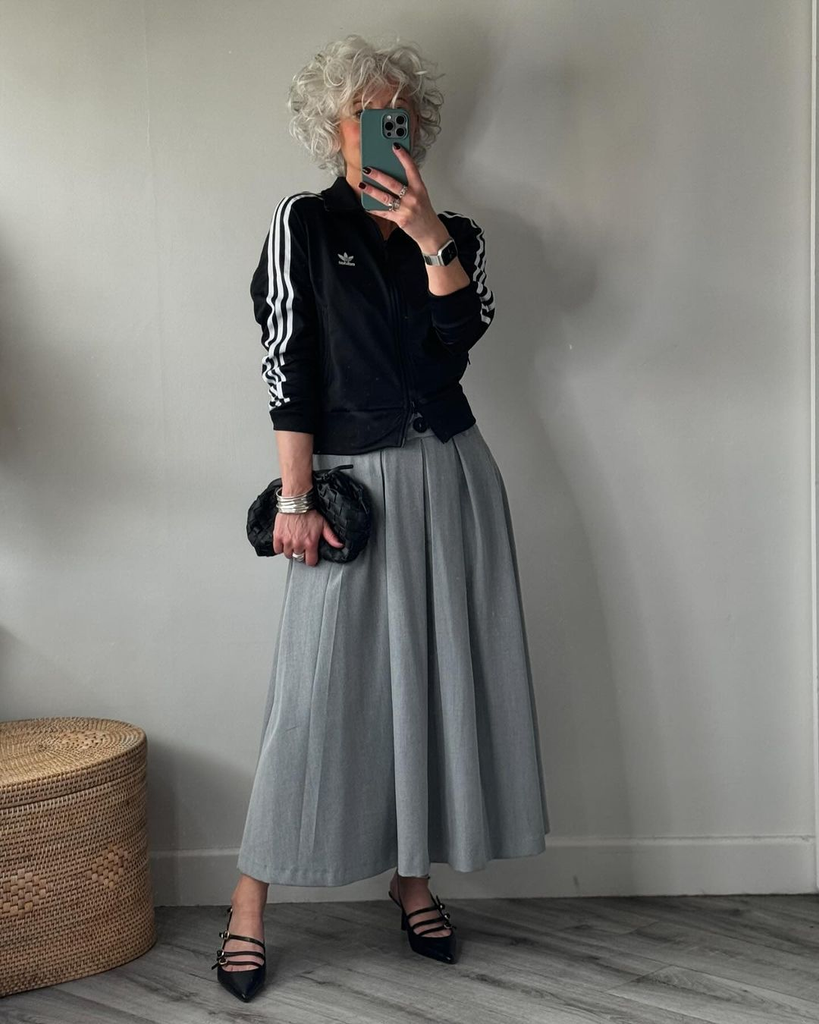
An A-line skirt is a lovely wardrobe option because it creates gentle volume below the waist. This can balance a longer torso while giving your outfit a feminine, classic shape.
I would start with a knee-length or midi A-line skirt in a fabric that holds its shape without feeling stiff.
Try these combinations:
- Black A-line skirt with a tucked white blouse.
- Navy midi skirt with a fitted knit top.
- Denim A-line skirt with a waist-length cardigan.
- Camel skirt with a tucked-in striped shirt.
- Chocolate brown skirt with a cream sweater.
The most important detail is the waistband. A higher waistband can help visually raise your waistline, while a top tucked in neatly creates a more defined silhouette.
If you’re petite, be mindful of skirt length. A midi skirt that ends at an awkward point on your calves may make your legs look shorter, especially when paired with flat shoes.
10. Choose Tops With Interesting Necklines
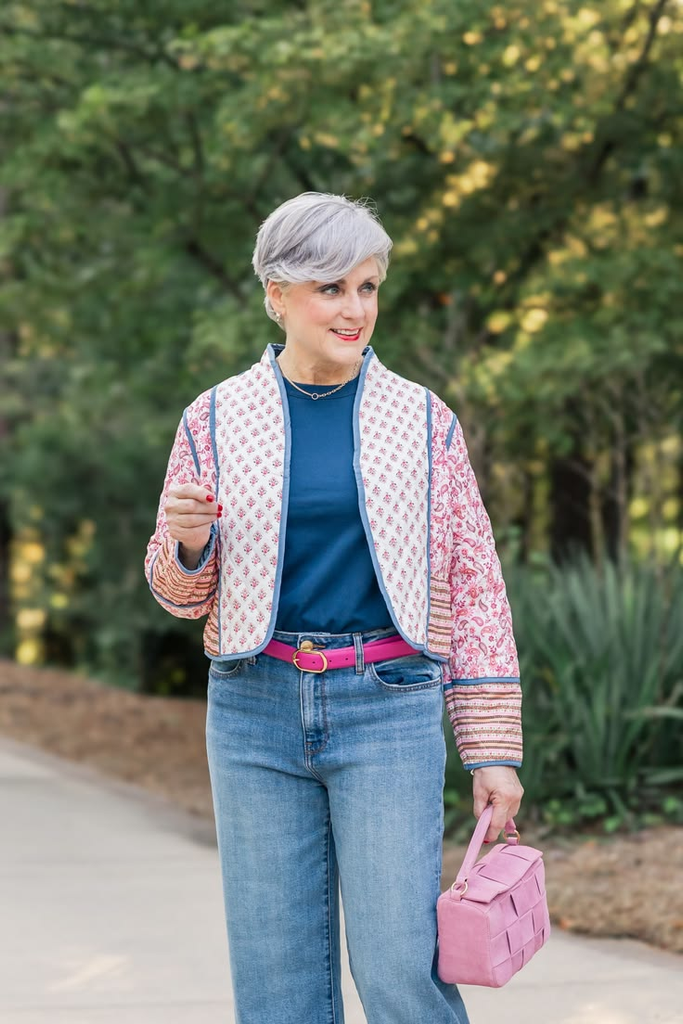
Necklines are often overlooked when discussing body proportions, but they can change the entire impression of an outfit.
V-necks, scoop necks, and open collars draw attention toward your face and neckline. They also create a little visual breathing room around the upper body.
For a balanced wardrobe, consider:
- V-neck knit sweaters.
- Open-collar button-down shirts.
- Soft scoop-neck tops.
- Square-neck blouses.
- Wrap-style tops.
A V-neck blouse paired with high-waisted trousers is one of my favorite combinations because it creates a flattering neckline and a more defined waist.
You don’t need a particularly deep neckline. A modest V-neck can achieve the same styling effect while remaining comfortable and appropriate for everyday wear.
11. Wear Wide-Leg Pants With a Defined Waist
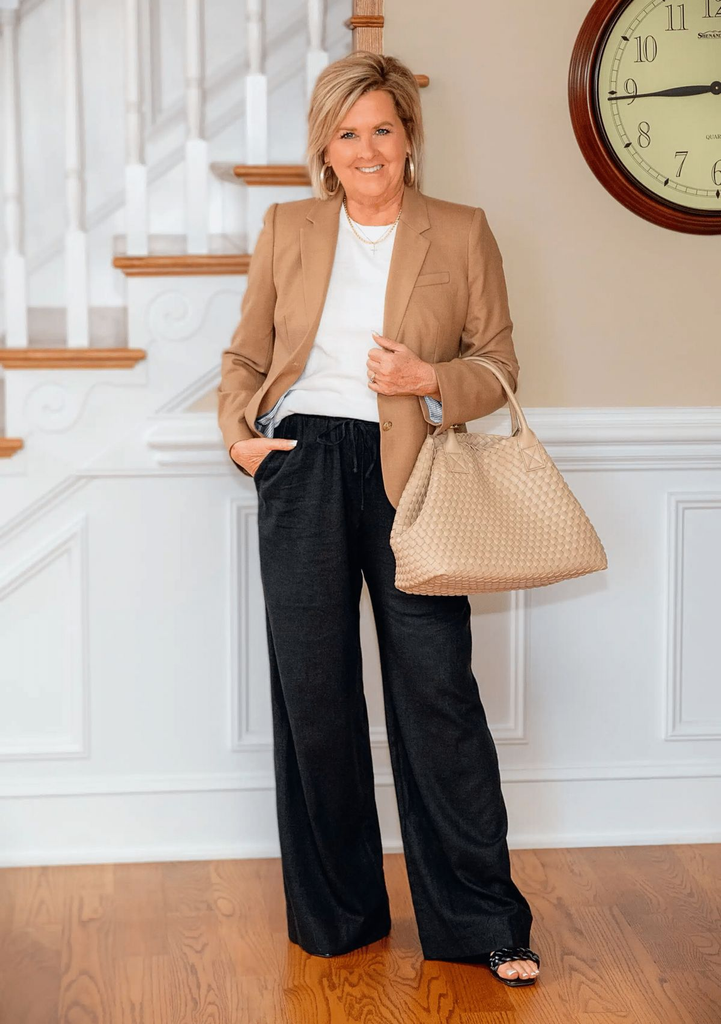
Wide-leg trousers are a great option when you want comfort without sacrificing style. They add visual presence to the lower half of your outfit, which can help balance a longer upper body.
However, the way you style them matters.
I recommend combining wide-leg pants with a fitted or semi-fitted top. A waist-length sweater, tucked-in blouse, or short cardigan keeps the proportions intentional.
For example, try:
- High-waisted black wide-leg pants.
- A fitted ivory knit top.
- A medium-width leather belt.
- Pointed-toe shoes.
If you prefer loose tops, choose one that can be partially tucked or has a defined hem.
The mistake I see most often with wide-leg pants is pairing them with an equally oversized top that falls well below the hips. The outfit can lose its shape entirely.
12. Use Vertical Details to Create a Longer, Balanced Look
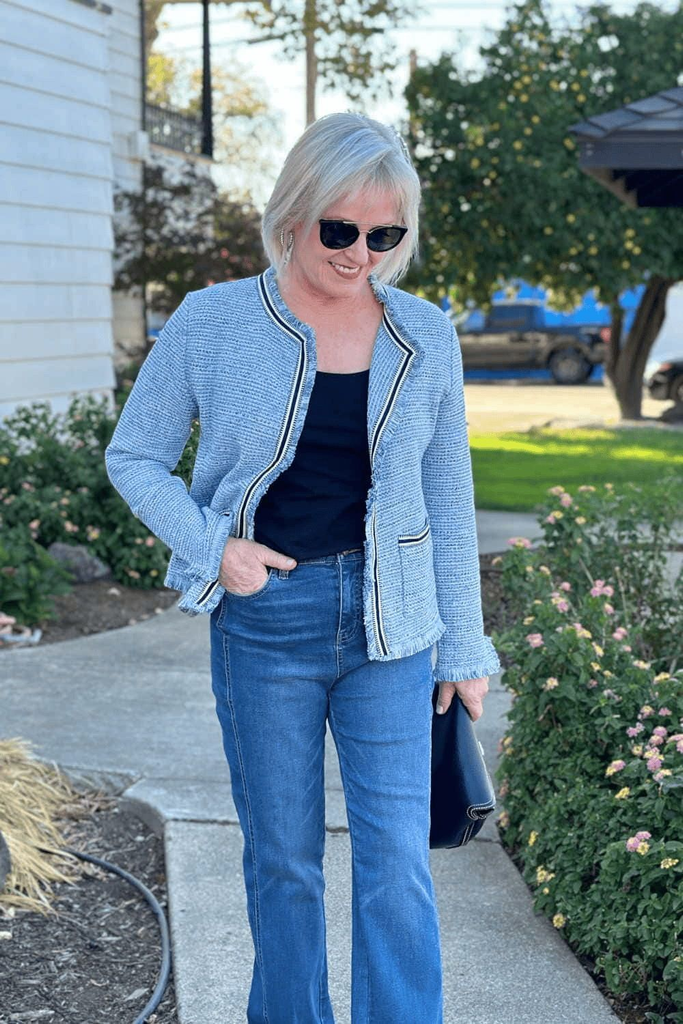
Vertical details can help create a streamlined appearance. Although the main goal is balancing your torso and legs, you can still use vertical lines to make an outfit feel elegant and cohesive.
Some easy ways to do this include:
- Open-front cardigans.
- Single-button blazers.
- Vertical trouser creases.
- Long pendant necklaces.
- Subtle vertical stripes.
- Open shirt jackets.
An open blazer over a tucked-in top is particularly useful because it creates two vertical lines while still allowing your waistline to remain visible.
I would avoid relying on oversized horizontal patterns across your entire outfit if you’re trying to create a more elongated appearance. Instead, mix a striped top with solid-color trousers or use a patterned scarf near your face.
13. Choose the Right Shoes to Complement Your Proportions
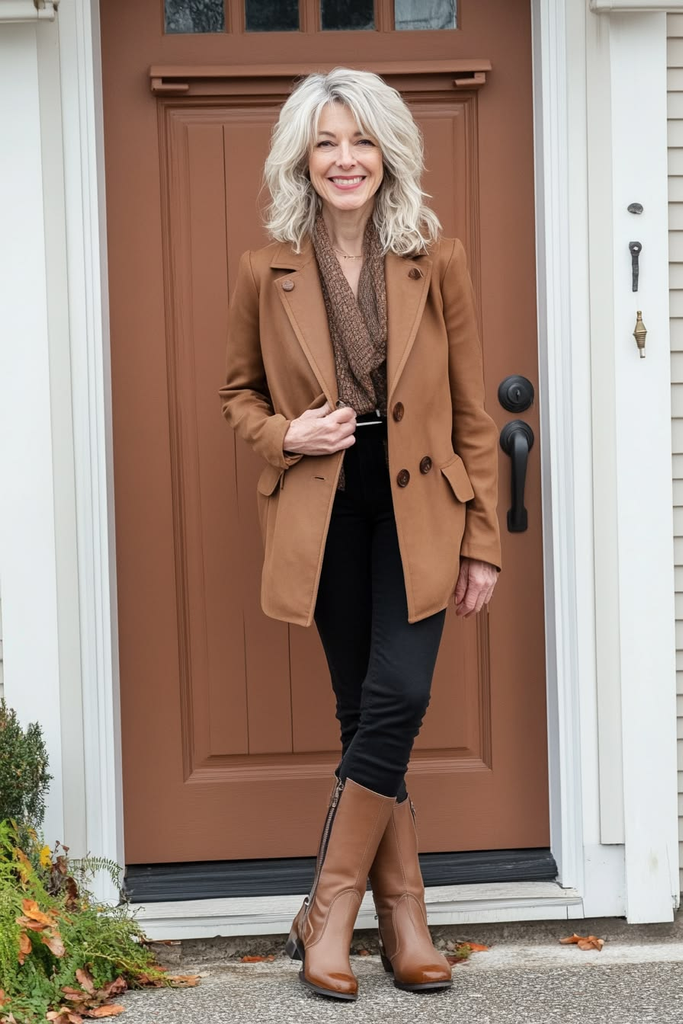
Shoes may seem like a small detail, but they can make a noticeable difference when you’re balancing a long torso and shorter-looking legs.
Pointed-toe flats, low heels, and shoes that blend with your trousers or skin tone can create a more continuous visual line.
My favorite options include:
- Pointed-toe ballet flats.
- Low block heels.
- Sleek loafers.
- Nude-colored pumps.
- Ankle boots with a streamlined shape.
If you’re wearing cropped trousers, be mindful of ankle straps and heavy shoe designs. A thick strap across the ankle can visually interrupt the leg line.
You don’t need high heels to create flattering proportions. Comfortable flats can look just as polished when the trouser length and shoe shape work together.
14. Try Wrap Tops for Adjustable Waist Definition

Wrap tops are particularly useful because you can adjust how the fabric sits around your waist. Instead of having a fixed seam, the wrap creates a diagonal line that naturally draws attention toward the middle of your outfit.
For women over 50, I particularly like soft wrap blouses in fabrics that drape rather than cling.
Look for:
- Adjustable side-tie blouses.
- Faux-wrap knit tops.
- Wrap cardigans.
- V-neck crossover sweaters.
- Wrap-style tunics with a defined waist.
Pair your wrap top with straight-leg jeans, tailored trousers, or a simple pencil skirt.
If you have a fuller bust, check that the neckline stays comfortably in place. A small hidden snap or camisole underneath can make the top much easier to wear.
15. Add Texture and Color to the Lower Half of Your Outfit
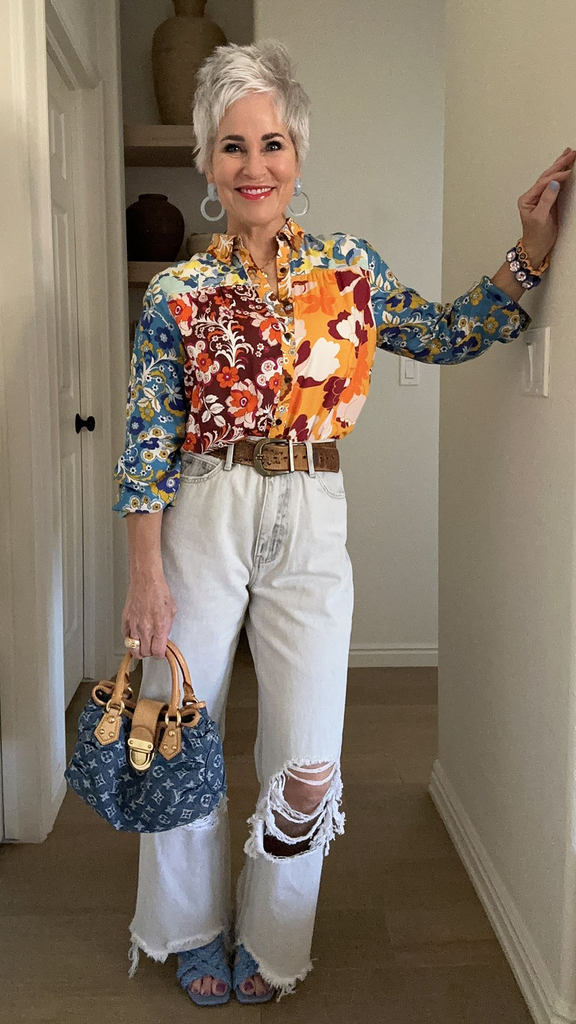
Another simple styling trick is to give your lower half a little more visual interest. This doesn’t mean wearing bright colors from head to toe. Even a textured fabric or a slightly richer trouser color can make an outfit feel more balanced.
I like adding color through:
- Burgundy tailored trousers.
- Olive-green straight-leg pants.
- Chocolate brown jeans.
- Textured cream wide-leg trousers.
- Subtle plaid or pinstripe pants.
If your top is simple, your trousers can become the interesting part of the outfit.
For example, a soft ivory sweater with burgundy trousers and brown loafers creates a beautiful combination for fall and winter. It’s polished without looking overly formal.
16. Style Long Cardigans Without Hiding Your Waist

You don’t have to give up long cardigans if you have a long torso. They’re comfortable, practical, and particularly useful during cooler months.
The secret is what you wear underneath.
Rather than layering a long cardigan over a loose tunic and low-rise pants, create a defined waist with a shorter top or tucked-in blouse.
Try:
- Long camel cardigan with a fitted cream top and dark jeans.
- Open gray cardigan with high-waisted black trousers.
- Navy cardigan over a tucked striped shirt.
- Lightweight knit cardigan with straight-leg denim.
I like leaving the cardigan open because it creates a vertical line through the center of the outfit.
Pro tip: If your cardigan is oversized, keep the base outfit simple and relatively fitted. This gives you the comfort of a relaxed layer without losing your overall shape.
17. Choose the Right Shirt Length for Your Body Shape

Not every shirt is designed to be tucked in, and not every long shirt looks good when left loose. The right shirt length can make a surprisingly big difference when dressing a long torso.
I recommend having three types in your wardrobe:
- Waist-length shirts for wearing with high-waisted pants.
- Hip-length shirts for French tucks and relaxed outfits.
- Longer shirts with side slits for wearing open over a fitted base layer.
A shirt with side slits is particularly practical because it allows fabric to move around your hips instead of pulling tightly across them.
When shopping online, don’t rely on the model photos alone. Check the garment measurements and compare them with a shirt you already own and like.
18. Build a Balanced Casual Outfit With Jeans and Knitwear
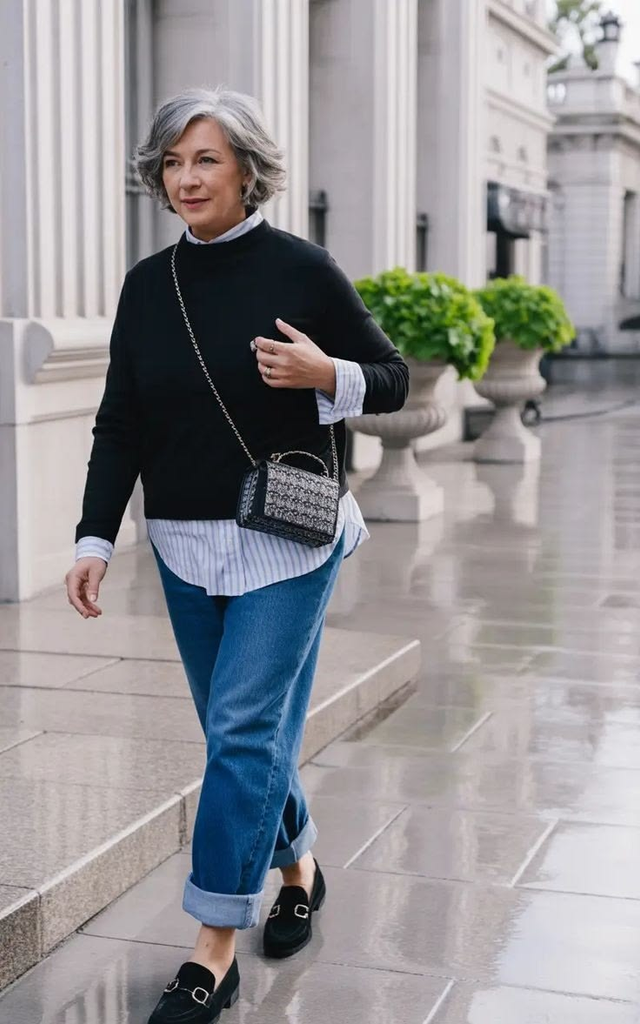
Casual dressing is where many women struggle because comfortable clothes often come in relaxed, oversized shapes. There’s nothing wrong with that, but combining several oversized pieces can make it difficult to see your natural proportions.
For everyday outfits, I would start with high-rise straight-leg jeans and a slightly cropped or waist-length knit.
Some combinations worth trying:
- Dark straight-leg jeans with a cropped cream sweater.
- High-rise blue denim with a tucked striped shirt.
- Black jeans with a waist-length cardigan.
- Wide-leg denim with a fitted V-neck top.
- Dark denim with a short structured jacket.
You can finish these looks with loafers, white sneakers, or ankle boots depending on the season.
My personal preference is dark straight-leg denim because it’s easy to dress up or down. It also works with almost every top in a practical wardrobe.
19. Wear Jumpsuits With a Defined or Adjustable Waist
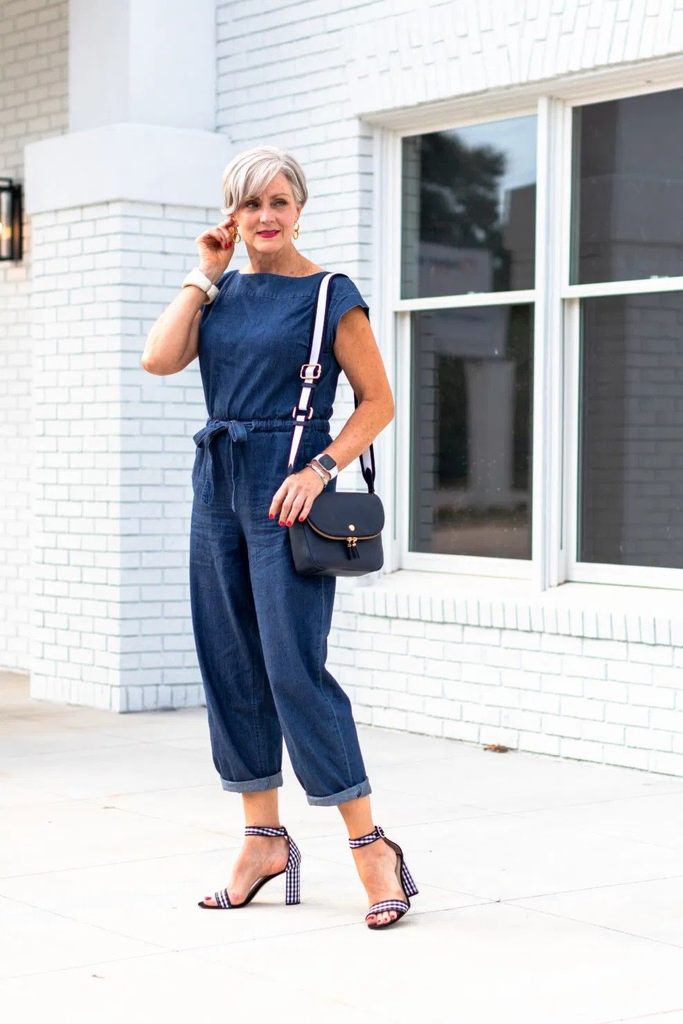
Jumpsuits can be beautiful on women over 50, but they need the right proportions. A jumpsuit with a dropped waist or a low-set waist seam may exaggerate a long torso.
Instead, look for styles with an adjustable tie belt, a higher waist seam, or a clearly defined waist.
Good options include:
- Belted wide-leg jumpsuits.
- Wrap-front jumpsuits.
- Tailored jumpsuits with a waist seam.
- Sleeveless jumpsuits layered with a cropped jacket.
- Soft utility jumpsuits with an adjustable drawstring waist.
One important detail is torso length. If a jumpsuit is too short through the body, it can pull uncomfortably at the shoulders and crotch. If it’s too long, the waist may sit lower than intended.
Always check the garment’s total length and torso measurements before ordering online.
20. Use Layering to Create Better Proportions in Winter
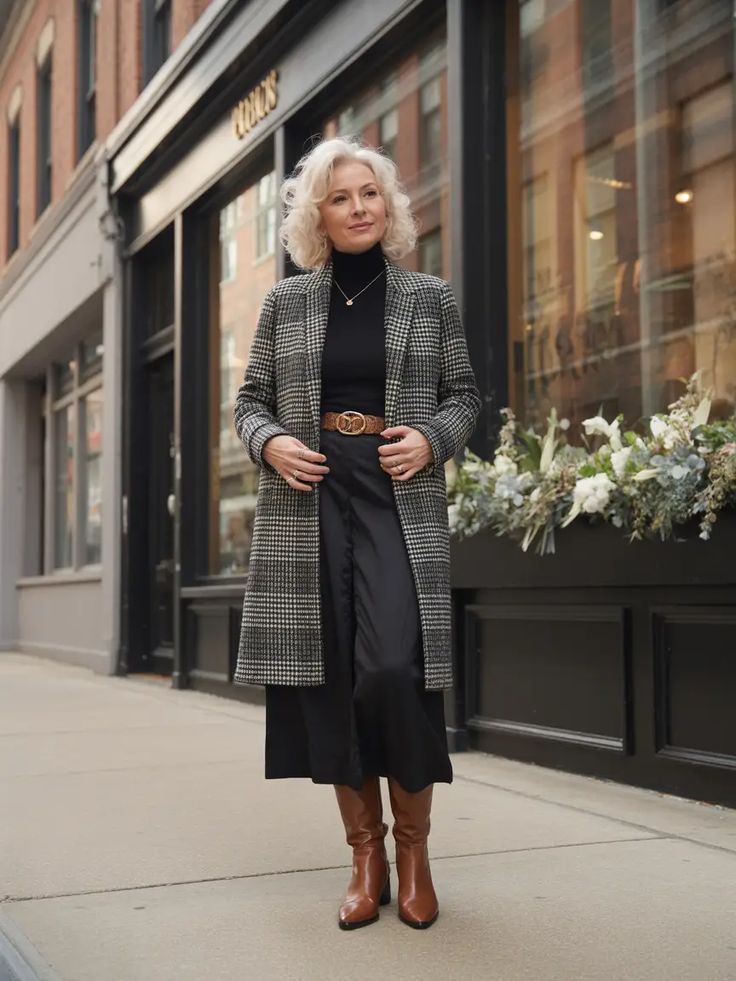
Winter layering can be challenging because bulky sweaters and long coats add a lot of fabric around the upper body.
The trick is to create a defined base outfit before adding your outer layers.
For example, start with a fitted turtleneck and high-waisted trousers. Add a waist-length cardigan or cropped jacket, then finish with a longer coat if the weather requires it.
I particularly like these combinations:
- Cropped wool jacket with high-waisted trousers.
- Fitted turtleneck with wide-leg pants.
- Short cardigan with straight-leg jeans.
- Belted wool coat over a simple monochromatic outfit.
You can absolutely wear long winter coats. Just make sure the outfit underneath has some visible shape so you don’t disappear inside multiple layers.
Quick Comparison: Which Clothing Styles Work Best for a Long Torso?
If you’re shopping for new clothes and don’t want to spend money experimenting with everything, this comparison can help narrow down your choices.
| Clothing style | Why it helps | What to look for |
|---|---|---|
| High-waisted trousers | Visually raises the waistline | Comfortable high rise |
| Cropped cardigans | Creates a shorter upper-body line | Hem near waistband |
| Wrap tops | Adds waist definition | Adjustable ties |
| Peplum blouses | Adds gentle hip volume | Subtle flare |
| A-line skirts | Balances the lower body | Higher waistband |
| Short blazers | Creates a visual break | Waist-length cut |
| Empire dresses | Raises the visual waistline | Comfortable bust fit |
| Wide-leg pants | Adds volume below the waist | Defined upper half |
| Belts | Establishes a waistline | Slim or medium width |
How to Build a Capsule Wardrobe for a Long Torso Over 50
You don’t need to replace your entire wardrobe to create more flattering proportions. I would start by choosing versatile pieces that work together and make everyday dressing easier.
Here are the items I would prioritize.
| Wardrobe essential | Suggested quantity | What to prioritize |
|---|---|---|
| High-waisted trousers | 2 pairs | Black and beige |
| Straight-leg jeans | 2 pairs | Dark and medium wash |
| Waist-length cardigans | 2 | Cream and navy |
| Fitted knit tops | 3 | Neutral colors |
| Wrap blouse | 1–2 | Adjustable waist |
| Short blazer | 1 | Neutral tailoring |
| A-line or midi skirt | 1–2 | Comfortable waistband |
| Belt | 1–2 | Brown and black |
| Pointed-toe flats | 1 pair | Comfortable everyday style |
| Wrap or belted dress | 1 | Adjustable waist |
How Much Should You Spend?
You don’t have to buy expensive designer clothing to dress well. I would spend more on pieces that you wear regularly and less on seasonal trends.
| Item | Budget approach |
|---|---|
| Tailored trousers | Prioritize fit and fabric |
| Jeans | Spend on comfortable construction |
| Cardigans | Affordable options can work beautifully |
| Blazers | Invest in good shoulder fit |
| Belts | A quality leather belt can last years |
| Trendy tops | Keep spending modest |
| Everyday shoes | Prioritize comfort and construction |
One of my strongest recommendations is to have trousers altered if the waist and hips fit but the length is wrong. A relatively inexpensive hem adjustment can make an affordable pair look much more polished.
Common Styling Mistakes to Avoid When You Have a Long Torso
Sometimes it’s not about buying new clothes. It’s about noticing the small styling choices that are making your existing wardrobe less flattering.
Here are a few mistakes I would watch for.
1. Wearing Low-Rise Pants With Long Tops
Low-rise trousers combined with a long top can make your legs appear shorter and your torso longer.
Try instead: High-waisted or mid-high-rise trousers with a tucked or waist-length top.
2. Choosing Oversized Tops Without Any Waist Definition
Relaxed clothing is comfortable, but too much volume can hide your natural shape.
Try instead: A French tuck, wrap top, waist-length cardigan, or structured jacket.
3. Wearing Jackets That End at an Awkward Point
A jacket that finishes at the widest part of your hips can sometimes create an unbalanced horizontal line.
Try instead: Experiment with waist-length or slightly longer structured jackets.
4. Buying Dresses Without Checking the Waist Placement
A fixed waist seam that sits too low can exaggerate your torso length.
Try instead: Wrap dresses and adjustable waist styles.
5. Ignoring Trouser Length
Even beautiful high-waisted pants can look awkward when they’re too long or too short.
Try instead: Check the hem with the actual shoes you plan to wear.
6. Thinking You Must Avoid Long Clothing
Long cardigans, maxi dresses, and long coats aren’t automatically wrong for a long torso.
Try instead: Balance longer pieces with a defined waist, thoughtful layering, or a shorter base top.
Frequently Asked Questions
What is the most flattering outfit for a woman over 50 with a long torso?
I would start with high-waisted straight-leg trousers, a tucked-in or waist-length top, and a short structured jacket. This combination visually raises your waistline and creates a balanced silhouette without requiring tight clothing.
Should women with long torsos wear high-waisted pants?
Yes, high-waisted pants are often a useful choice because they can make the legs appear longer in proportion to the torso. However, comfort matters. Choose a rise that sits naturally on your body rather than forcing yourself into an extremely high waistband.
Are long tops flattering for a long torso?
They can be, but the styling matters. A long top worn loose with low-rise pants may emphasize torso length. Try a French tuck, side-slit design, or shorter jacket to create more definition.
What dresses look best on women over 50 with a long torso?
Wrap dresses, fit-and-flare dresses, and styles with adjustable waistlines are good options. Empire-waist dresses can also work well, provided the bust and seam placement fit comfortably.
Should I wear belts if I have a long torso?
Absolutely. Belts can help establish a visual waistline and separate the upper and lower portions of an outfit. Medium-width belts are particularly versatile, but you should choose a width that feels comfortable and complements your clothing.
Can petite women over 50 have a long torso?
Yes. Height and torso proportions are two different things. A petite woman can have a relatively long torso and shorter legs, just as a taller woman can have different proportions. Focus on how your clothing fits rather than relying on height labels.
Do wide-leg pants flatter women with a long torso?
They can be an excellent choice. Wide-leg pants add visual volume to the lower half and look especially balanced with a fitted or waist-length top. High-waisted styles are worth trying.
What should I avoid wearing if I have a long torso?
You don’t need a strict list of forbidden clothing. However, you may find that low-rise pants, very long untucked tops, dropped-waist dresses, and oversized outfits without waist definition are less flattering for the proportions you’re trying to create.
Final Thoughts
If I were rebuilding a wardrobe for a long torso over 50, I would start with three things: a comfortable pair of high-waisted trousers, a few waist-length tops, and a structured jacket that fits properly through the shoulders.
Those pieces would give me plenty of outfit combinations without requiring a closet full of new clothes.
Most importantly, don’t get too caught up in trying to make your body fit a particular fashion rule. Your goal isn’t to hide your long torso or change your natural shape. It’s to understand which clothing proportions make you feel comfortable, confident, and beautifully dressed.