
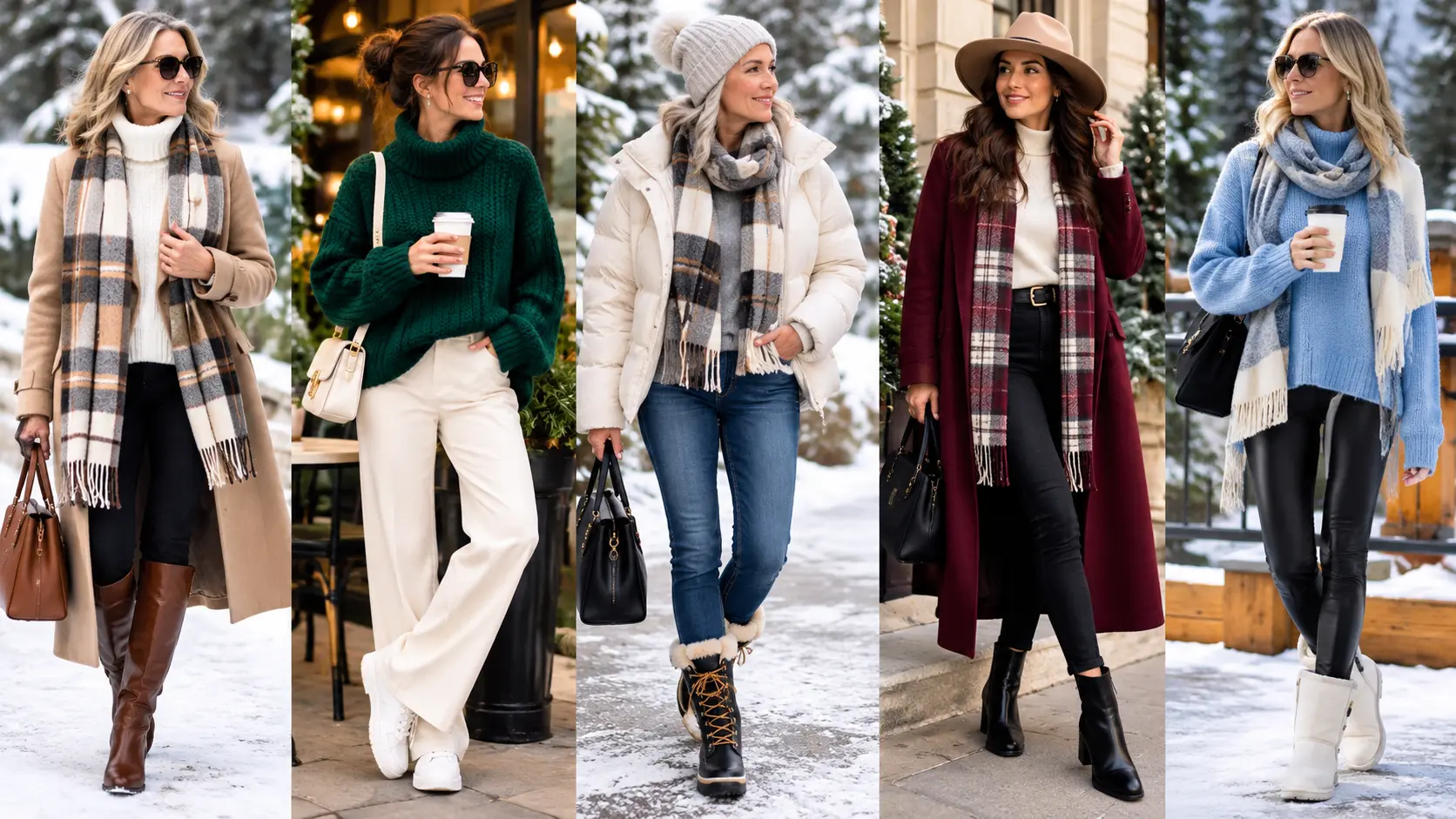

The first genuinely cold morning of winter is when I realize how many outfits I own that look cute on a hanger but do absolutely nothing to keep me warm.
You know the situation: you put together a beautiful outfit, step outside, and immediately regret choosing style over a decent coat. I’ve learned that the best winter outfit ideas aren’t about buying an entirely new wardrobe.
They’re about combining warm layers, comfortable fabrics, and a few pieces that make even your everyday clothes feel intentional.
When I plan winter fashion outfits, I focus on three things: staying warm enough to enjoy being outside, choosing pieces that work together, and finding combinations that don’t feel repetitive by February. A good pair of jeans, a cozy sweater, a structured coat, and the right boots can create more outfits than you might expect.
Whether you prefer casual winter outfits for everyday errands, classy winter outfits for work or dinner, or cozy winter outfits for relaxed weekends, there are plenty of ways to make cold-weather dressing feel easier.
Below, I’ll walk you through outfit combinations, layering tricks, color pairings, and practical shopping tips so you can build a winter wardrobe that works for your lifestyle and budget.
1. Classic Sweater and Straight-Leg Jeans
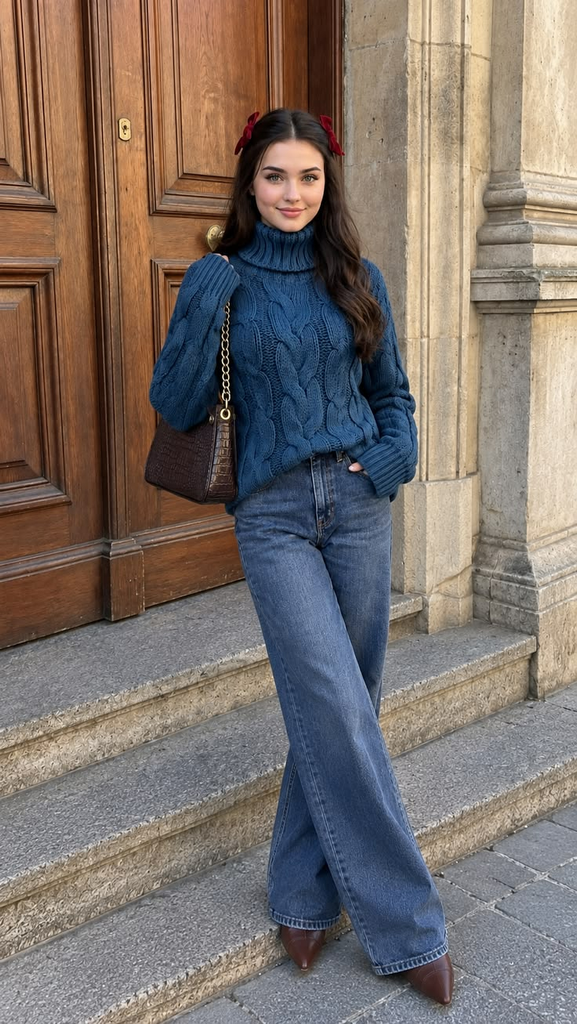
If I had to start a winter wardrobe with just one outfit formula, it would be a soft sweater with straight-leg jeans. It’s simple, comfortable, and easy to adjust for different temperatures without making you look like you’ve dressed for an expedition.
Choose a cream, gray, chocolate brown, or burgundy sweater and pair it with medium-wash or dark-wash denim. Add ankle boots for a polished finish, or wear clean sneakers on milder days. A leather belt and structured handbag can make the entire combination feel more put together.
For colder weather, wear a thin thermal top underneath your sweater and add a wool-blend coat. The trick is to choose a base layer that sits smoothly against your body so your sleeves don’t bunch up.
My styling tip: If your sweater is oversized, try a small front tuck rather than tucking in the whole thing. You get a little shape at the waist without sacrificing that relaxed winter aesthetic.
2. Monochrome Winter Outfits in Neutral Colors
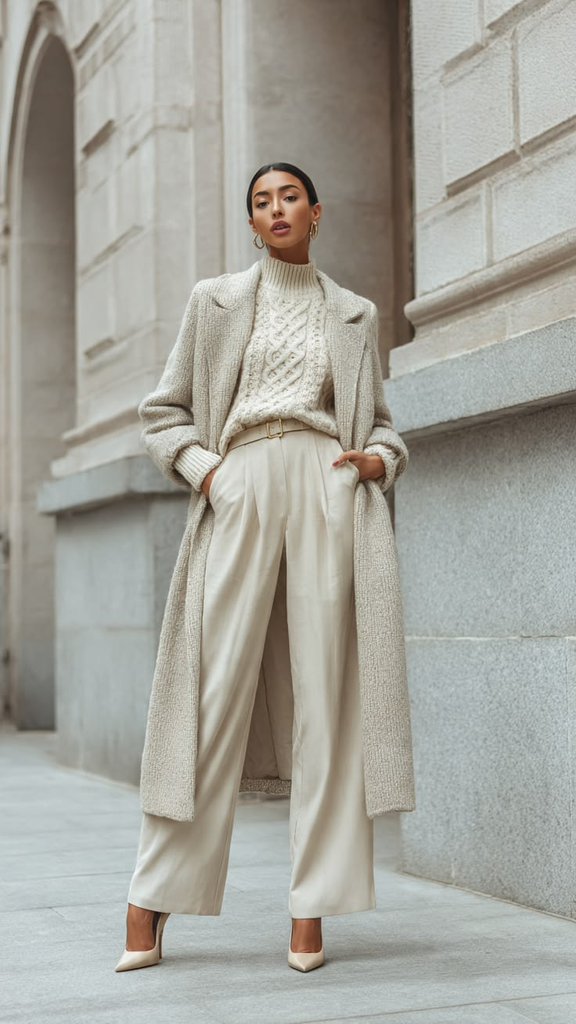
Monochrome dressing is one of my favorite ways to make winter outfits look expensive without necessarily spending more money. Wearing different shades of the same color creates a coordinated appearance, even when the individual pieces are fairly basic.
Try cream trousers with an ivory knit and a camel coat, or combine charcoal jeans, a gray sweater, and a darker gray scarf. Chocolate brown, navy, black, and soft beige also work beautifully for this approach.
The secret is texture. If every piece is the same shade and has the same finish, the outfit can look a little flat. Combine ribbed knits, wool-like fabrics, denim, suede-look accessories, or smooth leather to give the outfit depth.
For anyone building a capsule wardrobe, this is a practical strategy because neutral pieces are easier to mix and match across multiple outfits.
Pro tip: Before buying another neutral sweater, check whether it works with at least three things you already own. A versatile piece is more valuable than a beautiful one that only matches a single outfit.
3. Casual Winter Outfits With a Puffer Jacket

A puffer jacket is useful when the temperature drops, especially if you spend time walking, commuting, or running errands. It provides a more practical alternative to a lightweight fashion coat when the weather is genuinely cold.
For an easy everyday look, pair a black or cream puffer with leggings, a long-sleeved thermal top, and insulated sneakers or winter boots. If you prefer denim, straight-leg jeans and a chunky sweater work just as well. A longer puffer can provide additional coverage around your hips and thighs.
Pay attention to the fit. A jacket that’s too tight may compress the insulating layers and restrict movement, while one that’s excessively oversized can make layering awkward. If you plan to wear thick sweaters underneath, leave enough room to move your arms comfortably.
My tip: Choose a puffer with pockets that close securely and a hood if you regularly deal with wind or unexpected rain. Those details matter more than decorative hardware when you’re wearing the jacket every day.
4. Chic Winter Outfits With a Long Wool Coat

A long coat instantly adds structure to casual winter outfits. Even if you’re wearing a plain T-shirt, jeans, and boots underneath, a well-fitting coat makes the combination look more considered.
Camel is a classic choice, but black, charcoal, navy, and deep chocolate brown are equally versatile. Wear yours over tailored trousers and a fine-knit sweater for work, or throw it over denim and a scarf for a weekend coffee run.
Check the shoulder fit before anything else. The coat should sit comfortably across your shoulders, close without pulling when buttoned, and leave enough room for a sweater. If you live somewhere with freezing winters, look for a fabric composition and lining suited to those temperatures rather than relying on appearance alone.
A long coat isn’t automatically the warmest option, either. A lightweight fashion coat may look beautiful but offer little protection in strong wind, so check the fabric, lining, and care instructions before buying.
Pro tip: If you own only one dressier winter coat, choose a color that works with your most-worn shoes and bags. That makes getting dressed much easier on busy mornings.
5. Cozy Winter Outfits With Oversized Knitwear
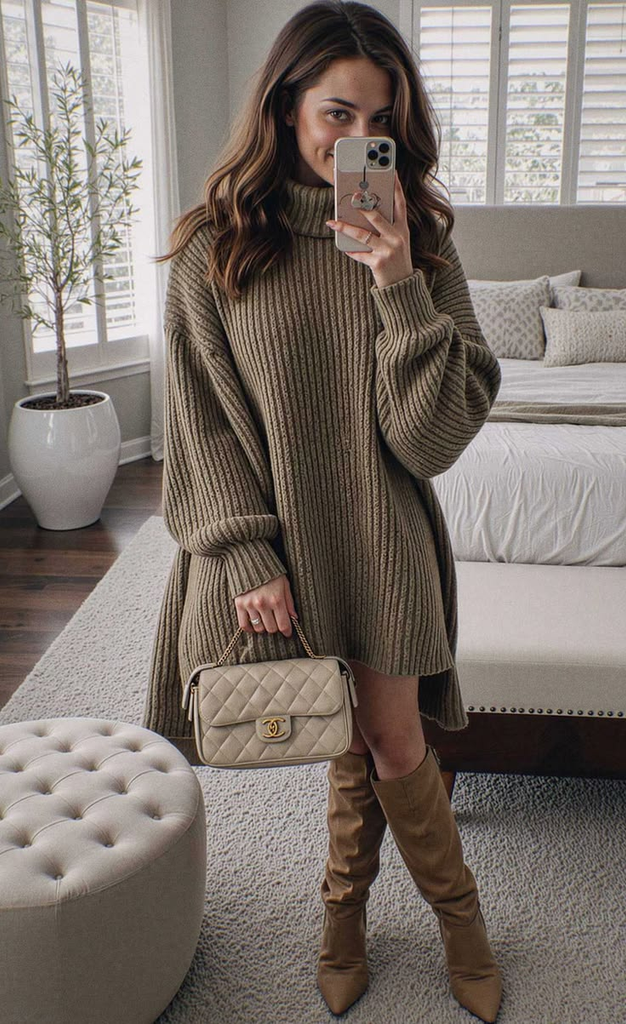
Some days call for an outfit that feels as comfortable as your favorite blanket but still looks suitable for leaving the house. Oversized knitwear does exactly that when you balance the proportions.
Wear a roomy sweater with slim or straight-leg jeans, or combine a longer knit with leggings and knee-high boots. If you prefer wide-leg trousers, choose a sweater with a defined shoulder or a slightly cropped hem so the outfit doesn’t lose all its shape.
Cable-knit sweaters add visual interest, while fine-gauge knits work well under coats. For sensitive skin, check the fiber content and consider a soft cotton blend or a layer beneath wool.
One thing I would avoid is buying a sweater several sizes too large just to achieve an oversized look. The shoulders, sleeves, and neckline can become uncomfortable, and the extra fabric may make layering under a coat difficult.
Styling tip: Push the sleeves up slightly when you’re indoors and add a watch or simple bracelet. It’s a small detail, but it helps a relaxed outfit feel finished.
6. Winter Outfit Ideas With a Blazer and Jeans
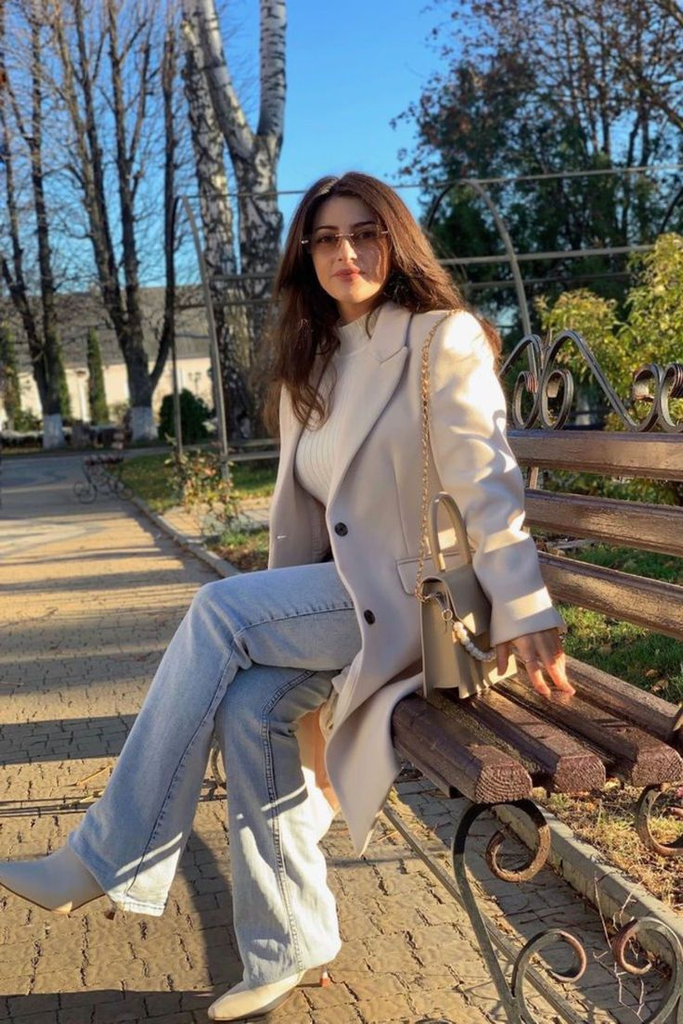
A blazer is a useful bridge between casual and dressy winter fashion. It works for office days, lunches, appointments, and occasions when you want to look polished without wearing a full suit.
Start with dark straight-leg jeans, a fitted knit top, and a single-breasted blazer. Finish with loafers in milder weather or ankle boots when temperatures fall. A checked blazer adds pattern, while a plain black, gray, or brown version is easier to wear repeatedly.
For cold days, choose a heavier blazer or layer a thin thermal top beneath your knitwear. A standard lightweight blazer on its own won’t provide enough insulation for genuinely cold weather.
The fit is especially important here. The blazer should allow you to bend your arms and sit comfortably without pulling across the back. If you plan to wear it under a coat, try both pieces together before deciding on the size.
Pro tip: Keep the inner layers relatively smooth if the blazer is fitted. Bulky sleeves can bunch up and make even a well-made jacket uncomfortable.
7. Classy Winter Outfits With Tailored Trousers
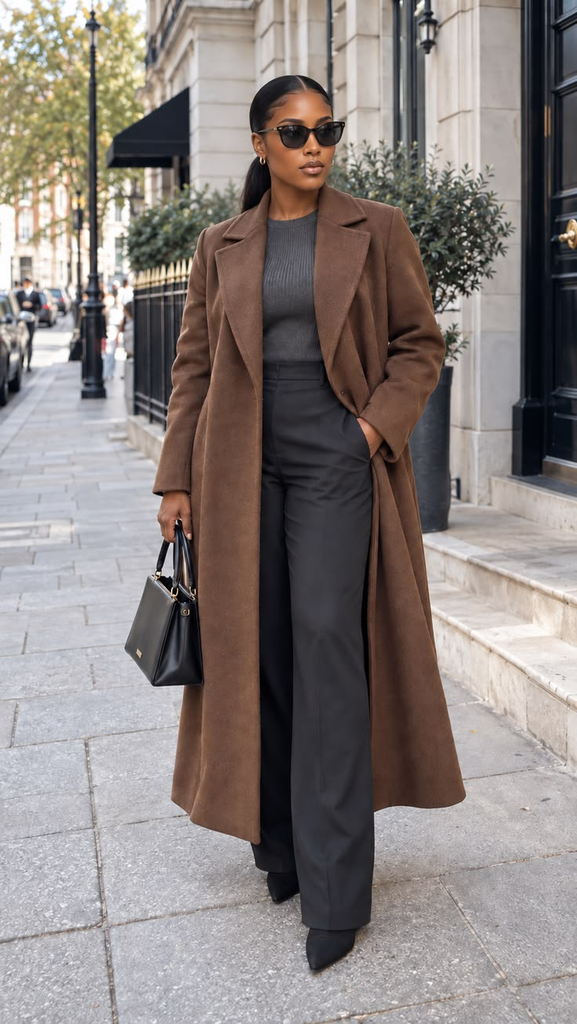
Tailored trousers are an excellent choice when you want something more refined than jeans but don’t want to sacrifice comfort. They work for professional settings, dinners, events, and everyday outfits that need a little polish.
Pair black or charcoal trousers with a cream turtleneck, a belt, and leather ankle boots. For a softer look, try taupe trousers with a chocolate sweater and a coordinating coat. Navy trousers with gray knitwear are another combination worth repeating.
In cold weather, look for thicker fabrics that hold their shape and feel comfortable against your skin. Wide-leg trousers can accommodate thermal tights underneath, provided the fabric drapes properly and the waistband doesn’t become too tight.
Check the hem length with the shoes you plan to wear most often. Trousers that drag across wet pavement can become damaged quickly, while hems that are too short may disrupt the proportions of the outfit.
My tip: If you’re buying trousers for work and weekends, choose a neutral color that pairs with at least two sweaters and two pairs of shoes you already own.
8. Casual Winter Outfits With Leggings and Knee-High Boots

Leggings are practical for everyday winter dressing, but the styling makes a difference. Pairing them with a longer sweater, a structured jacket, and knee-high boots creates a comfortable outfit that feels more deliberate than simply throwing on gym clothes.
Choose leggings that are opaque, comfortable when bending, and thick enough for the conditions. Add a longline knit, a quilted jacket, or a wool-blend coat depending on the weather. Knee-high boots provide coverage, while a scarf and gloves make the outfit more functional outdoors.
If you prefer a more athletic look, swap the coat for a puffer and choose insulated trainers or winter boots. This version works well for walking, casual shopping, and travel days.
Avoid leggings that become transparent when stretched or slide down as you move. These fit problems are especially noticeable when you spend a whole day wearing them.
Pro tip: If you’re layering thermal leggings beneath trousers or wearing leggings under boots, test the combination at home first. Too many tight layers can restrict movement rather than improve warmth.
9. A Turtleneck With a Midi Skirt
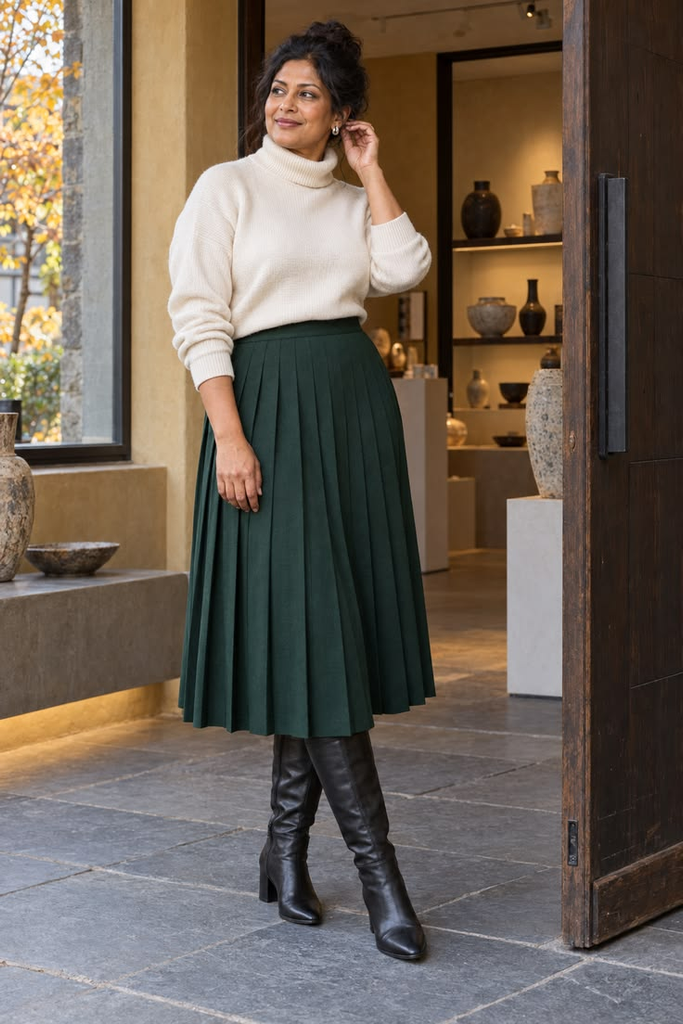
Winter doesn’t have to mean wearing trousers every day. A midi skirt with a warm turtleneck offers a more feminine alternative while still allowing room for practical cold-weather layers.
Try a black knit skirt with a cream sweater, or pair a pleated skirt with a fitted turtleneck and ankle boots. For a dressier look, add a long coat and a structured handbag. If you prefer a relaxed aesthetic, choose a soft knit skirt and a slightly oversized sweater.
Warm tights are important when the weather is cold. You can also wear thermal shorts or other comfortable base layers beneath the skirt, depending on the fit and temperature. Choose boots that work with the skirt’s hemline so the outfit feels balanced.
Fabric matters here. A lightweight summer skirt may cling to tights or provide little warmth, whereas a heavier knit or lined skirt can be more comfortable in winter.
Styling tip: If both the skirt and sweater are voluminous, define the waist with a tuck or choose a sweater that ends near the waistband. This creates shape without making the outfit feel restrictive.
10. Winter Outfits With Denim and a Leather Jacket
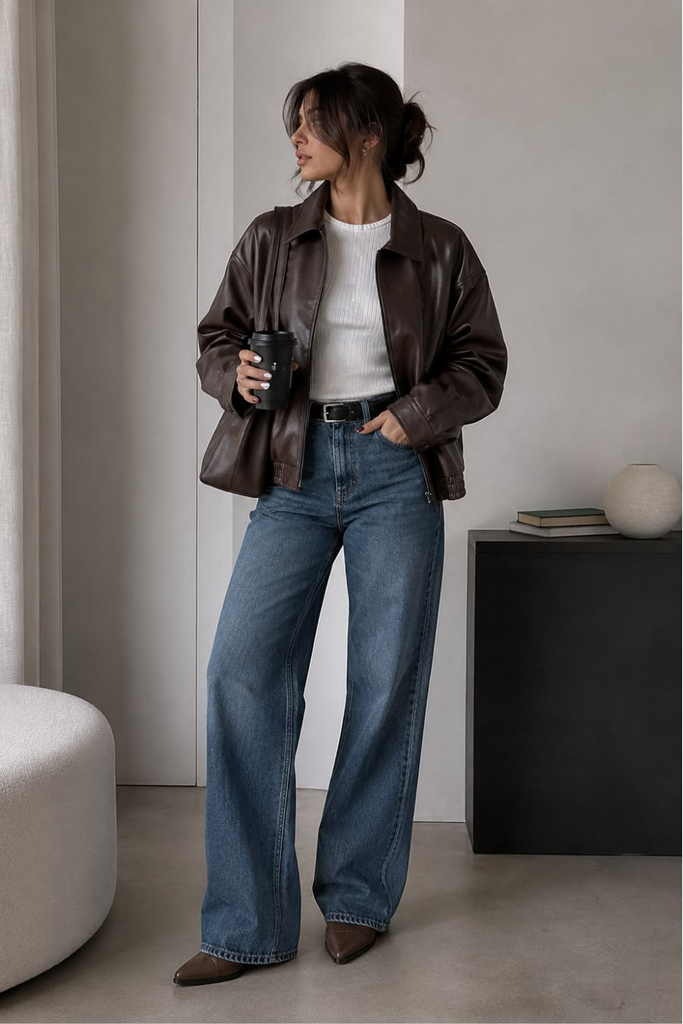
A leather or faux-leather jacket adds structure to winter outfits and works especially well with denim. The combination feels casual without being overly sporty, making it useful for evenings out and milder winter days.
Wear a black jacket with dark jeans, a gray sweater, and ankle boots. For a softer outfit, try a brown jacket with cream knitwear and blue denim. A scarf adds warmth and breaks up the darker colors.
The limitation is insulation. Most leather jackets aren’t designed for severe cold, so they’re best worn with warm midlayers or reserved for days when the temperature is manageable. A thermal top and a substantial sweater can help, but don’t assume the jacket itself will keep you warm.
For a practical purchase, consider the jacket’s lining, sleeve length, and room for layering. A jacket that fits perfectly over a T-shirt may feel restrictive over a chunky sweater.
Pro tip: If your jacket has a strong silhouette, keep the rest of the outfit simple. Straight-leg denim, a neutral sweater, and understated boots are usually enough.
11. Cozy Winter Outfits With a Hoodie and a Long Coat

Combining a hoodie with a long coat is an easy way to blend relaxed and polished pieces. It works particularly well when you want a comfortable outfit for travel, casual meetups, or running errands without wearing a full athletic set.
Choose a neutral hoodie, straight-leg jeans, and a structured coat. Add sneakers for a casual finish or boots if the weather is wet and cold. A gray hoodie beneath a black coat is a reliable starting point, while cream and brown create a softer palette.
Keep the hoodie reasonably lightweight if you’re layering it beneath a fitted coat. Thick hoods can bunch around the neckline, making the coat sit awkwardly. A relaxed-fit coat usually works better than one designed to fit closely to the body.
My tip: Match one color from the hoodie or coat to your shoes or bag. It creates a visual connection between the sporty and tailored parts of the outfit.
12. Winter Fashion Outfits With a Sweater Dress

A sweater dress makes winter dressing simpler because it creates a complete outfit in one piece. You don’t have to spend time matching a separate top and bottom, and you can change the look by switching your shoes, belt, or outerwear.
For everyday wear, pair a ribbed sweater dress with flat knee-high boots and a long coat. For a more polished outfit, add a belt if the dress suits waist definition, then finish with heeled boots or loafers and warm tights.
Consider the fabric carefully. A dress that’s too thin may cling to base layers, while an excessively heavy knit can become uncomfortable indoors. If you tend to feel cold, look for a length that works with tights and outerwear rather than choosing a dress purely for its silhouette.
A sweater dress can also be a good travel option because it takes up relatively little space compared with several separate garments.
Pro tip: Check whether the dress stretches out at the elbows or knees after wearing. Knit recovery matters if you want the garment to retain its shape over time.
13. Casual Winter Outfits With a Flannel Shirt
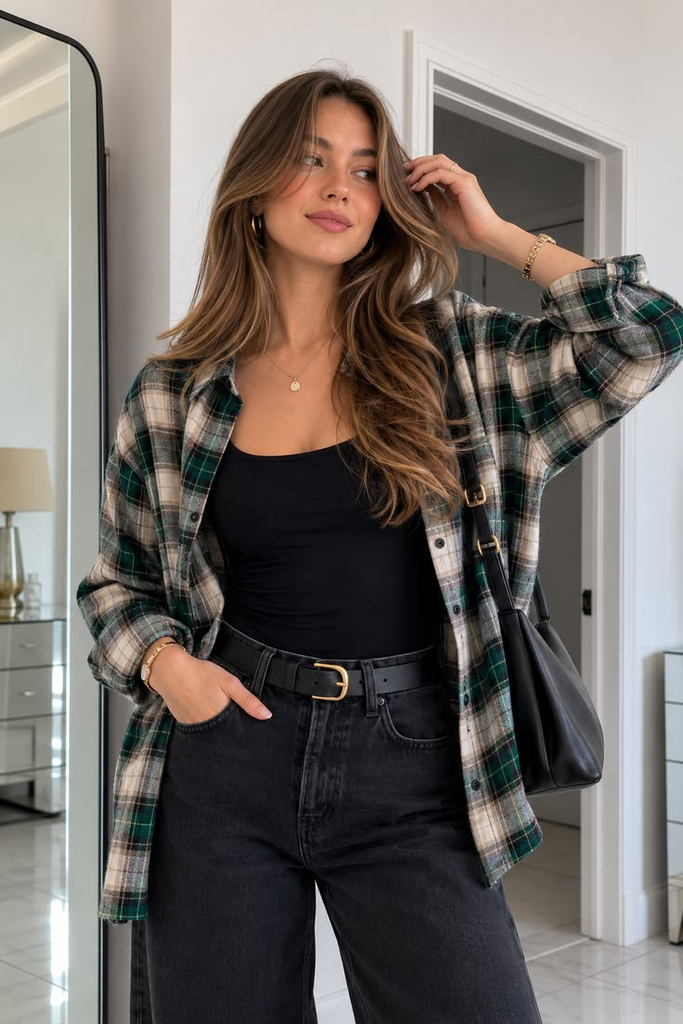
Flannel is useful for layering because it adds warmth and pattern without requiring a heavy sweater. It also works well for relaxed weekend outfits, casual walks, and everyday errands.
Wear a checked flannel shirt over a thermal top with jeans and boots. When temperatures drop, add a puffer vest or a warm jacket. For a more understated look, choose a neutral check in brown, navy, cream, or gray.
If you prefer a cleaner silhouette, leave the shirt open over a fitted base layer. Buttoning it and tucking it into jeans creates a more traditional look. The best approach depends on how thick the shirt is and whether you plan to add another layer.
Flannel alone won’t necessarily protect you from wind, so use it as a midlayer rather than your only outer layer on particularly cold days.
Styling tip: When wearing a patterned shirt, choose solid-color trousers and outerwear. It keeps the outfit coordinated without making every piece compete for attention.
14. Chic Winter Outfits With a Scarf as the Focal Point

Accessories can change the feel of an outfit without requiring you to buy new clothes. A scarf is especially useful in winter because it adds warmth while introducing color, pattern, or texture near your face.
Start with a simple base such as a black coat, jeans, and boots. Add a burgundy scarf for contrast, a camel scarf for a tonal look, or a checked scarf if the rest of your outfit is plain.
The material makes a difference. Soft wool blends and other insulating fabrics are helpful in cold weather, while lightweight decorative scarves may not provide much warmth. Check the care instructions before buying, especially if you prefer accessories that can be washed at home.
You can drape a longer scarf loosely over a coat or wrap it more closely around your neck when the wind picks up. Make sure the ends don’t interfere with bags, zippers, or anything you’re carrying.
Pro tip: If you want to build a small winter capsule wardrobe, one neutral scarf and one accent-color scarf can give your coats several different looks.
15. Winter Outfits With Wide-Leg Jeans and Ankle Boots
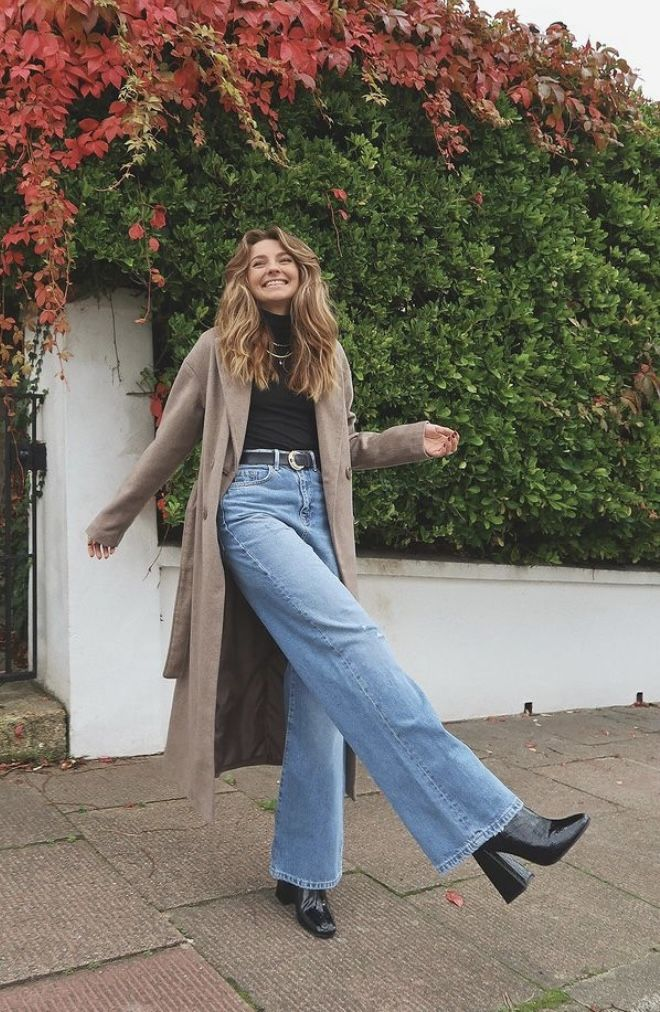
Wide-leg jeans are a comfortable option for winter because they create a relaxed silhouette and can accommodate certain thin base layers. The challenge is finding the right length and shoe combination.
Try dark wide-leg denim with a fitted turtleneck and a short puffer jacket. For a more elegant version, combine the jeans with a tucked-in sweater, a long coat, and heeled ankle boots. A belt can help define the waist without adding another bulky layer.
The hem should sit appropriately over your chosen shoes. If the jeans are too long, they can drag through rain and snow; if they’re too short for the intended style, the proportions may feel off. Try them with your actual winter footwear before making a final decision.
For especially cold weather, look for denim with a comfortable weight and consider thin thermal layers underneath if the fit allows.
Styling tip: Wide-leg jeans often look balanced with a more defined top half. A fitted knit, a neat front tuck, or a jacket with some shoulder structure can help achieve that balance.
16. Classy Winter Outfits With a Matching Knit Set
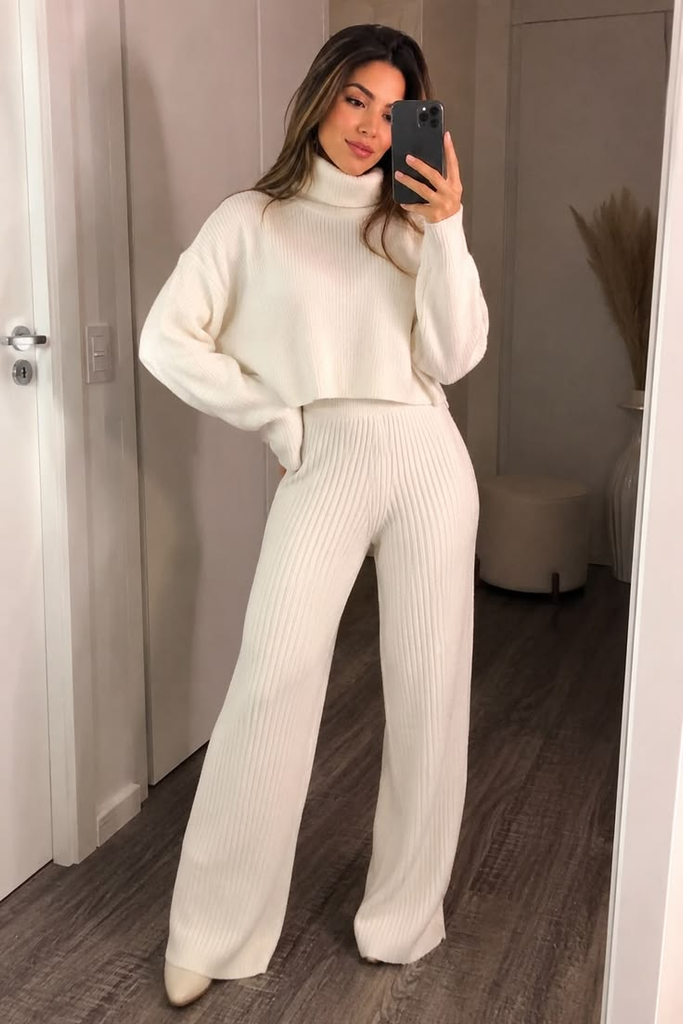
A matching knit set is an easy way to look coordinated without spending much time styling. Depending on the pieces, it may include a sweater and trousers, a cardigan and skirt, or a top and matching knit pants.
For a casual outfit, wear a neutral knit set with clean sneakers and a puffer jacket. For a more refined appearance, choose a coordinated skirt set with boots and a long coat. Cream, gray, navy, and chocolate brown are versatile colors that can be worn in different settings.
The main thing to check is how the fabric behaves. Thin knit trousers may stretch at the knees, while a soft sweater can pill with repeated friction. Read care labels and consider whether the pieces can be worn separately with your existing wardrobe.
A matching set is especially useful for travel because the pieces create an outfit together but can also be mixed with jeans, other sweaters, or neutral skirts.
Pro tip: Before buying a set, picture at least two separate outfits using its individual pieces. That helps you decide whether you’re getting genuine wardrobe value rather than a single look.
17. Winter Outfits With a Puffer Vest and Sweater
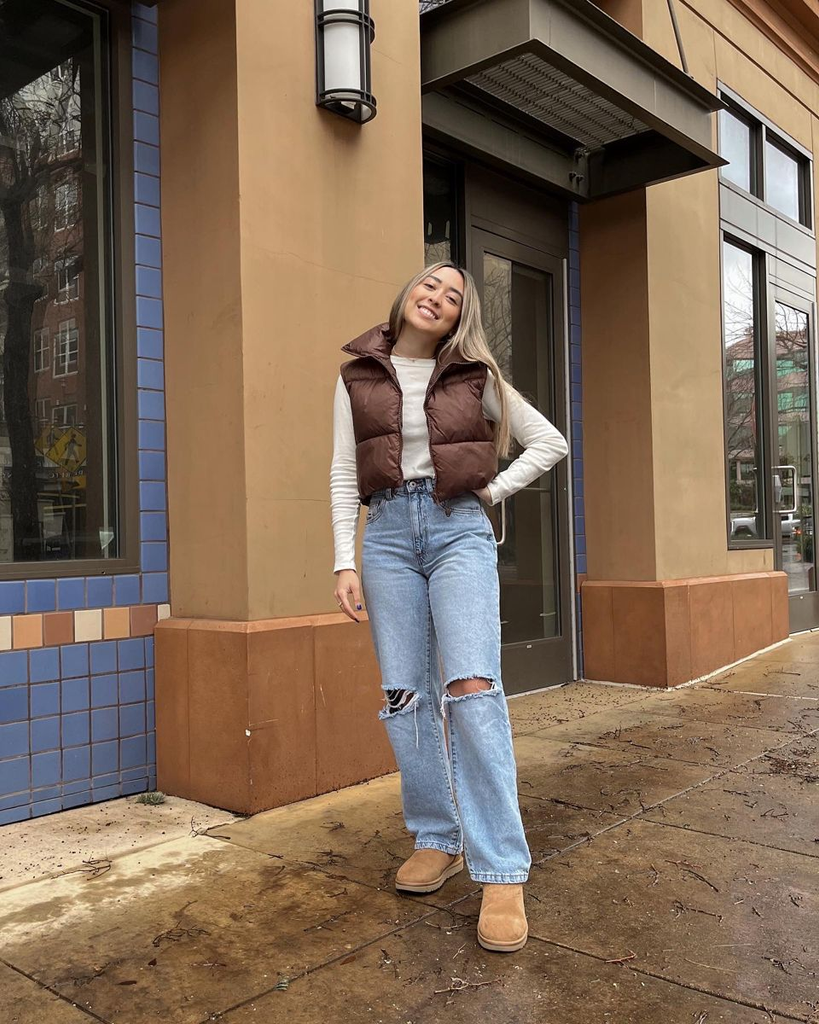
A puffer vest provides warmth around your torso while leaving your arms free. It’s useful for active days, mild winter weather, or layering beneath a larger coat when the fit allows.
Pair a quilted vest with a fitted sweater, straight-leg jeans, and walking boots. For a sporty version, wear it over a fleece or sweatshirt with leggings. Neutral vests are easier to combine with different colors, while a burgundy or forest-green vest can add interest to an otherwise simple wardrobe.
Remember that a vest doesn’t protect your arms from cold wind. It works best when the temperature is moderate or when you have an additional layer available. If you plan to wear it beneath a coat, make sure the combined layers don’t feel tight around the shoulders or chest.
Styling tip: Choose a vest length that works with your usual tops. A shorter vest can pair well with high-rise trousers, while a longer version may work better with leggings or slim jeans.
18. Winter Fashion Outfits With a Midi Dress and Boots
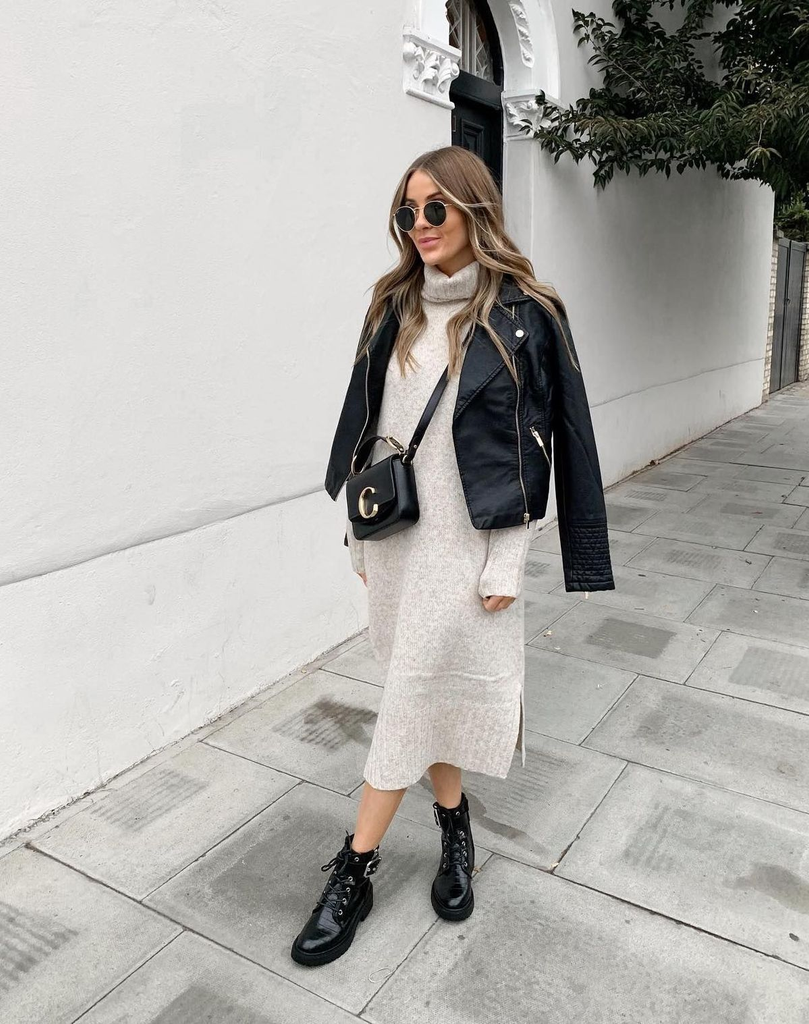
A midi dress can work beautifully in winter when you choose the right fabric and add practical layers. It’s a good alternative for occasions when jeans feel too casual but a formal dress feels like too much effort.
Try a long-sleeved knit midi dress with opaque tights, ankle boots, and a tailored coat. For a softer everyday outfit, choose a printed dress and layer a cardigan over it. Solid colors are easier to accessorize, while subtle prints add variety to a wardrobe dominated by neutrals.
Pay attention to the dress’s neckline and sleeve shape if you plan to wear a cardigan or coat over it. Bulky sleeves can make outer layers uncomfortable, and delicate fabrics may snag against rougher knitwear.
On very cold days, use thermal tights and a warm coat rather than relying on the dress to provide insulation.
Pro tip: If you’re buying a dress specifically for winter, choose one that works with at least two pairs of boots you already own. You’ll get more use out of it throughout the season.
19. Casual Winter Outfits With Cargo Pants

Cargo pants offer a relaxed alternative to denim and work well if you prefer a practical, slightly utilitarian style. The pockets add visual detail, so the rest of the outfit doesn’t need much decoration.
Pair olive or black cargo pants with a cream sweater, a puffer jacket, and sturdy boots. For a sportier outfit, try a sweatshirt and insulated sneakers. If you want a more balanced silhouette, choose a relatively fitted top rather than adding volume everywhere.
Fabric weight matters. Lightweight cargo pants may be comfortable on mild days but won’t provide much warmth in freezing temperatures. Heavier fabrics and a suitable base layer can make them more practical during winter.
Also consider the pocket placement. Large pockets around the hips and thighs add volume, which may affect how the trousers fit under long coats or bulky layers.
Styling tip: Keep the color palette simple. Olive, black, cream, and brown work well together without making the outfit look overly coordinated.
20. Elegant Winter Outfits With a Turtleneck and Midi Skirt
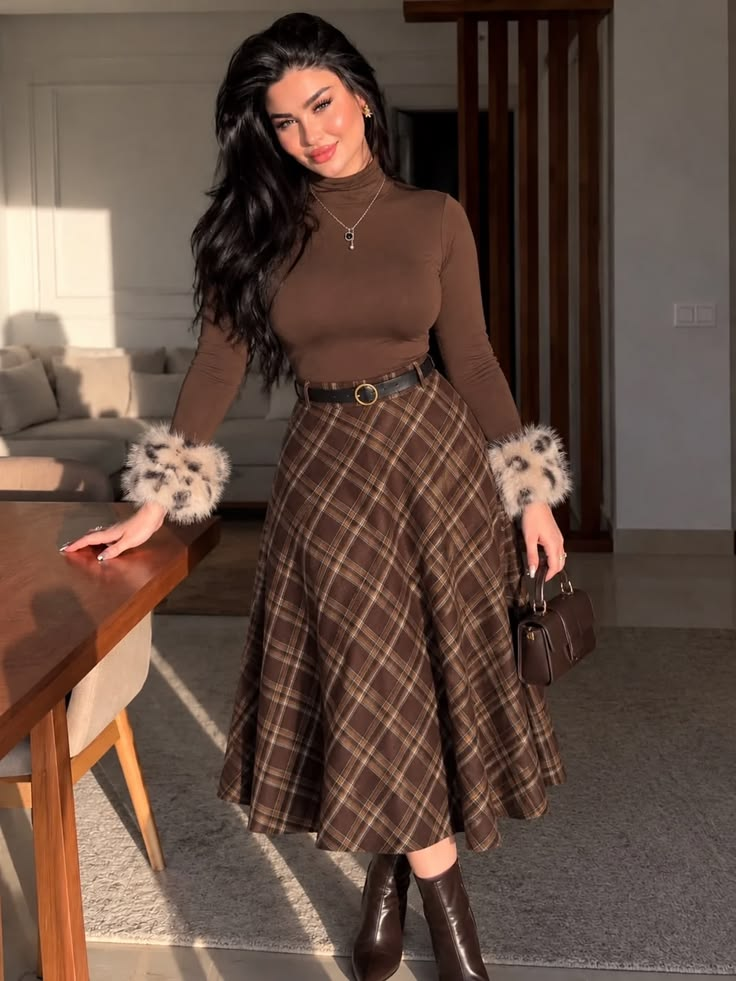
If you want a winter outfit that feels polished without being overly formal, combine a fitted turtleneck with a midi skirt. The contrast between the clean neckline and flowing skirt creates a balanced silhouette.
A black turtleneck with a pleated camel skirt is a classic option. You could also wear a gray knit with a black skirt, opaque tights, and knee-high boots. For an extra layer of warmth, add a long coat and gloves.
Choose fabrics according to your climate. A lightweight pleated skirt may look beautiful but won’t necessarily be warm, while a heavier skirt can work better with tights and boots. Make sure the waistband remains comfortable when you tuck in a thicker sweater.
Pro tip: If the skirt has a bold print or strong texture, keep the turtleneck simple. That gives the outfit one clear focal point and makes the combination easier to accessorize.
21. Winter Outfits With a Cardigan and Tailored Pants
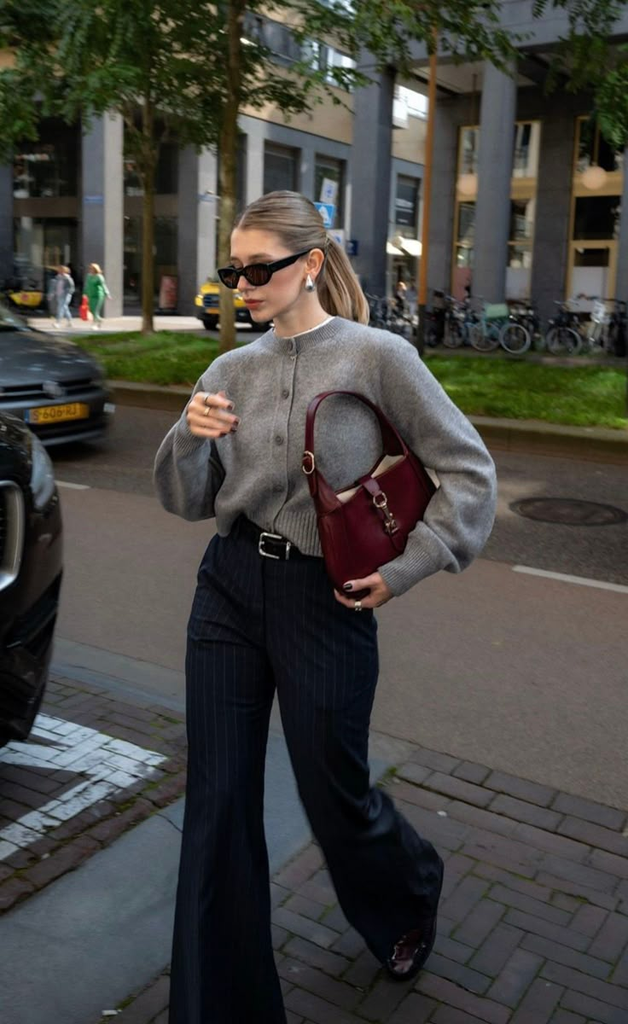
A cardigan can be more versatile than a standard sweater because you can wear it open, buttoned, or layered over a thin top. With tailored trousers, it creates an outfit that feels comfortable but still appropriate for work, lunch, or casual meetings.
Choose a fine-knit cardigan with straight-leg trousers and loafers, or wear a chunkier cardigan with ankle boots and a long coat. A belt can add structure when the cardigan is tucked or partially buttoned.
For colder weather, layer a thermal shirt beneath the cardigan. If you plan to wear a coat over it, avoid excessive bulk around the sleeves and shoulders.
Look at the buttons and seams before buying. A cardigan that pulls between the buttons or stretches out around the pockets may not maintain its shape as well as one with a better fit.
Styling tip: Try buttoning just the middle buttons and leaving the top and bottom open. This creates a little shape while keeping the outfit relaxed.
22. Winter Outfit Ideas With a Beanie and Puffer Coat

A beanie is a practical winter accessory, especially when you spend time outdoors in cold or windy conditions. It also provides an easy way to add a little color or texture to an otherwise simple outfit.
Pair a black puffer with straight-leg jeans, winter boots, and a gray or cream beanie. For a more coordinated look, choose a hat that picks up the color of your scarf or sweater.
Comfort is important. A beanie that is too tight can leave marks on your forehead, while one that slips around may need constant adjustment. Look for a fit that stays secure without feeling restrictive.
If you wear glasses, try the hat with them before buying. Some thicker knits can push glasses awkwardly against your temples.
Pro tip: Keep one neutral beanie for everyday use and choose a second color only if it works with your most-worn winter coat. Accessories are most useful when you don’t have to rethink the whole outfit around them.
23. Winter Outfits With a Quilted Jacket and Jeans
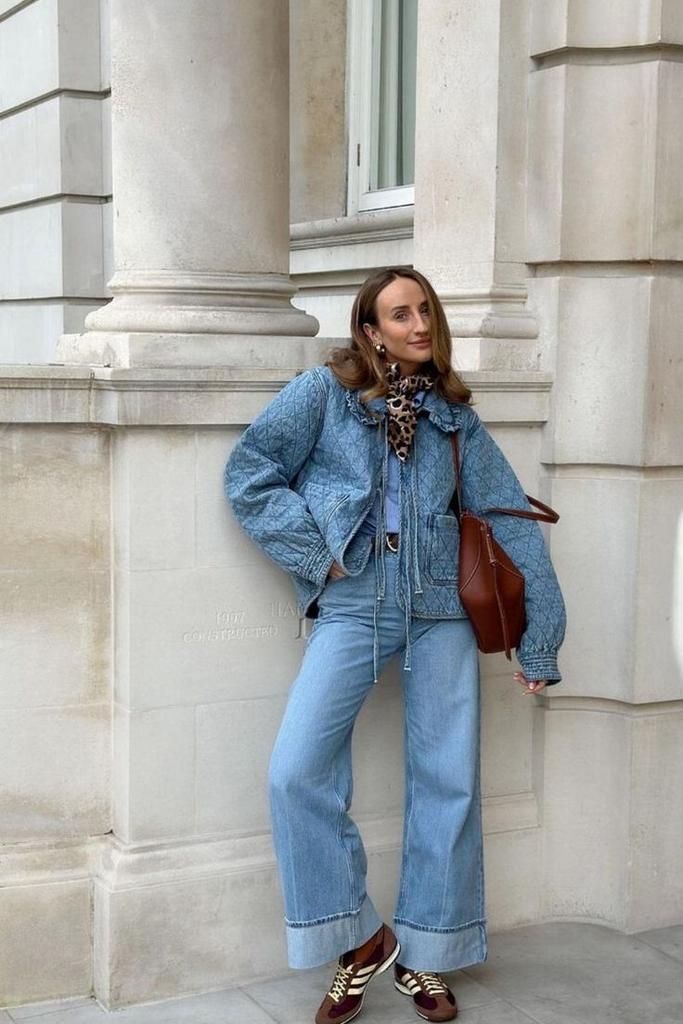
A quilted jacket is a useful middle ground between a lightweight cardigan and a bulky puffer. It’s especially practical for mild winter days when you need a layer but don’t want the volume of a heavy coat.
Wear a quilted jacket over a crewneck sweater with straight-leg jeans and ankle boots. Neutral shades such as olive, navy, black, and tan are easy to style, while a contrasting collar can add a traditional country-inspired touch.
Check the lining and insulation if warmth is your priority. Some quilted jackets are mainly decorative and offer limited protection against freezing temperatures. Others are designed for outdoor use and can work well for walking or everyday errands.
The jacket’s length also affects versatility. A shorter style works well with high-rise jeans, while a longer cut can provide additional coverage and layer more easily over tunics or longer sweaters.
Styling tip: Avoid combining too many competing patterns. A quilted jacket already has texture, so solid-color knitwear and denim usually make the outfit feel balanced.
24. Winter Outfits With a Sweater and Slip Skirt
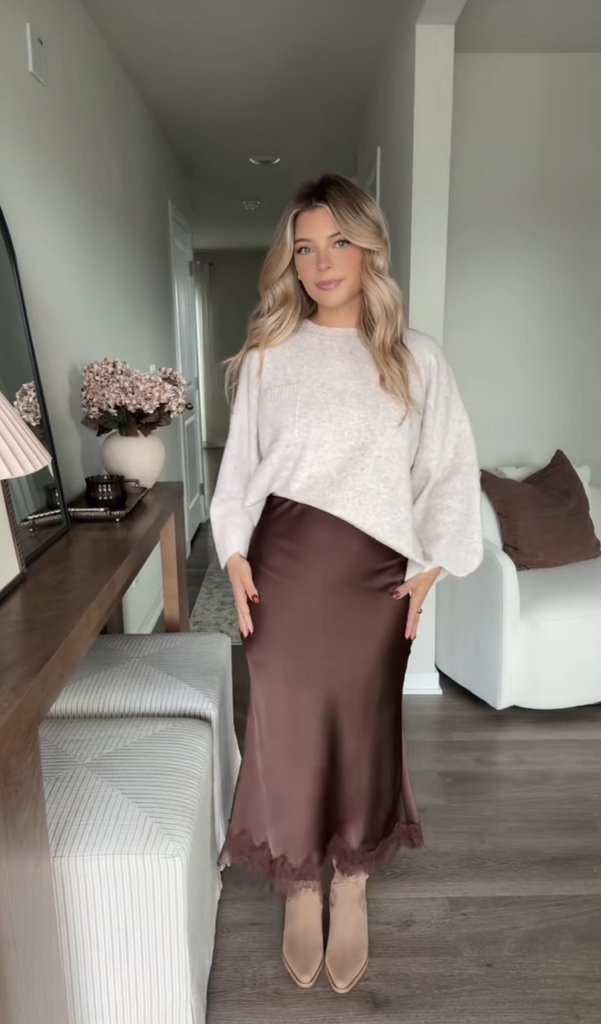
A slip skirt can transition into winter with the right knitwear and footwear. Its smooth fabric contrasts nicely with a textured sweater, creating an outfit that feels dressier than jeans without requiring formal clothing.
Try a satin-look midi skirt with a tucked-in crewneck sweater and ankle boots. Black, champagne, chocolate, and deep burgundy are useful colors for this combination. Add a long coat and warm tights when temperatures fall.
The fabric can be slippery or cling to tights, so test the full outfit before wearing it out. A suitable lining or slip may help, depending on the skirt’s construction. If the sweater is bulky, a small front tuck can create shape without adding too much material at the waistband.
Pro tip: Save delicate slip skirts for dry days or indoor occasions if the fabric marks easily. Wet winter weather and delicate materials aren’t always a happy combination.
25. Winter Outfits With a Teddy Coat and Neutral Basics
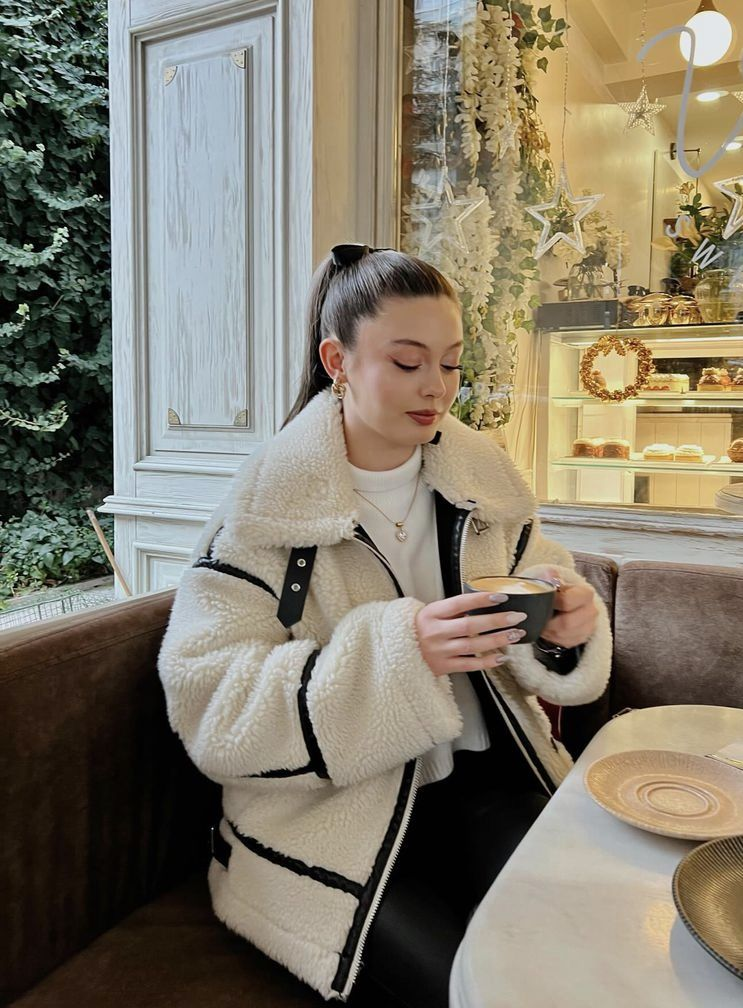
A teddy coat adds a soft, textured finish to simple winter outfits. It works particularly well when the rest of the clothing is understated, because the coat already provides plenty of visual interest.
Wear a beige teddy coat with black trousers, a cream sweater, and ankle boots. For a casual version, pair it with blue jeans and a simple knit top. Brown and cream accessories can make the outfit feel warm and coordinated.
One trade-off is bulk. Teddy coats can feel heavier than expected and may be difficult to layer beneath other outerwear. Check the fit around your arms and shoulders, and consider how much room you’ll need for a sweater.
The fabric’s care requirements are worth checking too. Textured coats can collect lint and may require more careful cleaning than smooth outerwear.
Styling tip: Choose a coat length that works with your usual trousers and skirts. A medium-length version can be easier to style across different outfits than an extremely oversized design.
26. Winter Outfits With a Matching Scarf, Hat, and Gloves

Coordinated winter accessories can make even basic clothing look intentional. You don’t have to buy a matching set, though; accessories in complementary shades often look more natural and give you more flexibility.
For example, pair a charcoal coat with a gray hat, cream scarf, and black gloves. Or wear a camel coat with a burgundy scarf and brown gloves for a little contrast.
Prioritize warmth and comfort over appearance. Gloves should allow you to grip your phone, keys, or bag, while scarves should feel comfortable around your neck. If you spend long periods outside, choose materials appropriate for the temperature rather than lightweight decorative pieces.
It’s also worth considering how the accessories fit into your laundry routine. Hand-wash-only pieces may be fine for occasional wear, but easy-care accessories are often more practical for daily winter use.
Pro tip: Before purchasing accessories, lay them beside your coat and boots. Seeing the colors together helps you avoid buying pieces that look good individually but don’t work with your wardrobe.
27. Winter Outfits With Thermal Layers for Extremely Cold Days

When temperatures become genuinely cold, layering should be about more than appearance. The right base layer can make your regular winter clothes more comfortable without forcing you to buy a completely new wardrobe.
Start with a moisture-managing base layer that sits close to your skin. Add a sweater or fleece for insulation, then finish with an outer layer suited to wind, rain, or snow. If you’re outside for extended periods, don’t forget warm socks, gloves, and suitable footwear.
Avoid wearing so many layers that you begin sweating during normal activity. Damp clothing can make you feel colder, especially when you stop moving. A few well-chosen layers that fit properly are usually more useful than several bulky garments.
Your footwear matters just as much as your coat. Shoes with slippery soles or inadequate insulation may be unsuitable for icy conditions, even if the rest of your outfit is warm.
Pro tip: Try your complete cold-weather outfit indoors before you need it. Sit down, walk around, zip your coat, and check whether you can move comfortably. It’s much easier to fix a layering problem at home than outside in freezing weather.
28. Chic Winter Outfits With a Statement Coat
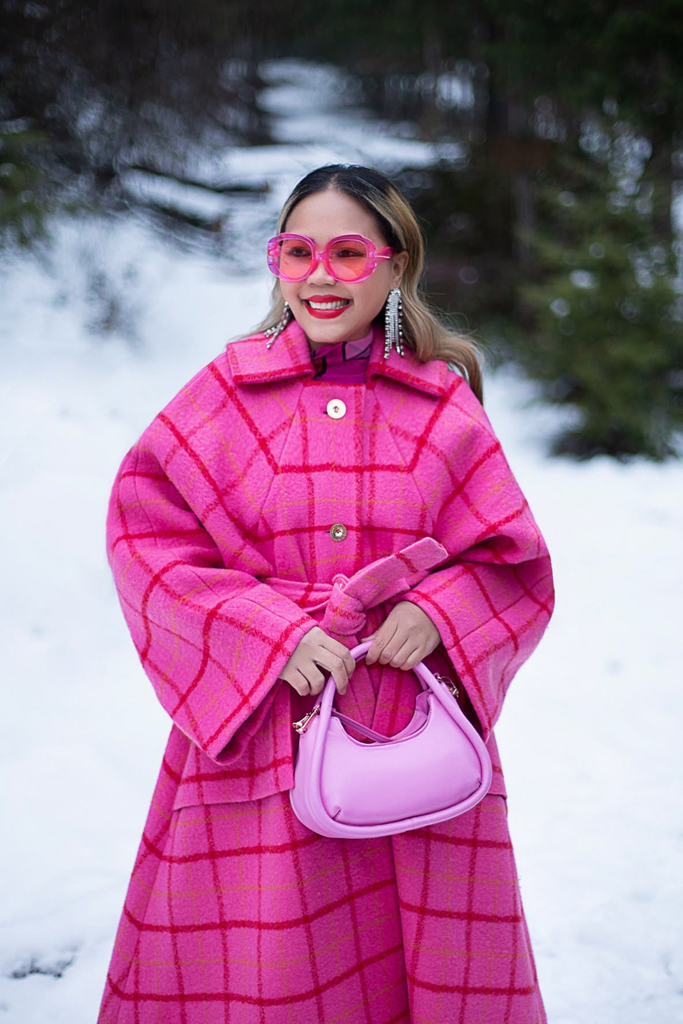
If most of your wardrobe consists of basic pieces, a statement coat can give your winter outfits a different feel without requiring you to replace everything underneath.
Consider a burgundy coat, a subtle plaid design, a rich forest-green style, or a coat with distinctive buttons. Pair it with a simple sweater, straight-leg trousers, and boots so the coat remains the main feature.
Before buying a bold color or pattern, think about how often you’ll wear it. A statement coat can be a great purchase if you love the design, but a dramatic color may be harder to combine with your existing shoes and bags.
Also check the garment’s weight and insulation. A statement coat should be functional for the weather you’ll wear it in, not just attractive in photographs.
Styling tip: If you’re uncertain about a bold coat, start with one in a color that appears in your existing wardrobe. That makes it easier to create outfits without buying extra accessories.
29. Winter Outfits With a Fleece and Straight-Leg Trousers

Fleece is a useful option for cold, casual days because it adds warmth without requiring a heavy knit. It works especially well for outdoor walks, travel, and relaxed weekends.
Wear a fleece jacket with straight-leg trousers, a thermal top, and comfortable walking shoes. For colder weather, layer it beneath a wind-resistant outer jacket. A neutral fleece can work with jeans, leggings, or cargo trousers, so it doesn’t need to be limited to athletic outfits.
Choose a fleece that feels comfortable against your skin and leaves enough room for the layers underneath. If you plan to wear it beneath a coat, avoid overly bulky sleeves that restrict movement.
Fleece can also attract lint and pet hair, depending on the fabric. Check the care instructions and consider how easy it will be to maintain if you plan to wear it frequently.
Pro tip: Use fleece as an insulating middle layer when conditions are cold, windy, or wet. The outer layer should provide the protection that fleece alone may not offer.
30. Winter Outfit Ideas With a Long Cardigan and Boots
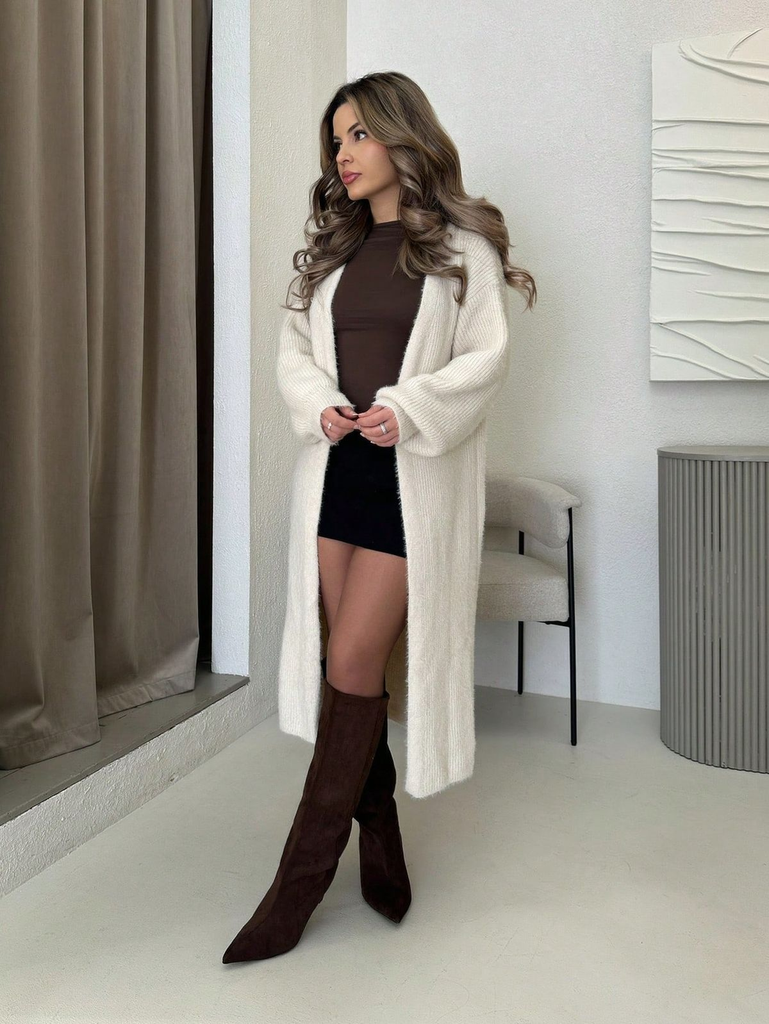
A long cardigan is a versatile choice for days when you want an extra layer but don’t need a structured coat indoors. It works well with leggings, straight-leg jeans, fitted tops, and simple dresses.
For an easy combination, wear a long gray cardigan over a black top and dark jeans, then add ankle boots and a scarf. If you prefer a lighter palette, try a cream cardigan with blue denim and brown boots.
The length and weight of the cardigan matter. A very long, heavy knit can pull at the shoulders, while a thin cardigan may not provide enough warmth outdoors. Choose a fabric that feels comfortable for the way you plan to wear it.
For outdoor use in genuinely cold conditions, add a suitable coat rather than treating the cardigan as a replacement for insulated outerwear.
Styling tip: If the cardigan is long and loose, keep the top and trousers relatively streamlined. This helps the outfit maintain a clear shape without sacrificing comfort.
How to Choose the Best Winter Outfits for Your Lifestyle
With so many winter fashion outfits to choose from, I find it helpful to start with how I actually spend my days. An outfit that works for a short car trip may not be suitable for a long walk in freezing weather, and office clothing often needs a different balance of warmth and structure.
Use this quick comparison to narrow down the pieces that make the most sense for your wardrobe.
| Outfit type | Best for | Useful pieces | Main consideration |
|---|---|---|---|
| Casual winter outfits | Errands and weekends | Jeans, sweaters, puffer jackets | Comfort and easy layering |
| Classy winter outfits | Work, dinners, events | Tailored trousers, wool coats, boots | Fit and fabric quality |
| Cozy winter outfits | Relaxed days and travel | Knitwear, cardigans, leggings | Softness and movement |
| Chic winter outfits | Everyday polished looks | Long coats, scarves, structured bags | Proportion and coordination |
| Winter outfits for extreme cold | Outdoor activities | Thermal base layers, insulated coats, boots | Weather protection |
| Winter outfits on a budget | Everyday wardrobe building | Neutral basics, versatile outerwear | Cost per wear |
What Should You Buy First for a Winter Wardrobe?
If you’re starting from scratch, I wouldn’t buy all 30 outfit combinations. I’d begin with the pieces that can create the greatest number of looks.
- A warm everyday coat: Choose a puffer or insulated coat if warmth is your priority, or a wool-blend coat if your winters are milder and you need a polished option.
- Two versatile sweaters: One neutral crewneck and one turtleneck can work with jeans, trousers, and skirts.
- A reliable pair of jeans: Choose a cut you find comfortable and can wear with your existing shoes.
- Practical winter footwear: Ankle boots or weather-appropriate walking shoes should suit your local conditions.
- A comfortable base layer: Thermal tops or tights can extend the use of clothing you already own.
- A few accessories: A scarf, gloves, and a beanie can add warmth without requiring a major wardrobe investment.
You can expand later with statement coats, matching knit sets, slip skirts, and additional accessories once you know which outfit formulas you wear most often.
How Much Do Winter Outfits Cost?
The cost depends on the fabric, construction, brand, and local climate. You can build useful winter outfits with existing clothes and a few carefully chosen additions, but quality outerwear and footwear may justify a larger share of your budget.
| Budget approach | What to focus on | How to save |
|---|---|---|
| Low-spend refresh | Existing jeans, sweaters, scarves | Restyle pieces you already own |
| Mid-range wardrobe | One good coat, versatile boots, quality knitwear | Buy items that work across multiple outfits |
| Long-term investment | Durable outerwear and frequently worn footwear | Compare fabric quality, construction, and care needs |
I would prioritize a coat and footwear that suit your actual weather before spending money on decorative pieces. A beautiful scarf is lovely, but it can’t compensate for wet feet or a coat that doesn’t keep you warm.
How to Make Winter Outfits Look More Expensive
You don’t need designer clothing to create a polished winter wardrobe. A few practical styling choices can make inexpensive basics look more cohesive.
- Repeat colors intentionally. Pair your coat, boots, or bag with one other color in the outfit.
- Mix textures. Combine smooth denim, ribbed knitwear, wool-like fabrics, and leather-look accessories.
- Check the fit. Sleeves that cover your hands unnecessarily or trousers dragging on the ground can make an outfit look less finished.
- Care for your clothes. Remove pilling, clean shoes, and follow washing instructions so frequently worn pieces maintain their appearance.
- Avoid buying duplicates without a plan. A new sweater is more useful when it fills a gap in your wardrobe rather than repeating something you rarely wear.
The goal isn’t to make every outfit look formal. It’s to choose clothes that fit well, feel comfortable, and work together.
Frequently Asked Questions About Winter Outfit Ideas
1. What are the best winter outfit ideas for everyday wear?
A sweater with straight-leg jeans, a puffer jacket with leggings, or a cardigan with tailored trousers are practical starting points. Add comfortable boots or weather-appropriate shoes, then adjust the layers according to the temperature.
2. How can I look stylish in winter without feeling bulky?
Start with a thin base layer, add one insulating layer, and choose an outer layer that fits comfortably over both. Balancing a loose sweater with straighter trousers or pairing wide-leg jeans with a more fitted top can also help maintain a clear silhouette.
3. What colors are best for classy winter outfits?
Black, charcoal, navy, camel, cream, chocolate brown, and burgundy are versatile winter colors. You can combine several neutrals for a coordinated outfit or use one richer color as an accent.
4. How do I create cozy winter outfits on a budget?
Start with the clothes you already own and identify the pieces that would make them more versatile. A useful coat, a couple of sweaters, comfortable boots, and simple accessories can create many combinations without buying an entirely new wardrobe.
5. What should I wear when it’s extremely cold outside?
Use a comfortable base layer, insulating midlayers, and an outer layer designed for the conditions. Add warm socks, gloves, and suitable footwear. For freezing temperatures, wind, or snow, prioritize weather protection and safe footwear over appearance alone.
6. How can I make casual winter outfits look more polished?
Choose clothes that fit well, coordinate a few colors, and add one structured element such as a long coat, belt, or tailored bag. Clean shoes and well-maintained knitwear also make a difference.
7. Are winter dresses practical in cold weather?
Yes, if you choose suitable fabrics and layer them properly. Sweater dresses and midi dresses can be worn with warm tights, boots, and a coat. For very cold conditions, make sure the complete outfit provides enough insulation.
Conclusion
The best winter outfit ideas are the ones that make your everyday life easier while still reflecting your personal style. I would start with a coat that suits the weather, two sweaters I genuinely enjoy wearing, comfortable jeans or tailored trousers, and boots I can walk in without thinking about my feet all day.
From there, I’d experiment with monochrome looks, cozy knitwear, midi skirts, and a few well-chosen accessories. You don’t need to buy every trend or create a completely different outfit every morning. A small collection of versatile pieces can give you plenty of casual winter outfits, classy combinations, and cozy looks for colder days.
Most importantly, don’t sacrifice warmth just to make an outfit look good in a photograph. When your clothes fit comfortably, protect you from the weather, and work with the pieces you already own, getting dressed in winter becomes much less complicated.