


There is something about a beautifully layered necklace that makes a simple outfit look finished without making it feel like you tried too hard. I especially love this look with a cream sweater, a crisp white shirt, or a beautifully tailored blazer.
You do not need a jewelry box full of expensive pieces to make it work, either. A few thoughtfully chosen necklaces can create that understated, polished look that feels timeless rather than trendy.
If you are over 50, layering necklaces is less about following every fashion rule and more about finding proportions, lengths, and metals that complement your personal style.
I would rather see two delicate necklaces that work beautifully together than five pieces competing for attention. Quiet luxury is all about the details: the quality of the finish, the way jewelry sits against your neckline, and how naturally everything comes together.
In this guide, I am sharing how to layer necklaces over 50 for an effortless quiet luxury look, including the necklace lengths I would start with, how to mix gold and silver, what to wear with different necklines, and how to build an elegant jewelry collection without overspending.
1. Start With Two Necklaces Instead of Layering Everything at Once

If you are new to necklace layering, I recommend starting with two pieces. This gives you enough contrast to make your jewelry noticeable without creating a crowded look around your neckline.
My favorite starting combination is a short, delicate chain paired with a slightly longer pendant necklace. The shorter chain adds a subtle touch of shine, while the pendant creates a natural focal point. Together, they look intentional without overwhelming your outfit.
For example, you could wear a fine gold chain at approximately 16 inches with a small pendant on an 18- or 20-inch chain. These lengths are a useful starting point, although your neck length, frame, and neckline will influence where each necklace sits.
I would keep the designs simple at first. Think a polished cable chain, a tiny gold disc, a small pearl pendant, or a subtle gemstone. You can always add a third necklace once you understand which combinations feel comfortable and balanced.
Pro tip: Before buying anything new, try layering two necklaces you already own. You might discover that a simple chain you rarely wear looks completely different when paired with a longer pendant.
2. Choose Necklace Lengths That Create a Beautiful Shape
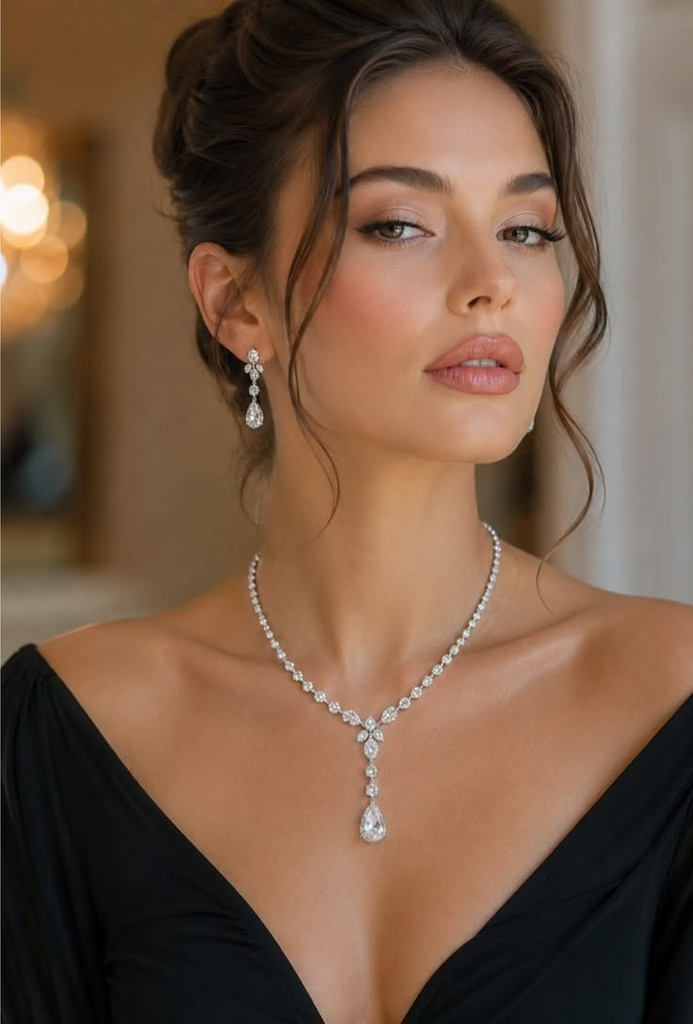
Necklace length makes a bigger difference than most people realize. Two necklaces with nearly identical lengths can overlap awkwardly, while a small difference in length can create a much more graceful effect.
For an elegant layered necklace look over 50, I prefer pieces that sit at visibly different points on the chest. You do not need dramatic differences; even two or three inches can help separate the chains.
Here is a practical guide to common necklace lengths.
| Necklace length | Where it generally sits | Best styling use |
|---|---|---|
| 14–16 inches | Close to the neck or at the collarbone | Delicate base chain |
| 18 inches | Around the collarbone | Everyday chain or small pendant |
| 20–22 inches | Below the collarbone | Medium pendant or second layer |
| 24–30 inches | Upper to mid-chest | Longer focal necklace |
These measurements are approximate. The final position depends on your body proportions, the thickness of the chain, and whether you wear a crew neck, V-neck, or open shirt.
I would begin with an 18-inch chain and a 20- or 22-inch necklace. If the pieces still sit too close together, try a longer chain or an adjustable extender rather than immediately purchasing a completely new set.
There is also no rule that says every layer must have a pendant. A shorter plain chain, a medium-length pendant, and a longer simple chain can create an interesting arrangement without looking overly decorative.
Pro tip: Check your necklace lengths while wearing the actual top you plan to style. A chain that looks perfect against bare skin may disappear against a sweater or sit awkwardly over a shirt collar.
3. Invest in Simple Gold Chains for a Quiet Luxury Finish
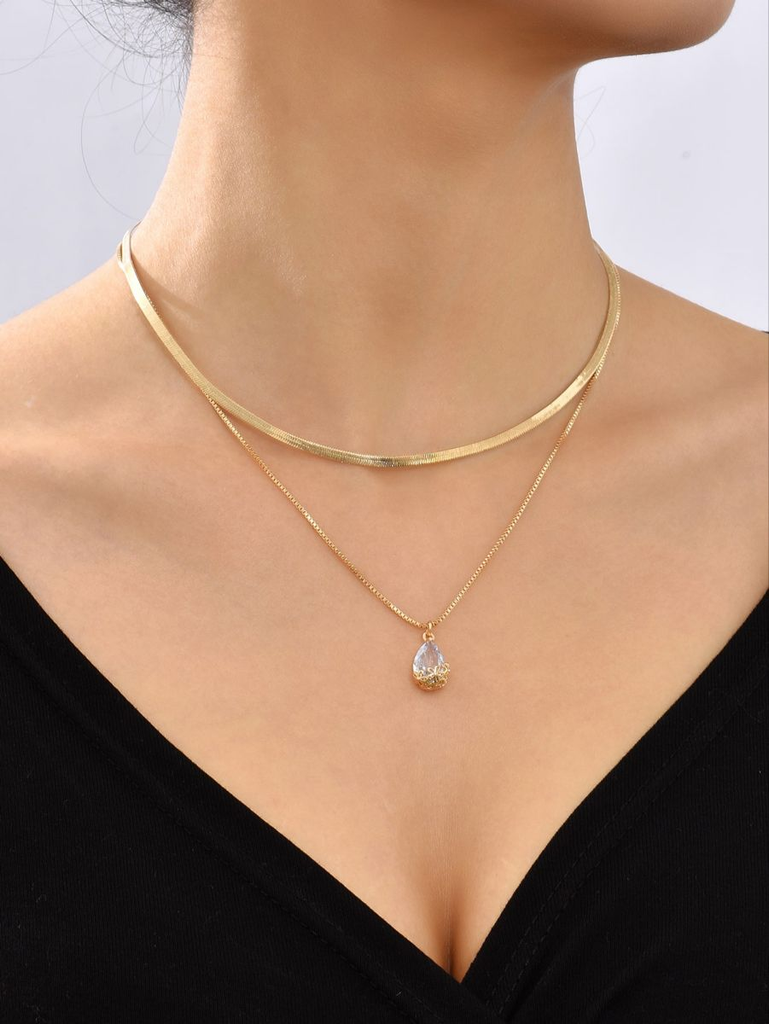
Gold jewelry is a natural choice for quiet luxury because it can add warmth to an outfit without requiring elaborate designs. I particularly like soft yellow gold with cream, camel, chocolate brown, navy, and black.
You do not have to buy solid gold for every layer. Depending on your budget, you can consider solid gold, gold-filled jewelry, gold vermeil, or gold-plated pieces. Each option has different durability, construction, and care requirements.
Solid gold generally offers the greatest longevity, while gold-filled jewelry can be a practical middle-ground option. Gold vermeil has a sterling silver base with a thicker gold layer than standard gold plating, although its longevity depends on construction and wear. Gold-plated pieces can be more affordable but may lose their finish sooner, particularly with frequent exposure to moisture, perfume, and friction.
For everyday layering, I would prioritize two or three versatile chains over a large collection of inexpensive pieces that discolor quickly.
Look for classic chain styles such as:
- Cable chains: Simple, versatile, and easy to pair with pendants.
- Box chains: Clean, geometric, and slightly more structured.
- Fine paperclip chains: Modern without necessarily feeling flashy.
- Delicate rope chains: Add texture while maintaining a relatively understated appearance.
I would choose one primary chain style and introduce a second texture for contrast. Two identical chains can work, but a little variation often makes the combination look more considered.
Pro tip: If you have sensitive skin, check the metal composition before purchasing jewelry. Nickel-containing alloys can trigger reactions in some people, and the term hypoallergenic does not guarantee that every piece will suit every wearer.
4. Mix Gold and Silver Without Making the Look Feel Busy
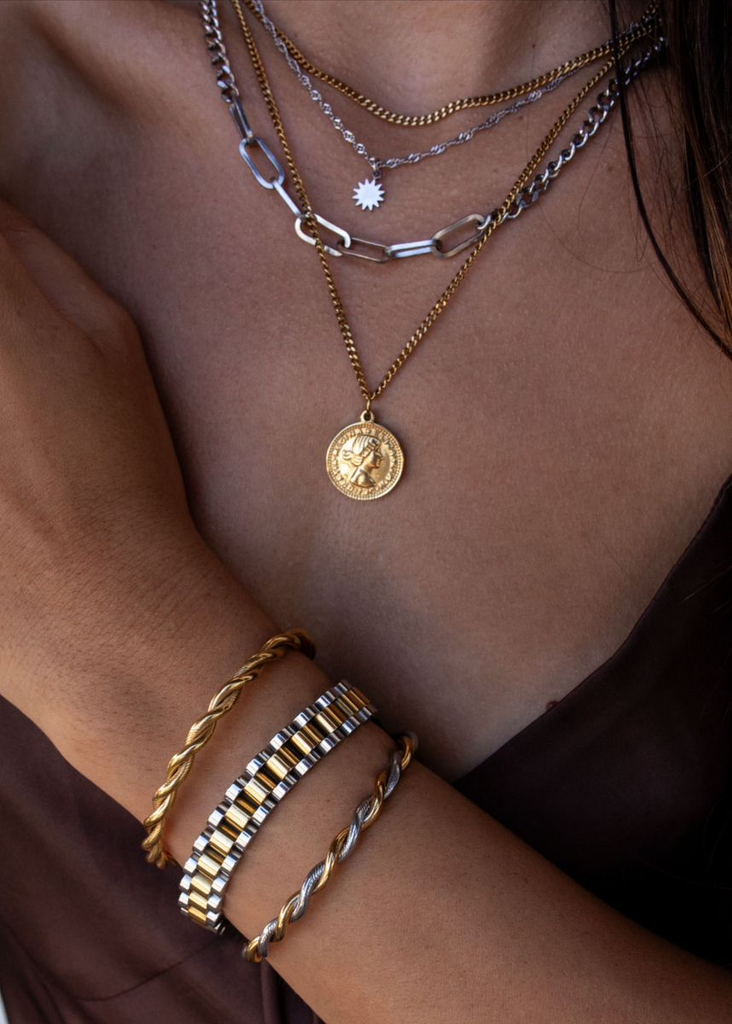
You do not need to commit to only gold or only silver. Mixing metals can make a jewelry collection more versatile, especially if you already own pieces in both finishes.
The key is to make the combination look deliberate. I would start with one dominant metal and introduce the second as a smaller accent. For example, wear two fine gold chains with a short silver chain, or choose a gold pendant on a silver chain if the design feels cohesive.
Another easy option is a two-tone necklace that already combines both metals. It can act as a visual bridge between a gold watch, silver earrings, and other jewelry you wear regularly.
For a quiet luxury outfit, I would avoid adding several competing metal finishes, oversized charms, and highly decorative pendants all at once. The objective is to create harmony, not to prove that you own a variety of jewelry.
Your outfit can help determine the balance, too. Warm beige, ivory, rust, and brown often pair beautifully with yellow gold, while cool gray, crisp white, and icy blue can look particularly elegant with silver. These are styling suggestions rather than strict rules; your preferences and skin undertones matter more than any universal color chart.
Pro tip: If you regularly wear a gold wedding band but prefer silver necklaces, you do not have to replace anything. A subtle two-tone piece can connect the different finishes without requiring your entire jewelry collection to match.
5. Use One Meaningful Pendant as the Centerpiece
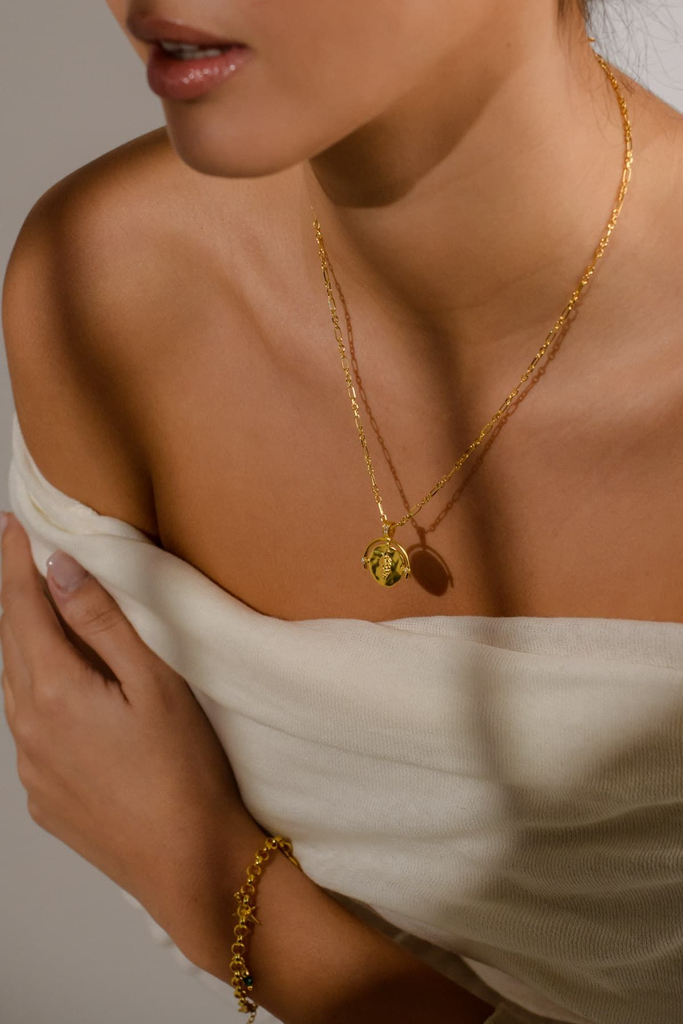
A pendant can give a layered necklace combination a focal point. Without one, multiple fine chains may blend together, especially when worn over a plain top.
For women over 50 who prefer an understated style, I would look at small oval pendants, simple geometric shapes, understated lockets, discreet gemstones, or a single pearl. The best choice is the one that feels like you rather than something selected because it appears fashionable at the moment.
A pendant can also make jewelry more personal. You might wear a small locket, a birthstone, or a piece inherited from a family member. Quiet luxury does not have to mean buying expensive designer jewelry; a meaningful piece worn regularly can feel more special than something costly that never leaves the jewelry box.
When layering, allow the pendant to sit below the shorter chain. If the two pieces overlap constantly, choose a different length or use necklaces with different chain weights.
For a polished daytime look, try a fine gold chain with a small pendant over a white button-down shirt. Leave the top button or two open, and let the necklace sit naturally inside the V-shaped opening.
For an evening outfit, you could use the same pendant with a slightly longer chain and a black or navy top. There is no need to change your entire jewelry collection to create a different mood.
Pro tip: Consider pendant size in relation to your chain thickness. A very heavy pendant can pull a delicate chain out of position, while an extremely tiny pendant may disappear on a long, chunky chain.
6. Layer Necklaces Over 50 With Different Necklines
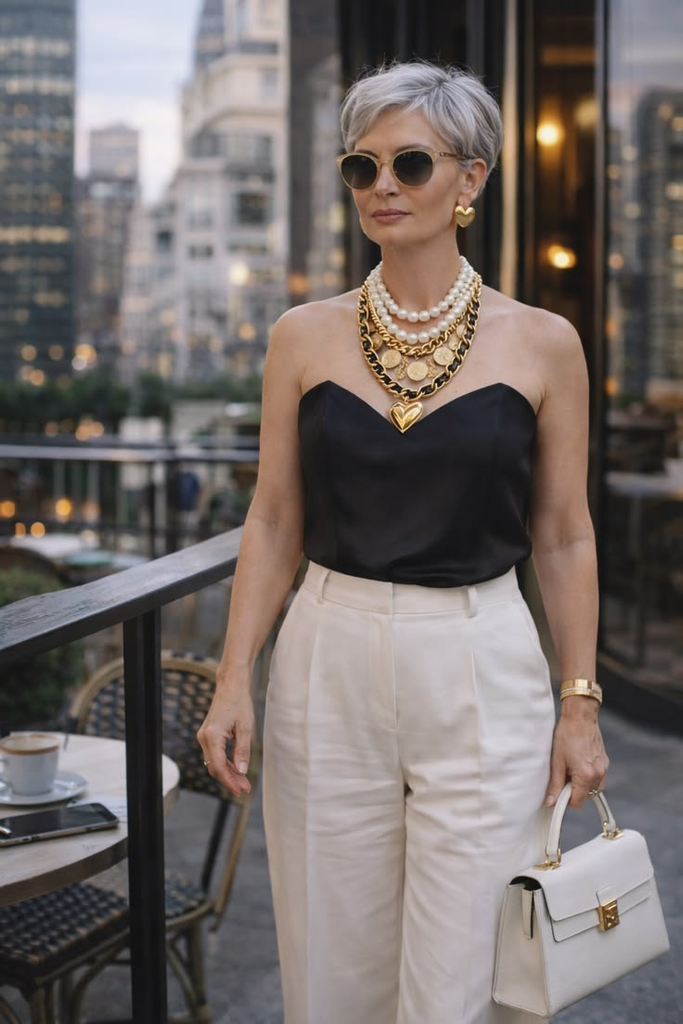
The neckline of your clothing determines how much space your necklaces have to sit comfortably. This is one of the easiest ways to improve your styling without purchasing more jewelry.
With a crew-neck sweater
A simple crew-neck sweater creates a relatively high neckline, so a short necklace may sit directly on the fabric while a longer pendant provides more definition.
I like a fine chain paired with a pendant that falls a few inches below the neckline. This adds a subtle vertical line to an otherwise simple outfit.
Choose a sweater with a smooth finish if you want delicate chains to stand out. Heavy cables and oversized pendants can become visually crowded against thick knitwear.
With a V-neck top
A V-neck naturally creates a space for layered necklaces. A shorter chain can follow the collarbone while a longer pendant echoes the shape of the neckline.
For an understated result, keep the pendant within the V rather than allowing it to collide with the edge of the fabric. If the neckline is deep, you may prefer a longer chain; for a shallow V, shorter layers often look more balanced.
With a white button-down shirt
This is one of my favorite combinations because a white shirt gives delicate gold or silver jewelry a clean background.
Leave the collar open enough for the necklaces to sit comfortably, then try a short chain with a small pendant. You can tuck the chains inside the shirt for a subtle look or wear them over the fabric for a more visible jewelry moment.
If your shirt has a stiff collar, check that the shorter chain does not become trapped underneath it.
With a turtleneck
A turtleneck is ideal for a longer pendant necklace because the jewelry contrasts with the uninterrupted fabric. A medium-length chain can work beautifully over a thin knit, while a longer necklace may be more suitable for a thicker sweater.
I would usually skip several short chains over a high neckline unless the individual pieces are designed to sit on top of the fabric. They can bunch up around the neck and feel uncomfortable.
With a square or scoop neckline
These necklines create a wider area of exposed skin, making them suitable for two or three delicate layers.
A short chain can define the collarbone, while a second pendant adds length. Keep the combined arrangement inside the neckline rather than allowing the necklaces to compete with the garment’s shape.
Pro tip: Take a quick mirror photo of your outfit before leaving home. A necklace combination that looks balanced from above can appear quite different from the front, and a photograph makes overlapping chains much easier to spot.
7. Try the Three-Layer Necklace Formula
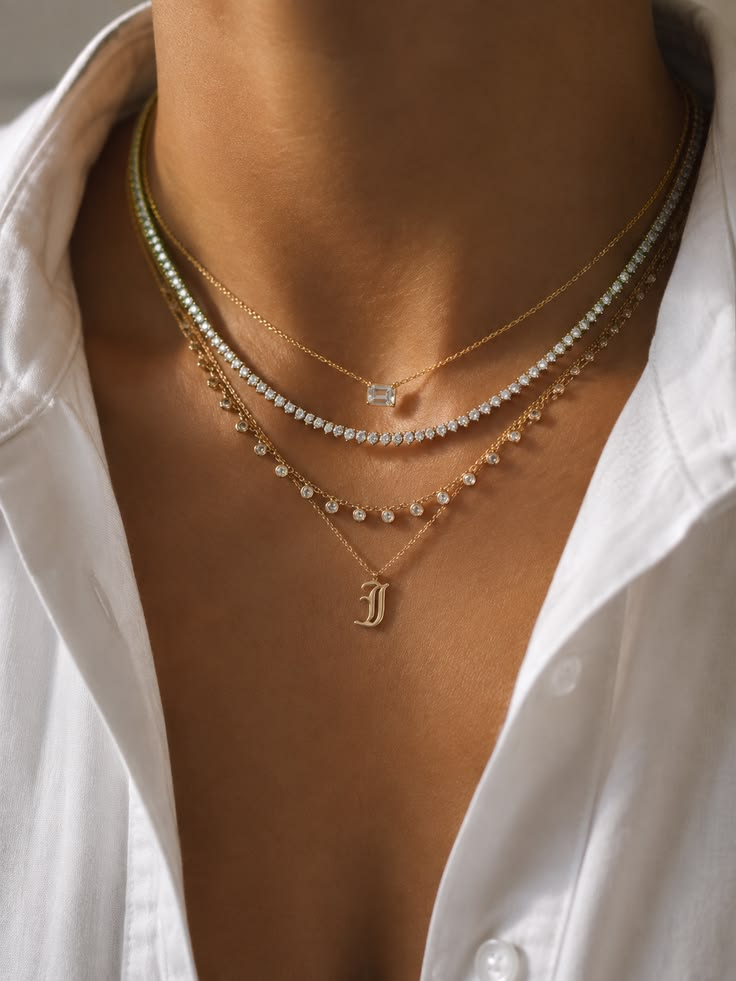
Once you are comfortable with two necklaces, you can experiment with three. The trick is to give each piece a distinct role rather than adding three random necklaces together.
My preferred formula is:
- The shortest layer: A fine chain or subtle collarbone necklace.
- The middle layer: A small pendant or a chain with a different texture.
- The longest layer: A simple chain that adds length without introducing another large focal point.
For example, a 16-inch gold chain, an 18-inch chain with a small disc, and a 22-inch plain chain can create a balanced look. These are starting measurements, not a formula that will fit every neckline or body type.
If you prefer silver, use the same approach with three different chain textures. You could combine a fine cable chain, a small oval pendant, and a slightly more substantial chain.
The most common mistake is making every necklace equally noticeable. If each piece has a large pendant, chunky links, or decorative charms, the layers may compete for attention. A quiet luxury look usually benefits from restraint.
You should also consider weight. Three heavy necklaces can become uncomfortable over several hours, especially if the chains catch on one another. Fine or medium-weight pieces are often easier to wear throughout the day.
Pro tip: Put the longest necklace on first and add the shorter layers afterward. This makes it easier to see where each piece sits and adjust the spacing before you finish dressing.
8. Choose Pearls for a Softer, More Timeless Look
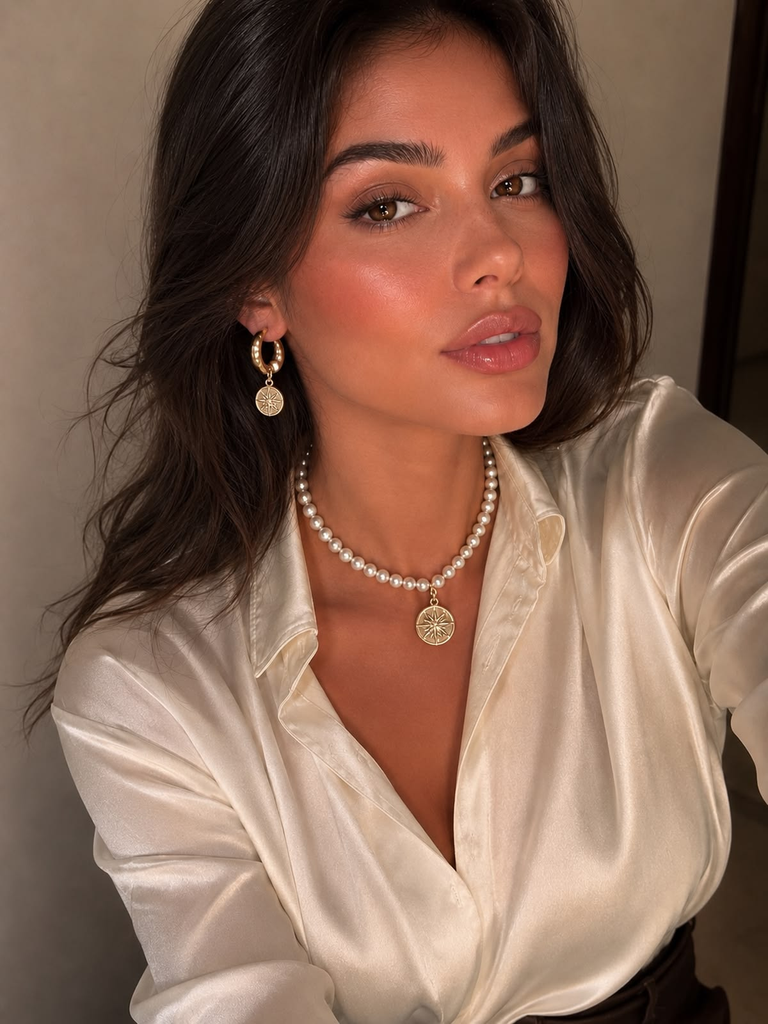
Pearls offer a different kind of elegance from gold chains. They bring a soft glow and a little texture, which can be especially beautiful with crisp shirts, knitwear, and tailored jackets.
You do not have to wear a traditional strand of pearls to achieve this effect. A fine chain with a single pearl pendant can look modern and understated, particularly when paired with a simple gold chain.
Another option is to layer a short pearl necklace with a longer plain chain. The contrast between the rounded pearls and the linear chain keeps the combination interesting without requiring bright colors or elaborate designs.
If you already own a classic pearl necklace, try wearing it with a very simple pendant chain. Keep the other jewelry minimal so that the pearls remain the main feature.
For daytime wear, I like pearls with a white shirt, soft cardigan, or neutral blazer. For a dinner outfit, a pearl pendant over a black top offers a polished finish without feeling overly formal.
When buying pearls, compare freshwater, cultured, and imitation options carefully. Real cultured pearls vary in luster, shape, and surface quality, while imitation pearls can be an affordable choice for occasional styling. Your budget and how frequently you plan to wear the piece should guide the decision.
Pro tip: Pearls are more delicate than many metal jewelry pieces. Put them on after applying perfume, hairspray, and skincare products, and wipe them gently with a soft cloth after wearing.
9. Build a Quiet Luxury Necklace Collection on a Budget
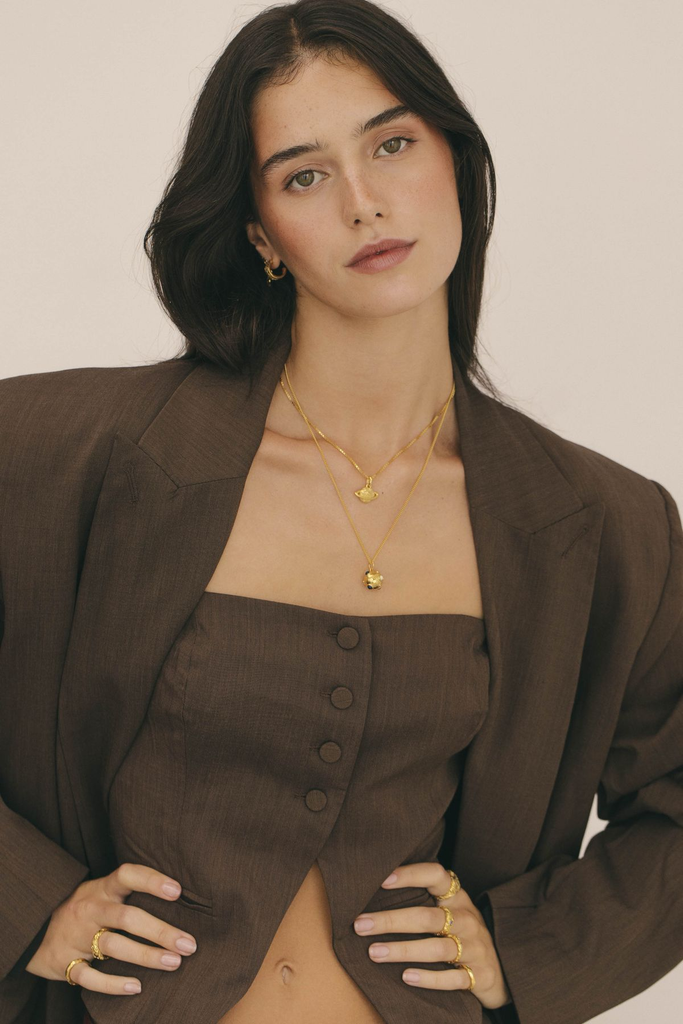
An elegant jewelry collection does not need to be expensive, but it does benefit from thoughtful selection. I would rather buy one versatile chain that works with ten outfits than several pieces that only suit one specific look.
Start by checking what you already own. Separate your necklaces by length, metal, and style, then see which pieces naturally complement one another. You may already have a short chain, a pendant, and a longer necklace that can create several combinations.
If you are starting from scratch, use the following guide to prioritize your purchases.
| Jewelry purchase | Budget priority | Why it is useful |
|---|---|---|
| Everyday short chain | High | Works alone or as the first layer |
| Simple pendant necklace | High | Adds a focal point to basic outfits |
| Longer chain | High | Creates length and makes layering easier |
| Pearl or gemstone pendant | Medium | Adds variety for dressier outfits |
| Statement chain | Optional | Useful when you want a bolder look |
Prices vary widely by country, metal purity, brand, and construction, so compare material specifications rather than relying on appearance alone.
If you are shopping online, look for clear information about metal content, chain length, clasp type, return policies, and care instructions. Product photographs can be misleading, particularly when delicate chains are shown enlarged.
For gold-plated jewelry, ask whether the base metal is disclosed and whether the seller provides information about the plating. For solid gold, check the stated karat. For sterling silver, look for reliable material descriptions rather than vague phrases such as premium metal.
I would also avoid buying a complete necklace-layering set just because the pieces are advertised as a coordinated collection. The necklaces may look good together in the product photograph but still be too similar in length for your preferred styling.
Pro tip: Before purchasing a new necklace, identify at least three outfits you could wear it with. If you can imagine it working with your everyday shirt, favorite sweater, and a dressier top, it is more likely to become a useful part of your wardrobe.
10. Prevent Tangled Chains and Keep Your Layers Comfortable
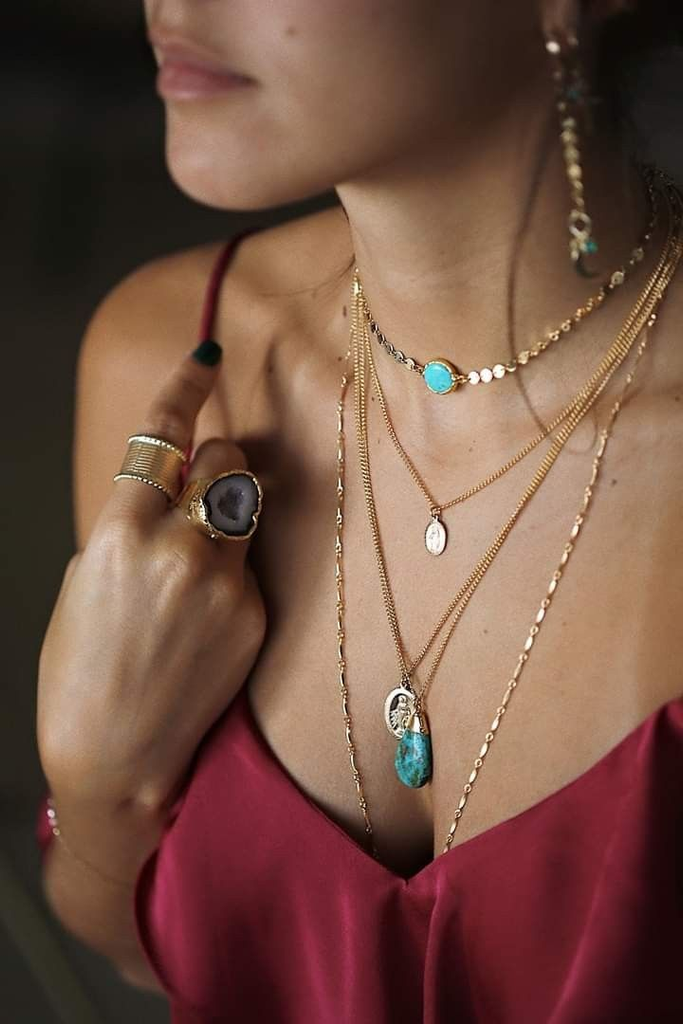
A beautiful necklace combination is not especially practical if the chains twist together every time you move. Some tangling is unavoidable, but you can make it less frequent with a few adjustments.
First, choose necklaces with different lengths and, where appropriate, slightly different chain styles. Chains with very similar lengths tend to cross and overlap more easily because they occupy the same space.
Second, consider a necklace layering clasp or connector. These accessories attach multiple necklaces at the back and help keep their relative positions more consistent. They can be particularly useful if you wear the same two or three necklaces regularly.
A layering clasp is not a perfect solution for every design, though. It may not work well with all clasp types, and very delicate chains can still twist. Check that the connector is compatible with your jewelry before purchasing it.
You should also think about comfort throughout the day. If you spend several hours working at a desk, wearing a scarf, or moving around, long chains may catch on clothing. Shorter, lighter layers may be a more practical choice.
When you are not wearing your necklaces, store them separately or hang them on individual hooks. Keep delicate chains away from heavier jewelry that could pull or bend them.
Pro tip: If two necklaces constantly tangle despite having different lengths, try replacing one with a chain of a different construction. Sometimes changing the chain texture makes more difference than adding another extender.
11. Match Layered Necklaces With the Rest of Your Jewelry
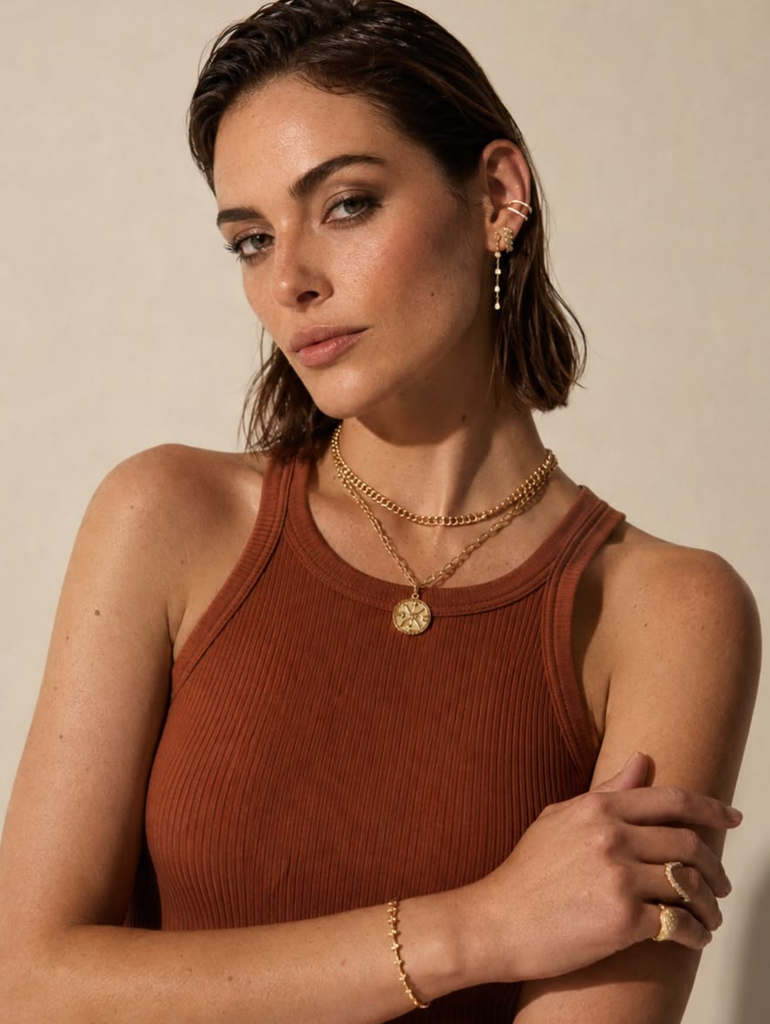
Necklaces do not need to match your earrings, bracelet, and ring exactly, but they should work together visually.
For everyday outfits, I would choose one main jewelry focus. If you are wearing three layered necklaces, small hoops or simple stud earrings often provide enough balance. If you prefer statement earrings, consider reducing the necklaces to one delicate chain or two subtle layers.
Your watch can also influence the overall look. A gold watch pairs naturally with gold necklaces, while a two-tone watch gives you more flexibility to mix metals. You do not need to match every piece perfectly; repeated details are usually enough to make the outfit feel coordinated.
The same principle applies to rings. A few simple rings can complement layered chains beautifully, but oversized rings, large earrings, and elaborate necklaces may all compete for attention when worn together.
I would also pay attention to the fabric and finish of your outfit. Smooth satin, fine knitwear, cotton poplin, and tailored wool often provide an elegant background for simple jewelry. If your clothing already has heavy embellishment, bold prints, or metallic details, a simpler necklace combination may be the better choice.
Pro tip: Choose your outfit first, then select your necklaces and earrings. It is easier to build a cohesive look around the clothes you are actually wearing than to force an outfit to accommodate jewelry you have already chosen.
12. Common Necklace-Layering Mistakes to Avoid Over 50

There are no strict age-based rules for wearing jewelry. Still, if your goal is an effortless quiet luxury look, a few practical adjustments can help your necklaces look more polished.
Choosing necklaces that are too similar in length: When chains sit on top of one another, the layers can look crowded. Start with a visible difference in length and adjust according to your neckline.
Adding too many statement pieces: Several bold chains or large pendants can compete for attention. Let one necklace act as the focal point while the others provide texture and balance.
Ignoring the neckline: A necklace that looks beautiful with a V-neck may disappear under a crew neck. Choose the chain length and pendant position for the specific top you are wearing.
Buying jewelry based only on appearance: A beautiful photograph does not tell you how heavy a chain feels, whether the clasp is secure, or how well the finish will hold up. Check the material details and dimensions before buying.
Assuming expensive means better styled: High-quality materials can be worthwhile, but styling matters just as much. A well-proportioned combination of affordable pieces can look more refined than an expensive collection worn without considering length or balance.
Forcing yourself to wear uncomfortable jewelry: If a chain catches on your clothing, pulls at your neck, or irritates your skin, it is not the right everyday choice. Quiet luxury should feel effortless in practice, not just look attractive in a photograph.
The goal is not to make yourself follow a new set of rules after turning 50. It is to understand which details help you feel comfortable, polished, and confident in the clothes you already enjoy wearing.
Final Thoughts on Layering Necklaces Over 50
If I were starting a necklace collection from scratch, I would begin with a simple gold chain, a small pendant, and a longer necklace that sits comfortably with my favorite tops. Those three pieces would give me enough variety to create several combinations without spending money on jewelry I might rarely wear.
I would also pay attention to the small details that make a difference: how the chains sit against the neckline, whether the metal complements the outfit, and whether the necklaces remain comfortable throughout the day.
The best way to layer necklaces over 50 is to make the look feel natural to you. You can wear two delicate chains with a white shirt, add a pearl pendant to a sweater, or combine gold and silver with a tailored blazer. You do not need a designer label or a complicated styling formula to make any of these combinations work.
Start with the pieces you love, experiment with different lengths, and keep the details intentional. That is what makes an understated jewelry look feel timeless rather than overdone.