
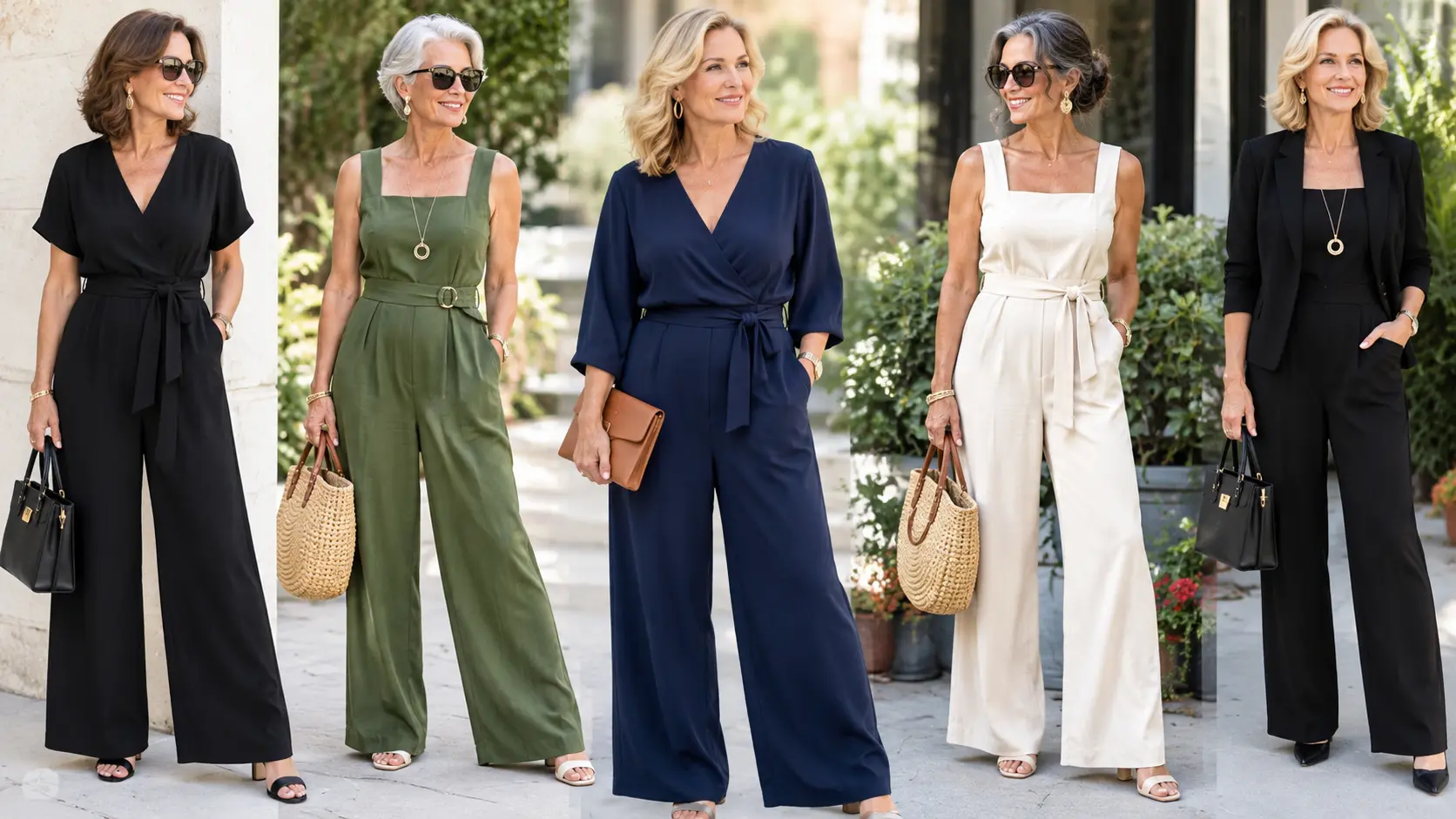

I used to think the hardest part of wearing a jumpsuit was finding one that looked good on the hanger. Then you get into the fitting room, pull it on, and discover the waist sits in the wrong place, the legs are too long, or the fabric clings in all the spots you would rather skim. And don’t even get me started on trying to get out of one quickly when you need the bathroom.
The good news is that learning how to wear a jumpsuit over 50 has much less to do with your age or body shape than you might think. The right cut, fabric, neckline, and accessories can make an ordinary jumpsuit look polished without sacrificing comfort. You don’t need to hide your arms, avoid wide-leg trousers, or stick to black just because you’re over 50.
I would start by looking at how a jumpsuit fits through your shoulders, waist, hips, and torso before worrying about the latest trends. Once you understand those details, styling becomes much easier.
Here are the jumpsuit outfits, fit adjustments, and shopping tips I would focus on if you want an elegant look that feels comfortable enough to wear all day.
1. Choose a Jumpsuit With a Defined Waist

If there is one detail I would pay attention to first, it’s the waist. A jumpsuit can have beautiful fabric and a flattering neckline, but if it hangs straight down from your shoulders without any shape, it may feel more like a utility uniform than a finished outfit.
I like the idea of a jumpsuit that gently follows your natural waist without squeezing it. Look for a sewn-in waistband, subtle darts, a wrap-style front, or a matching fabric belt. These details create definition while allowing the rest of the outfit to drape comfortably.
You don’t have to choose a fitted silhouette to create shape, either. A relaxed jumpsuit with a slightly tapered waist and straight or wide legs can look just as elegant as a more tailored design. The important thing is that you can sit, walk, and breathe without feeling restricted.
If you have a shorter torso, pay attention to where the waistband lands. A very high waist can make your upper body look shorter, while a low-slung waist may make your legs appear shorter. Try a few rises instead of assuming one particular cut will suit you.
Pro tip: If your jumpsuit fits beautifully everywhere except the waist, consider having a tailor adjust the waist or add discreet shaping. Altering a garment you already love can be more worthwhile than buying three more that almost fit.
2. Find the Right Jumpsuit for Your Body Shape

When you shop for jumpsuits over 50, I wouldn’t get too caught up in body-shape rules. You can wear a wide-leg, straight-leg, tapered, or belted jumpsuit regardless of whether you describe your figure as pear-shaped, apple-shaped, hourglass, or rectangular.
Instead, I would focus on the areas where you want more room, more definition, or a smoother drape. A comfortable fit is usually more flattering than a silhouette you have to keep adjusting throughout the day.
Jumpsuit styles worth trying
For a pear-shaped figure: I would try a V-neck or boat-neck jumpsuit with a defined waist and a straight or wide leg. The neckline draws attention upward, while the wider leg balances the silhouette without squeezing the hips and thighs.
For an apple-shaped figure: Look for a softly draped jumpsuit with a wrap-style bodice, an open neckline, and a little extra room through the middle. A fabric belt can work if you prefer waist definition, but you don’t need one if it creates pressure or bunching.
For an hourglass figure: A wrap jumpsuit or a design with a shaped waist can highlight your proportions without requiring a tight fit. Stretch woven fabrics can provide a little flexibility, especially when you want to wear the outfit for several hours.
For a petite frame: A jumpsuit with a clean vertical line, a moderately defined waist, and a hem that works with your shoes can help create a longer-looking silhouette. Avoid excessive fabric pooling around your ankles, as it can overwhelm a smaller frame.
For a tall frame: Wide-leg and full-length jumpsuits can look especially striking, provided the torso and inseam are long enough. Check the bodice length as carefully as the leg length; a jumpsuit that pulls across the shoulders or crotch will rarely become comfortable with wear.
For a fuller bust: A V-neck, surplice neckline, or wrap-style bodice may offer a more comfortable fit than a high, tightly fitted neckline. Adjustable straps and well-placed darts can also make a difference.
I would use these suggestions as a starting point rather than a list of rules. If a style you supposedly shouldn’t wear makes you feel fantastic, that matters more than a body-shape chart.
3. Pick a Fabric That Drapes Instead of Clings
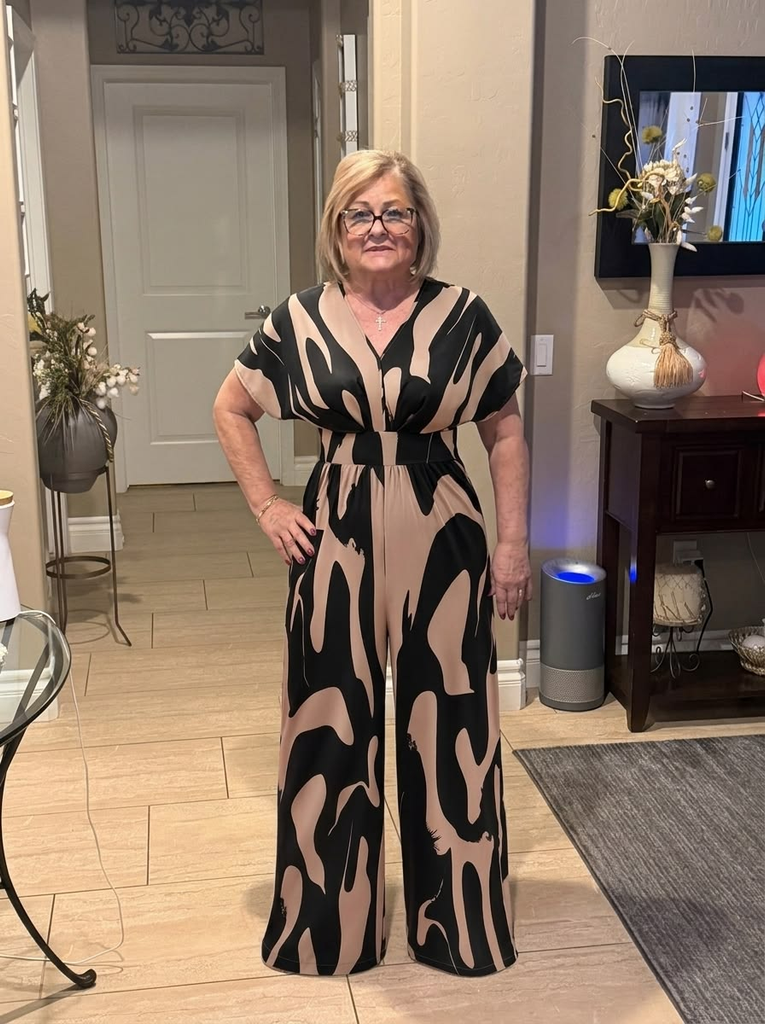
Fabric is one of those shopping details that can completely change how a jumpsuit looks and feels. Two garments with almost identical cuts can fit very differently because one fabric falls smoothly while the other wrinkles, clings, or holds its shape too stiffly.
For everyday wear, I would look for a medium-weight fabric with enough structure to hold the silhouette but enough movement to make walking and sitting comfortable. Crepe, ponte knit, and some drapey woven fabrics are worth trying, depending on the season and the cut.
Here is how I would compare common jumpsuit fabrics before buying.
| Fabric | Best for | What I would check |
|---|---|---|
| Crepe | Dinner, work, and dressier occasions | Whether it drapes smoothly and resists excessive wrinkling |
| Ponte knit | Comfortable everyday outfits | Whether the fabric feels breathable enough and has adequate stretch |
| Linen or linen blends | Warm weather and holidays | How much it wrinkles and whether the fabric is too sheer |
| Cotton twill | Casual and utility-inspired styles | Whether it feels stiff through the hips and knees |
| Satin or fluid woven fabric | Weddings and evening events | Whether it catches on undergarments or shows every crease |
| Denim | Casual weekends and layered outfits | Whether the torso and crotch allow comfortable movement |
I wouldn’t automatically choose the thickest fabric, especially if you live somewhere warm. Heavy fabric can feel uncomfortable in hot weather and may add more bulk than you want. On the other hand, very thin jersey can cling and reveal every seam underneath.
Before removing the tags, try sitting down, reaching forward, and walking a few steps. If the fabric pulls tightly across your thighs or forms uncomfortable folds at the crotch, the problem may be the cut rather than your body.
Pro tip: Check the garment under natural light if possible. Pale jumpsuits can be more transparent than they appear under store lighting, so test them with the underwear and bra you would actually wear.
4. Wear a Wide-Leg Jumpsuit for an Elegant Look
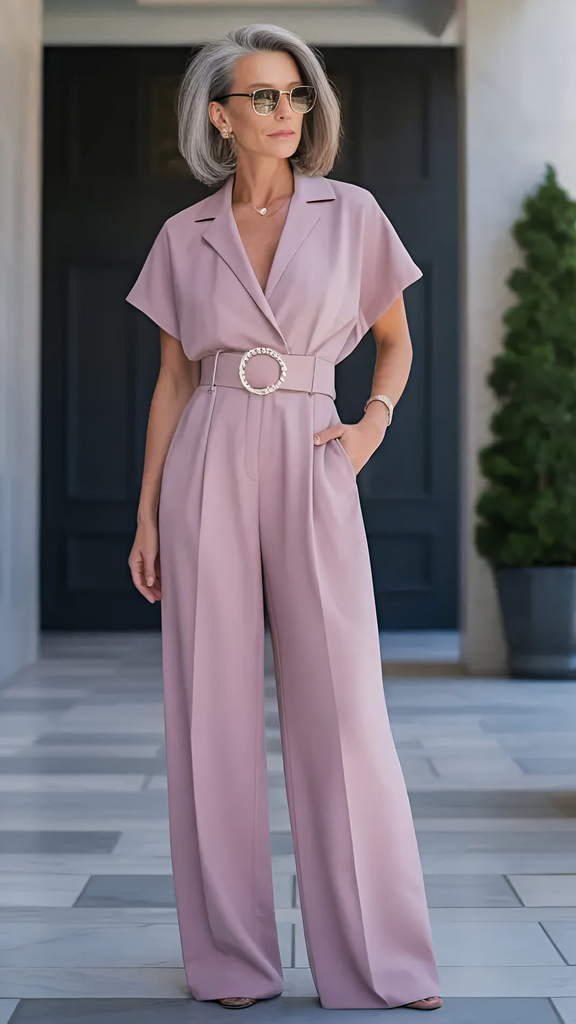
A wide-leg jumpsuit is one of the first styles I would consider when building a versatile wardrobe after 50. The flowing shape creates movement, looks polished without feeling overly formal, and can work for everything from lunch with friends to a family celebration.
The secret is balancing the volume. If the legs are wide and fluid, a more defined bodice, a neat shoulder line, or a V-neck can prevent the outfit from looking shapeless. You don’t need a skin-tight top; a well-cut bodice is enough.
For daytime, I would pair a navy or olive wide-leg jumpsuit with comfortable leather sandals, a structured tote, and simple earrings. For evening, switch to dressier shoes, add a clutch, and choose a more noticeable necklace or pair of earrings.
Length matters here. A full-length jumpsuit should skim the top of your shoes without dragging on the ground. If you plan to wear it with flats most of the time, have the hem adjusted for flats rather than buying a length that only works with heels.
If you’re petite, don’t automatically rule out wide legs. A clean, uninterrupted line and a properly shortened hem can make the style work beautifully. The wrong length, however, can make even an expensive jumpsuit look awkward.
5. Try a Wrap Jumpsuit for Soft, Adjustable Shape
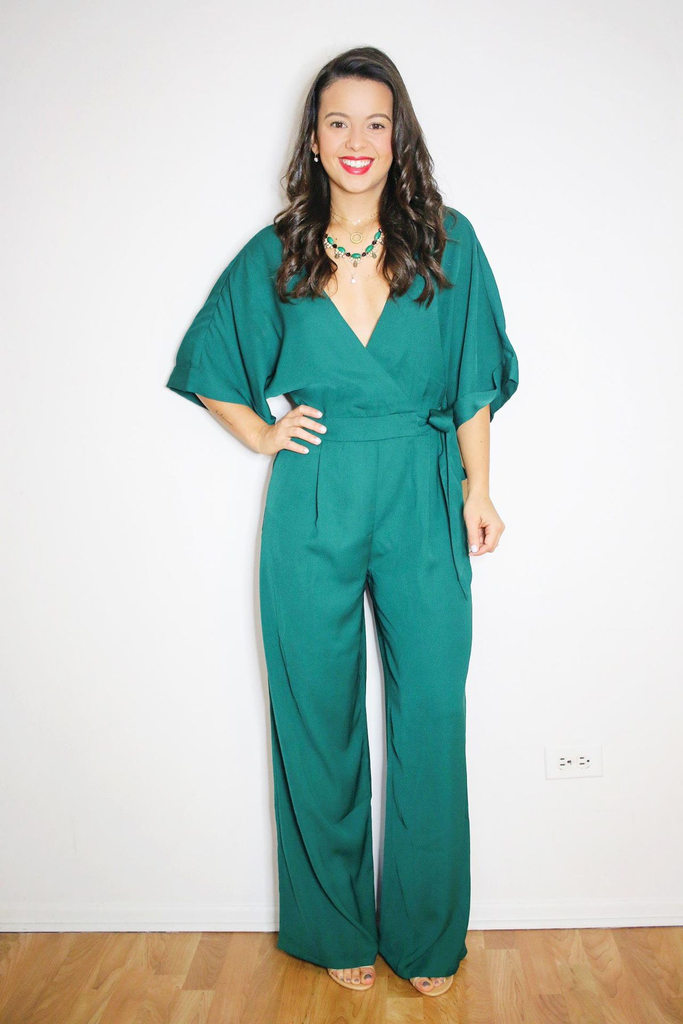
Wrap jumpsuits are worth trying if you like the appearance of a defined waist but don’t want a rigid waistband. The overlapping front creates a natural focal point, while the neckline can be adjusted to suit your comfort and preferred level of coverage.
I particularly like wrap-inspired designs for occasions when you want to look dressed up without wearing a traditional dress. They can work for dinner parties, birthday celebrations, daytime weddings, and even a polished office outfit.
When shopping, look carefully at how the wrap stays in place. A true wrap style may have ties, buttons, or an internal fastening. Without adequate support, the neckline can gape when you sit or move your arms.
If you’re fuller through the bust, try the jumpsuit while wearing your usual bra. Raise your arms, lean forward, and sit down to check whether the neckline remains comfortable. A small snap or discreet alteration may solve a minor opening, but a garment that constantly shifts is not worth the hassle.
For styling, I would keep the rest of the outfit relatively simple. A pair of understated earrings, a medium-width belt if the design allows one, and shoes that complement the trouser length are usually enough.
6. Use a Belt to Add Definition Without Feeling Restricted
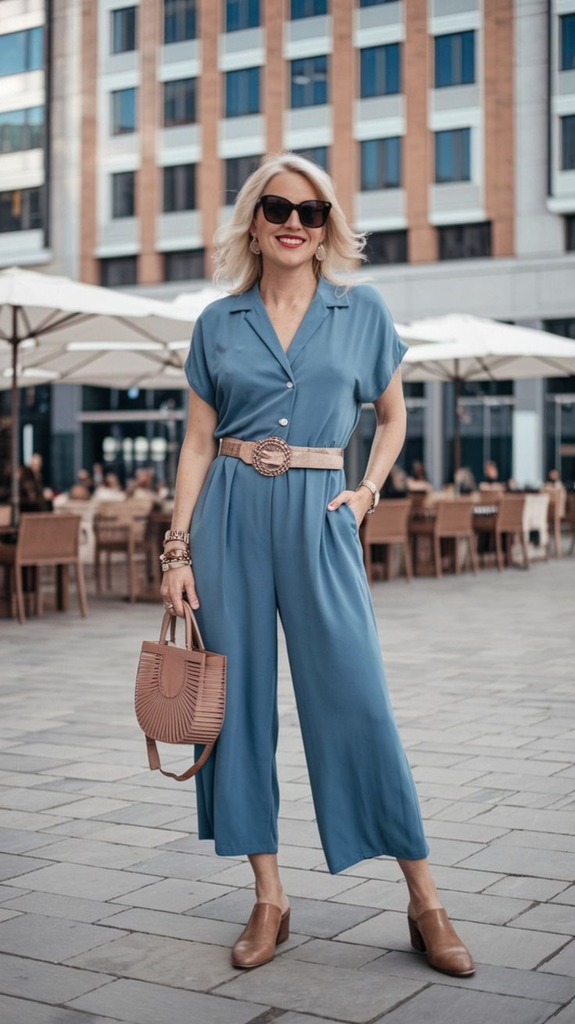
A belt can change the appearance of a jumpsuit in seconds, particularly if the garment has a relaxed or straight cut. It gives the eye a clear waistline and can make an otherwise simple outfit feel intentional.
The key is choosing the right width and placement. A narrow belt offers subtle definition, while a medium-width belt can create a stronger focal point. A wide belt may work beautifully with some designs, but if it bunches the fabric or cuts across an uncomfortable area, I would skip it.
You can also use the belt to introduce a second color. A tan belt with a cream jumpsuit, for example, adds warmth without making the outfit complicated. A black belt on a black jumpsuit creates definition more quietly.
However, not every jumpsuit needs a belt. Some designs already have a shaped waist, and adding another layer can create unnecessary bulk. If you find yourself loosening the belt every time you sit down, the outfit probably works better without it.
Pro tip: When testing a belt, sit in a chair for a minute or two. The waistline should remain comfortable when your body bends, not just when you’re standing in front of a mirror.
7. Choose a Neckline That Makes the Outfit Feel Balanced
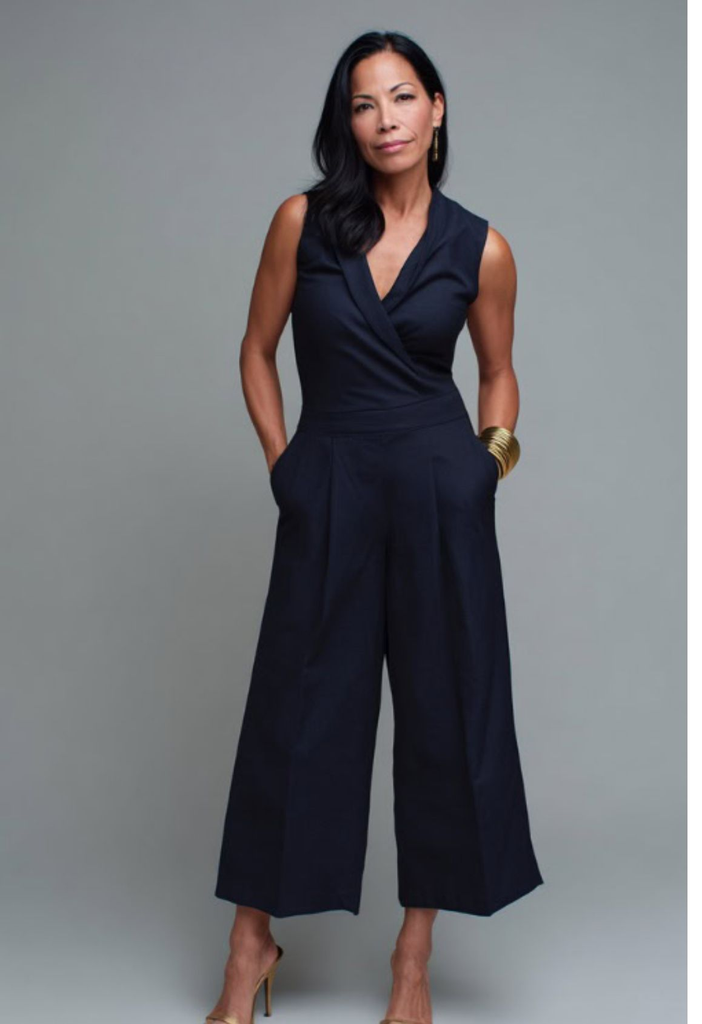
Necklines have a bigger effect on the overall appearance of a jumpsuit than many people realize. They influence how the upper half of the outfit looks, how necklaces sit, and whether the garment feels casual or dressy.
A V-neck is a versatile option because it creates an open vertical line. A square neckline can feel modern and structured, while a boat neck gives more horizontal emphasis across the shoulders. A collared jumpsuit can look smart and tailored, particularly when paired with loafers or a structured handbag.
If you prefer more coverage, a high neckline can work well too. I would simply check that the fabric doesn’t pull across the bust or bunch around the neck when you move.
Think about the occasion as well. A collared linen jumpsuit may be perfect for a daytime lunch, while a wrap neckline in a fluid fabric can feel more appropriate for an evening event. The best neckline is one that works with your proportions, your undergarments, and the way you like to dress.
You also don’t need to add a necklace to every outfit. If the neckline already has an interesting shape, simple earrings may be all you need.
8. Layer a Jumpsuit With a Blazer, Cardigan, or Jacket
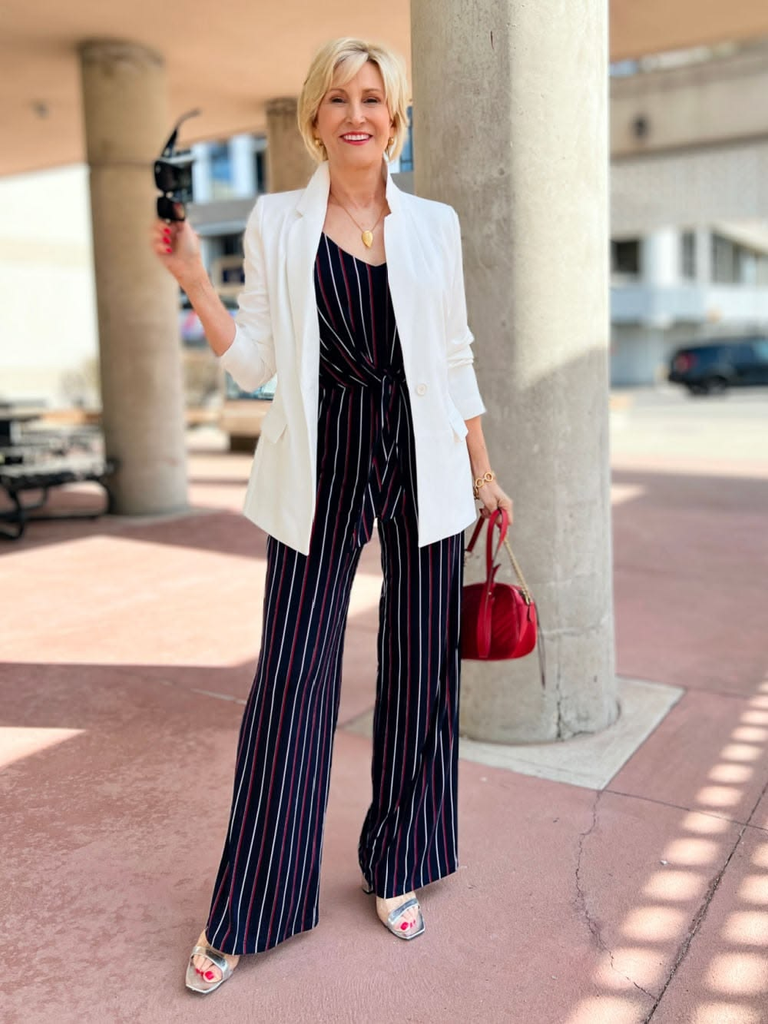
One reason I would invest in a good jumpsuit is that it can work across multiple seasons with a few thoughtful layers. You can make the same base outfit feel relaxed, professional, or evening-ready without buying a completely new wardrobe.
For a polished everyday outfit
Try a black, navy, or dark green jumpsuit with a tailored blazer. A blazer that ends around the hip or upper thigh often works well with a wide-leg silhouette, provided the overall proportions feel balanced.
For work, I would choose a blazer that allows comfortable movement across the back and shoulders. If it pulls when you reach forward, it will probably spend most of the day hanging over the back of your chair.
For a casual weekend
A cropped denim jacket can work with a wide-leg or straight-leg jumpsuit. The shorter length helps maintain a visible waistline, especially if the jumpsuit itself has a relaxed fit.
For a softer look, try a lightweight cardigan that falls around the hip. If both the cardigan and jumpsuit are very loose, though, the outfit may lose its shape. Rolling the sleeves, adding a belt, or choosing a more fitted cardigan can help.
For cooler weather
A structured wool-blend coat or a longline cardigan can complement a full-length jumpsuit. Keep an eye on the combined proportions: a voluminous jumpsuit under a bulky coat may feel heavy, so a cleaner outer layer can be easier to style.
Pro tip: Check the bathroom situation before wearing a heavily layered jumpsuit to a long event. A fitted blazer with complicated closures can make an already inconvenient outfit more frustrating.
9. Wear a Jumpsuit With Comfortable Shoes That Suit the Length
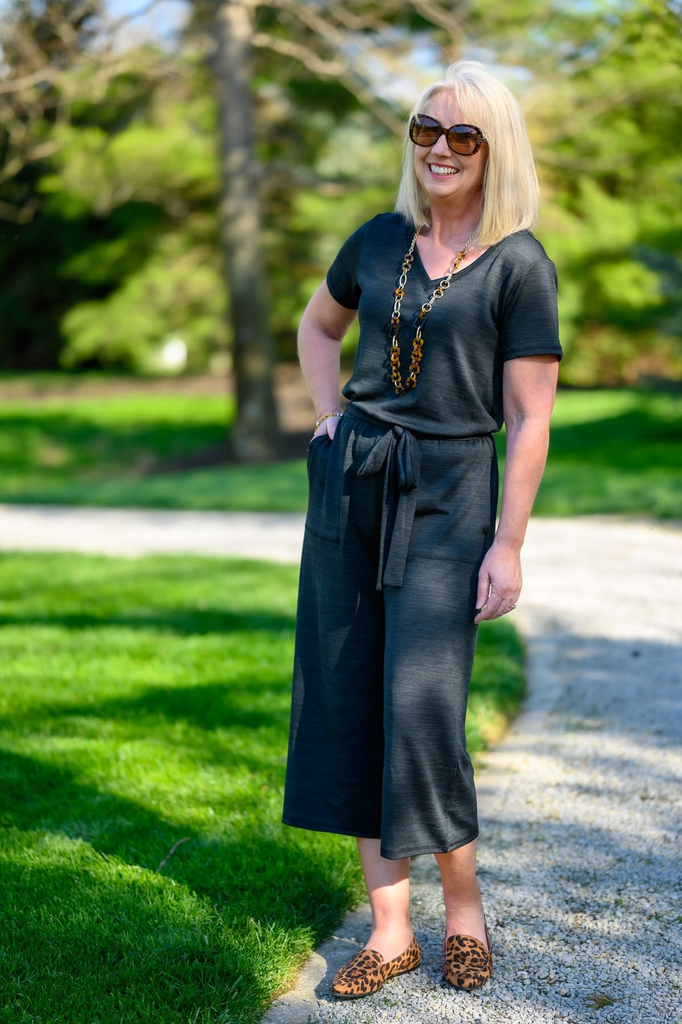
Shoes can make a jumpsuit look completely different, but I wouldn’t choose footwear based on appearance alone. If you spend most of the day walking or standing, comfort matters just as much as the final silhouette.
For everyday outfits, leather flats, loafers, supportive sandals, and clean sneakers can all work depending on the cut. A straight-leg jumpsuit often looks easy and modern with loafers, while a wide-leg style can pair nicely with sandals that have a little structure.
For a dressier occasion, block heels or low wedges can add height without requiring the balance and stability of a very high heel. If you prefer flats, a well-fitted jumpsuit can look just as elegant when the hem is adjusted to suit them.
I would pay particular attention to the hem when choosing shoes. If you buy a jumpsuit specifically to wear with heels and later switch to flats, the trouser legs may drag. Conversely, hemming it too short for your usual heels can leave the outfit looking unintentionally cropped.
Here is a quick guide to matching shoes with the occasion.
| Occasion | Shoes I would consider | Styling note |
|---|---|---|
| Everyday errands | Sneakers or supportive flats | Choose a hem that won’t catch under your shoes |
| Lunch with friends | Loafers or leather sandals | A structured bag makes the outfit feel finished |
| Office or meetings | Loafers or low block heels | Keep the trouser length neat and practical |
| Wedding guest outfit | Dressy flats or block heels | Check the hem before the event |
| Evening dinner | Elegant sandals or low heels | Add one polished accessory rather than several competing ones |
You can absolutely wear a jumpsuit with sneakers over 50. I would just make sure the proportions look deliberate, particularly with a wide leg. A clean sneaker and a neatly hemmed jumpsuit can look more contemporary than an uncomfortable pair of heels you never wear.
10. Choose Colors That Work With the Rest of Your Wardrobe
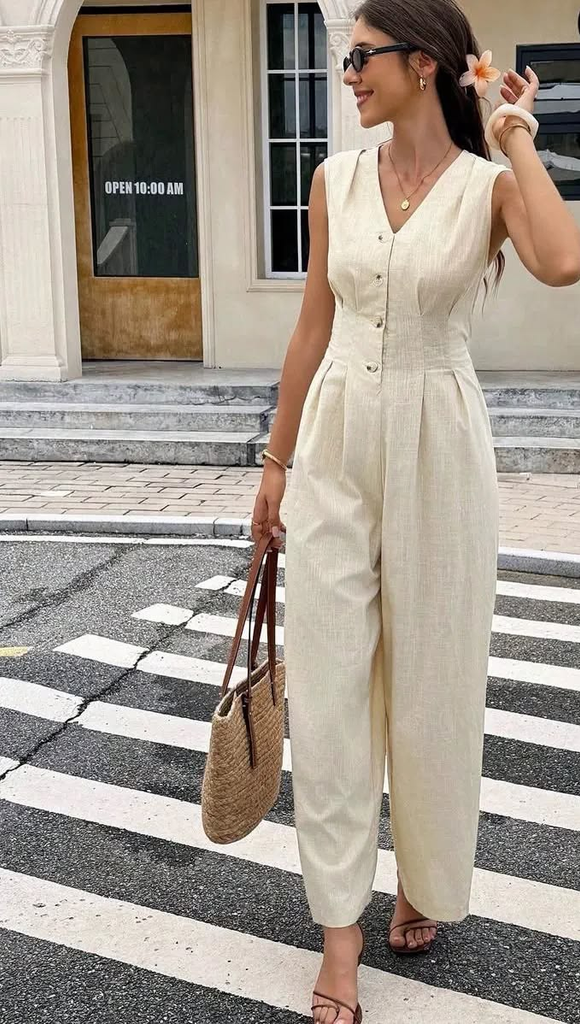
Black is a classic jumpsuit color, but it isn’t the only option worth considering. Navy, chocolate brown, olive, burgundy, cream, and deep teal can all make versatile additions to a wardrobe.
If you’re buying your first jumpsuit, I would start with a color that works with shoes, jackets, and bags you already own. That makes the garment easier to wear repeatedly, rather than leaving you with one outfit that requires several additional purchases.
A navy jumpsuit, for instance, can work with tan sandals for daytime and metallic accessories for an evening event. A chocolate brown version looks lovely with cream, camel, or soft gold accents. A burgundy jumpsuit can be an excellent choice for autumn and winter celebrations.
For a lighter look, cream or beige can feel fresh and elegant. Just remember to check opacity, especially through the seat and thighs. Light-colored fabrics can reveal pocket linings and seams more readily than darker ones.
Prints are another option if you enjoy them. A small-scale geometric print or a subtle vertical pattern can add interest without requiring many accessories. If you prefer bold florals, let the print be the main feature and keep the shoes and bag relatively simple.
I wouldn’t choose a color simply because someone says it is the most flattering for women over 50. Your personal coloring, the season, and the clothes you already love are much more useful guides.
11. Make a Black Jumpsuit Look Elegant, Not Boring

A black jumpsuit is one of the easiest options to style because you can change the entire mood with accessories. It can look relaxed during the day, polished for work, or sophisticated for an evening event without much effort.
For a daytime outfit, I would pair a simple black jumpsuit with tan flats, a woven bag, and small gold earrings. The lighter accessories break up the dark color and keep the look from feeling too formal.
For dinner, swap the flats for dressier shoes and add a clutch or a statement earring. You could also layer a cream blazer over the jumpsuit for contrast. You don’t need a large necklace, a bold belt, and dramatic earrings all at once; one or two well-chosen details are usually enough.
The fit is still what makes the outfit work. If the jumpsuit is too long, pulls at the crotch, or bunches around the waist, accessories won’t fix those problems. I would spend more time finding the right cut than searching for the perfect necklace.
If you already own a black jumpsuit, experiment with the pieces in your wardrobe before buying anything new. A jacket you wear with jeans may be exactly what the outfit needs.
12. Style a Jumpsuit for a Wedding or Special Occasion
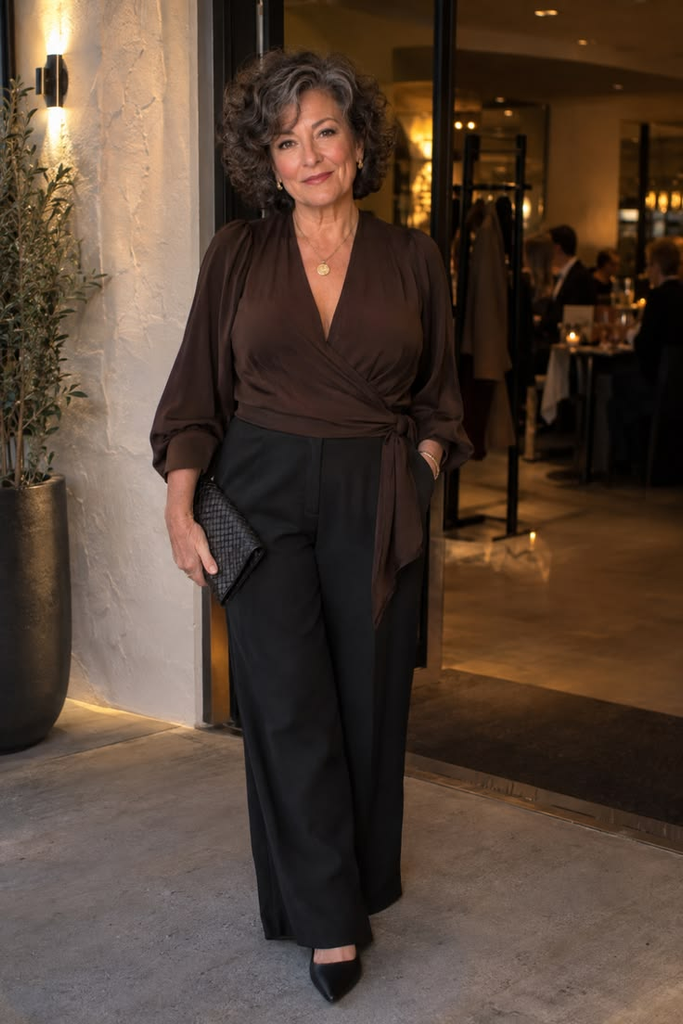
A jumpsuit can be a wonderful alternative to a dress when you want to feel dressed up but prefer trousers. The trick is choosing a fabric and silhouette that feel appropriate for the event rather than treating every jumpsuit as casual daywear.
For a daytime wedding, I would consider a fluid navy, burgundy, emerald, or muted floral jumpsuit with dressy flats or block heels. For an evening celebration, a tailored jumpsuit in crepe or a more luxurious woven fabric can look elegant with a small clutch and refined jewelry.
A wrap bodice, wide-leg trousers, or an interesting neckline can add enough visual detail without requiring elaborate accessories. If the jumpsuit already has a dramatic sleeve or statement belt, I would keep the remaining pieces understated.
Consider the dress code, venue, and weather before choosing the final outfit. A linen jumpsuit may be lovely for an outdoor summer gathering, while a structured design with a blazer could work better for a formal indoor event.
And please don’t leave alterations until the day before. Jumpsuits can be more complicated to hem than ordinary trousers because the waist, torso, and leg length all affect the fit. Trying the outfit with your intended shoes at least a week ahead gives you time to fix any issues.
13. Wear a Jumpsuit Casually Without Looking Underdressed
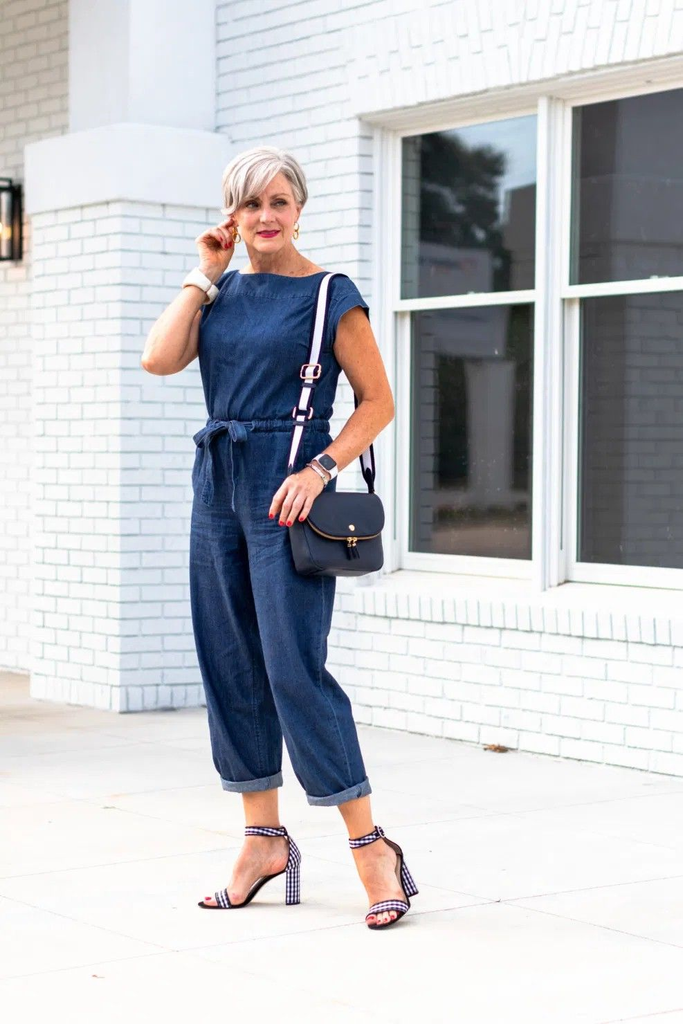
Not every jumpsuit outfit needs to look polished or formal. For weekends, travel, shopping, and casual lunches, I would choose a comfortable fabric and a silhouette that doesn’t require constant adjusting.
A cotton or linen-blend jumpsuit with sneakers is a straightforward starting point. Add a denim jacket or lightweight cardigan when the weather changes, and use a crossbody bag to keep your hands free.
Utility jumpsuits can also work beautifully for casual wear. Look for one with a soft fabric, useful pockets, and a waistband that doesn’t feel stiff. If the design has a lot of buttons, zippers, and oversized pockets, I would keep the rest of the outfit simple.
For travel, consider how easily the fabric wrinkles and whether you can comfortably use the restroom in an airport or restaurant. A jumpsuit that looks wonderful but requires removing several layers may not be the most practical choice for a long journey.
I would also check the temperature of your destination. A long-sleeved jumpsuit might be comfortable in an air-conditioned building but feel heavy in hot weather. Sleeveless or short-sleeved styles can be easier to layer when the forecast is unpredictable.
Choose the Right Undergarments for a Smooth Fit
Undergarments are not the most exciting part of styling a jumpsuit, but they can affect how the finished outfit sits. The wrong bra strap, a visible underwear seam, or fabric that clings to a slip can distract from an otherwise lovely look.
Start with a bra that provides the support and neckline you need. If the jumpsuit has a wide neckline or narrow straps, check whether your usual bra works with the design. You may not need special shapewear at all; often, the right garment cut and comfortable underwear are enough.
If you prefer smoothing shorts or a lightweight slip, choose pieces that allow you to move naturally. Shapewear should not make breathing, sitting, or eating uncomfortable. I would never buy a smaller size in the hope that it will somehow create a better fit.
Pay attention to fabric color, too. White underwear is not always invisible beneath light clothing, so a shade close to your skin tone may be less noticeable. Seamless styles can help under thin fabrics, but test them with the actual jumpsuit rather than assuming they will work.
If the jumpsuit is lined, check whether the lining stays in place when you walk. A lining that rides up can make the entire garment feel uncomfortable, even if the outer fabric fits well.
Get the Torso Length Right Before Buying
Here is a fitting detail I would never ignore: torso length. A jumpsuit can fit your bust, waist, and legs reasonably well and still feel uncomfortable because the distance between the shoulders and crotch is wrong.
If the torso is too short, you may notice pulling across the shoulders, tightness when sitting, or fabric that digs in at the crotch. If it’s too long, the waistline may sit lower than intended, and excess fabric can bunch around the middle.
This is why I would try a jumpsuit on rather than relying on your usual clothing size. Two jumpsuits labeled the same size can have very different proportions, particularly if one is designed for a petite frame or has a longer rise.
When shopping online, look for the garment’s torso or rise measurements if the retailer provides them. Read the size chart carefully and compare it with a jumpsuit you already own that fits comfortably. Customer reviews can also help identify whether a particular design runs short through the body.
A tailor can sometimes make small adjustments, but changing the torso length substantially is more complicated than shortening a hem. If the garment pulls uncomfortably through the body, I would look for a different design instead of assuming alterations will solve everything.
Know When a Jumpsuit Needs Tailoring
You don’t have to buy a perfectly fitted jumpsuit straight off the rack. Sometimes the shoulders and waist fit beautifully while the legs are too long, or everything works except the sleeve length.
The most useful alterations are often the simplest ones. Hemming the trousers can improve the entire silhouette, while adjusting the straps may help position the bodice correctly. Depending on the construction, a tailor may also be able to refine the waist or shorten sleeves.
However, I would be careful about buying a jumpsuit that needs several major changes. Alterations to the crotch, torso, shoulders, and overall proportions can become expensive, and not every garment can be changed successfully.
Before spending money, compare the alteration cost with the price of a different jumpsuit that fits better. If a simple hem is all you need, tailoring can be worthwhile. If the garment pulls everywhere, keep shopping.
A simple jumpsuit fitting checklist
Before buying, I would check these details:
- The shoulders sit comfortably without pulling or slipping.
- The bust has enough room when I move my arms.
- The waistline falls where the design intends it to.
- The fabric skims the hips and thighs without uncomfortable tension.
- The crotch doesn’t pull when I sit or walk.
- The leg length works with my preferred shoes.
- The neckline stays in place when I lean forward.
- The fabric isn’t transparent in bright light.
- The closures are easy enough to manage independently.
- I can sit comfortably for several minutes without wanting to change clothes.
That last point matters more than people think. A jumpsuit should feel good when you’re moving through real life, not just when you’re standing still in front of a mirror.
How Much Should You Spend on a Good Jumpsuit?
You don’t necessarily need an expensive jumpsuit to look elegant over 50. I would focus on fabric quality, fit, construction, and how often you’ll wear it rather than buying a high-priced garment simply because it has a designer label.
Prices vary considerably by country, retailer, and material, so I would compare current options within your own shopping budget. The following categories are a useful way to decide where to spend.
| Budget level | What I would look for | Best use |
|---|---|---|
| Budget-friendly | Simple construction, washable fabric, comfortable fit | Everyday wear and experimenting with styles |
| Mid-range | Better drape, more thoughtful shaping, useful pockets | Work, dinners, and frequent wear |
| Premium | Refined finishing, quality fabric, strong construction | Special occasions or a wardrobe staple worn often |
For a first purchase, I would rather buy one well-fitting jumpsuit that works with three pairs of shoes than spend the same amount on a trendy design that only suits one occasion.
Check the care label before buying. Dry-clean-only clothing may be worth it for a special event, but it can become expensive if you plan to wear the garment every week. A washable fabric can be a better investment for everyday life.
I would also check the return policy when ordering online. Since torso length and rise can be difficult to judge from photos, the ability to try a different size or cut can save you from keeping something that never feels right.
Common Jumpsuit Mistakes to Avoid After 50
There are a few styling mistakes I would watch for, not because they are forbidden, but because they can make an otherwise comfortable outfit harder to wear.
Buying a size too small. A jumpsuit needs enough room through the torso, hips, and thighs. If the fabric pulls when you sit, sizing up or trying a different cut is usually a better solution than hoping it will stretch.
Choosing the wrong length. Trousers that drag on the ground can become a tripping hazard and collect dirt. A hem adjusted to your regular shoes can make the whole outfit look more polished.
Adding too many accessories. A belt, statement necklace, dramatic earrings, large bag, and bold shoes can compete for attention. Pick one or two features you particularly like and let the jumpsuit do the rest.
Ignoring the fabric. A thin material that clings or wrinkles heavily may be less comfortable than a medium-weight fabric with better drape. Think about the weather and the occasion before choosing.
Assuming black is the only flattering color. Black is versatile, but navy, olive, chocolate, burgundy, and other shades can be just as wearable. Choose colors that work with your existing wardrobe.
Wearing shoes that make walking difficult. A jumpsuit can look elegant with flats, loafers, or low block heels. You don’t need high heels to create a dressy appearance.
Keeping a garment that needs constant adjustment. If the straps slide down, the neckline opens, or the waist shifts every time you sit, the design may not suit your proportions. Comfort should be part of the fitting process.
Forgetting the bathroom test. Some jumpsuits have complicated back closures or tight layers that are inconvenient to remove. Check the fastening before buying, especially if you’ll wear the outfit to a long event or while traveling.
Three Easy Jumpsuit Outfits to Copy
If you’re still unsure how to put everything together, I would start with three simple outfit formulas. They cover different occasions without requiring a huge wardrobe.
Outfit 1: The everyday classic
Choose a navy or olive jumpsuit with a defined waist and a straight or gently wide leg. Add comfortable leather sandals, a crossbody bag, and small earrings.
This is the outfit I would choose for lunch, shopping, or a casual day when I want to look put together without dressing formally. A lightweight cardigan can make it more practical when the temperature changes.
Outfit 2: The polished dinner outfit
Start with a black or burgundy jumpsuit in a fabric that drapes smoothly. Add dressy flats or low block heels, a small clutch, and one statement accessory.
If the weather is cool, a cream or camel blazer adds contrast and structure. I would keep the rest of the accessories simple so the outfit feels elegant rather than overworked.
Outfit 3: The relaxed weekend look
Try a cotton or linen-blend jumpsuit with sneakers or flat sandals. Add a denim jacket, a practical tote, and sunglasses if you’re heading outdoors.
This outfit is easy to adapt to your day. You can remove the jacket when it’s warm, switch the sneakers for sandals, or add a belt if you want more definition through the waist.
The common thread is that each outfit begins with a jumpsuit that fits comfortably. Once that foundation is right, styling doesn’t need to be complicated.
Frequently Asked Questions About Wearing Jumpsuits Over 50
Can women over 50 wear wide-leg jumpsuits?
Absolutely. A wide-leg jumpsuit can look elegant at any age. I would focus on a well-fitting bodice, a comfortable waistline, and the correct hem length so the fabric moves naturally without overwhelming your proportions.
What is the most flattering jumpsuit style over 50?
There isn’t one universally flattering style. Wrap jumpsuits, tailored straight-leg designs, and wide-leg silhouettes are all worth trying. The best choice is the one that fits your torso, bust, waist, and hips comfortably and makes you feel confident.
Should I wear a belt with a jumpsuit?
A belt can add definition to a relaxed silhouette, but it isn’t essential. If the jumpsuit already has a shaped waist, you may prefer to leave it alone. Choose a belt that feels comfortable when sitting as well as standing.
Can I wear a sleeveless jumpsuit after 50?
Yes. Sleeveless jumpsuits are a versatile option for warm weather and dressier occasions. If you prefer more coverage, layer a lightweight cardigan, blazer, or cropped jacket over the top rather than ruling out the style altogether.
Are jumpsuits suitable for petite women over 50?
Yes. Look for a petite-specific design when possible, or check the torso and inseam measurements carefully. A well-adjusted hem and a clean silhouette can make a big difference, particularly with wide-leg styles.
What shoes look best with a jumpsuit?
Loafers, flats, sneakers, sandals, wedges, and block heels can all work. I would choose footwear based on the occasion, the width of the trouser leg, and the hem length. Comfort is important, especially if you’ll be walking or standing for several hours.
Can I wear a jumpsuit to a wedding over 50?
Definitely. A tailored or fluid jumpsuit in an elegant fabric can be a lovely alternative to a dress. Choose a color and level of formality that suit the invitation, then finish the outfit with appropriate shoes and understated accessories.
How do I avoid looking shapeless in a jumpsuit?
Look for a defined waist, a well-cut bodice, or a neckline that creates visual structure. You can also add a belt or cropped jacket. However, you don’t need to make every part of the outfit fitted; a relaxed silhouette can look polished when the proportions are balanced.
Is a black jumpsuit a good first purchase?
I think it can be an excellent starting point because black works with many different shoes, bags, and jackets. If you already wear navy, brown, or olive more often, though, choose the color you’ll realistically reach for most.
Final Thoughts: Wear the Jumpsuit That Makes You Feel Like Yourself
If I were starting over with jumpsuits after 50, I would begin with one comfortable, well-made design in a color I already wear. I’d pay particular attention to torso length, waist placement, and the hem, then try it with shoes and a jacket I already own before spending money on new accessories.
I wouldn’t worry about whether a particular style is supposedly too youthful, too bold, or unsuitable for my age. I’d focus on whether it fits properly, works for my lifestyle, and makes getting dressed easier.
The best way to wear a jumpsuit over 50 is to choose one that works with your body rather than forcing your body to work with the garment. Once you find that fit, the rest is simply a matter of adding a few pieces you love and wearing the outfit with confidence.