
I think fall is the easiest season for men to look well-dressed without buying an entirely new wardrobe. You can take a simple T-shirt and jeans combination, add a structured jacket and a pair of leather boots, and suddenly the whole outfit looks more intentional.
The trick is choosing pieces that work together instead of buying individual items that look great in a store but never seem to match anything at home.
When I put together a men’s fall 2026 capsule wardrobe, I focus on versatile layers, comfortable fabrics, practical shoes, and colors that make getting dressed easier.
You don’t need fifteen expensive designer pieces or a closet full of this season’s trends. You need a few reliable essentials that you can mix, match, and wear in different ways throughout the season.
For fall 2026, I’d build around earthy neutrals, relaxed tailoring, textured knitwear, classic denim, and functional outerwear. These choices give you room to experiment with current menswear trends while keeping your everyday outfits wearable.
Whether you’re dressing for the office, weekend errands, a casual date, or a chilly morning commute, here’s how I’d build a capsule wardrobe that earns its space in your closet.
1. Start With a Men’s Fall 2026 Capsule Wardrobe Color Palette
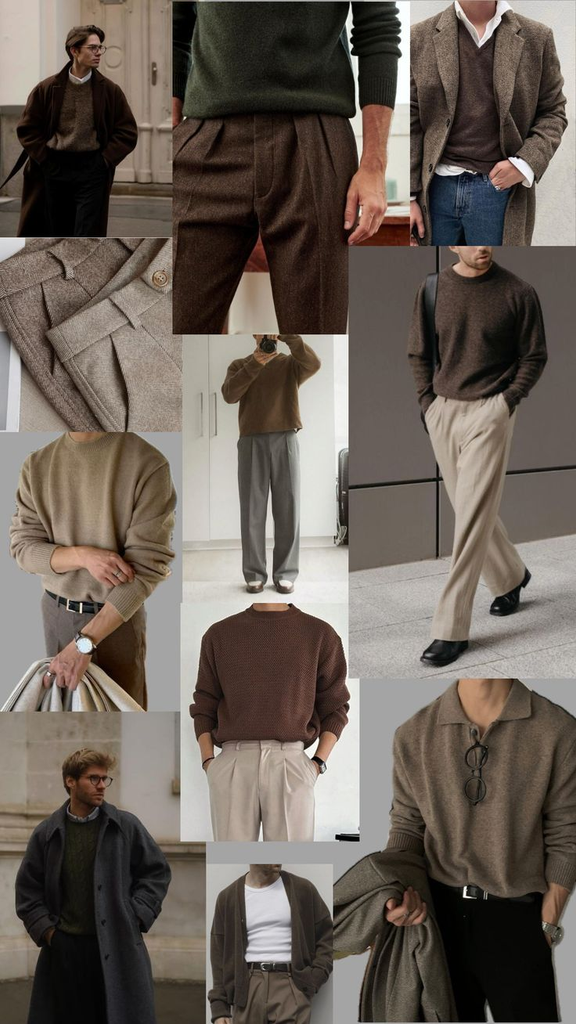
Before buying anything, I’d decide on a color palette. This is the part many men skip, and it’s often why a closet full of perfectly good clothes still feels difficult to style.
For fall, I like using three core neutrals and two accent colors. Charcoal, navy, and cream make a dependable foundation, while olive, chocolate brown, burgundy, or rust bring in seasonal personality.
You don’t have to wear every color at once. The point is to make sure your jackets, trousers, sweaters, and shoes work together without requiring a separate outfit for every occasion.
| Color | Best pieces to buy | Why it works |
|---|---|---|
| Charcoal | Trousers, coats, sweaters | Looks polished and pairs with almost everything |
| Navy | Overshirts, jeans, blazers | A softer alternative to black |
| Cream | Knitwear, T-shirts | Brightens darker fall outfits |
| Olive | Utility jackets, chinos | Adds an outdoors-inspired feel |
| Chocolate brown | Boots, belts, sweaters | Creates warmth and visual depth |
| Burgundy | Knitwear, accessories | Adds a seasonal accent without overwhelming an outfit |
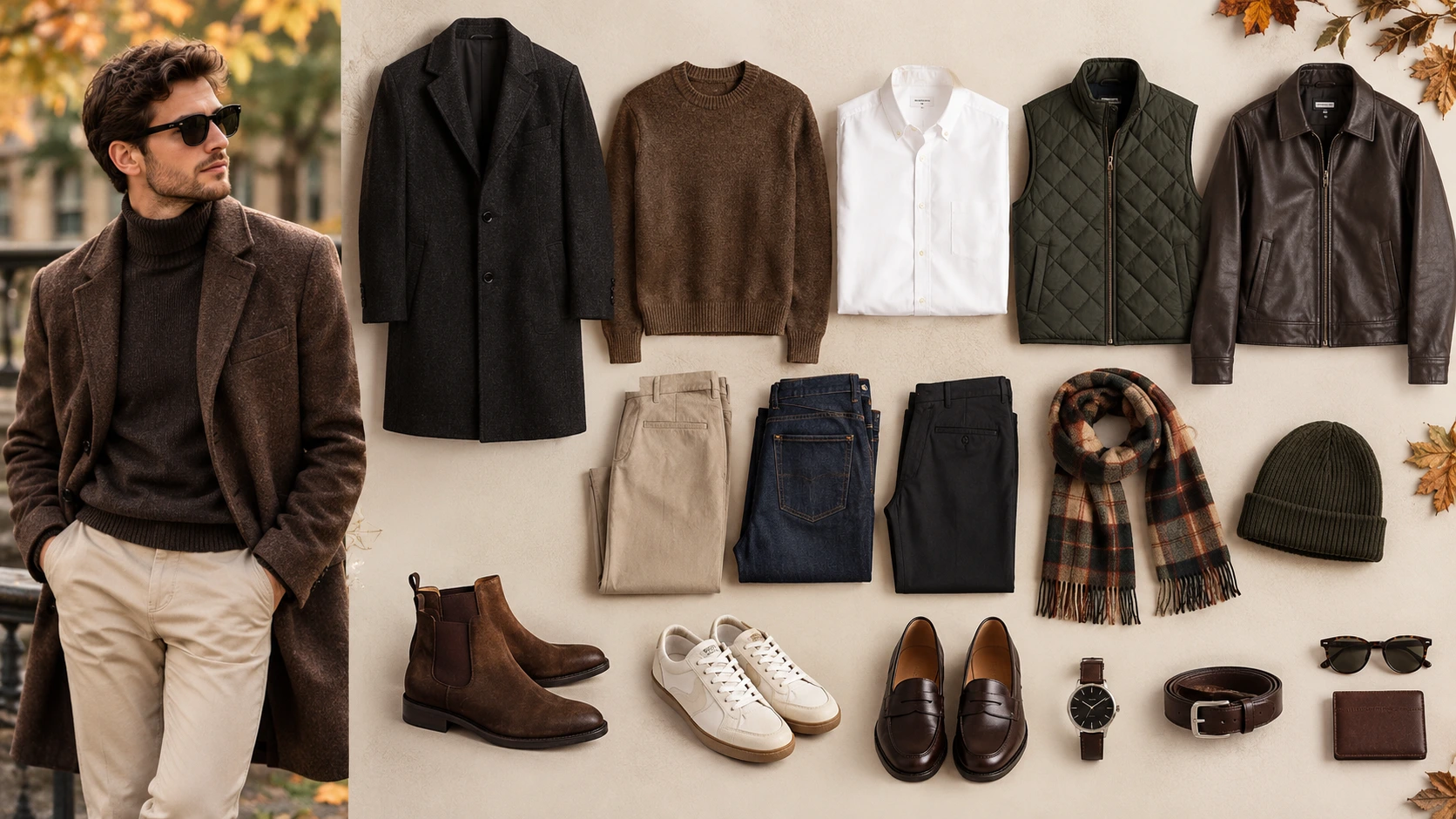
My favorite combination is a chocolate-brown jacket with cream knitwear, dark denim, and brown leather boots. It looks considered without feeling like you’ve spent twenty minutes planning an outfit.
Pro tip: Choose your accent colors after you’ve selected your main neutrals. If most of your existing wardrobe is navy and charcoal, you probably don’t need to replace everything just to embrace an earthy fall palette.
2. Choose a Versatile Lightweight Jacket
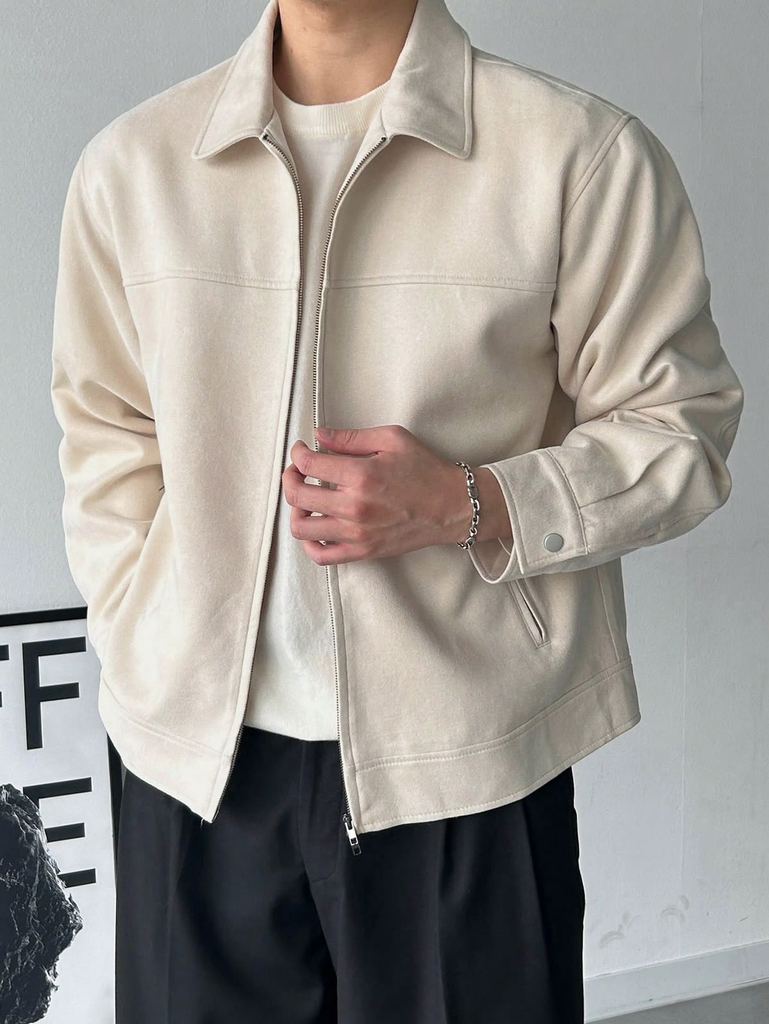
A good jacket can make an ordinary outfit look finished, which is why I’d invest in outerwear before buying more shirts.
For a men’s fall capsule wardrobe, I’d consider a chore jacket, a classic bomber, a Harrington jacket, or a clean-lined field jacket. Each offers a slightly different look, but all can work with jeans, chinos, knitwear, and casual trousers.
A chore jacket is especially useful if you prefer relaxed, practical outfits. Look for sturdy cotton twill or a cotton blend in olive, navy, or brown. Multiple pockets add functionality, although I’d avoid an overly boxy fit if you plan to wear it under a heavier coat later.
A bomber jacket works well if your style leans more modern and minimal. Choose a simple design without oversized logos or too many contrasting panels so you can wear it for several seasons.
For milder fall weather, lightweight cotton is often enough. If your mornings are cold or windy, a lined jacket or a field jacket with room for a sweater will be more useful.
3. Add an Overshirt for Easy Layering
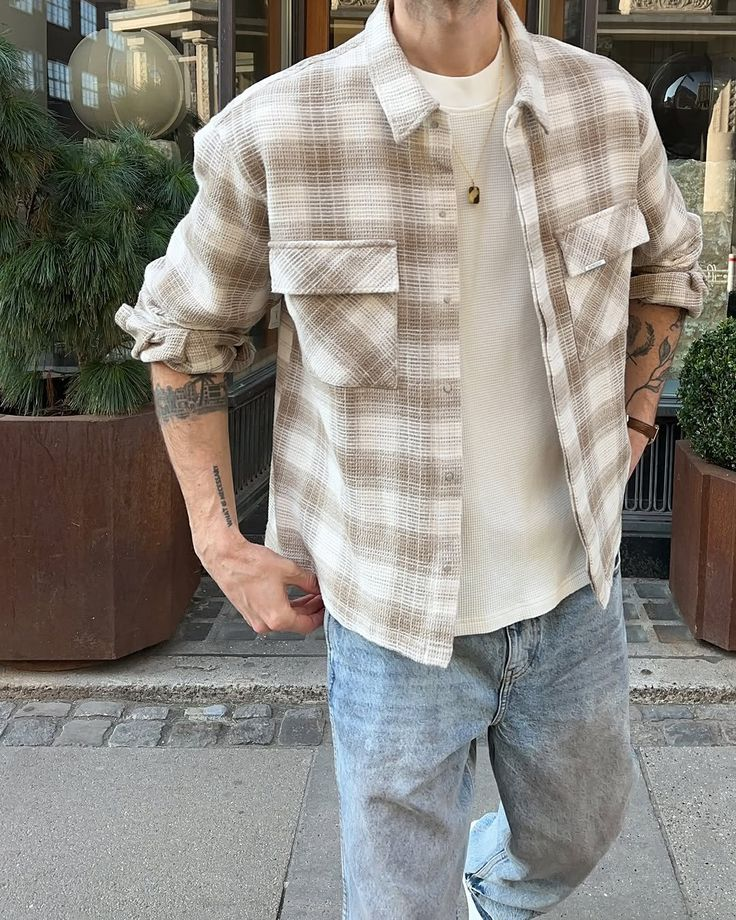
An overshirt is one of those pieces that solves the awkward middle-weather problem. When a T-shirt feels too light but a heavy coat is excessive, you can throw on an overshirt and be comfortable without overcomplicating your outfit.
I’d choose a brushed cotton, wool-blend, or heavier twill overshirt in charcoal, olive, tan, or navy. Wear it open over a plain T-shirt, buttoned over a thin thermal top, or underneath a winter coat when temperatures drop.
For example, a cream T-shirt, olive overshirt, straight-leg dark jeans, and suede sneakers make an easy weekend outfit. Swap the sneakers for leather boots, and the same combination feels more appropriate for dinner.
Pay attention to the shoulders and sleeves. An overshirt should have enough room for a thin knit underneath, but it shouldn’t look like you’ve borrowed a jacket two sizes too large.
4. Invest in a Neutral Crewneck Sweater
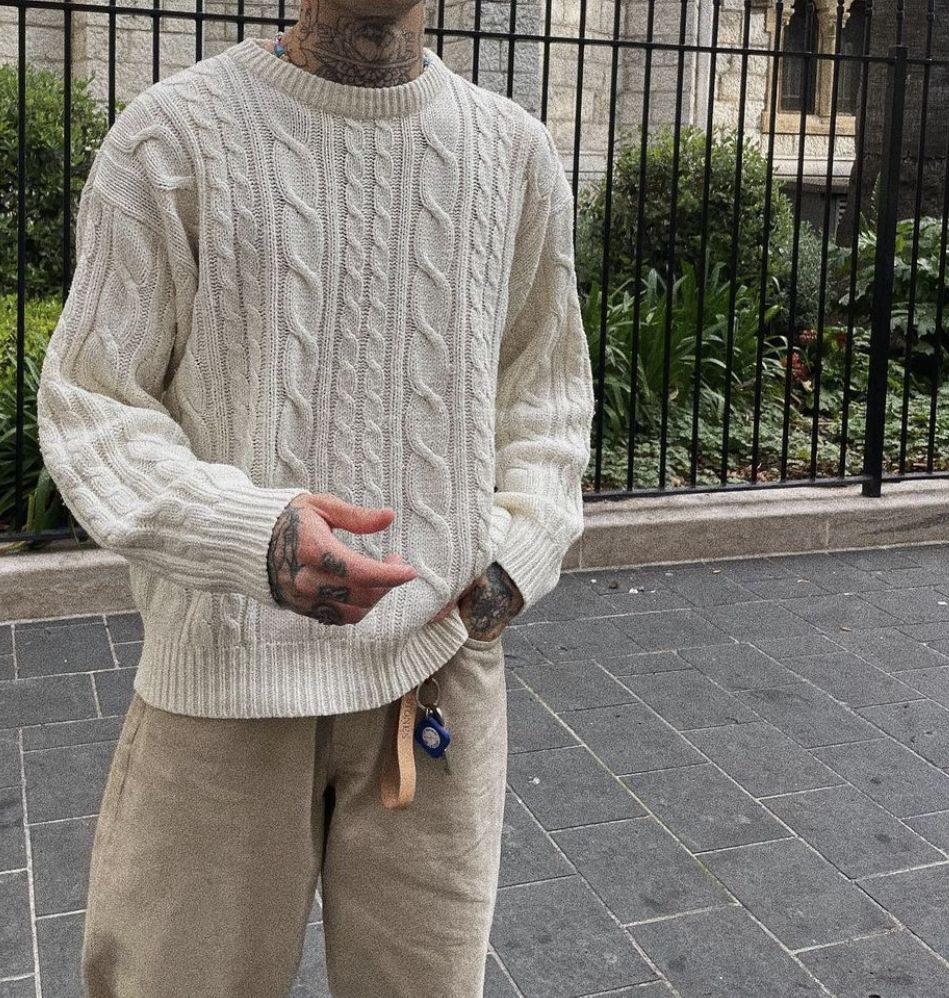
A crewneck sweater is the backbone of my ideal fall wardrobe because it works in so many situations. You can wear it with jeans on Saturday, tailored trousers during the week, or over a button-down shirt when you want something a little smarter.
Merino wool is a strong choice if you want a lightweight layer that sits comfortably under a jacket. Cotton knits are often easier to care for, while lambswool offers more warmth and a traditional autumn texture.
I’d start with navy, charcoal, or oatmeal. If you already own those colors, a chocolate-brown or burgundy sweater can make the wardrobe feel more seasonal.
When shopping, check the fabric composition and care label rather than relying on the price tag. A sweater that pills excessively or requires special care you won’t follow may not be the best everyday purchase.
Pro tip: If you live somewhere with mild autumn weather, a fine-gauge merino sweater will probably get more wear than a thick cable-knit style. If your fall mornings are genuinely cold, prioritize warmth over versatility.
5. Keep Two or Three Quality T-Shirts
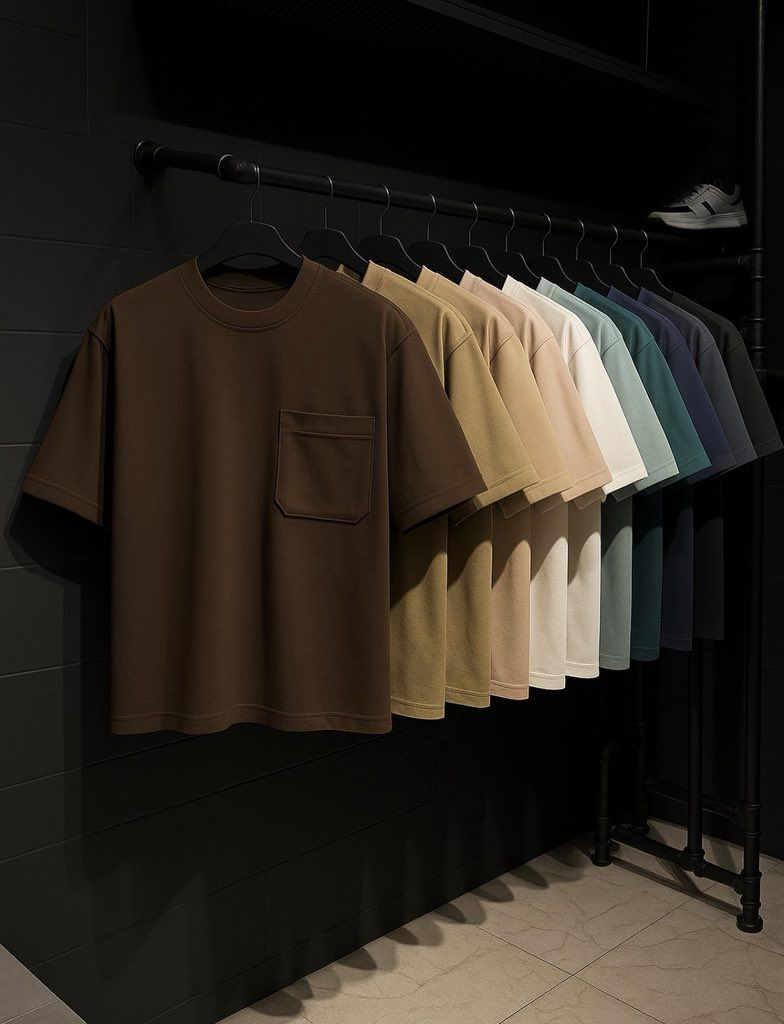
You might wonder why basic T-shirts deserve a place in a seasonal capsule wardrobe. Honestly, they’re what make the layering system work.
I’d keep at least three in good condition: one white or cream, one black or charcoal, and one navy or muted earthy shade. Look for a neckline that holds its shape, fabric that isn’t transparent, and a fit that works under your jackets.
A slightly heavier cotton T-shirt can look more substantial when worn on its own. A lighter, smoother option may layer more comfortably under knitwear.
You don’t need a drawer full of graphic tees for this wardrobe to work. If you enjoy graphic designs, keep one or two that genuinely reflect your style, but let simple basics handle most of the outfit combinations.
6. Choose Dark-Wash Straight-Leg Jeans
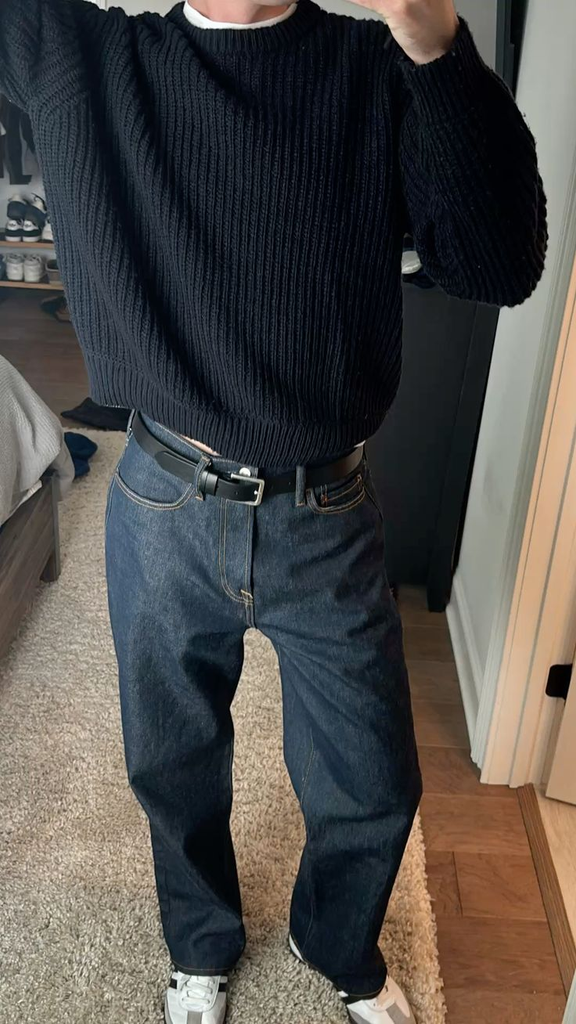
Dark denim is one of the easiest pieces to wear throughout fall. It works with casual sneakers, leather boots, sweaters, overshirts, and even an unstructured blazer.
For a modern but timeless silhouette, I’d look for straight-leg or gently tapered jeans in a dark indigo wash. A little room through the thigh usually makes them more comfortable and easier to style than extremely tight denim.
Avoid excessive distressing if you want your jeans to work across different settings. A clean dark wash is easier to dress up for dinner or casual Fridays.
My preferred combination is dark jeans, an oatmeal sweater, and brown boots. It’s simple, but the difference in texture between denim, knitwear, and leather makes the outfit feel more interesting.
7. Add One Pair of Chinos
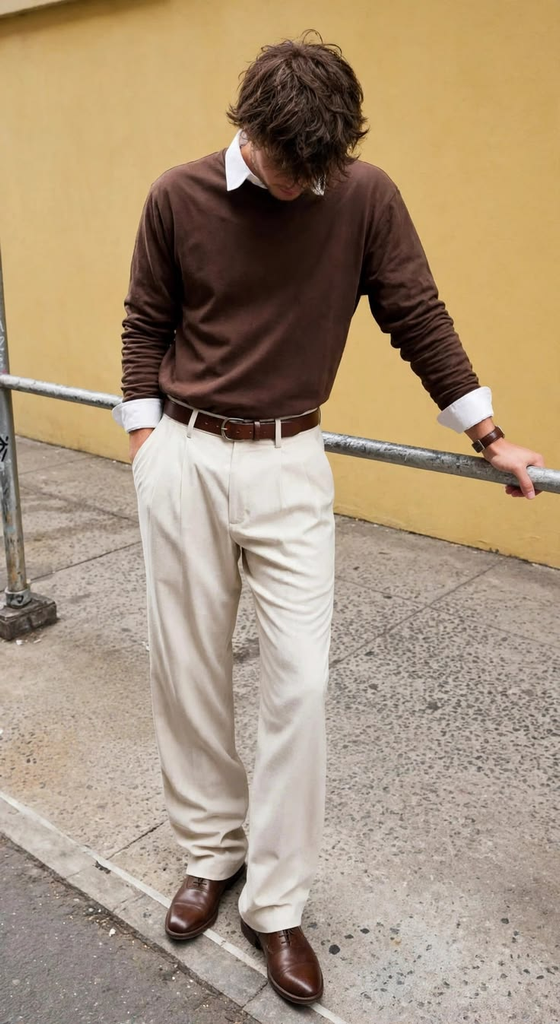
Jeans are useful, but they shouldn’t be your only trouser option. Chinos give you a slightly cleaner alternative for work, dinner, or occasions when denim feels too casual.
I’d choose olive, stone, navy, or dark beige, depending on what you already own. A straight or gently tapered leg tends to work well with both sneakers and boots.
Wear olive chinos with a cream sweater and brown leather shoes for a relaxed smart-casual outfit. For a more understated look, try navy chinos with a gray knit and white sneakers.
Check the rise and length before buying. Trousers that bunch heavily around the ankles can make even a well-coordinated outfit look untidy, while a clean break or slight crop often looks more intentional.
8. Include Tailored Trousers for Smarter Outfits
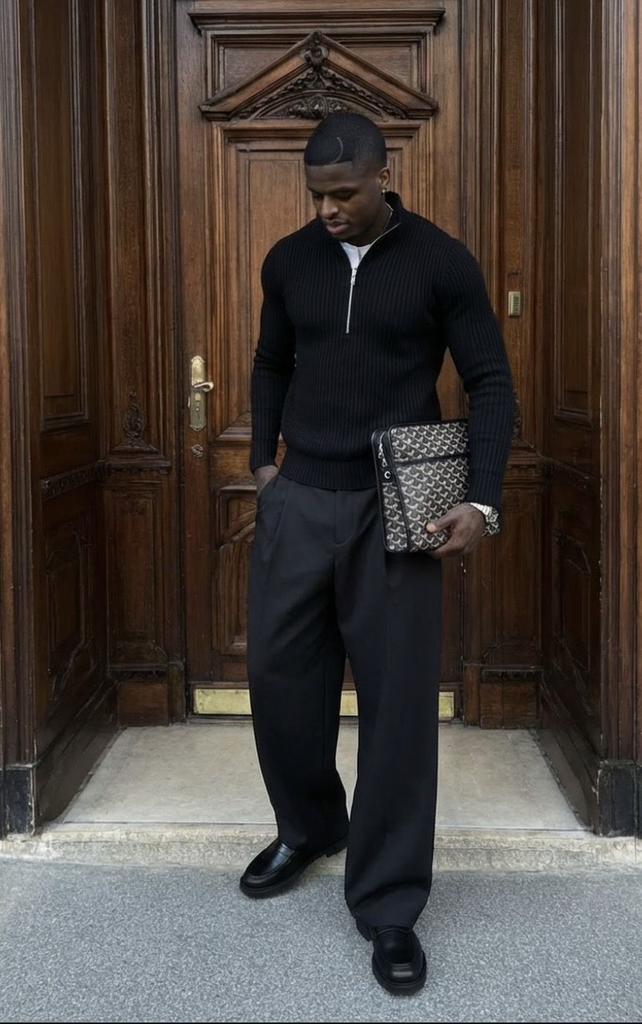
A capsule wardrobe should handle more than weekends. One pair of tailored trousers gives you an option for business-casual offices, restaurant dinners, events, and days when you want to look more polished.
I’d start with charcoal or navy in a comfortable wool blend or another fabric suitable for your climate. If you prefer a relaxed style, choose a straight leg with enough room to move rather than a very slim cut.
You can pair tailored trousers with a crewneck sweater and loafers, or wear them with a plain T-shirt, overshirt, and minimalist sneakers for a more casual combination.
The important thing is to avoid buying trousers that only work with one particular blazer. A versatile pair should look good with at least three or four tops already in your wardrobe.
9. Buy a Flannel or Oxford Button-Down Shirt
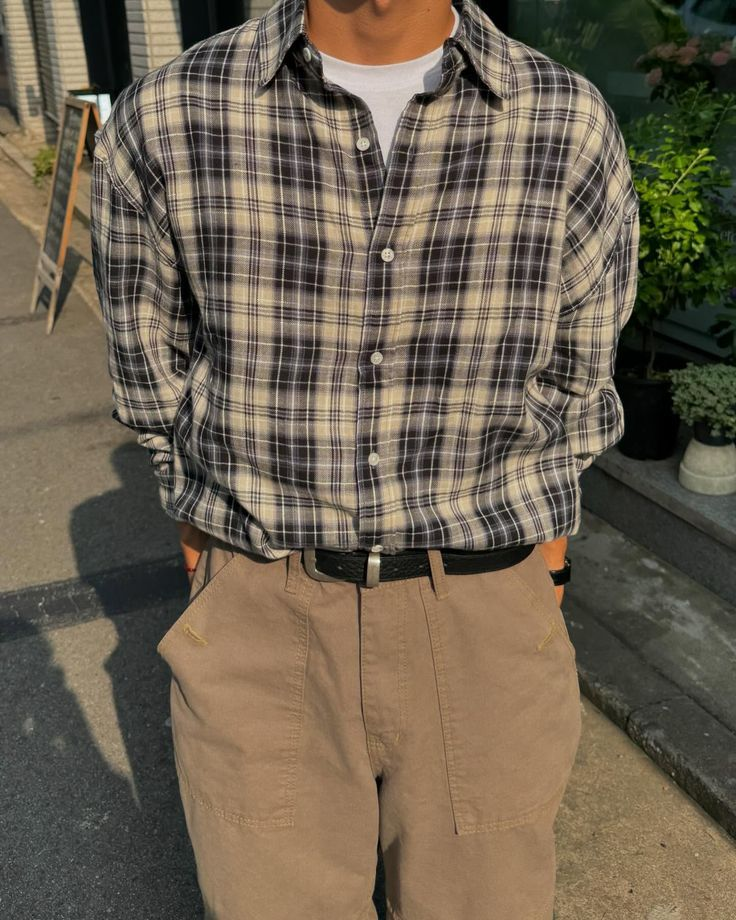
A button-down shirt makes layering easier and gives your wardrobe a little more variety. I’d choose between a classic Oxford shirt and a soft flannel shirt depending on how you normally dress.
An Oxford shirt in white or light blue works well under sweaters, with chinos, or on its own with dark jeans. Flannel offers a more relaxed, seasonal feel, particularly in muted checks or solid earthy colors.
You can wear an Oxford shirt under a navy crewneck, leaving the collar visible, for a simple smart-casual combination. For weekends, wear a flannel shirt open over a T-shirt with jeans and boots.
If you work in a formal office, a crisp button-down may be more useful than a heavy flannel. If your everyday style is casual, the reverse may be true.
10. Choose a Coat That Matches Your Climate
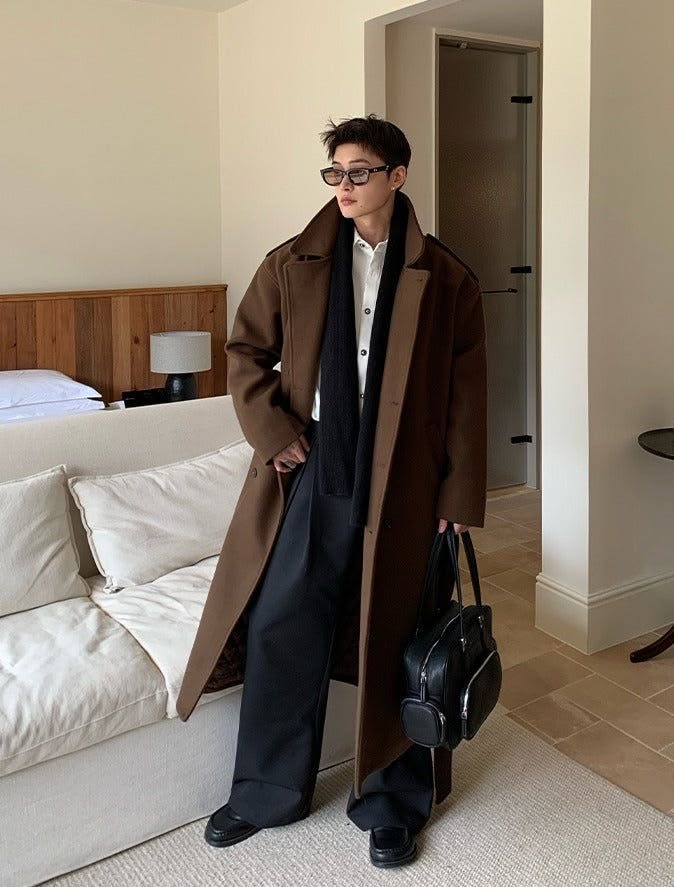
Your outerwear needs depend on where you live, so I wouldn’t automatically recommend buying a heavy wool overcoat just because it’s fall.
For a classic, slightly dressed-up wardrobe, a wool-blend overcoat in charcoal, camel, or navy is a versatile option. It pairs naturally with tailored trousers, sweaters, dark jeans, and leather boots.
If your fall weather is rainy or unpredictable, a water-resistant coat may offer more practical value. A simple raincoat or lightweight insulated jacket can be more useful than a beautiful wool coat that spends most of the season hanging in the closet.
Before buying, consider the thickest layer you’ll wear underneath. Try the coat over your usual sweater, move your arms, and make sure the shoulders don’t pull.
11. Pick Two Pairs of Everyday Shoes
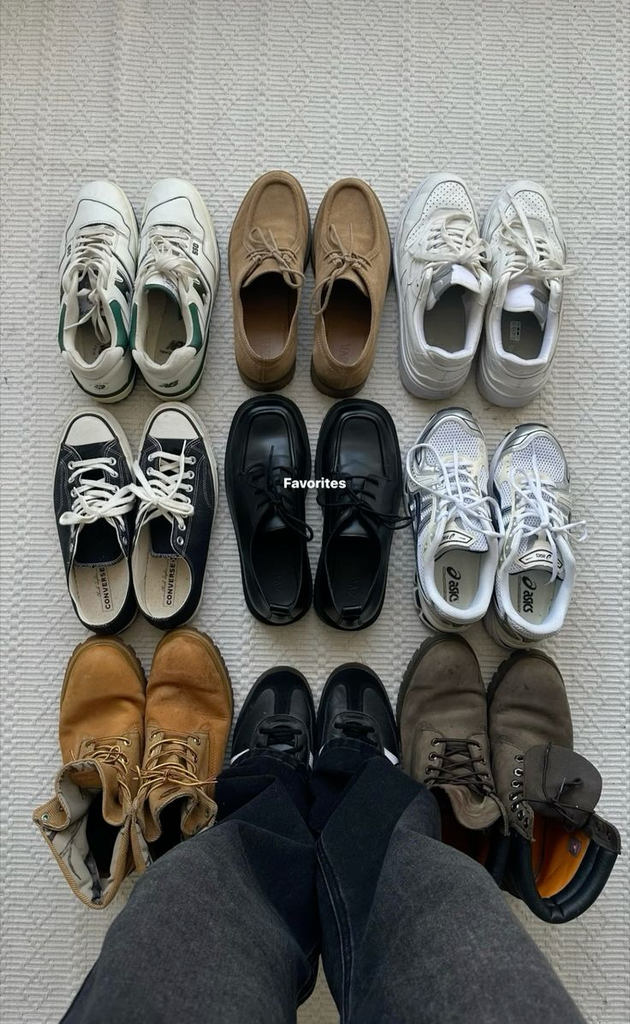
Shoes influence how formal an outfit feels, so I’d rather own two useful pairs than several pairs that serve almost the same purpose.
My first choice would be a pair of clean, minimalist sneakers in white, cream, or a neutral leather finish. These work with jeans, chinos, and relaxed trousers.
For the second pair, I’d choose brown or black leather boots, depending on your existing wardrobe. Chelsea boots create a cleaner silhouette, while lace-up boots suit more rugged outfits.
| Shoe type | Best for | Pairs well with |
|---|---|---|
| Minimalist sneakers | Everyday casual wear | Jeans, chinos, relaxed trousers |
| Chelsea boots | Smart-casual outfits | Dark denim, tailored trousers |
| Lace-up leather boots | Casual and outdoor-inspired looks | Straight jeans, chinos, overshirts |
| Loafers | Mild weather and smarter occasions | Tailored trousers, chinos |
| Weather-resistant boots | Wet or colder conditions | Denim, utility trousers, outerwear |
You don’t need all five options. Start with the pair that fills the biggest gap in your current wardrobe.
12. Use Accessories to Finish the Outfit
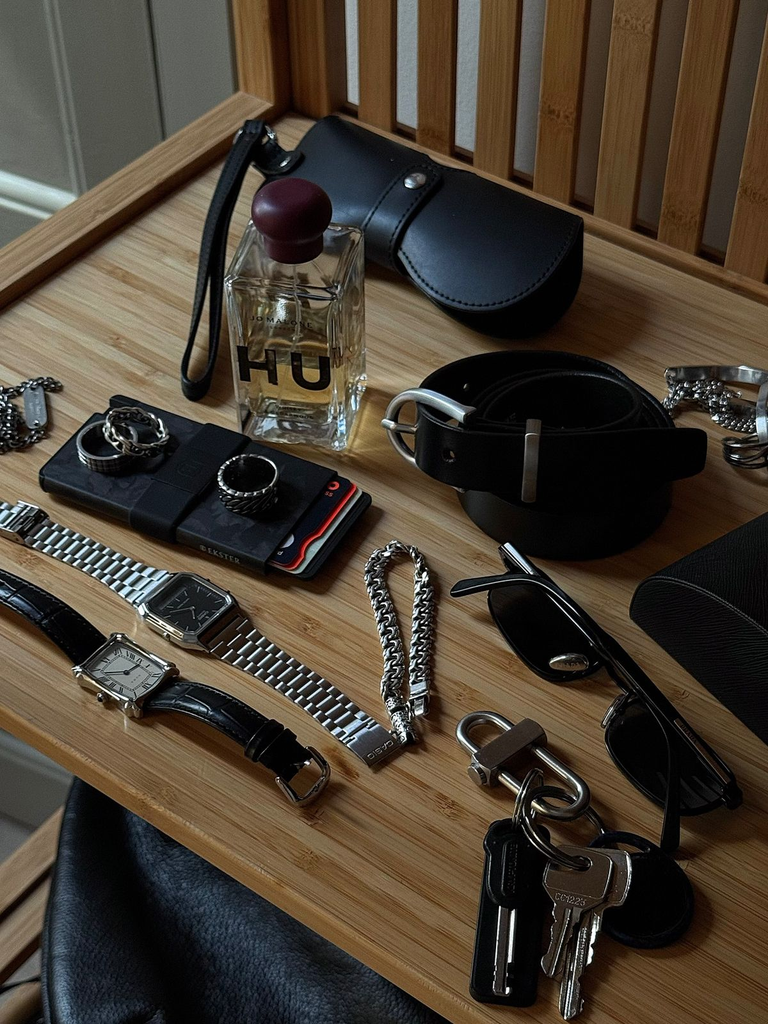
Accessories are useful when they add function or help an outfit feel more complete. I wouldn’t buy a large collection just to follow a seasonal trend.
Start with a leather belt that matches your main shoe color, a practical watch, and a pair of sunglasses if you wear them regularly. When temperatures fall, add a simple scarf and a beanie in colors that coordinate with your outerwear.
A charcoal scarf works with navy, black, olive, and brown jackets. A cream scarf creates contrast against darker coats, while a burgundy scarf adds a small amount of color without requiring a new outfit.
Keep logos and decorative details restrained if you’re aiming for a timeless capsule. The best accessories are the ones you reach for automatically because they work with almost everything.
13. Build Five Reliable Fall Outfit Formulas
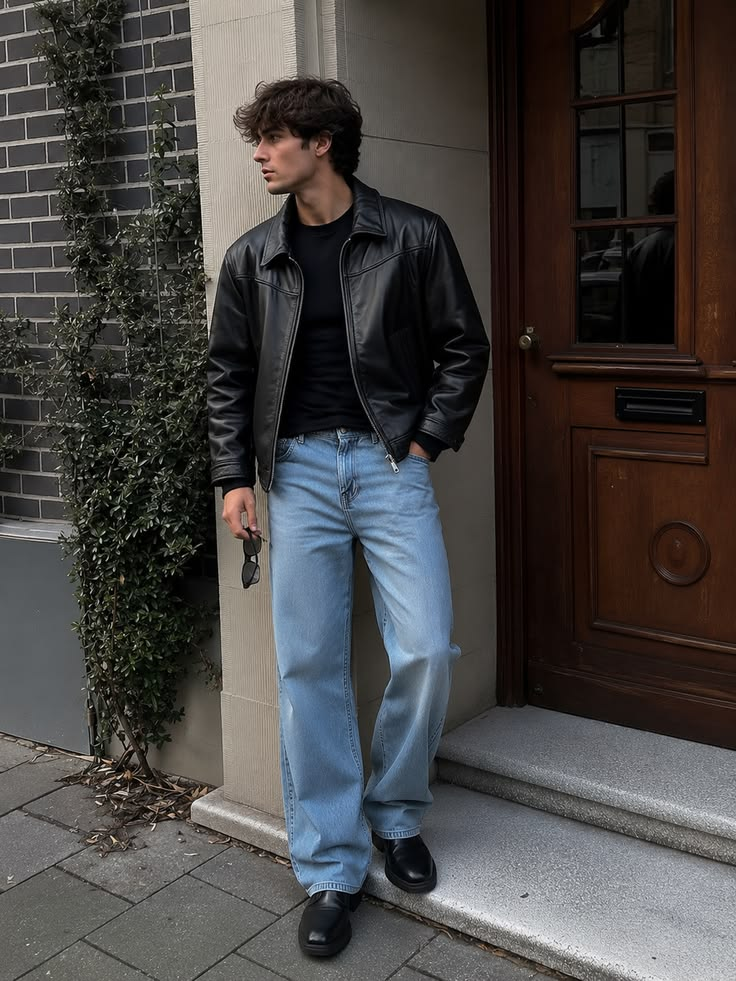
Once you have the main pieces, the real benefit of a capsule wardrobe becomes clear: you can create multiple outfits without having to think too hard every morning.
Here are five combinations I’d use as starting points.
Outfit 1: Everyday Casual
- Cream T-shirt
- Olive overshirt
- Dark-wash straight-leg jeans
- White minimalist sneakers
This is an easy choice for errands, coffee, or a relaxed weekend. Add a lightweight jacket if the temperature drops.
Outfit 2: Smart-Casual Dinner
- Navy crewneck sweater
- Charcoal tailored trousers
- Brown Chelsea boots
- Matching leather belt
This combination feels polished without looking formal. It’s especially useful when you want to dress well without wearing a full suit.
Outfit 3: Relaxed Weekend
- White T-shirt
- Brown chore jacket
- Blue or dark-indigo jeans
- Lace-up leather boots
The contrast between sturdy outerwear and simple basics keeps the outfit from looking too coordinated.
Outfit 4: Casual Office
- Light-blue Oxford shirt
- Charcoal trousers
- Navy or gray sweater
- Loafers or clean leather sneakers
You can remove the sweater indoors and still have a complete outfit underneath.
Outfit 5: Cooler Fall Morning
- Fine-gauge knitwear
- Dark jeans
- Water-resistant jacket or wool coat
- Weather-appropriate boots
- Simple scarf
This outfit is built around practical layering. You can remove a layer during the day without the entire combination falling apart.
How Much Does a Men’s Fall Capsule Wardrobe Cost?
You don’t have to purchase everything at once. In fact, I’d recommend building your capsule wardrobe gradually, starting with the pieces you wear most frequently.
Prices vary considerably by country, brand, fabric, and whether you shop new or secondhand. The following are illustrative US-dollar budgets rather than verified October 2026 retail prices.
| Budget level | Approximate total | What to prioritize |
|---|---|---|
| Budget-conscious | $250–$450 | Basic tees, one sweater, jeans, chinos, versatile jacket, sneakers |
| Mid-range | $450–$900 | Better knitwear, durable boots, improved outerwear, more trouser options |
| Investment-focused | $900–$1,800+ | Premium coats, quality leather footwear, refined fabrics, longer-term wardrobe staples |
These estimates assume you’re buying most of the core pieces and may exclude taxes, shipping, and major price differences in your local market.
If you’re working with a limited budget, I’d buy a good-fitting pair of jeans, two neutral tops, a versatile jacket, and comfortable shoes first. Add tailored trousers, a second knit, and a heavier coat as you need them.
Pro tip: Before shopping, write down five outfits you can make using clothes you already own. Buy only the missing pieces needed to complete those combinations. This is one of the simplest ways to avoid spending money on duplicates.
How to Make Your Fall Capsule Wardrobe Last
A capsule wardrobe saves money only if the pieces remain wearable. Taking care of clothing is less exciting than shopping, but it’s what makes a smaller wardrobe practical over time.
Wash knitwear according to its care label and avoid hanging heavy sweaters in a way that stretches the shoulders. Brush dirt from suede footwear, condition leather when appropriate, and let damp shoes dry naturally away from direct heat.
Store summer-only items separately if closet space is limited, but keep transitional pieces accessible. A lightweight overshirt or cotton sweater can remain useful well beyond fall, especially in places where temperatures fluctuate throughout the day.
I’d also reassess your wardrobe halfway through the season. If you haven’t worn a particular item because it doesn’t fit comfortably or match anything else, figure out why before buying a replacement.
Frequently Asked Questions
How many pieces should a men’s fall capsule wardrobe have?
I’d start with around 12–18 core clothing and footwear pieces, excluding underwear, socks, and workout clothes. Fifteen versatile pieces can be enough for a simple wardrobe, but the right number depends on your work requirements, climate, laundry routine, and personal style.
What are the best colors for men’s fall outfits in 2026?
Charcoal, navy, cream, olive, chocolate brown, and burgundy are useful colors for a fall wardrobe. They create a cohesive base and make it easy to combine older basics with a few seasonal accents.
What should a man wear in fall 2026?
Start with a comfortable T-shirt or button-down, add a sweater or overshirt, and finish with jeans or chinos and suitable footwear. A lightweight jacket works for milder days, while a coat or insulated layer is better for colder conditions.
Is a capsule wardrobe worth it on a budget?
Yes. A capsule wardrobe can reduce unnecessary purchases because each item serves multiple purposes. Start with pieces that solve everyday wardrobe problems rather than buying a complete new collection in one shopping trip.
How can I make a men’s fall wardrobe look more expensive?
Focus on fit, fabric condition, simple color combinations, and clean footwear. Well-fitting dark jeans, a structured jacket, a quality-looking knit, and cared-for shoes often create a more polished appearance than clothing covered in logos.
Conclusion
If I were building a men’s fall 2026 capsule wardrobe from scratch, I’d start with dark jeans, a neutral crewneck sweater, a versatile overshirt, a good jacket, and shoes that work for my everyday routine. I’d make sure those pieces work together before adding anything more seasonal.
The goal isn’t to own the smallest possible wardrobe or follow every new menswear trend. It’s to make getting dressed easier while still looking like yourself. Choose clothes that fit your life, spend more where durability matters, and let the rest of your fall wardrobe grow naturally over time.