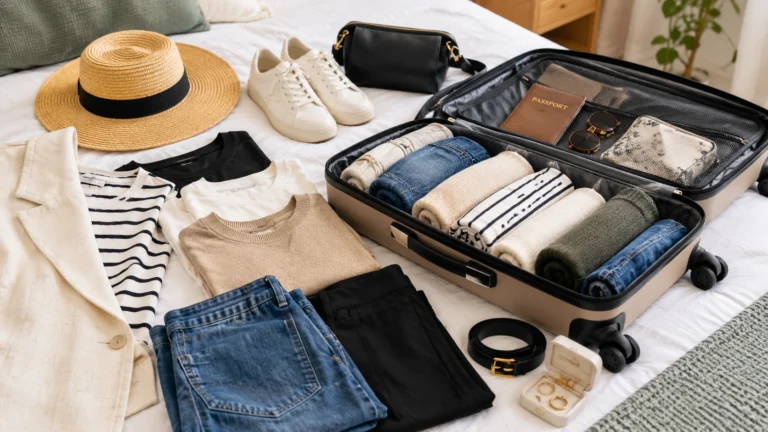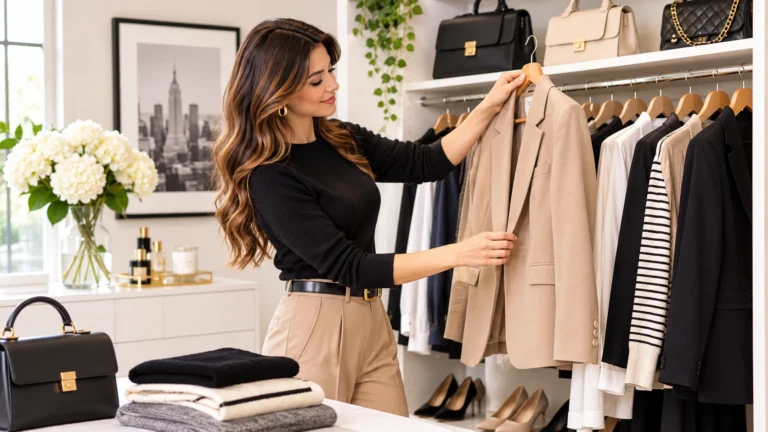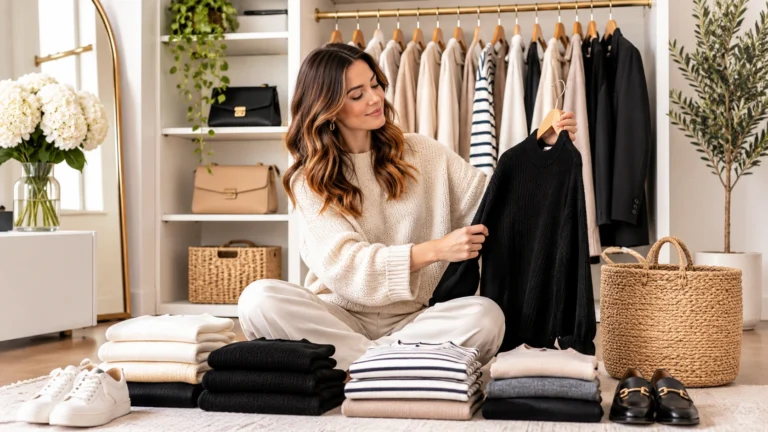
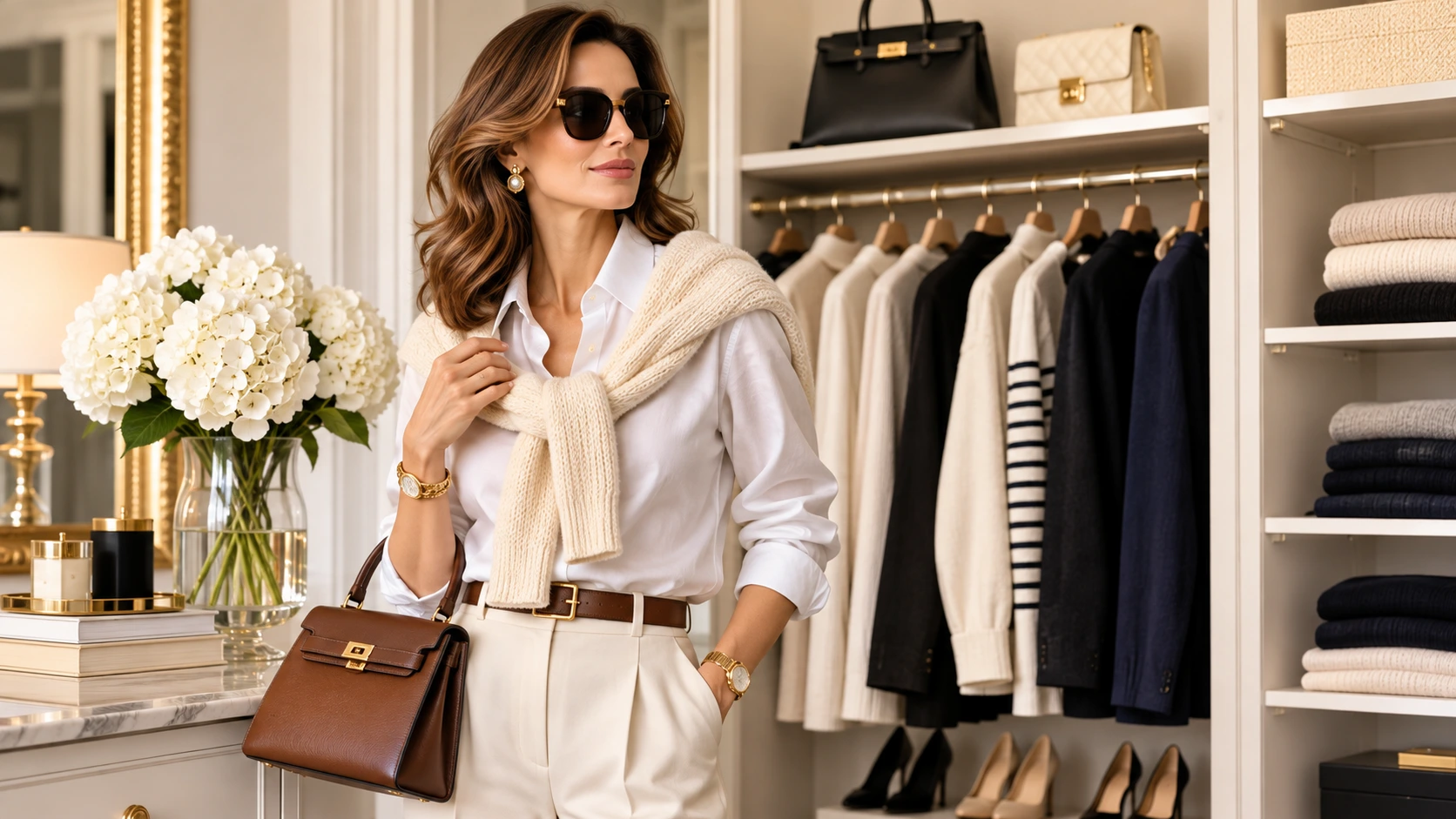

I think the secret to an old money capsule wardrobe is having fewer clothes that look polished together, rather than a closet full of expensive pieces you only wear once.
You know those women who can throw on a simple sweater, tailored trousers, and loafers and somehow look completely put together? That’s the feeling I’m going for here.
The good news is that you don’t need designer labels, a luxury shopping budget, or a walk-in closet to get this look. You need a few well-chosen basics, flattering fits, thoughtful color combinations, and accessories that make even an ordinary Tuesday outfit feel intentional.
When I think about old money style, I picture creamy knitwear, crisp button-down shirts, structured blazers, straight-leg trousers, beautiful leather bags, and shoes that never look like an afterthought. Everything feels understated, but nothing feels careless.
In this guide, I’ll walk you through how to build an old money capsule wardrobe from the ground up, including the essential clothing pieces, the best colors, outfit combinations, affordable shopping tips, and the little styling details that make the biggest difference.
Whether you’re starting with an almost-empty closet or trying to make better use of clothes you already own, you can create this look without replacing everything.
1. What Is an Old Money Capsule Wardrobe?

An old money capsule wardrobe is a small, coordinated collection of timeless clothing inspired by traditional, understated luxury. Think classic tailoring, neutral colors, quality-looking fabrics, minimal logos, and pieces you can wear for years instead of chasing every new trend.
The style takes inspiration from traditional preppy dressing, European classics, country-club fashion, and polished everyday outfits. You might see a navy blazer paired with cream trousers, a striped knit worn over the shoulders, or a simple black dress styled with understated gold jewelry.
What matters most is that the clothes work together.
I wouldn’t define this aesthetic by the price tag. A $35 sweater in a flattering cut can look more refined than a designer sweater that pills easily or hangs awkwardly. Fit, fabric, condition, and styling often matter more than the label.
Here are the details I focus on when building this kind of wardrobe:
- Timeless silhouettes: Straight-leg trousers, tailored blazers, midi skirts, and classic shirts.
- A coordinated color palette: Cream, navy, camel, black, chocolate brown, and soft blue.
- Understated accessories: Leather-look belts, structured bags, delicate jewelry, and loafers.
- Versatile layers: Cardigans, trench coats, wool-blend coats, and fine-knit sweaters.
- Minimal branding: Clothing that looks polished without relying on prominent logos.
- Practical versatility: Pieces that work for casual outings, the office, dinner, and travel.
The best part is that you can interpret old money style in a way that suits your age, lifestyle, climate, and budget. You don’t need to dress like you’re heading to a yacht club every day.
2. Choose a Classic Color Palette Before You Shop

If I were starting an old money capsule wardrobe from scratch, I’d choose the colors before buying a single new item. This simple step makes it much easier to avoid ending up with lovely individual pieces that don’t actually work together.
A coordinated palette also helps you create more outfits from fewer clothes. When your trousers, tops, outerwear, and shoes share a few colors, getting dressed becomes much less complicated.
The best colors for an old money wardrobe
| Color | Best pieces to buy | Why it works |
|---|---|---|
| Cream and ivory | Sweaters, shirts, trousers | Softens outfits and looks refined |
| Navy blue | Blazers, trousers, knitwear | A versatile alternative to black |
| Camel and beige | Coats, cardigans, belts | Adds warmth and a classic finish |
| Chocolate brown | Bags, belts, trousers, shoes | Creates depth without looking flashy |
| Black | Dresses, trousers, loafers | Works well for evening and polished basics |
| White | Button-down shirts, tees | Brightens outfits and layers easily |
| Light blue | Shirts, fine-knit sweaters | Adds color without overwhelming neutrals |
| Burgundy | Knitwear, bags, scarves | Gives a classic wardrobe a richer accent |
My personal favorite combination is cream, navy, camel, and chocolate brown. These colors look beautiful together, and you can wear almost any combination without having to think too hard.
For example, a cream sweater works with navy trousers, blue jeans, a camel skirt, or beige tailored pants. One item can become the starting point for several completely different outfits.
Should you choose warm or cool neutrals?
This depends on your natural coloring and personal preferences.
If warm colors suit you, try camel, warm ivory, chocolate brown, and olive. If you prefer cooler shades, experiment with crisp white, charcoal, navy, cool taupe, and blue-gray.
You don’t have to follow a strict seasonal color analysis to dress elegantly. I would start by holding different shades near your face in natural daylight and noticing which ones make you look more rested and which ones seem to overpower you.
Pro tip: Before buying another neutral sweater, check the colors already hanging in your closet. If most of your clothes are black and gray, adding another beige item might not be as useful as choosing a navy or white piece that creates more combinations with what you own.
3. The 15 Essential Pieces for an Old Money Capsule Wardrobe
You don’t need 50 new pieces to get started. I’d begin with around 15 versatile essentials, adjusting the list for your climate, lifestyle, and existing wardrobe.
The exact number isn’t a rule. If you rarely wear skirts, for example, there’s no reason to buy one simply because a capsule wardrobe checklist includes it.

1. A Well-Fitted Navy Blazer
A navy blazer is one of the most useful pieces you can own because it makes simple clothes look more structured.
Wear it with straight-leg jeans and a white T-shirt for everyday errands, or pair it with cream trousers and loafers for a more formal outfit. You can also throw it over a simple dress when you need an extra layer.
I would look for a blazer with enough room through the shoulders and chest to move comfortably. If the buttons pull when you sit down or the shoulders extend awkwardly beyond your frame, keep looking.
You don’t have to buy a stiff, heavily structured blazer, either. A softer design can be easier to wear casually and may suit a relaxed lifestyle better.
2. A Crisp White Button-Down Shirt
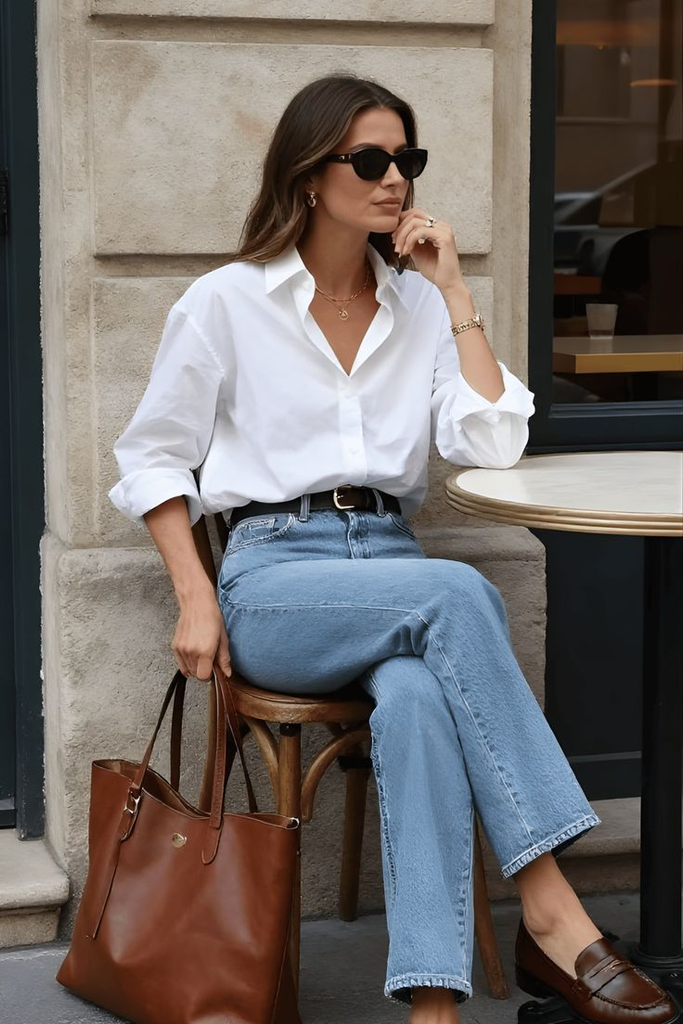
A white button-down shirt gives you countless outfit options without requiring much styling.
Wear it tucked into tailored trousers, leave it open over a simple tank top, or pair it with dark-wash jeans and loafers. In warmer weather, you can roll up the sleeves and wear it with linen trousers.
Pay attention to opacity. Some inexpensive white shirts are surprisingly sheer, particularly across the chest. If you plan to wear yours without a camisole, check the fabric in daylight before removing the tags.
For a more relaxed old money look, I prefer a shirt that skims the body instead of one that’s either skin-tight or excessively oversized.
3. A Cream or Ivory Knit Sweater
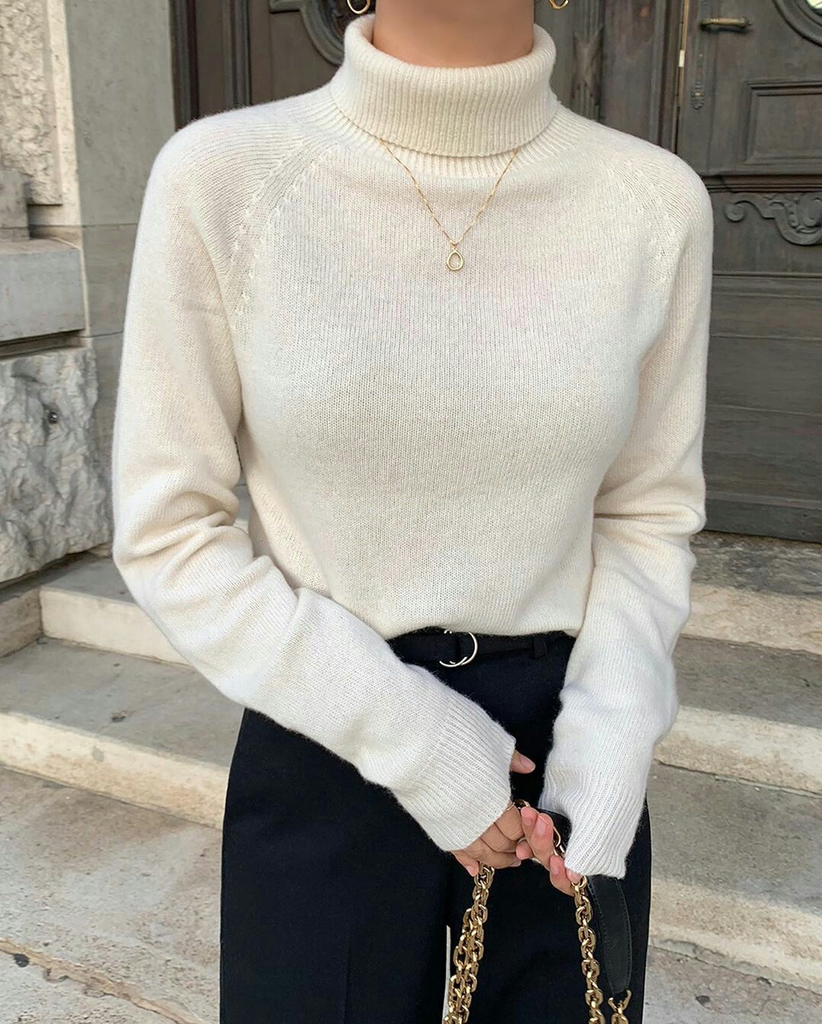
If I could recommend one piece to make an ordinary outfit look more polished, it would be a cream knit sweater.
It works with jeans, tailored trousers, midi skirts, and even simple black pants. A fine-gauge knit is particularly versatile because it fits comfortably under blazers and coats without creating too much bulk.
Look for a fabric that feels pleasant against your skin and holds its shape. Wool blends, cotton knits, and other well-made materials can all work; you don’t need genuine cashmere to achieve the look.
One thing I would avoid is buying a sweater that requires so much delicate care that you’re afraid to wear it. Your capsule wardrobe should make everyday dressing easier, not turn laundry into a full-time job.
4. Straight-Leg Dark-Wash Jeans
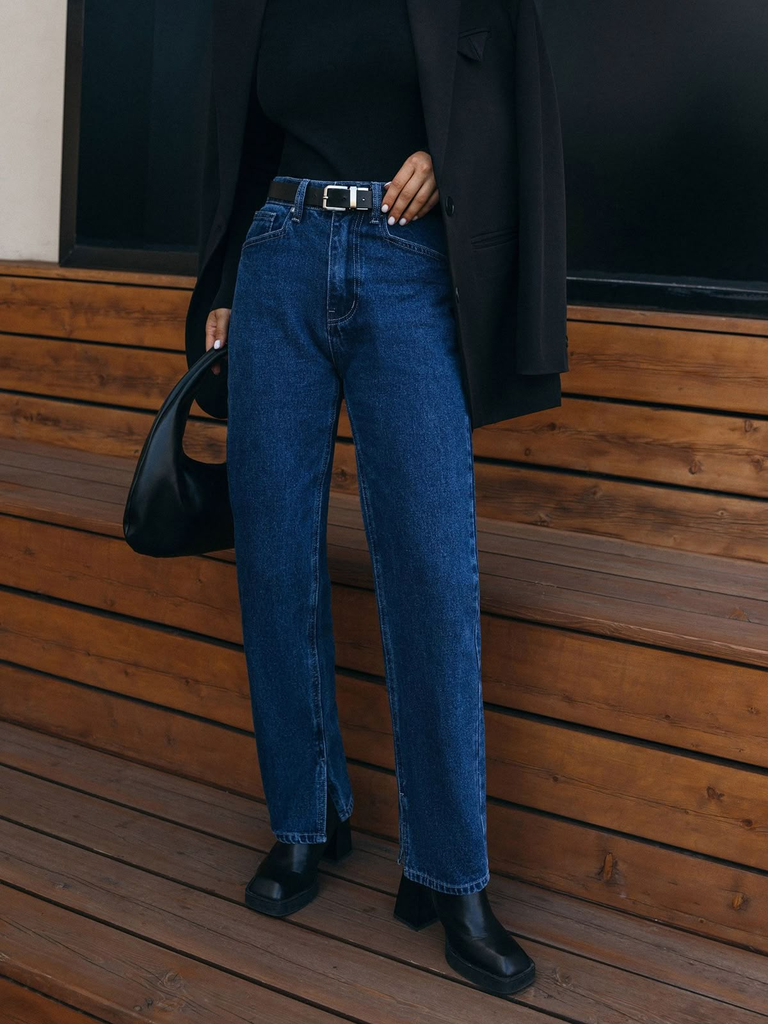
Dark-wash jeans are perfect for days when you want to look put together without wearing dress trousers.
Choose a relatively clean design with minimal fading, distressing, or decorative details. A straight-leg cut works particularly well with loafers, ballet flats, ankle boots, and simple sneakers.
You can wear dark jeans with a white shirt and brown belt, a camel sweater, or a navy blazer. These combinations are easy to repeat without looking as though you’re wearing the exact same outfit every day.
The fit is more important than following a particular denim trend. If straight-leg jeans don’t flatter you, try a subtle bootcut or another classic cut that feels comfortable.
5. Beige or Camel Tailored Trousers
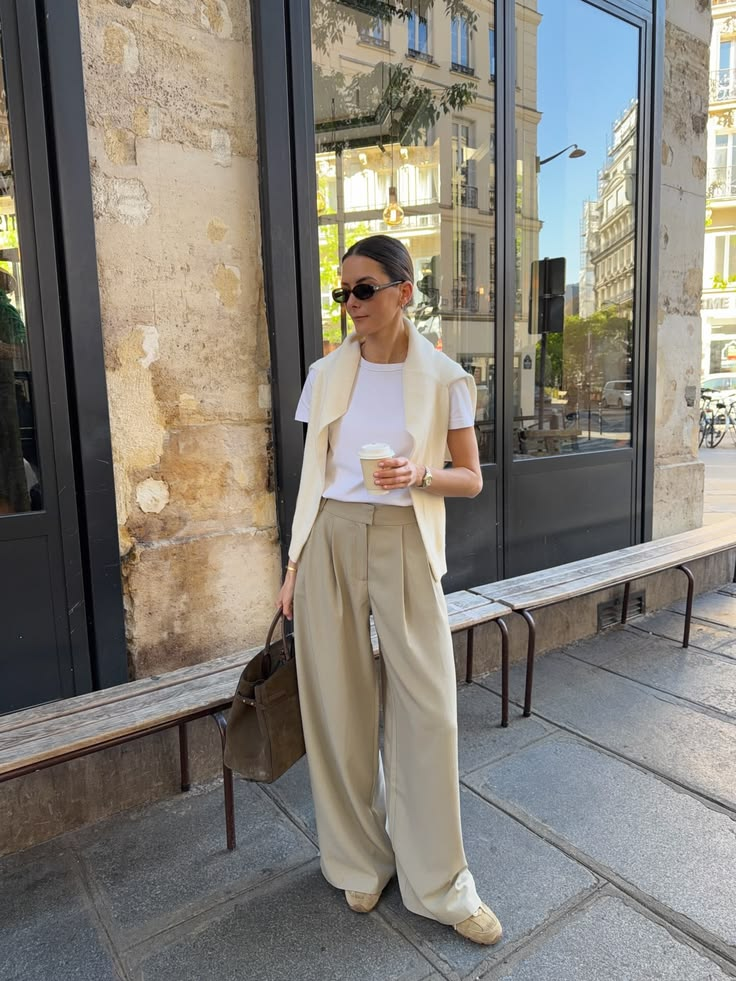
Beige tailored trousers add a softer alternative to black pants and pair beautifully with white, navy, brown, and cream.
I would look for a medium-weight fabric that drapes smoothly instead of clinging to every crease. A straight or slightly wide leg can create a balanced silhouette, while a comfortable mid-rise or high-rise waist gives you plenty of styling options.
Check the length with the shoes you plan to wear most often. Trousers that bunch excessively at the ankles can make an otherwise polished outfit look unfinished.
If you’re working with a tight budget, start with one pair in a shade you can wear year-round rather than buying separate trousers for every season.
6. A Classic Trench Coat
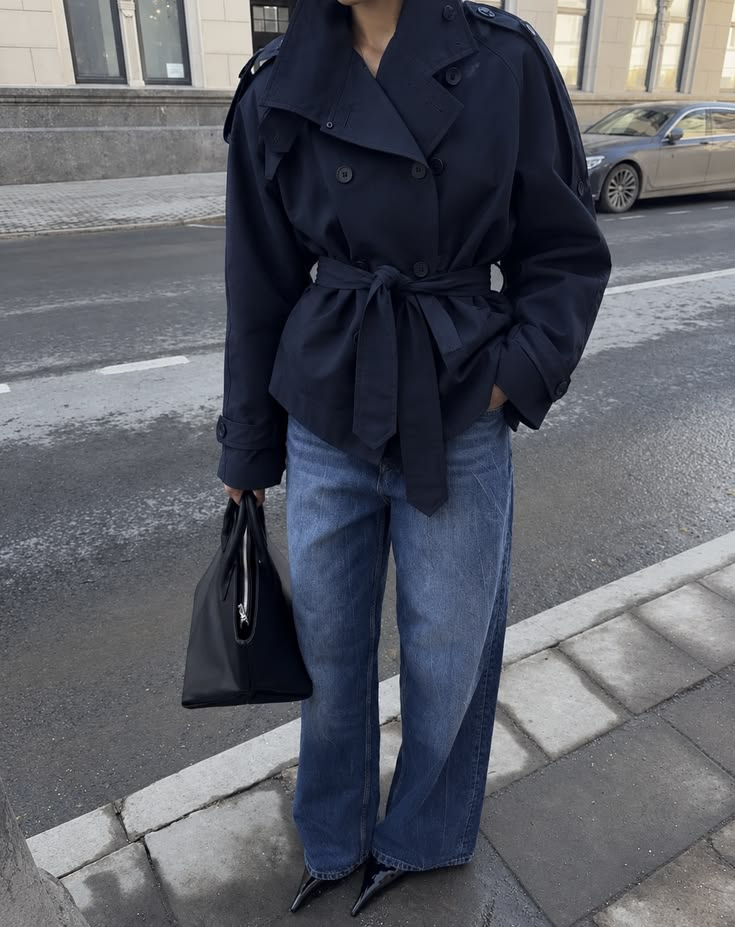
A trench coat is one of those pieces that makes a basic outfit look intentional with very little effort.
Wear it over jeans and a sweater, layer it over office clothes, or throw it over a simple dress for a dinner out. Beige is the traditional choice, but navy, olive, and black can be equally useful.
You don’t need a luxury trench coat to get the effect. Focus on the shoulder fit, sleeve length, lining, button quality, and how comfortably it closes over your usual layers.
If your climate is very hot, a lightweight cotton-blend version may be more practical than a heavy coat. If you experience cold winters, a wool coat may deserve a higher place on your shopping list.
7. A Fine-Knit Cardigan
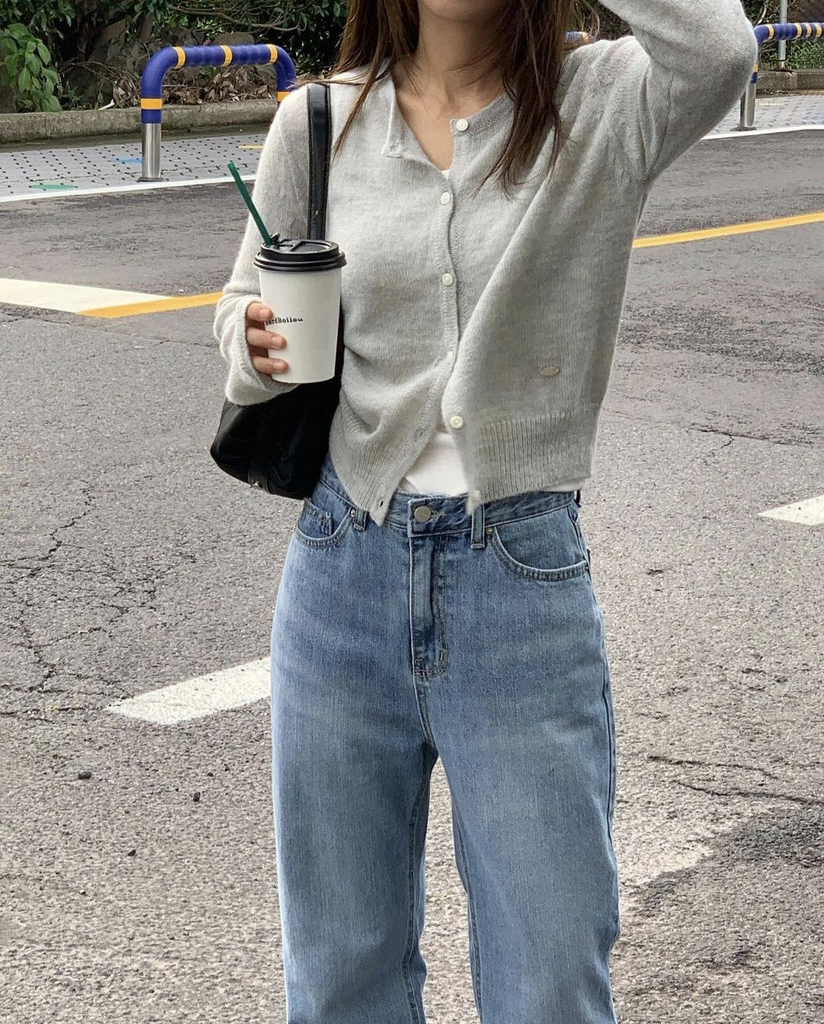
A cardigan provides an easy way to layer without making an outfit feel too formal.
Choose a simple design in cream, navy, gray, or camel. You can wear it buttoned as a top, over a white shirt, or draped over your shoulders when the weather changes.
A cardigan is especially useful if you spend your days moving between air-conditioned rooms and warmer outdoor spaces.
I would skip overly decorative buttons if you’re trying to build a wardrobe that stays versatile. Simple buttons and a flattering neckline are easier to style with different outfits.
8. A Classic Striped Shirt or Breton Top
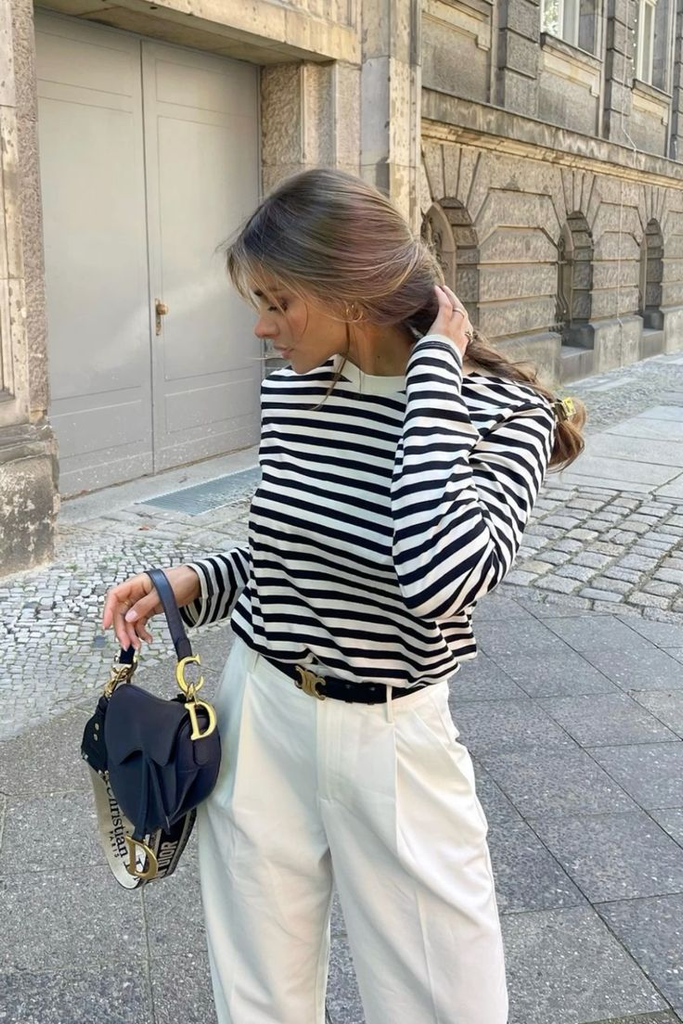
A navy-and-white striped top brings a little personality to a neutral wardrobe without making it feel overly trendy.
It looks good with jeans, white trousers, navy pants, and denim skirts. You can also layer it under a blazer or wear it with a cardigan tied loosely around your shoulders.
For the most versatility, choose narrow or medium stripes in a classic color combination. Bolder stripes can be beautiful too, but consider whether they’ll work with your other pieces before purchasing.
9. A Simple Black Dress
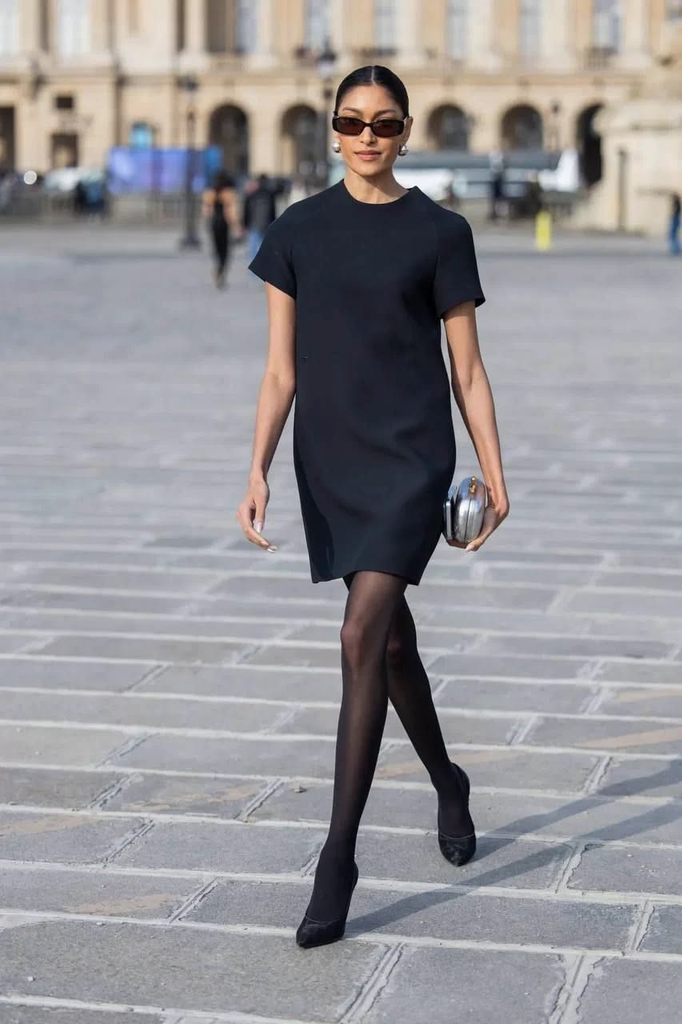
A black dress is useful for dinners, work events, celebrations, and occasions when you don’t want to spend half an hour deciding what to wear.
Choose a silhouette that suits your body and feels appropriate for the places you actually go. A sleeved midi dress, a simple sheath, or a relaxed knit dress can all fit into an old money-inspired wardrobe.
You can change the look with a blazer, a structured handbag, delicate jewelry, or a classic pair of flats.
My advice is to prioritize comfort and fit over a particular neckline or hemline. A dress you can sit, walk, and move around in comfortably will earn far more wear than one that only looks good standing in front of a mirror.
10. A Neutral Midi Skirt
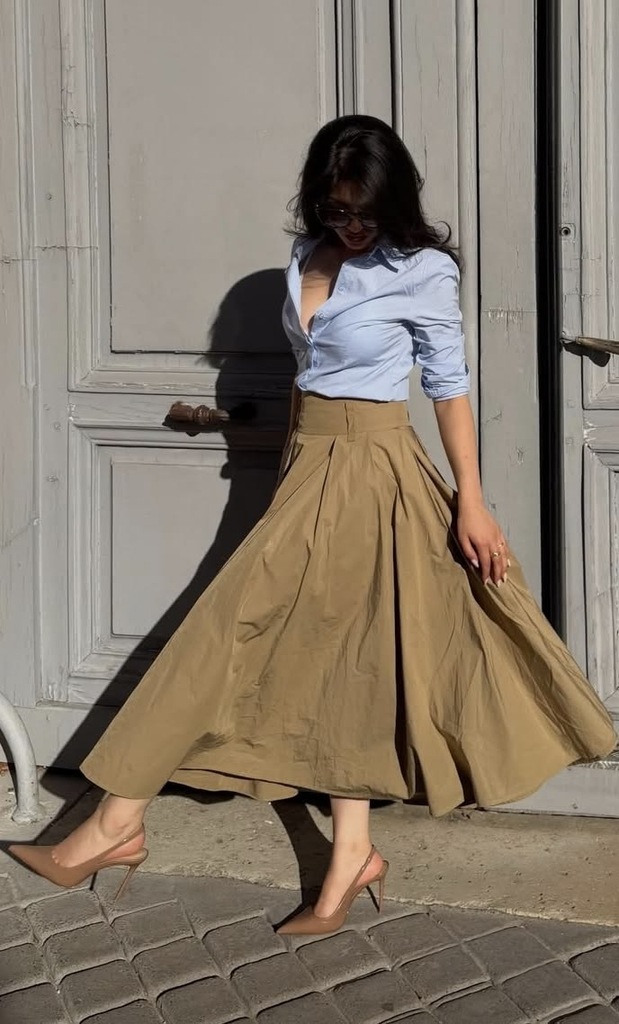
A midi skirt is a useful alternative to trousers, particularly if you want an outfit that feels feminine without being overly dressy.
Look for a straight, softly A-line, or gently pleated shape in a versatile color. Satin, cotton, wool blends, and other fabrics can work depending on the season and occasion.
Pair it with a fine-knit sweater and loafers for a polished daytime outfit, or wear it with a white shirt and ballet flats.
If you’re concerned about proportions, try the skirt with the shoes you intend to wear most often. A hemline that works with flat shoes may fall differently when you switch to heels.
11. A Pair of Leather or Leather-Look Loafers
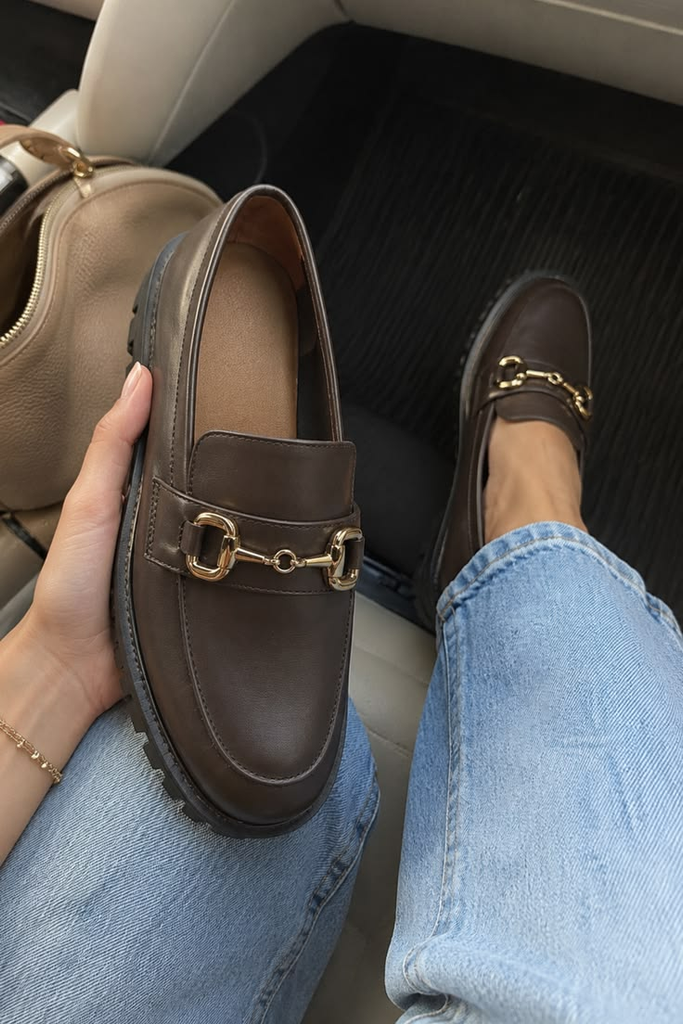
Loafers are one of my favorite choices for creating a polished outfit without sacrificing practicality.
They work with tailored trousers, dark jeans, midi skirts, and many simple dresses. Brown loafers look particularly good with camel and cream, while black loafers offer a sharper finish.
Comfort should be a major consideration. Check whether the heel slips, whether the toe box feels cramped, and whether the sole provides enough support for your usual walking routine.
If you buy only one pair, choose the color that works with most of your wardrobe. There’s no point buying beautiful shoes that require you to purchase another set of clothes to match them.
12. Minimalist Sneakers
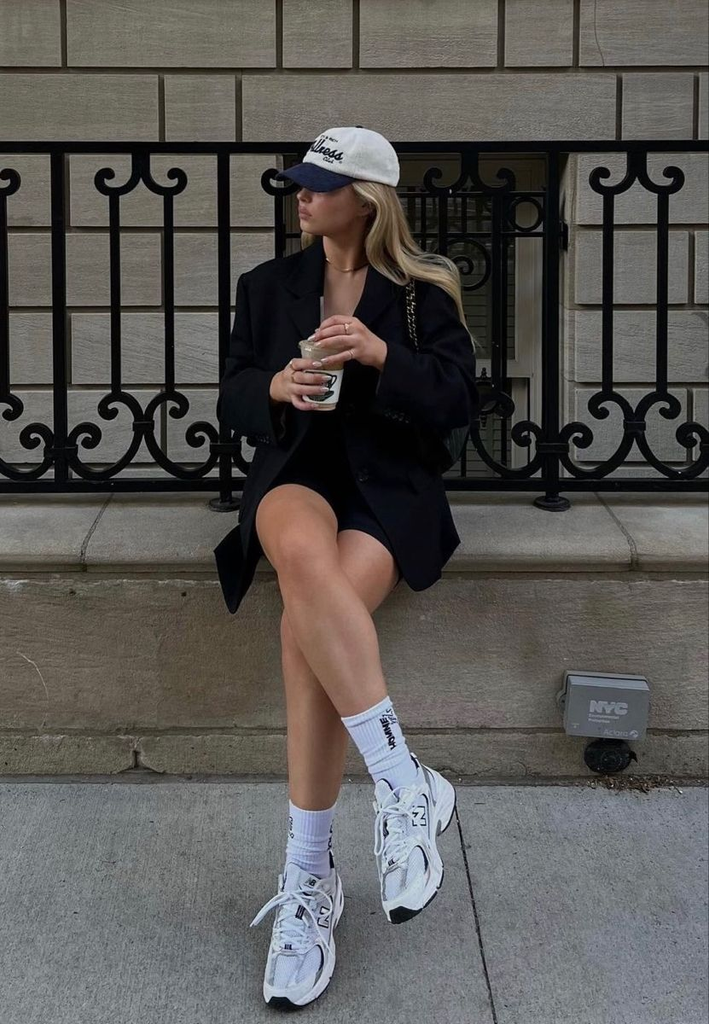
A classic white, cream, or neutral sneaker makes old money style feel more approachable for everyday life.
Wear them with straight-leg jeans, tailored trousers, a striped shirt, or a simple casual dress. They are particularly useful if you walk frequently or prefer not to wear structured shoes all day.
Choose a clean silhouette with minimal branding and details that are easy to maintain. A pair that can be cleaned without too much effort is more practical than delicate white shoes that look worn after two outings.
13. A Structured Everyday Handbag
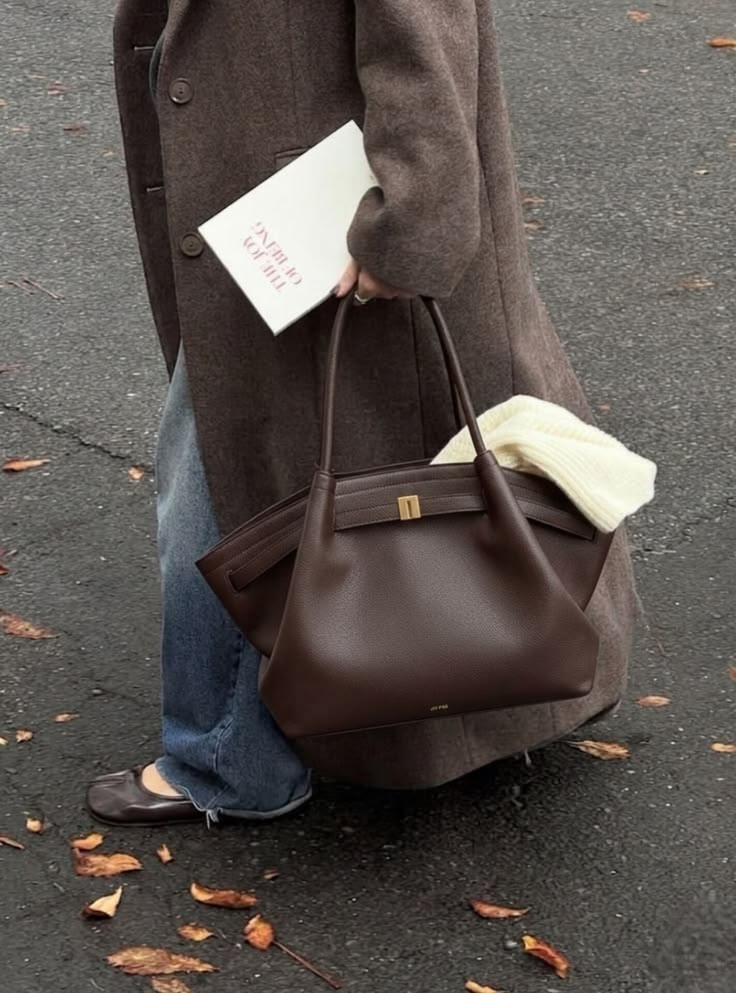
A structured handbag can pull together an outfit even when the rest of your clothing is fairly simple.
Look for a shape that holds its form, has comfortable handles, and provides enough room for the items you actually carry. Black, dark brown, and cognac are versatile choices, while cream can work beautifully if you’re willing to maintain it.
You don’t need an expensive designer bag. A well-finished bag with neat stitching, functional hardware, and a practical interior can create the same understated effect.
Before buying, think about your everyday routine. If you carry a phone, wallet, keys, sunglasses, and a water bottle, a tiny decorative bag may not be a useful wardrobe investment.
14. A Classic Leather Belt
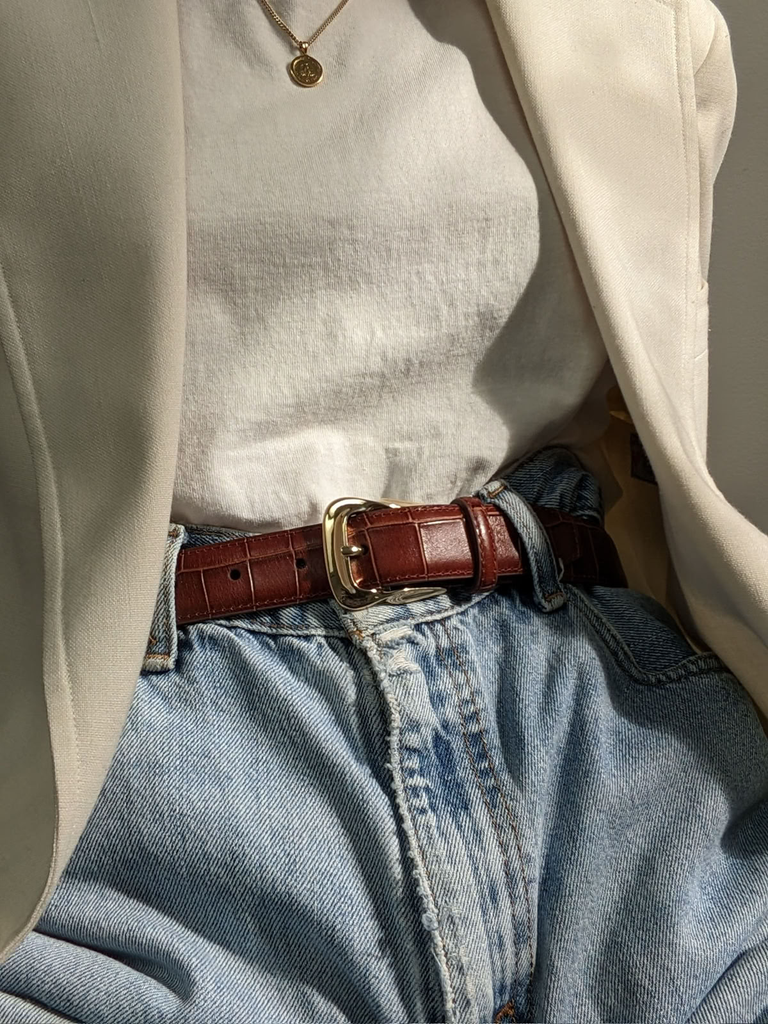
A simple belt is a small purchase that can make a noticeable difference.
Use it to define the waist of your jeans, add structure to tailored trousers, or coordinate your shoes and handbag. Brown and black are practical starting points, although a dark burgundy belt can also look beautiful with a neutral wardrobe.
Choose a buckle that complements your style rather than dominating the outfit.
One of the easiest styling tricks is to coordinate the general tone of your belt and shoes. They don’t have to match perfectly, but repeating a color makes an outfit feel more cohesive.
15. Simple Gold or Silver Jewelry
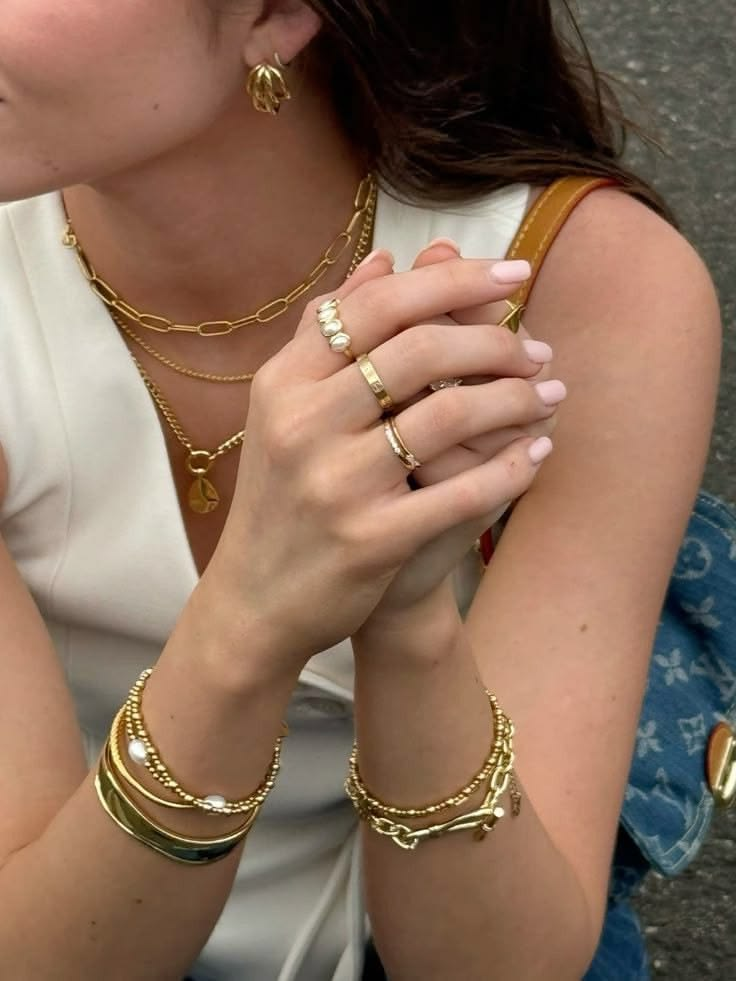
Jewelry is where you can add a personal touch without changing your entire outfit.
Small hoops, a delicate chain, a classic watch, or simple stud earrings can work with almost everything in an old money capsule wardrobe.
I prefer choosing a few pieces that feel comfortable enough for regular wear rather than purchasing a large collection of accessories that only suit one outfit.
You can choose gold, silver, or a mixture depending on your preference. The goal isn’t to follow an inflexible fashion rule; it’s to find accessories that make you feel polished and comfortable.
Pro tip: Don’t buy all 15 pieces at once
Start by identifying the three items that would improve your current wardrobe the most. If you already own jeans, a white shirt, and loafers, spending money on duplicates won’t help much.
Instead, you might need a versatile blazer, trousers that fit properly, or a sweater that works with several outfits. A capsule wardrobe becomes useful when each purchase fills a real gap.
4. Old Money Capsule Wardrobe Checklist
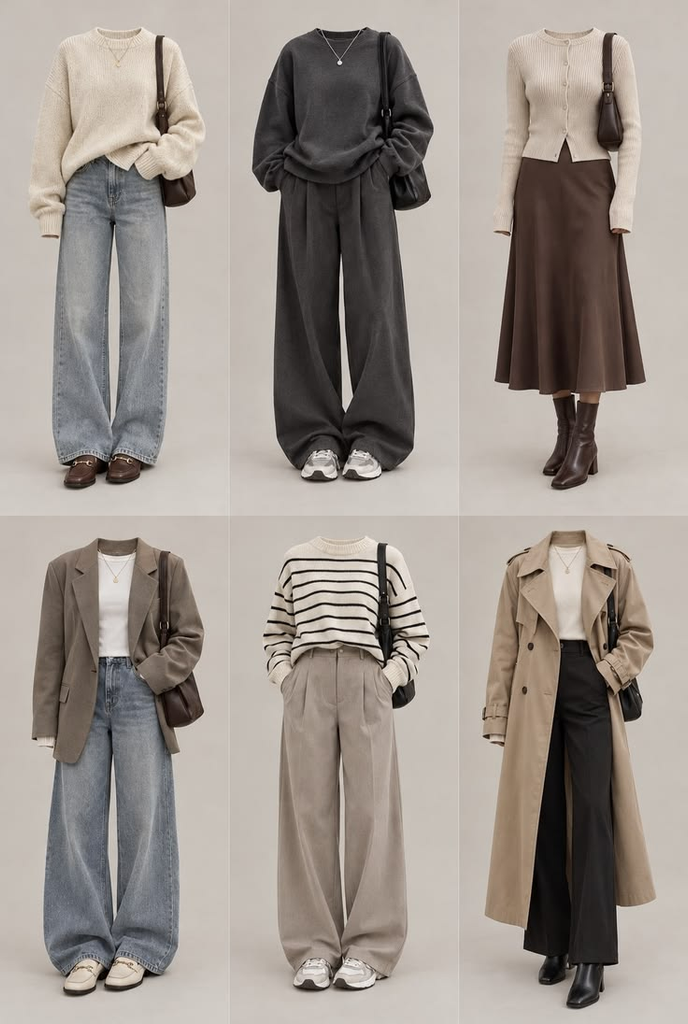
Use this checklist to identify what you already own before creating a shopping list.
My capsule wardrobe
0 of 15 ownedNavy or neutral blazerWhite button-down shirtCream or ivory knit sweaterDark-wash straight-leg jeansBeige or camel tailored trousersClassic trench coat or weather-appropriate outerwearFine-knit cardiganStriped shirt or Breton topSimple black or neutral dressNeutral midi skirtBrown or black loafersMinimalist everyday sneakersStructured everyday handbagClassic leather or leather-look beltSimple everyday jewelry
Reset checklistCopy checklist
You can use this list as a starting point, not a strict shopping requirement. If you own eight of these pieces already, you may be much closer to your ideal wardrobe than you think.
5. How to Create Old Money Outfits From Basic Clothes
The trick to getting more out of your old money capsule wardrobe is learning how to combine pieces rather than searching for a brand-new outfit every morning.
Here are some combinations I’d start with.

1. Navy blazer + white T-shirt + straight-leg jeans
This is one of the easiest everyday combinations. The blazer adds structure, while the T-shirt and jeans keep everything relaxed. Finish with loafers, a belt, and a simple handbag.

2. Cream sweater + beige trousers + brown loafers
This tonal combination looks cohesive without being overly matched. Choose slightly different shades of cream and beige to add depth, and use brown accessories to ground the outfit.

3. White shirt + dark jeans + leather belt
This is a practical choice for shopping, lunch, or a casual day out. Tuck in the shirt loosely, roll the sleeves, and add a watch or small earrings.

4. Navy knit + cream midi skirt + ballet flats
This outfit feels feminine but still understated. A simple knit balances the skirt, while neutral flats keep it comfortable for daytime plans.

5. Trench coat + striped top + jeans
This is a useful transitional-weather outfit. Keep the base layers simple so the coat becomes the main feature, and choose shoes that suit the amount of walking you’ll do.

6. Black midi dress + simple jewelry + structured bag
This combination works for dinner, a gathering, or an occasion that calls for something a little more polished. Add a blazer when you need another layer.
The three-color outfit rule
A useful styling shortcut is to build an outfit around two main colors and one accent. For example, wear navy trousers with a white shirt and brown accessories.
This isn’t a strict fashion rule. An all-cream outfit can look beautiful, and a colorful scarf can be exactly what a neutral outfit needs. The idea is simply to avoid adding so many unrelated colors that the individual pieces compete for attention.
Pro tip: Repeat accessories deliberately
You don’t need a different handbag, belt, and pair of shoes for every outfit. Repeating the same brown loafers and belt across several combinations helps your wardrobe feel coordinated.
If you want to make an outfit look different, change one element. Swap a cardigan for a blazer, add a scarf, or replace loafers with minimalist sneakers. Small changes are often more useful than buying another complete outfit.
How to Build an Old Money Capsule Wardrobe on a Budget
You can create an elegant wardrobe without paying designer prices. The trick is to spend carefully on items that get frequent use and avoid purchasing something simply because it looks luxurious in a photograph.
Where I would spend a little more
- Shoes you wear regularly: Comfort, construction, and durability matter.
- A versatile coat: A well-fitting coat can elevate dozens of winter outfits.
- Everyday trousers: Proper fit makes a noticeable difference to the whole look.
- A frequently used handbag: Handles, stitching, hardware, and interior organization are worth checking.
Where I would save
- Basic T-shirts: You can often find good cotton options without spending much.
- Trend-driven accessories: There’s little reason to invest heavily in a style you may stop wearing.
- Simple layering tops: These don’t always need to be expensive.
- Occasional-use pieces: Consider borrowing, renting, or buying secondhand if you’ll wear the item only a few times.
Approximate budget tiers
These are general planning ranges in US dollars, not verified live prices. Actual costs vary considerably by country, brand, fabric, and whether you shop new or secondhand.
| Budget level | Suggested approach | Best for |
|---|---|---|
| Under $150 | Shop your closet, thrift, and buy one or two missing basics | Starting small |
| $150–$350 | Add several versatile basics and one useful accessory | Gradually filling gaps |
| $350–$700 | Build a more complete capsule with selective upgrades | Replacing worn essentials |
| $700+ | Invest selectively in better tailoring, outerwear, or footwear | Refining an established wardrobe |
You don’t have to buy a complete capsule wardrobe in one shopping trip. A $30 item that you wear three times a week may offer more value than a $200 item that sits untouched for months.
Is secondhand shopping worth it?
Absolutely, especially for classic pieces that don’t depend on a particular season’s trend.
Look for blazers, wool coats, leather belts, handbags, and well-made knitwear at thrift stores, consignment shops, or reputable resale marketplaces. These are categories where you may find quality materials at a lower price than buying new.
Inspect garments carefully. Check underarm areas, cuffs, hems, buttons, zippers, lining, and any signs of moth damage or persistent odor. For shoes, inspect the soles and heel structure rather than focusing only on how polished they look.
I would be particularly cautious with secondhand knitwear. Check the fabric label and look closely for pilling, stretched-out cuffs, and small holes before buying.
A simple shopping priority list
If you’re starting from scratch, I’d prioritize purchases in this order:
- A pair of trousers or jeans that fit exceptionally well.
- Two versatile tops in colors you can mix easily.
- A useful pair of everyday shoes.
- A blazer or outerwear piece suited to your climate.
- A bag and belt that work with your main outfit colors.
- Additional pieces only after you’ve tested your first combinations.
This order may change if you already own good trousers or live somewhere hot. Let your actual wardrobe gaps guide your spending.
The Best Fabrics for a Timeless, Expensive-Looking Wardrobe


Fabric can make a bigger difference than many people realize. Two shirts with nearly identical cuts can look very different depending on their weight, texture, and how they hang on the body.
Here are the materials I’d consider when shopping for an old money capsule wardrobe.
Cotton poplin: A good option for crisp button-down shirts. It generally holds a clean shape and works well for layering.
Merino wool: Useful for lightweight sweaters and cardigans. It can provide warmth without the bulk of heavier knits, although care requirements vary.
Cashmere: Soft and luxurious, but not essential. Affordable cashmere can vary in quality, so check the knit, construction, and care instructions rather than buying based on the label alone.
Linen: Particularly practical for warm weather. Linen wrinkles naturally, so don’t reject every crease; instead, look for fabric that drapes well and feels comfortable.
Wool blends: Worth considering for trousers, blazers, and coats. Blends can offer a balance of structure, warmth, durability, and cost.
Quality denim: Choose jeans that maintain their shape and feel comfortable after sitting and walking. A clean finish is often more versatile than heavy distressing.
Viscose and other drapey fabrics: These can work beautifully for blouses, dresses, and skirts when the garment is well constructed. Check how the material behaves when washed.
How to judge quality while shopping
You don’t need to be a textile expert. Start with a few simple checks:
- Look at the seams. They should be reasonably straight, secure, and finished neatly.
- Check buttons and zippers. They should function smoothly and feel securely attached.
- Hold light-colored clothing up to the light to assess transparency.
- Check the fabric recovery by gently handling the material and seeing whether it returns to shape.
- Read the care label before purchasing.
- Try sitting, walking, and raising your arms in the garment.
The last point is especially important. A blazer that looks beautiful while you’re standing still but pulls whenever you reach forward isn’t a good investment for everyday wear.
Pro tip: Fit can be worth more than fabric prestige
If you find a reasonably priced pair of trousers that fits well everywhere except the hem, a simple alteration may be worthwhile. The same applies to sleeve length on a blazer.
However, don’t assume every ill-fitting item can be fixed cheaply. Major shoulder alterations, complicated linings, and substantial waist adjustments can cost enough to make the original bargain less attractive.
8. Old Money Capsule Wardrobe for Every Season
A capsule wardrobe should adapt to your weather instead of forcing you to wear wool in summer or linen in freezing temperatures.
You can keep the same core colors and basic silhouettes while changing the fabric weight, layering, and footwear.

Spring: Light layers and fresh neutrals
Combine a white shirt, straight-leg jeans, loafers, and a lightweight trench or cardigan. Add light blue or soft beige for a fresh seasonal feel.
Best purchase: A versatile lightweight jacket that works over both shirts and sweaters.

Summer: Breathable fabrics and simple shapes
Choose linen-blend trousers, cotton shirts, sleeveless knit tops, simple dresses, and comfortable sandals. Keep accessories minimal and practical.
Best purchase: A pair of well-fitting light trousers that can be worn with several tops.

Autumn: Camel, chocolate, and navy
Layer a camel sweater over dark jeans, add brown loafers, and finish with a coat or blazer. A burgundy accessory can add depth without disrupting the palette.
Best purchase: A warm cardigan or lightweight wool-blend coat.

Winter: Warm knits and structured outerwear
Wear a fine-knit sweater under a wool coat with tailored trousers and practical boots. Add a scarf that complements your coat rather than introducing too many competing colors.
Best purchase: A warm, comfortable coat suited to your actual winter temperatures.
If you live in a warm climate, you may not need a heavy wool coat at all. Build around cotton, breathable blends, lightweight layers, and shoes that work for your local weather. Old money style is an aesthetic, not a reason to dress uncomfortably.
Old Money Capsule Wardrobe Mistakes to Avoid
It’s easy to overcomplicate this aesthetic because social media often presents it as a very specific uniform. In reality, you can create a polished look without following every rule associated with the trend.
Buying everything in beige
Neutral colors are useful, but a wardrobe full of nearly identical beige pieces can become monotonous.
Mix cream with navy, brown with blue, or black with ivory. A small amount of burgundy, olive, or another color you enjoy can make your outfits feel more personal.
Choosing oversized clothing that overwhelms your frame
Relaxed clothing can look elegant, but the proportions still need to work. If you wear a loose sweater, consider pairing it with straighter trousers. If your blazer is oversized, choose a shirt or knit that doesn’t add unnecessary bulk underneath.
You don’t need every item to be fitted. You just want the overall outfit to feel intentional.
Buying designer dupes instead of useful basics
A handbag covered in imitation logos doesn’t automatically create a luxurious outfit. Often, a simple, well-finished bag looks more timeless.
I’d rather have a functional bag with neat stitching and a comfortable strap than an imitation designer piece with obvious branding and poor construction.
Ignoring comfort
Shoes that hurt, scratchy sweaters, trousers that dig into your waist, and coats that restrict movement won’t earn much wear.
An elegant wardrobe should make you feel comfortable enough to move naturally. If you spend the day adjusting your clothing, it’s not serving you well.
Following trends too closely
You can absolutely incorporate current fashion trends into your wardrobe, but I’d avoid buying an entire set of trend-specific items just to create a particular look.
Start with classic pieces and add a seasonal color, scarf, or accessory if you feel like updating your outfits. This gives you flexibility without making your whole closet feel dated next year.
Forgetting garment care
Even good-quality clothing can look tired if it’s wrinkled, stretched, or covered in lint.
Use a fabric shaver when appropriate, follow washing instructions, store knitwear folded when necessary, and hang structured garments on suitable hangers. Clean shoes and replace missing buttons before small issues become reasons to stop wearing something.
These little habits can extend the useful life of your wardrobe and help inexpensive clothes look better for longer.
How to Make an Affordable Outfit Look More Polished
You don’t have to purchase more clothing to improve your outfits. Sometimes, the difference comes from how you style the pieces you already own.
Steam or iron your clothes when appropriate. A crisp shirt and smooth trousers can look more refined than similar pieces covered in deep creases.
Pay attention to proportions. Try a half-tuck with a relaxed shirt, or wear a slightly shorter top with wide-leg trousers. You don’t need to follow one formula, but balancing the overall silhouette can help.
Keep shoes in good condition. Clean your sneakers, brush suede with the appropriate tool, and care for leather according to the manufacturer’s instructions.
Coordinate accessories. A brown belt with brown loafers and a brown handbag creates a visual connection without requiring every item to be an exact match.
Choose simple jewelry. A watch, small hoops, or a delicate necklace can finish an outfit without competing with the clothing.
Check the fit. Small alterations can improve the way a garment sits on your shoulders, waist, and hemline.
Avoid unnecessary visual clutter. You don’t need statement earrings, a bold belt, a patterned scarf, and a logo-heavy bag all in one outfit. Choose one or two details and let the rest remain simple.
My favorite approach is to get the basics right first. If the trousers fit, the shirt sits nicely, and the shoes are comfortable, you often need very little else.
Old Money Capsule Wardrobe for Work, Weekends, and Special Occasions
One reason I like the capsule wardrobe approach is that the same core pieces can work for different situations. You don’t need a separate closet for every part of your life.
| Occasion | Outfit formula | Finishing touches |
|---|---|---|
| Office | Navy blazer + white shirt + tailored trousers | Loafers and a structured bag |
| Casual weekend | Cream sweater + dark jeans | Sneakers and a leather belt |
| Lunch with friends | Striped top + beige trousers | Ballet flats or loafers |
| Dinner out | Black midi dress + blazer | Simple jewelry and a clutch or small bag |
| Travel day | Fine-knit cardigan + comfortable trousers | Supportive sneakers and a practical tote |
| Family gathering | Neutral knit + midi skirt | Flats and understated earrings |
| Warm-weather outing | Linen shirt + tailored shorts or trousers | Simple sandals and sunglasses |
| Cooler evening | Sweater + dark jeans + trench coat | Loafers or ankle boots |
For the office
A blazer and tailored trousers are a reliable starting point. If your workplace is more relaxed, dark jeans may also work with a structured jacket and polished shoes.
Make sure the outfit suits your actual dress code. Old money style doesn’t require you to dress formally in an environment where relaxed clothing is appropriate.
For weekends
Keep the pieces comfortable. Dark jeans, a knit sweater, sneakers, and a practical bag can create a polished outfit without feeling overly styled.
A striped shirt is another easy option when you want something more interesting than a plain T-shirt.
For dinner and special occasions
A simple dress or tailored trousers with a beautiful top can be enough. Choose accessories that complement the outfit instead of trying to make every item a statement piece.
If the occasion is formal, consider its dress code first. A timeless outfit is most successful when it also feels appropriate for the event.
How Many Clothes Do You Actually Need?
There is no universal number for a capsule wardrobe. Some people enjoy a highly edited closet of 15–20 items, while others need more clothing because they work in different environments, experience several seasons, or have varied daily routines.
For a practical starter collection, you might aim for:
- 4–6 tops, including shirts, tees, and knits.
- 2–3 pairs of trousers or jeans.
- 1–2 skirts or dresses, depending on your preferences.
- 1–2 layering pieces, such as a blazer and cardigan.
- 1 suitable coat or jacket.
- 2–3 pairs of everyday shoes.
- 1–2 practical bags.
- A few versatile accessories.
These numbers are a planning example, not a requirement. Underwear, sleepwear, workout clothes, occasion-specific clothing, and climate-specific layers may sit outside your main capsule.
The most important test is whether your clothes work together. Ten items that create two outfits aren’t necessarily more useful than 15 items that create 25 combinations.
Try the 30-outfit test
Before buying something, see whether you can imagine wearing it with at least three pieces you already own.
You can also take photographs of outfits you like and save them in a phone album. After a few weeks, you’ll notice which combinations you repeat and which pieces remain untouched.
If you keep reaching for the same trousers and sweater, that tells you something useful about your actual style. Build around those preferences rather than forcing yourself to wear pieces that look good in theory but don’t fit your life.
A Simple 30-Day Old Money Capsule Wardrobe Plan
If you’re ready to organize your closet, I’d take a month to build your capsule rather than trying to do everything over one weekend.
Days 1–7
Audit your existing wardrobe
Pull out the clothes you wear regularly. Separate items that fit well from those that need repairs, alterations, or replacing. Identify your three most-used colors and note any gaps.
Days 8–14
Create your outfit combinations
Try your existing clothes together. Photograph at least five combinations and identify which additional piece would make the most difference.
Days 15–21
Shop strategically
Buy only the missing essentials. Compare fabric, fit, care instructions, and price. Check secondhand options before paying more for a classic piece.
Days 22–30
Wear and refine
Try your new combinations during ordinary daily life. Notice which pieces are comfortable and versatile, then adjust your shopping list based on what you actually wear.
At the end of the month, you should have a clearer idea of your personal version of old money style. You may discover that you need fewer items than you expected, or that a particular category, such as comfortable trousers or weather-appropriate shoes, deserves more attention.
Either way, you’ll be making decisions based on your real routine rather than someone else’s perfectly styled wardrobe.
Frequently Asked Questions About an Old Money Capsule Wardrobe
1. What are the essentials of an old money capsule wardrobe?
The most useful essentials include a tailored blazer, white button-down shirt, fine-knit sweater, dark-wash jeans, tailored trousers, classic outerwear, loafers, a structured handbag, and simple jewelry. You can add a midi skirt, dress, striped top, or other pieces depending on your lifestyle.
Start with items you can combine in several ways instead of buying everything at once.
2. Can I create an old money wardrobe on a small budget?
Yes. Shop your existing closet first, then look at secondhand stores and affordable basics. Focus on fit, fabric condition, and versatility rather than designer labels.
You can also build the wardrobe gradually, purchasing one or two missing essentials each month. A smaller collection of useful clothes is often more practical than a large collection of items that rarely work together.
3. What colors should I wear for old money style?
Cream, ivory, navy, camel, beige, white, chocolate brown, and black are classic starting points. Soft blue, burgundy, and olive can add variety while keeping the overall look understated.
Choose shades that complement your complexion and the clothes you already own. You don’t have to limit yourself to neutrals to create a timeless wardrobe.
4. Is old money style suitable for women over 50?
Absolutely. Tailored trousers, fine-knit sweaters, classic shirts, elegant flats, structured bags, and simple dresses can work beautifully at any age.
The key is to choose flattering proportions, comfortable fabrics, and pieces that suit your lifestyle. You don’t need to dress younger or older to follow the aesthetic; you simply need clothing that feels like you.
5. How can I make old money outfits look expensive without designer brands?
Focus on fit, fabric condition, clean shoes, coordinated colors, and simple accessories. Keep clothing properly cared for, and consider affordable alterations when they would noticeably improve the fit.
Avoid assuming that an expensive-looking outfit must be completely neutral or formal. A well-fitting pair of jeans with a crisp shirt and clean loafers can look just as polished as a more dressed-up combination.
Conclusion: Build an Old Money Capsule Wardrobe That Works for You
If I were starting my old money capsule wardrobe today, I would begin with a white button-down shirt, dark-wash jeans, a cream sweater, tailored trousers, and a pair of comfortable loafers. Those pieces would give me several outfit combinations before I even considered buying a blazer or coat.
I’d also resist the temptation to replace everything at once. Wear what you own, figure out which colors and silhouettes make you feel your best, and spend money only when a purchase solves a genuine wardrobe problem.
That’s what makes an old money capsule wardrobe practical: you’re building a collection of clothes that work together, not trying to imitate someone else’s lifestyle. You can make it affordable, adapt it to your climate, and add personal touches without losing the timeless feel.
Start with one outfit you already love, find two or three ways to wear its individual pieces, and build from there. A wardrobe that feels polished and genuinely suits your everyday life is always a better investment than one that simply looks good in a photograph.