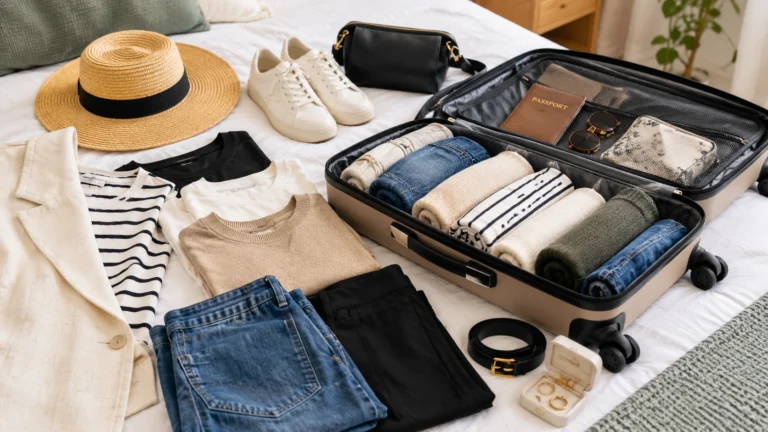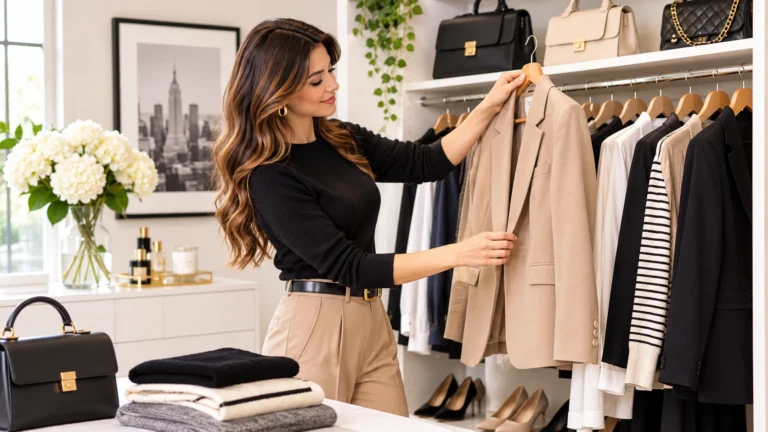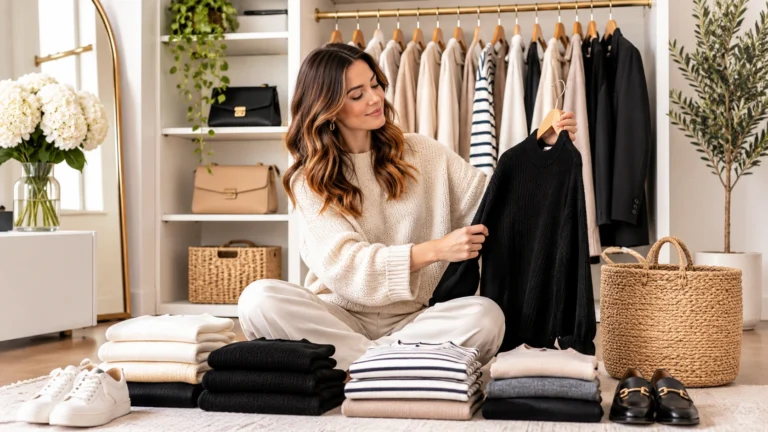

My favorite winter outfits are usually the ones that take the least amount of thought. You know the feeling: it’s cold outside, you’re already running late, and somehow your closet is full of clothes but nothing seems to work together. I’ve found that the problem often isn’t having too few clothes. It’s having too many pieces that don’t make getting dressed any easier.
That’s where a Winter 2026 capsule wardrobe comes in. Instead of buying a completely new collection of winter clothes, you build a smaller, more intentional wardrobe around versatile basics, comfortable layers, and a few pieces that make everyday outfits feel special.
Think straight-leg jeans, a beautifully cut coat, soft knitwear, practical boots, and accessories that pull everything together.
For winter 2026, I’d focus on wearable neutrals, rich seasonal colors, interesting textures, and silhouettes that feel current without becoming difficult to style.
Whether you’re dressing for work, running errands, meeting friends for coffee, or planning a weekend away, the goal is to create more outfits from fewer pieces.
Here’s how I’d build a winter capsule wardrobe that balances warmth, personal style, comfort, and budget without making your closet feel boring.
1. What Is a Winter 2026 Capsule Wardrobe?

A winter capsule wardrobe is a carefully selected collection of clothing that works together across different outfits. Rather than filling your closet with individual pieces you can only wear one way, you choose items that mix and match easily.
For my version of a Winter 2026 capsule wardrobe, I’d start with around 25 core clothing and footwear pieces, then add accessories you already own. You don’t need to follow that number strictly. Someone living in a cold, snowy climate may need more outerwear, while someone with milder winters can get by with lighter layers.
The trick is to think about your actual week. If you work from home, you might prioritize comfortable trousers and knitwear. If you commute to an office, tailored pants, polished boots, and a warm coat may deserve more space in your budget.
I also wouldn’t replace every item just because a new season has arrived. If your favorite black trousers still fit beautifully and your coat is in good condition, keep them. A capsule wardrobe should make your existing clothes more useful, not give you another reason to shop.
2. Choose a Winter Color Palette That Makes Getting Dressed Easier

One of the easiest ways to make a small wardrobe feel bigger is to choose a color palette before buying anything. When your tops, bottoms, shoes, and outerwear coordinate, you can create more combinations without needing additional clothes.
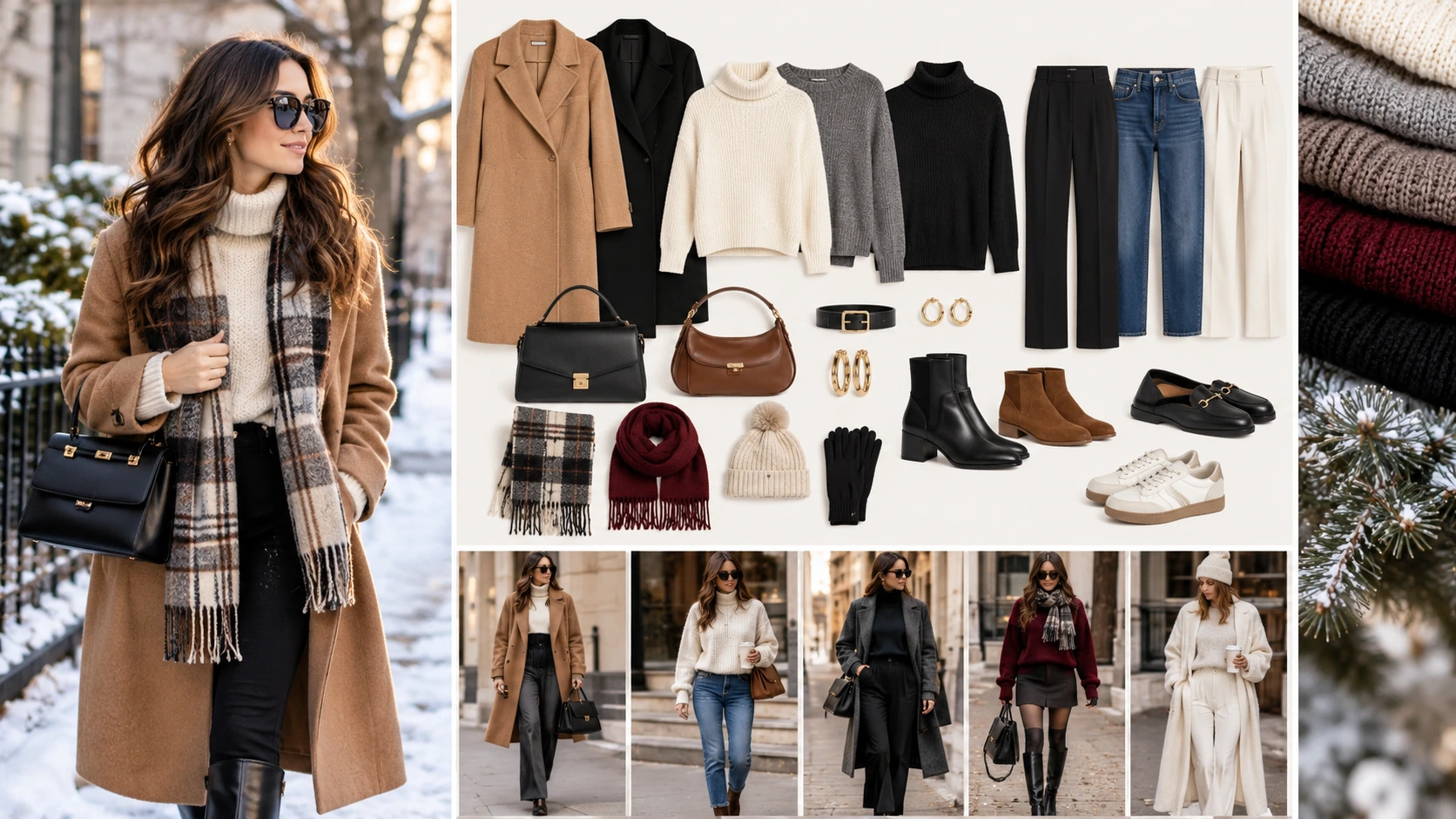
For winter 2026, I’d build around three or four core neutrals and introduce two accent colors.
The best winter capsule wardrobe colors
- Black: Easy to dress up, practical for everyday wear, and useful for trousers, boots, and outerwear.
- Cream and ivory: Brighten darker winter outfits and work especially well with camel, brown, and denim.
- Camel and chocolate brown: Add warmth and make simple outfits look thoughtfully coordinated.
- Charcoal gray: A softer alternative to black for coats, knitwear, and tailored trousers.
- Burgundy: A rich accent color for sweaters, scarves, or handbags.
- Forest green or deep navy: Great alternatives if you prefer understated color over brighter seasonal shades.
You don’t need all six colors. I’d choose the neutrals that already dominate your wardrobe and add one or two shades you genuinely enjoy wearing.
For example, a cream sweater works with black trousers, blue jeans, a brown skirt, or charcoal pants. A camel coat can go over almost every combination. Those are the kinds of pieces that earn their place in a capsule wardrobe.
3. The 25 Essential Pieces for a Winter 2026 Capsule Wardrobe
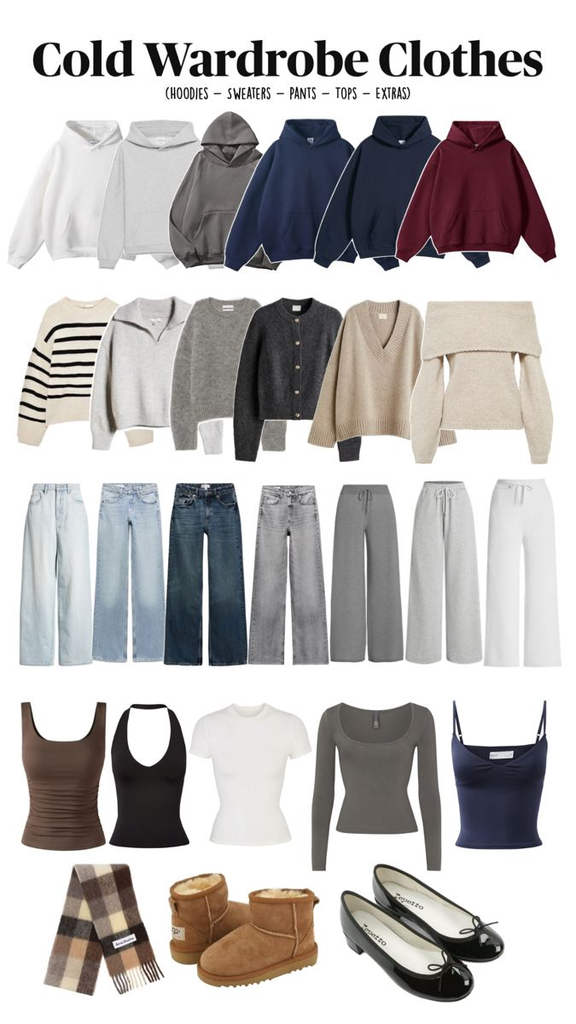
Here is the core wardrobe I’d build before considering any trend-driven purchases.
| Category | Essential pieces | Why they earn a place |
|---|---|---|
| Outerwear | Wool-blend coat, puffer jacket, tailored blazer | Covers polished outfits and colder casual days |
| Knitwear | Cream sweater, charcoal sweater, cardigan, turtleneck | Easy layering and repeated outfit combinations |
| Tops | White shirt, striped long-sleeve top, fitted T-shirt, thermal base layer | Creates variety underneath sweaters and jackets |
| Bottoms | Straight-leg jeans, dark-wash jeans, tailored trousers, comfortable everyday pants | Works for casual and dressier occasions |
| One-piece outfits | Knitted dress, optional shirt dress | Creates a complete outfit with minimal effort |
| Footwear | Ankle boots, knee-high boots, clean sneakers | Covers everyday walking and more polished looks |
| Accessories | Scarf, beanie, gloves, belt, everyday handbag | Adds warmth and makes repeat outfits feel different |
That gives you a practical starting point, not a strict shopping checklist. If you already own a good puffer jacket, for example, there’s no reason to buy another one simply to complete the list.
1. A Classic Wool or Wool-Blend Coat
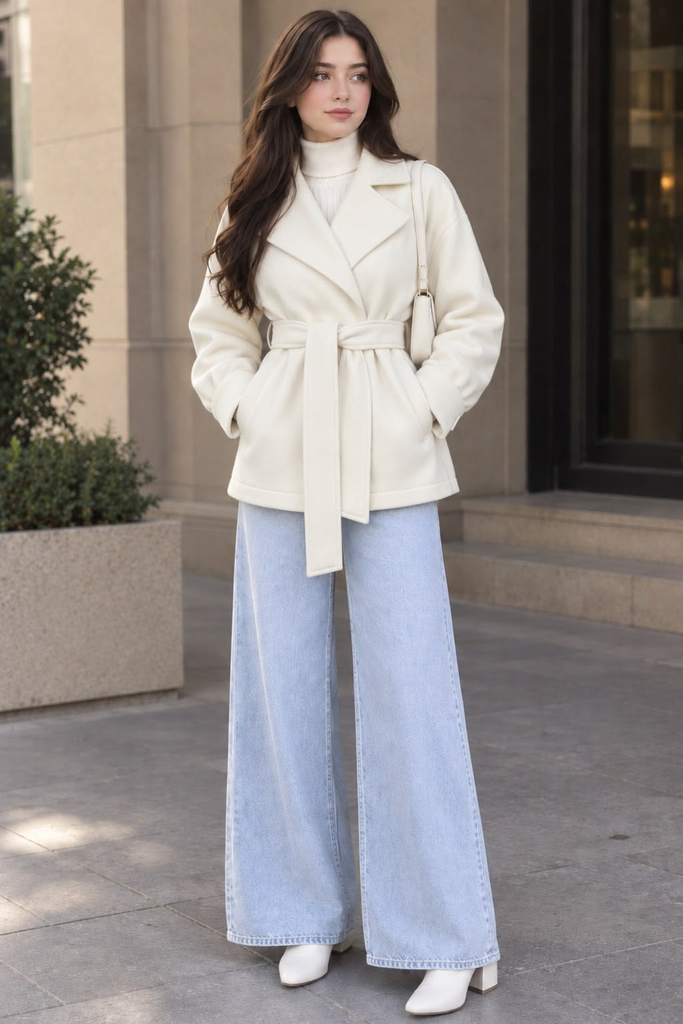
A structured coat is one of the most useful investments in a winter capsule wardrobe because it’s often the first thing people notice about an outfit. Even jeans and a plain sweater look more polished when the outer layer fits well.
I’d choose camel, charcoal, navy, or black depending on the colors I wear most. Look for enough room through the shoulders to accommodate a sweater without making the coat feel bulky, and check that the sleeves cover your wrists when you reach forward.
A wool-blend coat is worth comparing with a pure wool option before buying. Fiber content, lining, construction, and the amount of warmth you need all affect value. For very wet or freezing weather, a technical insulated coat may be more practical than a dressy wool coat.
2. A Warm Puffer Jacket
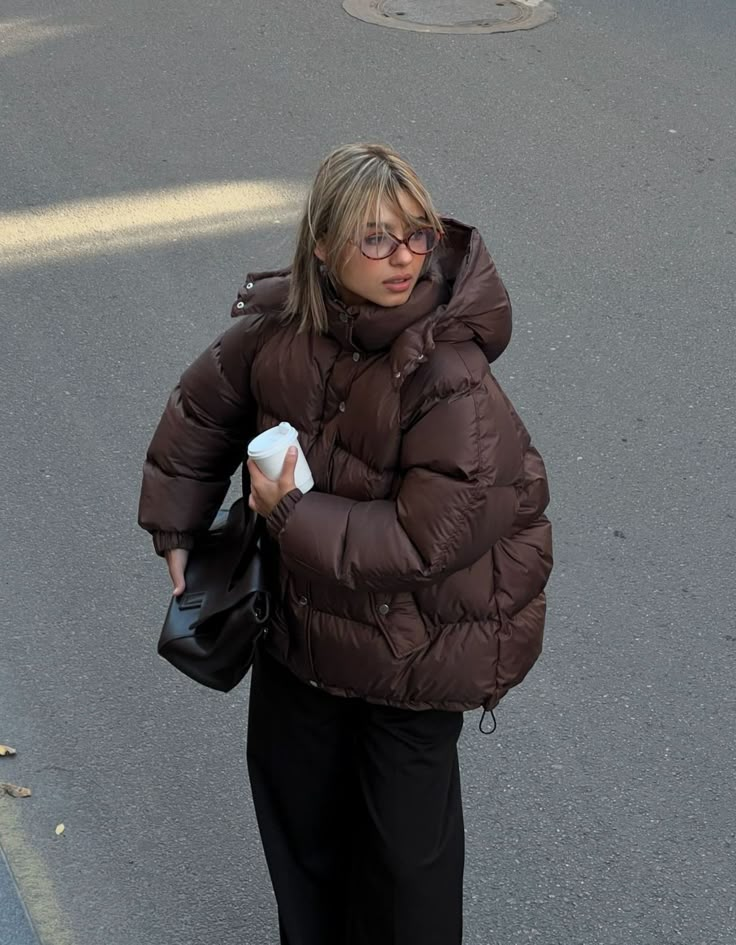
Your stylish coat won’t always be the right choice. On windy mornings, rainy walks, or days when you’re outside for longer periods, a puffer jacket can be far more comfortable.
I prefer a simple silhouette that doesn’t overwhelm the rest of the outfit. Black, olive, navy, or chocolate brown are easy to coordinate with winter basics.
Pay attention to insulation, length, hood design, and weather resistance rather than judging a jacket by its appearance alone. If your winter is mild, a lightweight insulated jacket may be enough. If temperatures regularly fall below freezing, prioritize warmth and layering room.
3. A Cream Knit Sweater
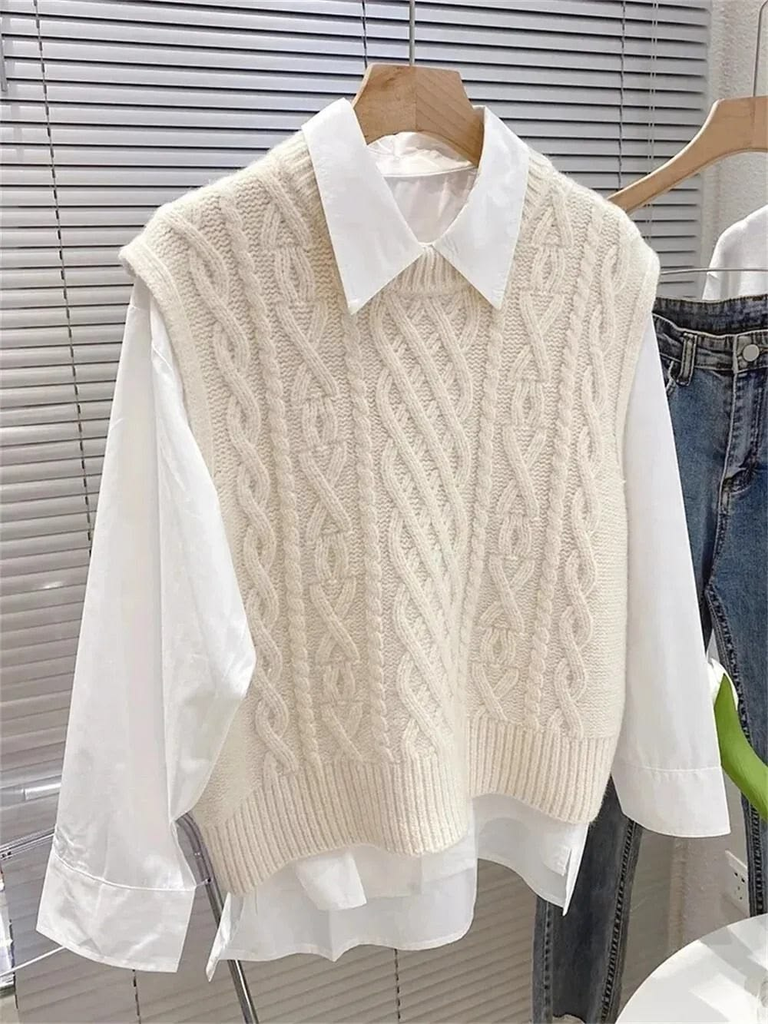
If I could recommend just one winter knitwear color for versatility, cream would be near the top of my list. It works with dark denim, black trousers, camel outerwear, and almost every brown shade.
Look for a knit that feels comfortable against your skin and doesn’t require an elaborate outfit underneath. A slightly relaxed fit is particularly useful because it can be worn loose, half-tucked, or layered over a shirt.
Check the care label before buying. Some delicate knits require handwashing or dry cleaning, while others are easier to maintain. The best sweater is one you’ll actually reach for throughout the season.
4. A Charcoal or Black Turtleneck
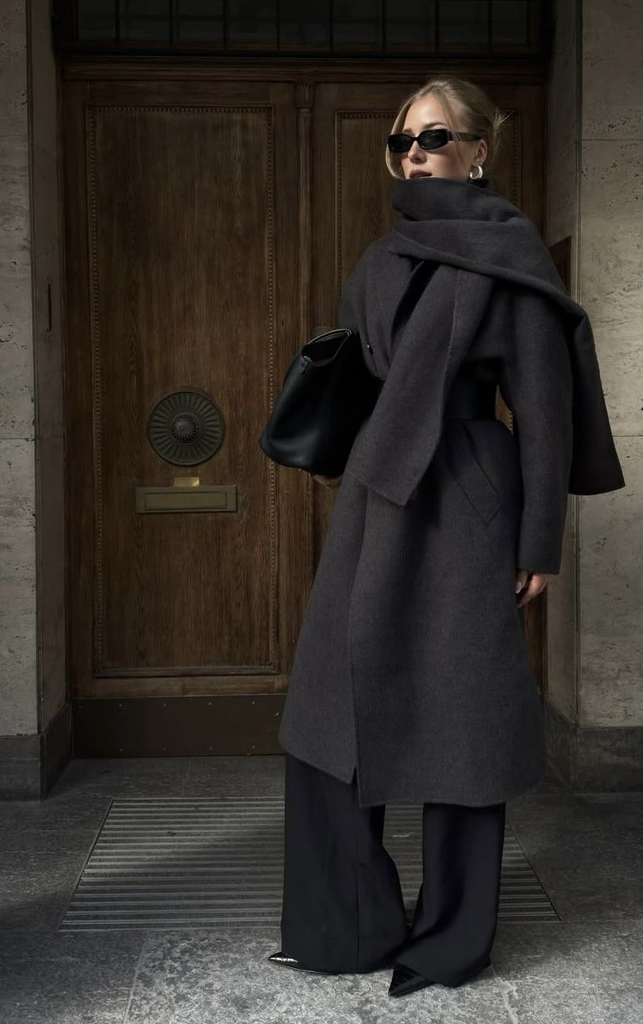
A fitted turtleneck is a reliable layering piece when you want warmth without adding much bulk. Wear it beneath a blazer, under a coat, or with wide-leg trousers for a clean, understated outfit.
If you dislike tight necklines, try a mock-neck sweater instead. You’ll get a similar visual effect without feeling restricted.
For a capsule wardrobe, I’d prioritize a fabric that’s soft, comfortable, and easy to wash. A beautiful top isn’t much use if you avoid wearing it because it feels scratchy.
5. A Relaxed Cardigan
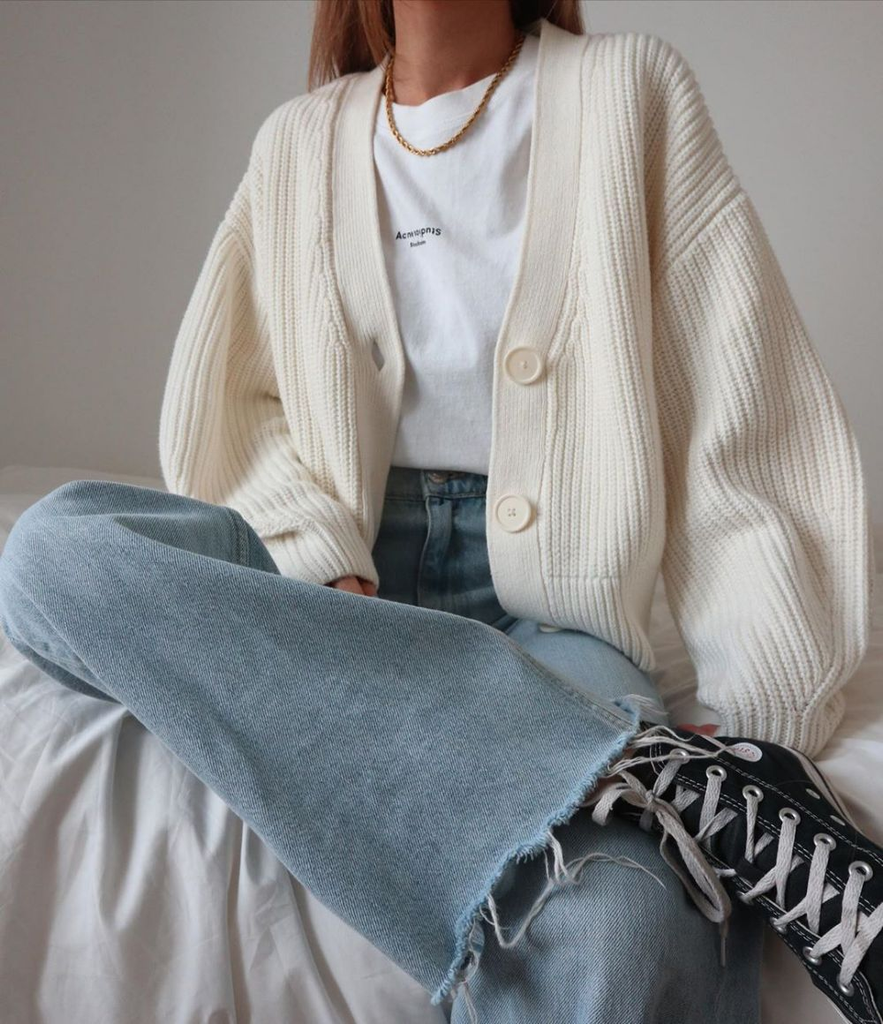
Cardigans offer more flexibility than you might expect. Wear one buttoned as a top, leave it open over a T-shirt, or layer it over a thin turtleneck when the temperature drops.
Neutral shades make the most combinations, but a burgundy or forest-green cardigan can add color without requiring an entirely different wardrobe.
My practical tip is to check the button placement and sleeve length. A cardigan that pulls at the bust or bunches beneath a coat will probably spend more time in your closet than you intend.
6. A Crisp White Button-Down Shirt

A white button-down brings structure to softer winter layers. You can wear it under a sweater with the collar showing, pair it with tailored trousers, or layer it beneath a cardigan.
If bright white feels too stark against your usual palette, choose ivory or a soft off-white instead.
For a more relaxed outfit, leave the shirt untucked or tuck only the front into your jeans. You don’t need to style it formally every time.
7. A Striped Long-Sleeve Top
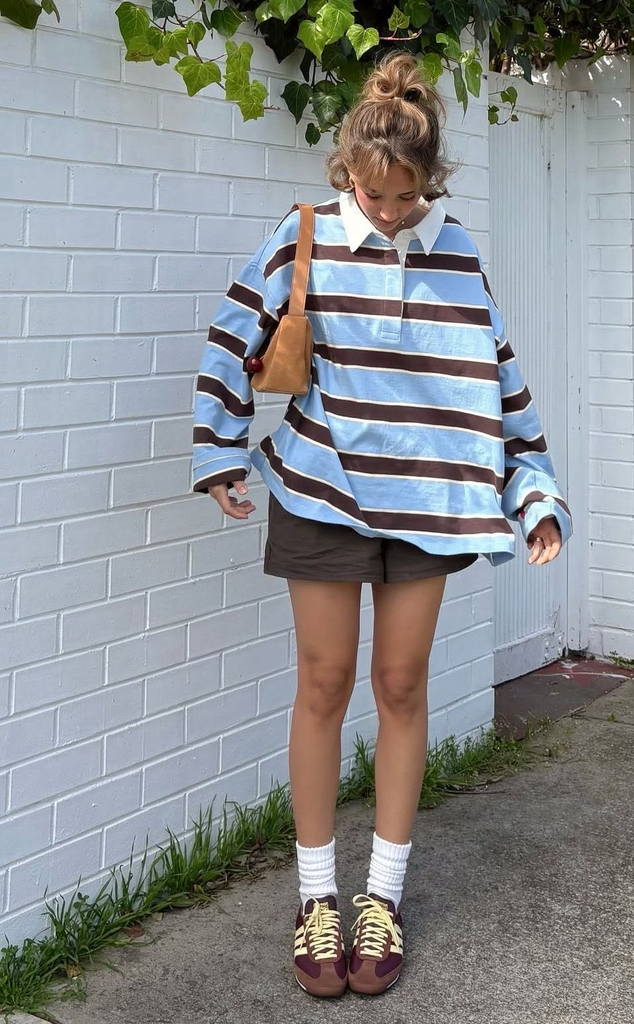
A striped top adds interest without making the rest of your outfit difficult to coordinate. Navy and cream stripes are particularly easy to wear with denim, black trousers, and neutral jackets.
Choose a stripe scale that feels comfortable to you. Fine stripes create a quieter look, while wider stripes feel more casual.
This is also a useful piece for transitional weather. On warmer winter afternoons, you may be comfortable wearing it alone with jeans and sneakers.
8. A Fitted Everyday T-Shirt
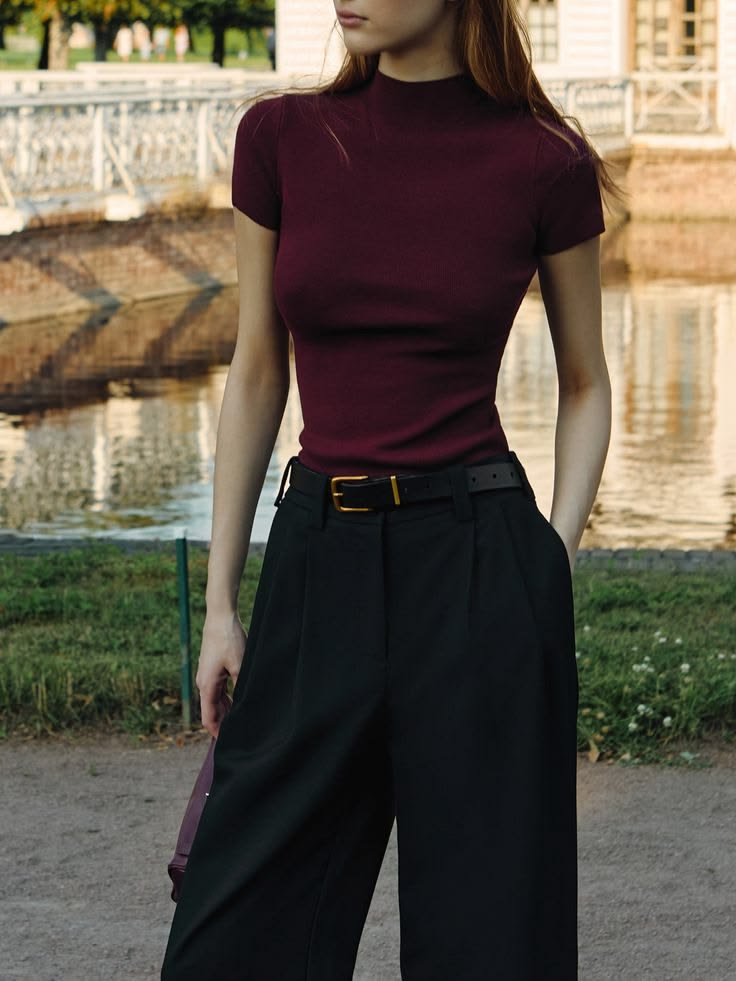
A good T-shirt might not look like an exciting winter purchase, but it makes layering considerably easier. Wear it under a cardigan, beneath an open shirt, or with a blazer when a sweater feels too warm indoors.
I’d keep one or two in colors that coordinate with your trousers and knitwear. Black, white, cream, and gray are dependable choices.
Check the neckline and fabric thickness. A T-shirt that’s too thin may show every layer underneath, while a very heavy one can make fitted sweaters uncomfortable.
9. A Thermal Base Layer

If you live somewhere with genuinely cold winters, a thermal top can make the rest of your wardrobe much more useful. You can wear it under knitwear, shirts, and dresses without needing to buy heavier versions of everything.
Look for a fabric suited to your climate and activity level. Lightweight moisture-wicking layers are useful for walking and commuting, while warmer thermal fabrics may suit very cold conditions.
The important detail is fit. A base layer should sit comfortably against your body without restricting movement or bunching around the waist.
10. Straight-Leg Jeans
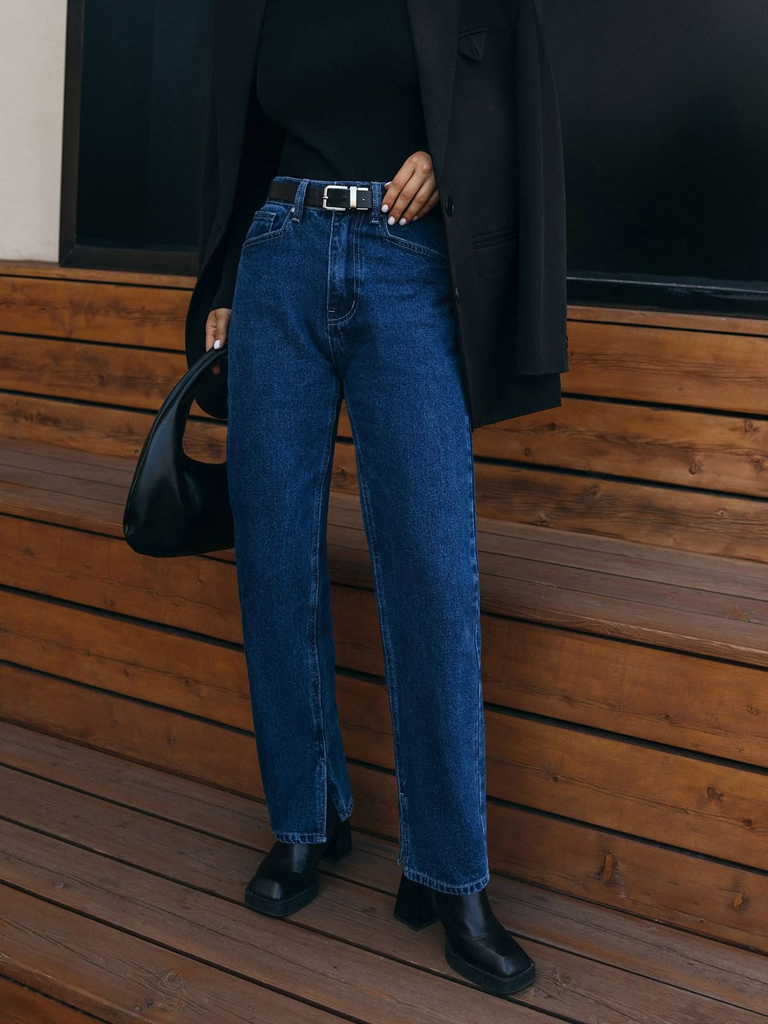
Straight-leg jeans are a dependable foundation for a casual winter capsule wardrobe. They work with sneakers, ankle boots, loafers, and many types of winter coat.
I’d choose a wash that suits the rest of your clothing. Medium blue feels relaxed, while dark indigo often looks a little more polished.
Pay attention to the hem. Jeans that sit neatly over your preferred shoes will be easier to wear than a pair that drags on wet pavement or bunches awkwardly around your boots.
11. Dark-Wash Jeans

Dark denim is useful when you want the comfort of jeans with a slightly dressier appearance. Pair it with a cream sweater, a tailored coat, and ankle boots for an easy outfit that works for lunch, casual meetings, or dinner with friends.
You don’t need a completely different cut from your everyday jeans. If straight-leg denim suits you, a second pair in a darker wash may offer more versatility than buying an unfamiliar silhouette.
For longevity, follow the garment’s care instructions and avoid washing denim more frequently than necessary.
12. Tailored Trousers

Tailored trousers give your capsule wardrobe a polished option for work, appointments, and occasions when jeans don’t feel appropriate.
Black, charcoal, and chocolate brown are useful choices. A straight or gently wide-leg cut can work with fitted knitwear, tucked shirts, and blazers.
When shopping, check the rise, waistband, and length while wearing the shoes you expect to pair with them. A great pair of trousers should feel comfortable when sitting as well as standing.
13. Comfortable Everyday Pants
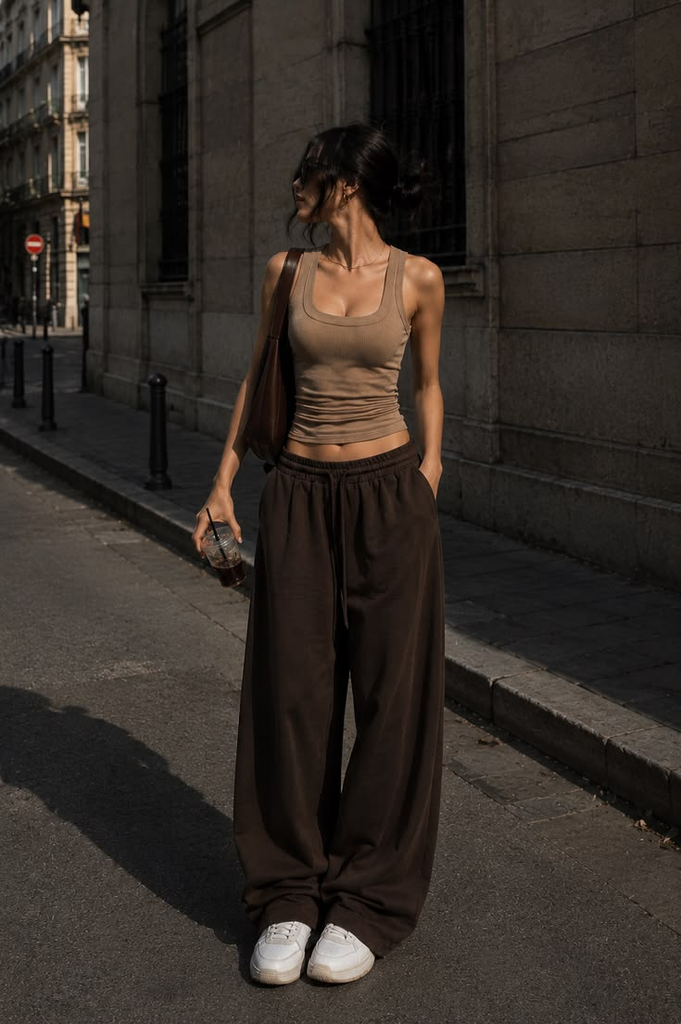
Not every winter outfit needs to look tailored. A pair of well-fitting knit trousers or relaxed pants gives you a comfortable option for travel, errands, and working from home.
Choose a fabric with enough structure to look intentional rather than like sleepwear. A matching sweater can make the outfit feel coordinated, while a puffer jacket and sneakers keep it practical outdoors.
I’d choose one pair that fits your actual routine rather than buying multiple lounge sets that do the same job.
14. A Knitted Dress
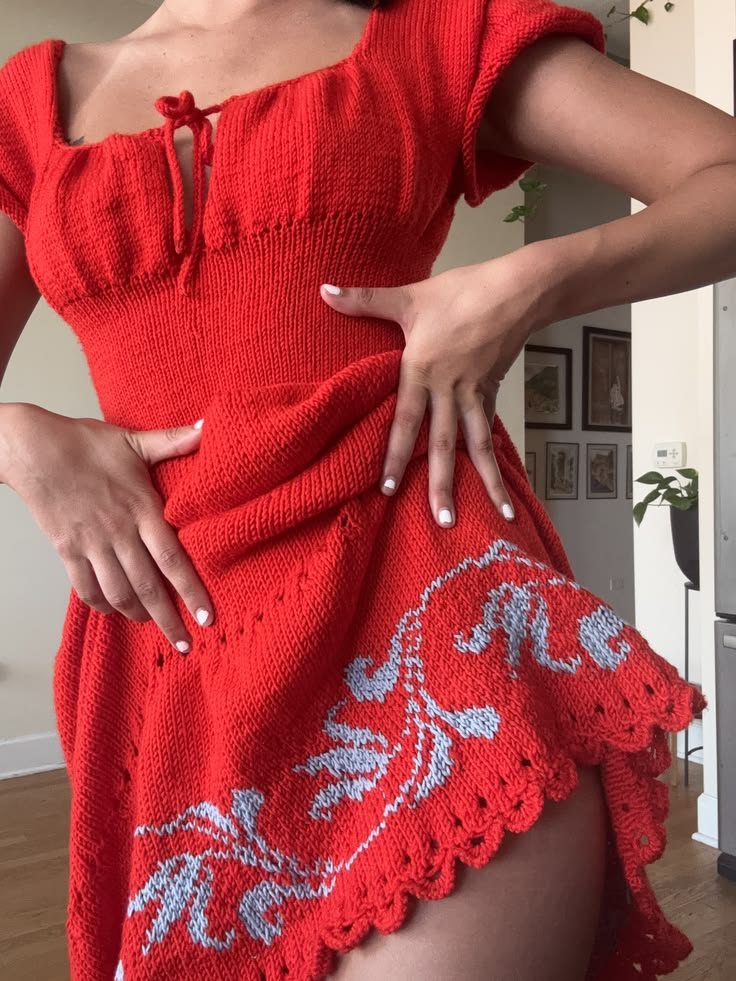
A knitted dress is useful when you want a complete outfit without coordinating separate pieces. Wear it with ankle boots and a coat, or add tights and knee-high boots when the weather calls for extra coverage.
A medium-weight knit is often easier to layer than an extremely chunky dress. Consider whether the fabric stretches out, clings, or needs special care before committing to a purchase.
You can also use a belt to change the silhouette, but there’s no need to add one if you prefer a relaxed shape.
15. A Tailored Blazer

A blazer adds structure to simple basics and can make a casual outfit feel more finished. I like the idea of wearing one over a T-shirt with jeans or layering it over a fine knit with tailored trousers.
For winter, choose a fabric with enough weight to work over a shirt or thin sweater. An oversized blazer can be comfortable, but excessively wide shoulders may make layering beneath a coat difficult.
If your budget is limited, prioritize fit and versatility over decorative buttons or trendy details.
16. Ankle Boots

Ankle boots are one of the hardest-working shoes in a winter capsule wardrobe. They pair well with jeans, trousers, and many knitted dresses.
Black is easy to coordinate, while brown boots work beautifully with camel, cream, navy, and burgundy. Choose the shade that complements the shoes and outerwear you already own.
For wet or icy conditions, check the outsole, grip, waterproofing, and insulation. A sleek boot isn’t necessarily a practical winter boot, especially if you walk frequently.
17. Knee-High Boots
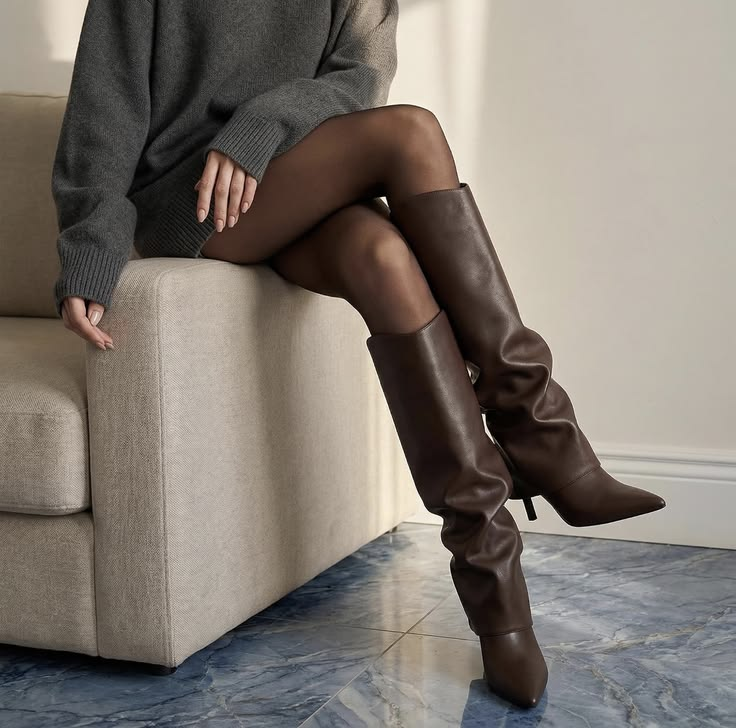
Knee-high boots are useful with knitted dresses, skirts, and jeans that fit comfortably inside the shaft. They also provide additional leg coverage when the temperature drops.
A low or moderate heel is often easier for everyday wear than a high heel, particularly if you’ll be walking on uneven winter pavements.
Before buying, consider calf width, shaft height, and how the boots fit over tights or thicker socks. Comfort matters more than whether a particular style appears in every seasonal trend roundup.
18. Clean Everyday Sneakers
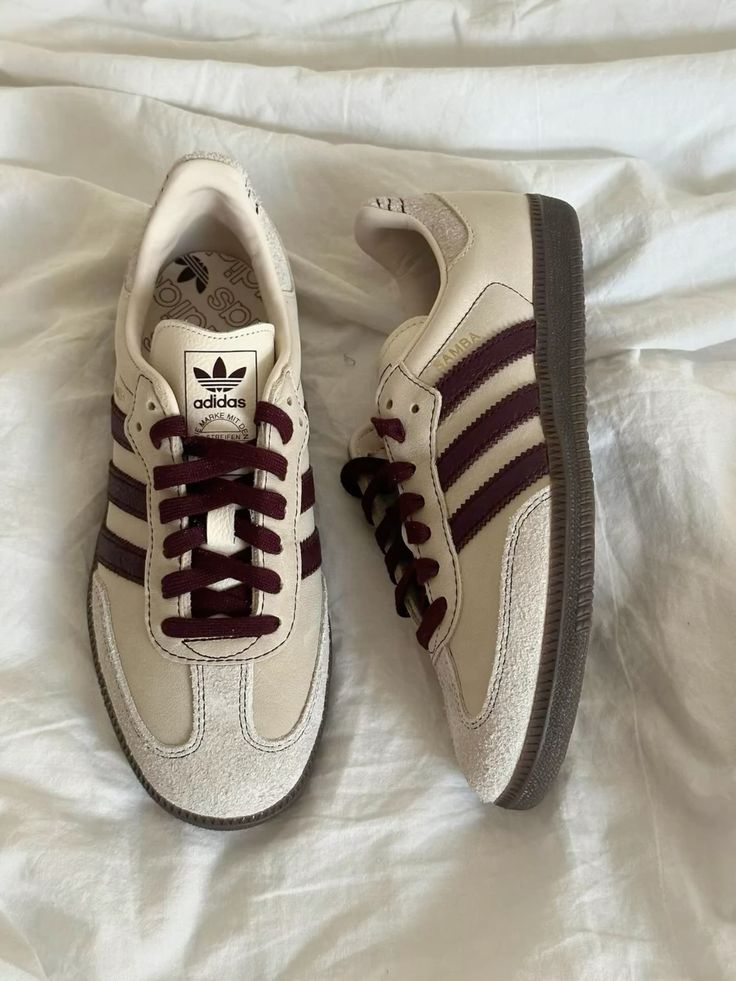
Sneakers balance the dressier pieces in a winter wardrobe. Wear them with straight-leg jeans, tailored trousers, or a matching knit set for an outfit that feels relaxed without looking unfinished.
White sneakers are versatile, but winter weather can make them harder to maintain. Cream, gray, or darker neutral sneakers may be more forgiving if you frequently encounter rain, mud, or slush.
Choose a pair with a comfortable sole and enough room for your toes. If your winters are wet, look for suitable weather-resistant materials.
19. A Warm Winter Scarf

A scarf adds warmth and can introduce color or texture without taking up much wardrobe space. A camel scarf looks understated with a black coat, while burgundy adds richness to a cream-and-gray outfit.
Check the fabric composition and how it feels against your neck. A soft wool blend, cashmere blend, or another comfortable insulating fabric may be worth considering depending on your budget.
You can also use a scarf to change the appearance of a coat you wear repeatedly. It’s a small accessory that can make familiar outfits feel less repetitive.
20. A Beanie and Gloves
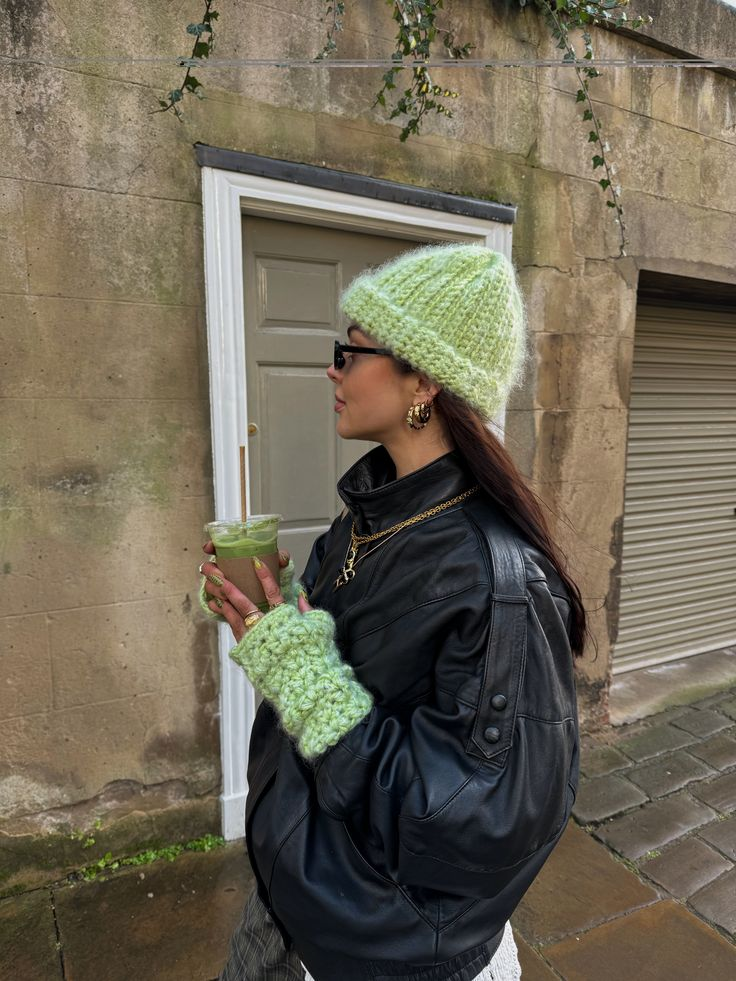
Cold-weather accessories deserve space in your capsule because they’re functional, not just decorative. A coordinating beanie and gloves make outdoor errands more comfortable and help your outfit look intentional.
Neutral accessories are the easiest starting point. If your coat is black, gray gloves and a charcoal beanie will blend in, while a burgundy hat can provide a little color.
For gloves, consider whether you need touchscreen compatibility, waterproofing, or extra insulation. The right features depend on how you spend time outdoors.
21. A Versatile Everyday Handbag
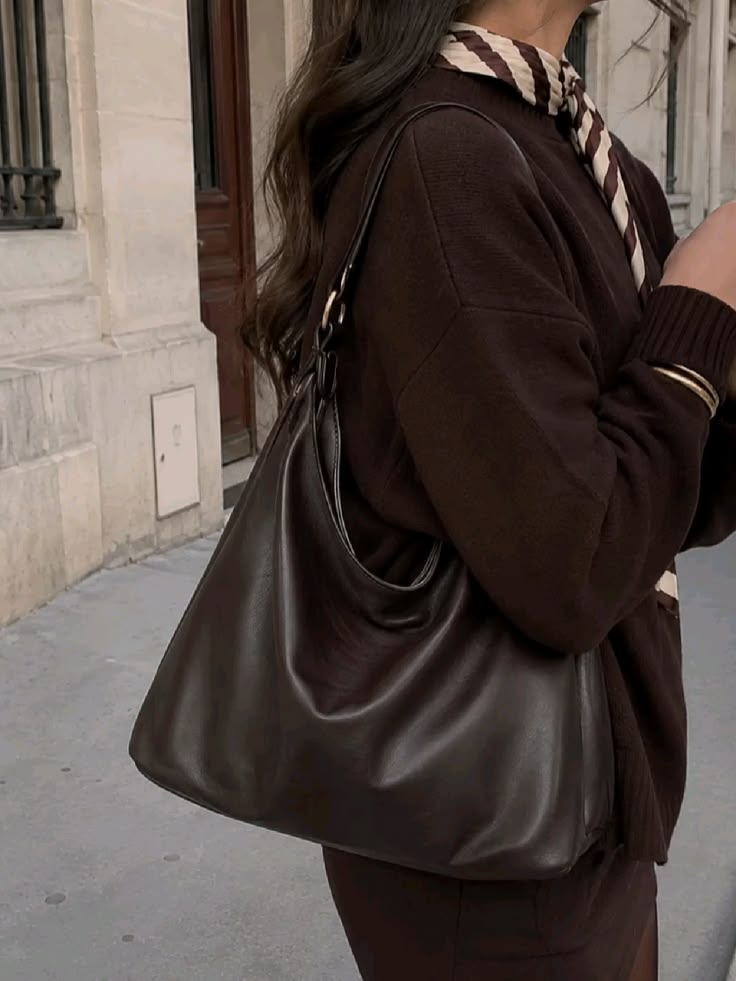
Your handbag should work with most of the outfits you plan to wear. A medium-sized bag in black, brown, or another neutral shade is a practical choice for carrying everyday essentials.
Think about what you actually carry. If you need room for a water bottle, wallet, phone, and small umbrella, a tiny structured bag may become frustrating.
Look at strap comfort, secure closures, internal pockets, and material care before buying. A bag that works for your routine is more valuable than one that only looks good in a styled photograph.
22. A Simple Belt

A belt can bring together a tucked shirt and jeans, add definition to trousers, or slightly change the shape of a cardigan or dress.
Black and brown are useful colors if you wear both dark and warm neutrals. You don’t necessarily need matching belts for every pair of shoes, but choosing a complementary finish can help an outfit feel cohesive.
Check the belt width against your trouser loops and the thickness of your clothing. A belt that works with jeans may not fit comfortably through tailored trousers.
23. A Fine Knit for Layering
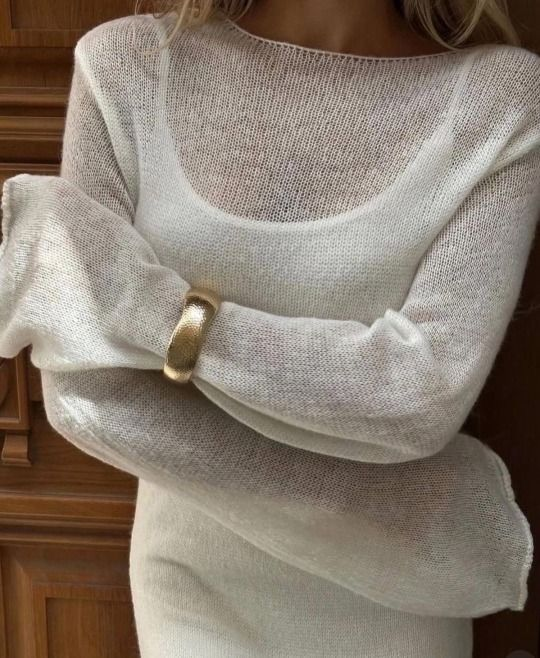
Alongside your thicker sweaters, consider one fine-gauge knit. It’s useful beneath blazers, coats, and sleeveless dresses because it provides warmth without adding as much bulk.
A fine knit in navy, gray, cream, or black can fill the gap between a T-shirt and a chunky sweater.
Look for a comfortable neckline and sleeves that don’t bunch under outerwear. This is one of those quiet basics that can increase the number of outfits you get from the rest of your wardrobe.
24. A Weather-Appropriate Outer Layer
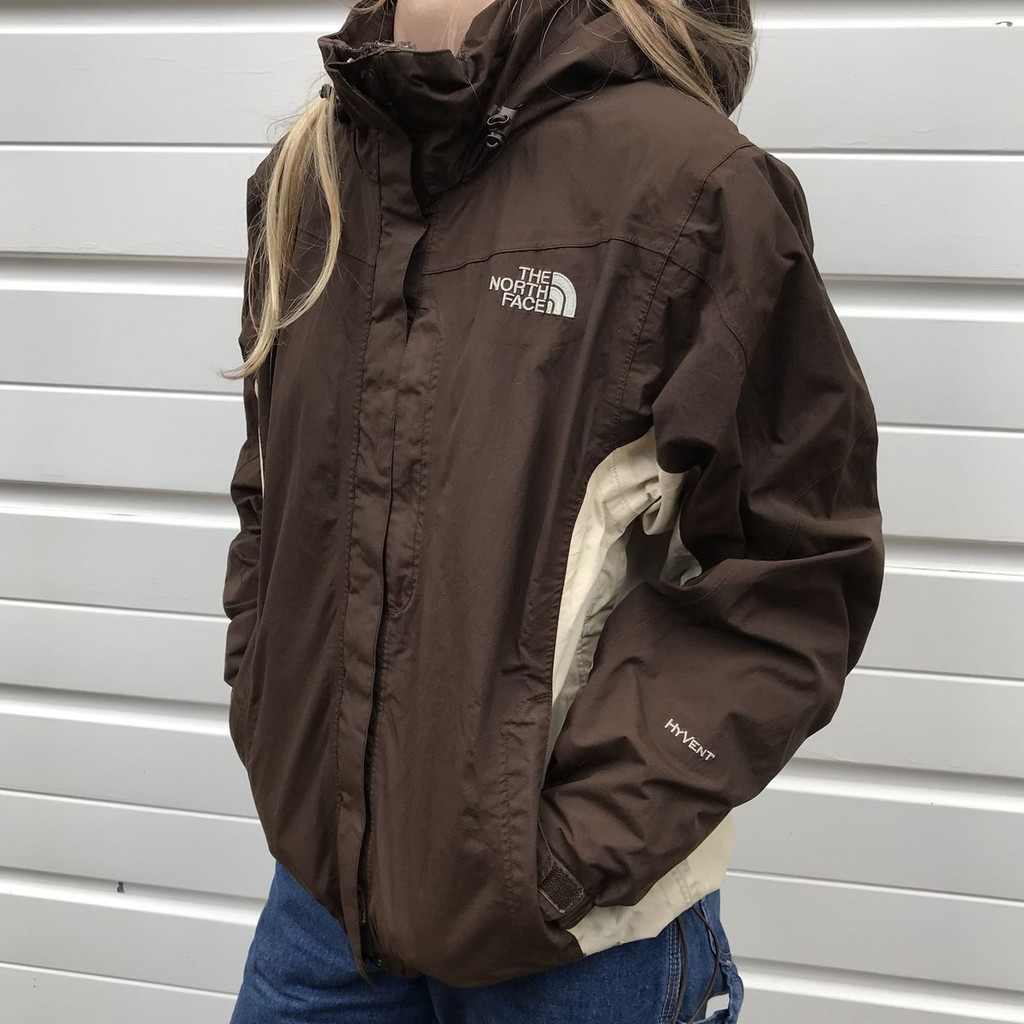
Depending on where you live, you may need a waterproof jacket, a raincoat, or a warmer technical shell in addition to your main coat and puffer.
This isn’t the most glamorous purchase, but it’s an important one if you commute, walk regularly, or experience frequent winter rain.
Choose features based on your local weather rather than assuming one coat will handle every condition. A wool coat, for instance, is not a substitute for proper rain protection during prolonged wet weather.
25. One Personal Statement Piece

Finally, leave room for something that feels like you. That could be a burgundy sweater, a textured handbag, a patterned scarf, or a coat in a color you genuinely love.
A capsule wardrobe shouldn’t turn every outfit into the same black trousers and cream sweater combination. The point is to make getting dressed easier while leaving room for personality.
I’d choose one statement piece that works with at least three things already in your closet. That way, it adds variety without creating another isolated item you struggle to style.
4. How to Build Winter Outfits From These Pieces
Once you’ve chosen your core items, the next step is learning how to combine them. You don’t need dozens of completely different outfits. You need a few reliable formulas that you can adjust depending on the weather and occasion.
Outfit 1: Straight-Leg Jeans and a Cream Sweater
Pair straight-leg blue jeans with a cream knit sweater, ankle boots, and a camel coat. Add a neutral scarf when you need extra warmth.
This outfit works because the jeans keep it casual while the coat and boots add structure. You can change the sweater to charcoal or burgundy without replacing the rest of the combination.
Outfit 2: Tailored Trousers and a Turtleneck
Wear charcoal trousers with a black turtleneck, a tailored coat, and ankle boots. A simple belt or structured handbag adds a polished finish.
This is a useful option for office days, casual meetings, or dinners where you want to look put together without wearing a formal outfit.
Outfit 3: Dark-Wash Jeans and a Camel Sweater
Dark denim and camel knitwear create a warm, understated color combination. Add brown boots and a coat in charcoal, navy, or camel.
If you prefer a more relaxed look, swap the boots for sneakers and wear a puffer jacket instead.
Outfit 4: A White Shirt Under a Sweater
Layer a white button-down beneath a charcoal sweater and pair it with straight-leg jeans. Let the collar and cuffs show slightly, then finish with ankle boots.
The shirt creates visual interest without needing a statement accessory. Make sure the shirt isn’t too bulky, or the sleeves may bunch beneath your sweater.
Outfit 5: A Blazer With Jeans and Sneakers
Wear a simple T-shirt, straight-leg jeans, a tailored blazer, and clean sneakers. Add a scarf or handbag for a little texture.
This is an easy combination for days when you want something more polished than a basic casual outfit but don’t want to dress formally.
Outfit 6: A Knitted Dress and Knee-High Boots
Pair a knitted dress with knee-high boots and a long coat. Add tights if you need extra coverage and a belt if you want a more defined waist.
This outfit works particularly well when you don’t want to coordinate separate top and bottom pieces.
Outfit 7: A Matching Knit Set and a Puffer
A matching knit set creates a coordinated base with very little effort. Layer a puffer jacket over it and add practical sneakers or flat boots.
I’d choose a set in charcoal, navy, or chocolate brown if I wanted to wear the pieces separately later. The top can work with jeans, while the trousers can pair with a different sweater.
Outfit 8: Wide-Leg Trousers and a Fitted Knit
Pair wide-leg tailored trousers with a fitted turtleneck or fine knit. Add ankle boots and a structured coat.
The contrast between the fitted top and wider trousers creates a balanced silhouette. If you prefer a looser top, try a shorter sweater or a light front tuck instead.
Outfit 9: A Striped Top and Dark Denim
Wear a striped long-sleeve top with dark jeans, a cardigan, and ankle boots. On colder days, add a wool coat or puffer.
The stripes provide enough pattern that you don’t need much else. A simple handbag and understated jewelry keep the outfit from feeling overly busy.
Outfit 10: A Monochrome Winter Look
Combine black trousers, a black fine knit, and black boots, then add a camel or gray coat for contrast.
Monochrome dressing can make a small wardrobe feel especially cohesive, but you don’t need every piece to be exactly the same shade. Mixing textures, such as smooth trousers and a soft knit, keeps the outfit from looking flat.
5. How to Layer Clothes Without Looking Bulky
Layering is where a winter capsule wardrobe becomes genuinely useful. The challenge is staying warm without making every outfit feel heavy or restricting your movement.
I like to think in three layers: a comfortable base, an insulating middle layer, and outerwear suited to the weather.
Start with a thin T-shirt or thermal top. Add a fine knit, shirt, or cardigan, then finish with your coat or insulated jacket. This gives you flexibility when you move between cold outdoor conditions and heated indoor spaces.
A few practical rules make a difference:
- Choose thinner layers beneath fitted coats.
- Keep bulky sweaters for outerwear with enough room through the shoulders and sleeves.
- Avoid wearing so many layers that you can’t comfortably move your arms.
- Use scarves and gloves to add warmth where needed without changing the entire outfit.
- Check whether your trousers and boots work together before leaving home, especially in wet weather.
Pro tip: Try on your winter layers together before the coldest part of the season. A sweater that fits beautifully on its own may feel too restrictive beneath your favorite coat, and discovering that problem before buying additional clothes can save you money.
6. Winter Capsule Wardrobe on a Budget
You don’t need a luxury budget to create a wardrobe that looks coordinated. What matters most is choosing useful pieces, checking quality, and avoiding purchases that only work with one outfit.
I’d start by reviewing what I already own. Put your winter clothes in one place and separate them into three groups: pieces you wear regularly, pieces that need repair or replacement, and pieces you rarely use.
Then make a shopping list based on actual gaps.
Where I’d spend more and where I’d save
| Item | Budget approach | What to check |
|---|---|---|
| Winter coat | Consider investing in fit and construction | Warmth, lining, fabric, seams |
| Everyday boots | Prioritize comfort and grip | Sole, fit, weather resistance |
| Basic T-shirts | Save where quality is adequate | Fabric feel, opacity, washability |
| Knitwear | Compare fiber content and care needs | Pilling, softness, durability |
| Tailored trousers | Spend for a good fit if you wear them often | Waist, rise, hem, construction |
| Scarves and accessories | Look for affordable options | Comfort, color, usefulness |
| Statement pieces | Set a firm budget | Whether they work with existing clothes |
These are starting points rather than rules. A less expensive coat may be perfectly suitable for a mild climate, while someone who spends hours outdoors may need a more technical option.
A simple winter capsule wardrobe budget
If you’re shopping on a limited budget, divide your spending into three stages.
Stage one: Replace essentials. Focus on missing basics, worn-out footwear, and outerwear that no longer meets your needs.
Stage two: Improve outfit combinations. Add a sweater, pair of trousers, or second pair of jeans that works with several existing pieces.
Stage three: Add personality. Only after the essentials are covered should you consider a trend-driven item, special handbag, or new seasonal color.
The biggest money-saving habit is to calculate cost per wear. A coat you wear three times a week for several winters may provide more value than an inexpensive trendy jacket you wear twice.
7. What Should You Buy First for Winter 2026?
If you’re starting from scratch, don’t try to purchase all 25 pieces at once. Begin with the clothes that create the most outfits.
I’d prioritize these five items:
- A practical winter coat that suits your climate.
- A versatile sweater in a color that coordinates with your existing trousers.
- A comfortable pair of jeans that works with your preferred shoes.
- Everyday boots or weather-appropriate footwear suited to your routine.
- A layering top that works beneath sweaters, cardigans, and coats.
Once those pieces are covered, add items based on your lifestyle. Someone who dresses formally for work may need tailored trousers before a second pair of jeans. Someone who works from home may benefit more from comfortable knitwear.
Before making a purchase, ask yourself three questions: Can I wear this with at least three things I own? Does it suit my actual winter weather? Would I still want it if it weren’t part of a seasonal trend?
If the answer to those questions is mostly yes, it’s more likely to earn a place in your capsule wardrobe.
8. Common Winter Capsule Wardrobe Mistakes to Avoid
A capsule wardrobe should make your life simpler, but a few common mistakes can turn it into another shopping project.
Buying too many neutrals you don’t enjoy wearing
Neutral colors are versatile, but you don’t have to build your entire wardrobe around black, beige, and gray. If you love green, burgundy, or blue, incorporate those colors into your core palette.
Choosing style over comfort
Shoes that hurt, sweaters that itch, and coats that restrict your arms won’t become favorites just because they look good. Try everything on with the layers you intend to wear.
Forgetting your local climate
A wool coat may be ideal for dry, chilly weather but less useful in persistent rain. A lightweight jacket won’t replace insulated outerwear during freezing temperatures. Build around the weather you actually experience.
Buying duplicates before checking your closet
You might already own three similar black sweaters and no comfortable everyday trousers. Shopping your closet first helps you identify the missing piece rather than buying another version of what you have.
Treating every trend as a must-have
Winter fashion trends can provide fresh ideas, but not every trend deserves space in your wardrobe. Borrow the elements you enjoy through accessories, colors, or styling changes instead of replacing your whole collection.
Pro tip: Keep a short note on your phone listing the items you genuinely need. When you see something appealing while shopping, check the list before purchasing it. That small pause can help prevent impulse buys that don’t fit your wardrobe.
9. How to Maintain Your Winter Capsule Wardrobe
A good capsule wardrobe should last beyond a single season. Basic care helps your clothes look better and makes it easier to decide what needs replacing.
Follow garment care labels, especially for wool, cashmere blends, delicate knits, and structured coats. Store knitwear folded when hanging could stretch it, and use suitable hangers for coats and blazers.
Remove pilling carefully with a fabric comb or suitable fabric shaver, following the manufacturer’s instructions. Repair loose buttons and small seam problems before they become larger issues.
At the end of winter, clean and store seasonal items appropriately. Make a note of what you wore most often and what stayed untouched. That information will be more useful than a list of every new trend you saw online.
Frequently Asked Questions About a Winter 2026 Capsule Wardrobe
How many pieces should a winter capsule wardrobe have?
There is no universal number. Around 20–30 core clothing and footwear pieces can be a useful starting point, but your ideal wardrobe depends on your climate, lifestyle, laundry routine, and personal preferences. Count accessories separately if that makes the process easier.
What colors work best for a winter capsule wardrobe?
Black, cream, camel, gray, navy, and brown are versatile foundations. Burgundy, forest green, and other rich shades can add seasonal interest. Choose colors that suit your existing wardrobe rather than forcing yourself into a palette you don’t enjoy.
How can I create a winter capsule wardrobe on a budget?
Start with your existing clothes, identify genuine gaps, and buy versatile essentials first. Look for quality, fit, comfort, and care requirements instead of choosing items based only on price or trends. Buying fewer pieces that work together is often more useful than buying a large number of discounted items.
What are the most versatile winter wardrobe essentials?
A practical coat, comfortable knitwear, straight-leg jeans, tailored trousers, a layering top, suitable boots, and a warm scarf are useful starting points. The best selection depends on how you spend your days and how cold your winter gets.
Can I follow winter fashion trends with a capsule wardrobe?
Absolutely. You can incorporate seasonal colors, updated silhouettes, or interesting textures without replacing your entire closet. Try a new scarf, a different knit shape, or a trend-inspired accessory before committing to a major purchase.
Conclusion: Build a Winter Wardrobe That Works for You
My approach to a Winter 2026 capsule wardrobe would be to start small, use what I already own, and focus on the pieces that make everyday dressing easier.
A warm coat, comfortable boots, versatile jeans, and a few good sweaters can create more outfits than a closet full of clothes that don’t coordinate.
You don’t need to buy everything in this guide, and you certainly don’t need to follow every seasonal trend. Choose a color palette you enjoy, consider your local weather, and add pieces only when they solve a real problem.
If I were starting over, I’d begin with my most-worn winter outfit and figure out which pieces make it work. Then I’d build from there, one thoughtful purchase at a time. That’s how you create a wardrobe that feels stylish, comfortable, and genuinely useful all winter long.